Microbiology Research Center, Pasteur Institute of Iran, Tehran, Iran; Mycobacteriology and Pulmonary Research Department, Pasteur Institute of Iran, Tehran, Iran.
Research Laboratories, Bambino Gesù Children's Hospital-IRCCS, Rome, Italy.
Microb Pathog. 2022 Dec;173(Pt A):105798. doi: 10.1016/j.micpath.2022.105798. Epub 2022 Sep 26.
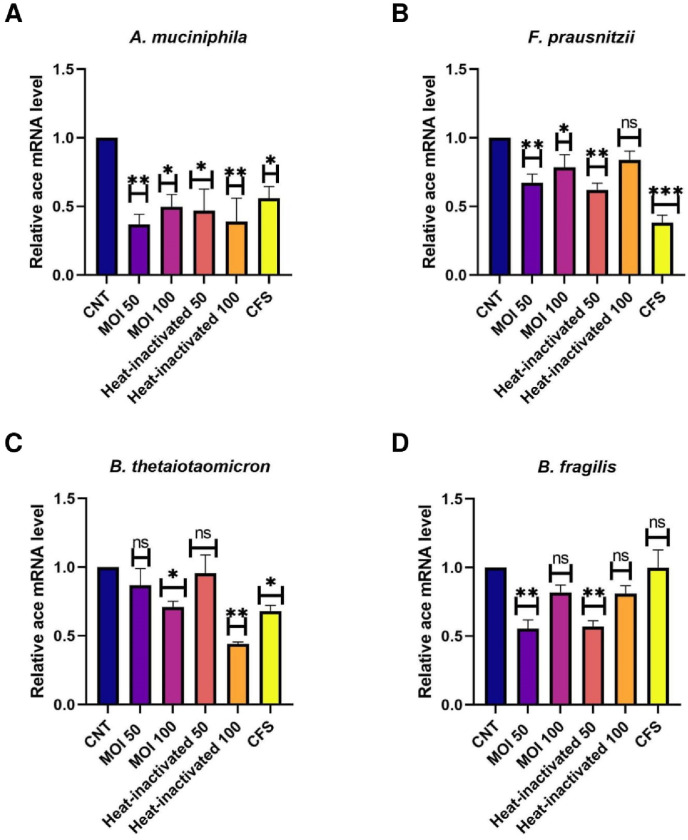
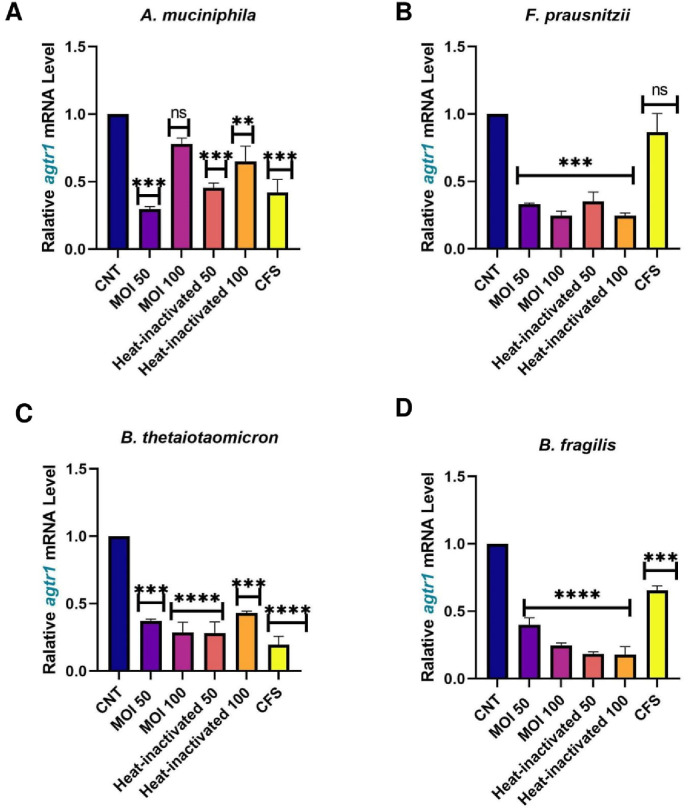
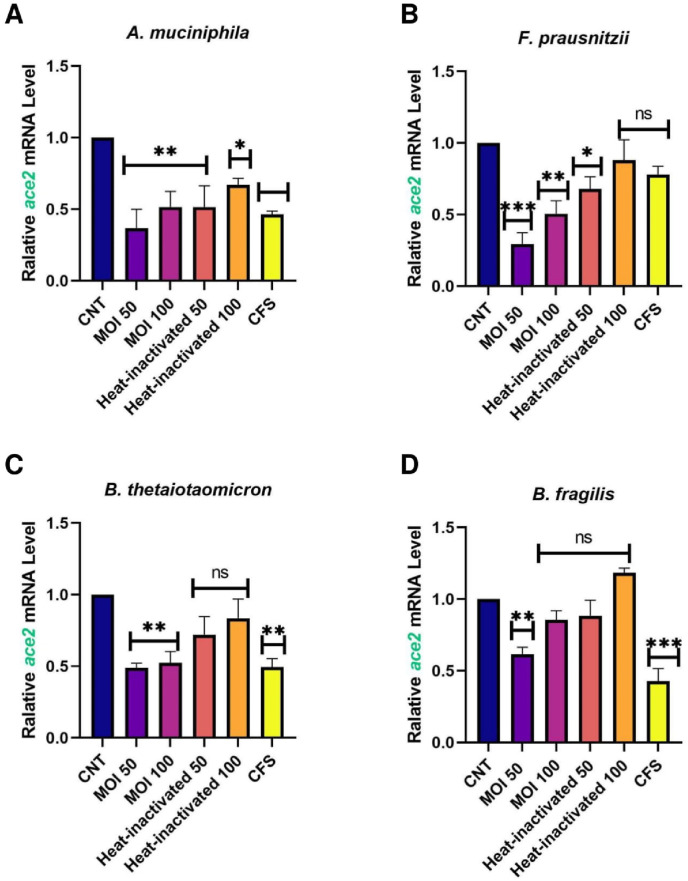
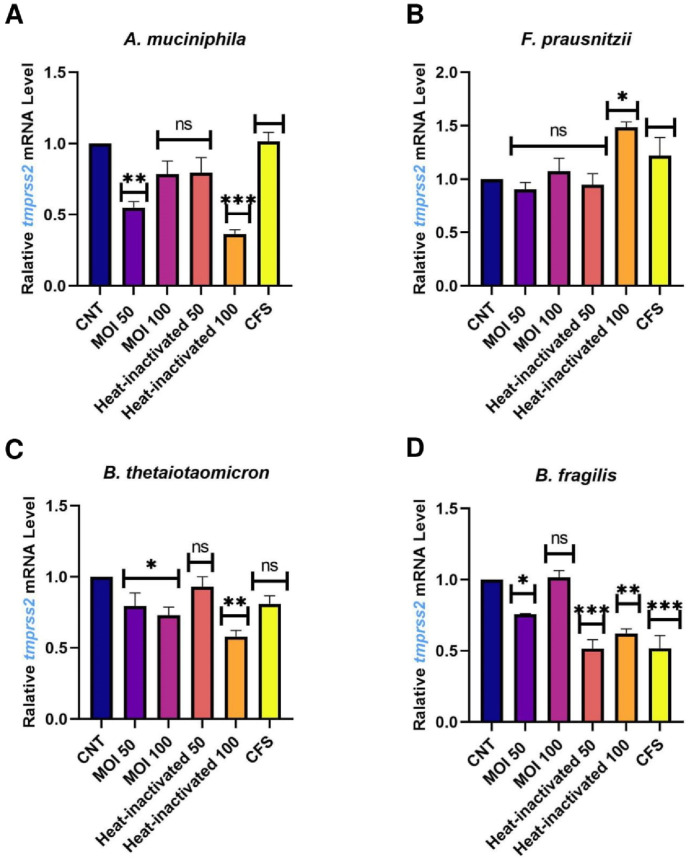
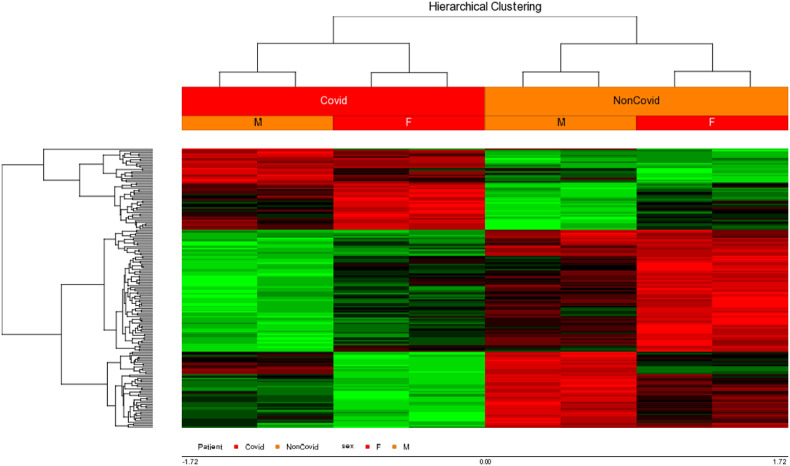
Coronavirus disease-2019 (COVID-19) is a complex infection caused by the severe acute respiratory syndrome coronavirus 2 (SARS-CoV-2) that can cause also gastrointestinal symptoms. There are various factors that determine the host susceptibility and severity of infection, including the renin-angiotensin system, the immune response, and the gut microbiota. In this regard, we aimed to investigate the gene expression of ACE, AGTR1, ACE2, and TMPRSS2, which mediate SARS-CoV-2 pathogenesis by Akkermansia muciniphila, Faecalibacterium prausnitzii, Bacteroides thetaiotaomicron, and Bacteroides fragilis on Caco-2 cells. Also, the enrichment analysis considering the studied genes was analyzed on raw data from the microarray analysis of COVID-19 patients.
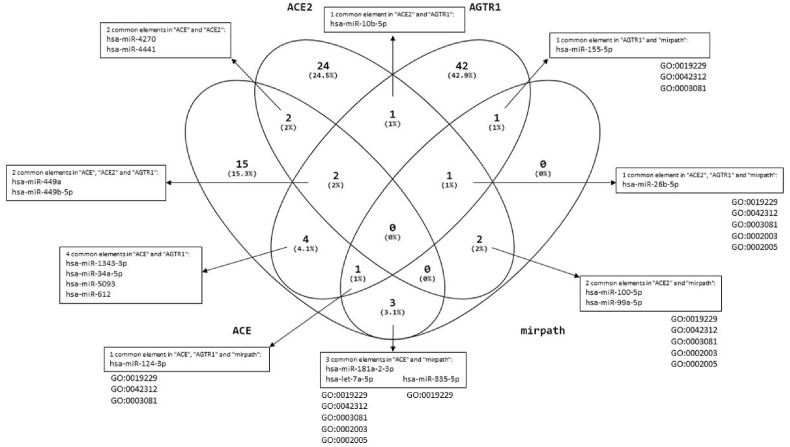
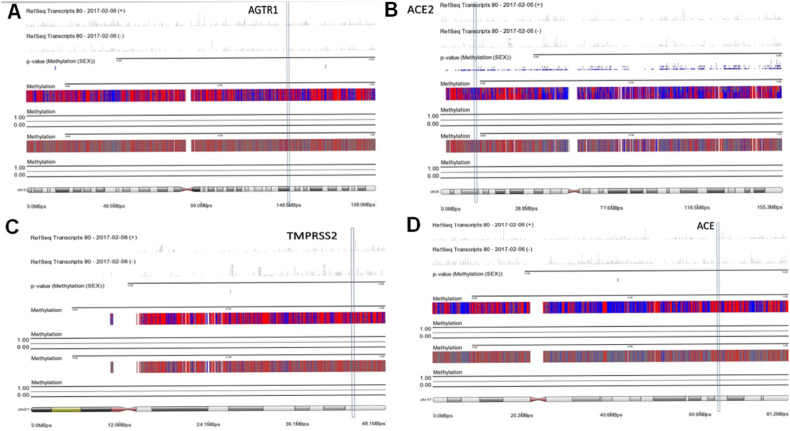
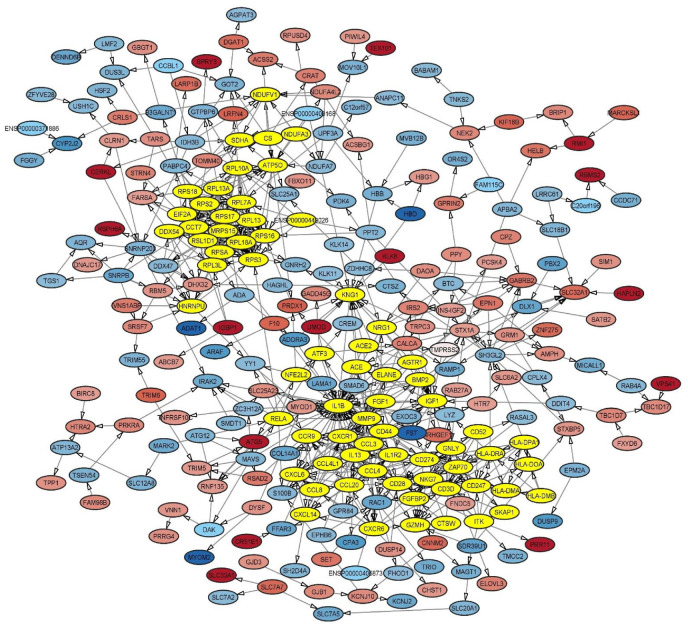
Caco-2 cells were treated with live, heat-inactivated form and cell free supernatants of A. muciniphila, F. prausnitzii, B. thetaiotaomicron and B. fragilis for overnight. After RNA extraction and cDNA synthesis, the expression of studied genes was assessed by RT-qPCR. DNA methylation of studied genes was analyzed by Partek® Genomics Suite® software on the GSE174818 dataset. We used GSE164805 and GSE166552 datasets from COVID-19 patients to perform enrichment analysis by considering the mentioned genes via GEO2R, DAVID. Finally, the related microRNAs to GO terms concerned on the studied genes were identified by miRPath.
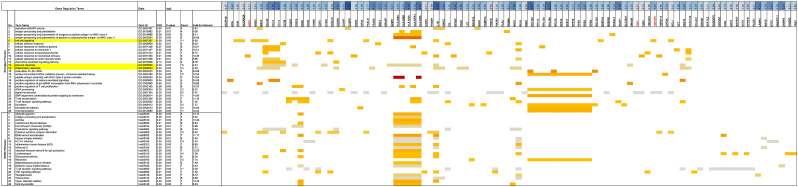
The downregulation of ACE, AGTR1, and ACE2 genes by A. muciniphila, F. prausnitzii, B. thetaiotaomicron, and B. fragilis in live, heat-inactivated, and cell-free supernatants was reported for the first time. These genes had hypomethylated DNA status in COVID-19 patients' raw data. The highest fold enrichment in upregulated RAS pathways and immune responses belonged to ACE, AGTR1, and ACE2 by considering the protein-protein interaction network. The common miRNAs targeting the studied genes were reported as miR-124-3p and miR-26b-5p.
In combination with our experimental data and bioinformatic analysis, we showed the potential of A. muciniphila, F. prausnitzii, B. thetaiotaomicron, and B. fragilis and their postbiotics to reduce ACE, ATR1, and ACE2 expression, which are essential genes that drive upregulated biological processes in COVID-19 patients. Accordingly, due to the potential of studied bacteria on the alteration of ACE, AGTR1, ACE2 genes expression, understanding their correlation with demonstrated miRNAs expression could be valuable. These findings suggest the importance of considering targeted gut microbiota intervention when designing the possible therapeutic strategy for controlling the COVID-19.
由严重急性呼吸系统综合症冠状病毒 2(SARS-CoV-2)引起的 2019 年冠状病毒病(COVID-19)是一种复杂的感染,它也会引起胃肠道症状。有多种因素决定宿主的易感性和感染的严重程度,包括肾素-血管紧张素系统、免疫反应和肠道微生物群。在这方面,我们旨在研究 ACE、AGTR1、ACE2 和 TMPRSS2 的基因表达,这些基因通过 Akkermansia muciniphila、Faecalibacterium prausnitzii、Bacteroides thetaiotaomicron 和 Bacteroides fragilis 在 Caco-2 细胞上介导 SARS-CoV-2 发病机制。此外,还对 COVID-19 患者微阵列分析的原始数据进行了考虑研究基因的富集分析。
用活的、热灭活的形式和无细胞上清液处理 Caco-2 细胞 A. muciniphila、F. prausnitzii、B. thetaiotaomicron 和 B. fragilis 过夜。提取 RNA 并合成 cDNA 后,通过 RT-qPCR 评估研究基因的表达。通过 Partek® Genomics Suite®软件在 GSE174818 数据集上分析研究基因的 DNA 甲基化。我们使用 COVID-19 患者的 GSE164805 和 GSE166552 数据集,通过 GEO2R、DAVID 考虑所述基因进行富集分析。最后,通过 miRPath 确定与研究基因相关的 GO 术语的相关 microRNAs。
首次报道了 A. muciniphila、F. prausnitzii、B. thetaiotaomicron 和 B. fragilis 对 ACE、AGTR1 和 ACE2 基因的下调作用,这些基因在 COVID-19 患者的原始数据中表现出低甲基化 DNA 状态。在考虑蛋白质-蛋白质相互作用网络时,对 RAS 途径和免疫反应的上调具有最高倍数富集的是 ACE、AGTR1 和 ACE2。针对研究基因的共同靶向 microRNAs 被报道为 miR-124-3p 和 miR-26b-5p。
结合我们的实验数据和生物信息学分析,我们展示了 A. muciniphila、F. prausnitzii、B. thetaiotaomicron 和 B. fragilis 及其后生元降低 ACE、ATR1 和 ACE2 表达的潜力,ACE、ATR1 和 ACE2 是驱动 COVID-19 患者上调生物学过程的关键基因。因此,由于研究细菌对 ACE、AGTR1、ACE2 基因表达的改变潜力,了解它们与已证明的 microRNAs 表达的相关性可能具有价值。这些发现表明,在设计控制 COVID-19 的可能治疗策略时,考虑靶向肠道微生物群干预的重要性。