Hepatobiliary Surgery, the third affiliated hospital, Naval Military Medical University, Shanghai, China.
Bioinformatics R&D Department, Hangzhou Mugu Technology Co., Ltd, Hangzhou, China.
Front Immunol. 2022 Sep 23;13:1009789. doi: 10.3389/fimmu.2022.1009789. eCollection 2022.
Cancer-associated fibroblasts (CAFs) are involved in tumor growth, angiogenesis, metastasis, and resistance to therapy. We sought to explore the CAFs characteristics in hepatocellular carcinoma (HCC) and establish a CAF-based risk signature for predicting the prognosis of HCC patients.
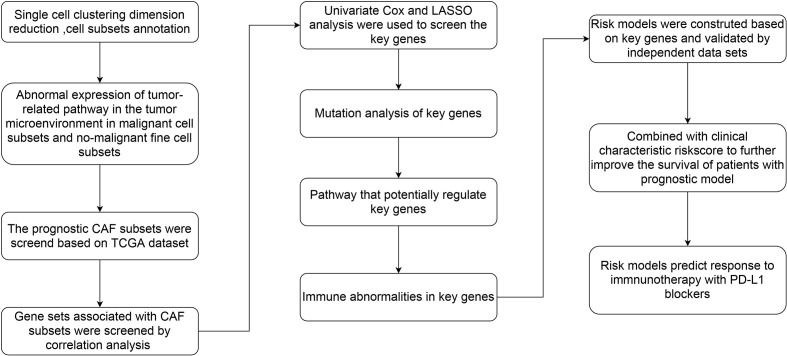
The signal-cell RNA sequencing (scRNA-seq) data was obtained from the GEO database. Bulk RNA-seq data and microarray data of HCC were obtained from the TCGA and GEO databases respectively. Seurat R package was applied to process scRNA-seq data and identify CAF clusters according to the CAF markers. Differential expression analysis was performed to screen differentially expressed genes (DEGs) between normal and tumor samples in TCGA dataset. Then Pearson correlation analysis was used to determine the DEGs associated with CAF clusters, followed by the univariate Cox regression analysis to identify CAF-related prognostic genes. Lasso regression was implemented to construct a risk signature based on CAF-related prognostic genes. Finally, a nomogram model based on the risk signature and clinicopathological characteristics was developed.
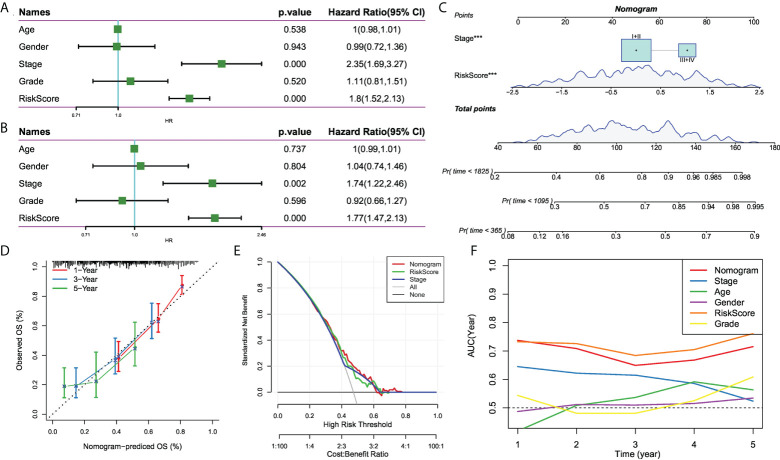
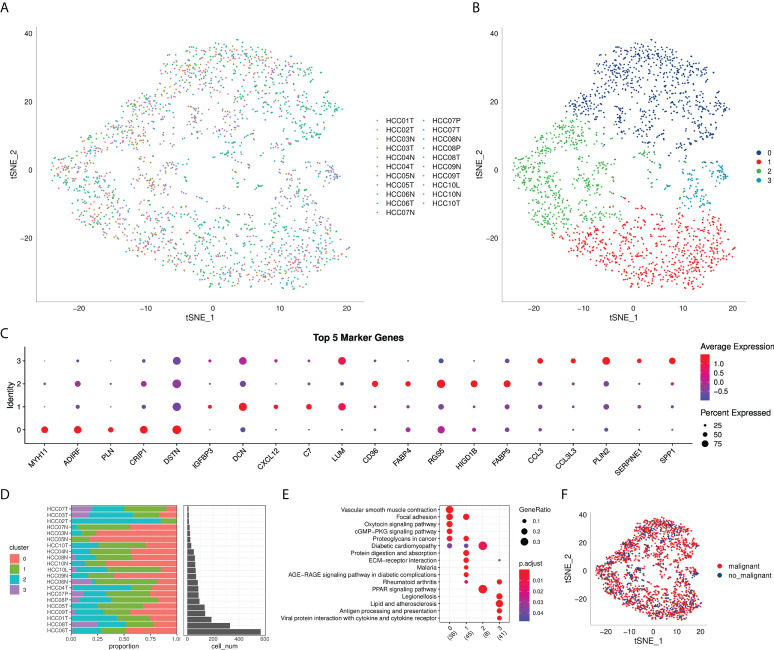
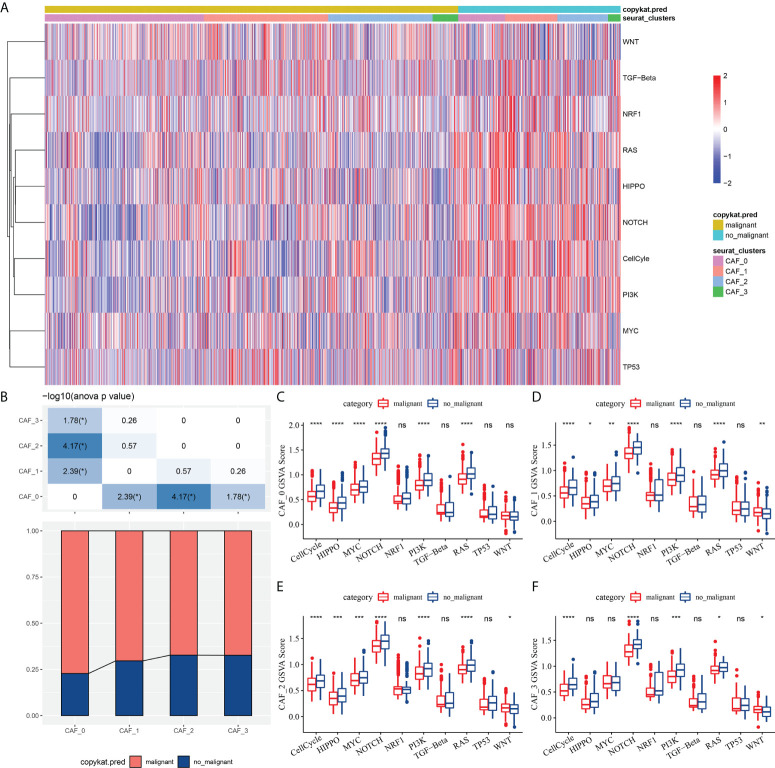
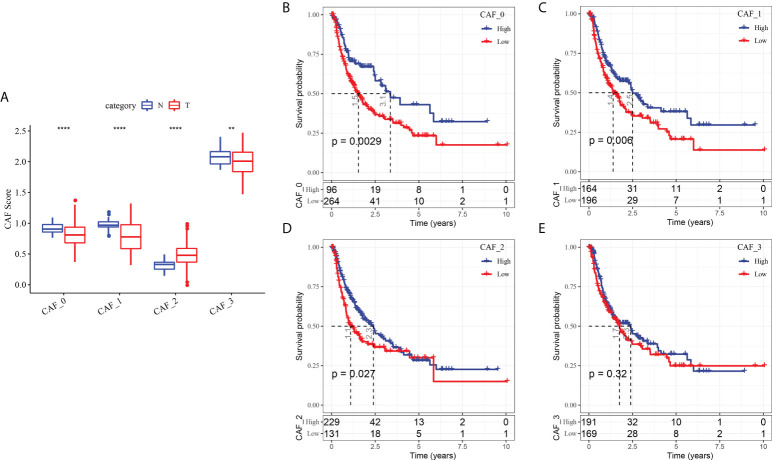
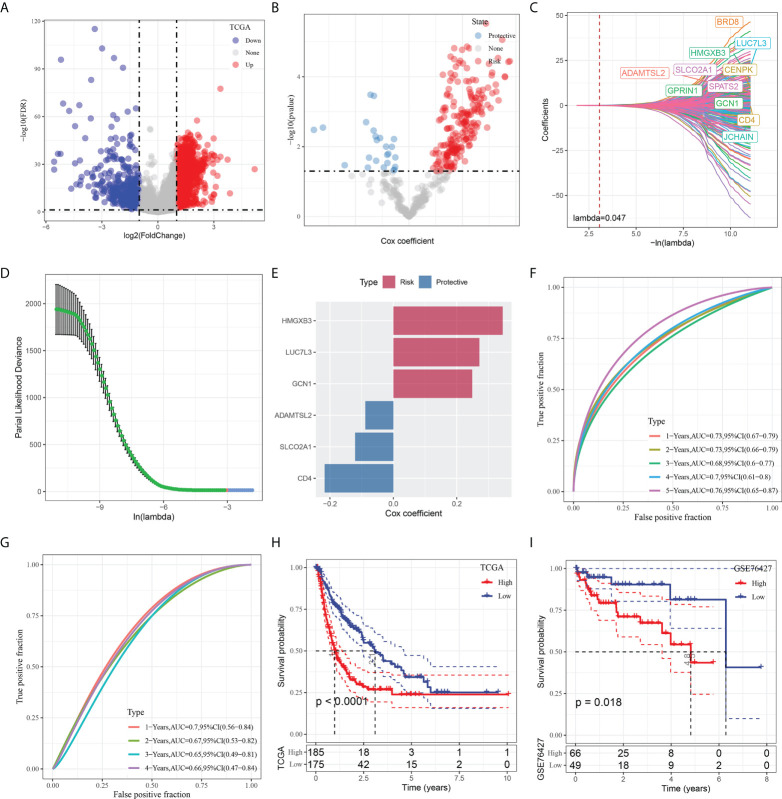
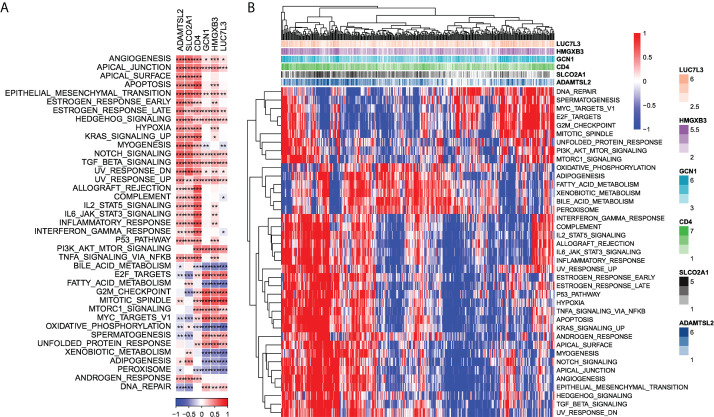
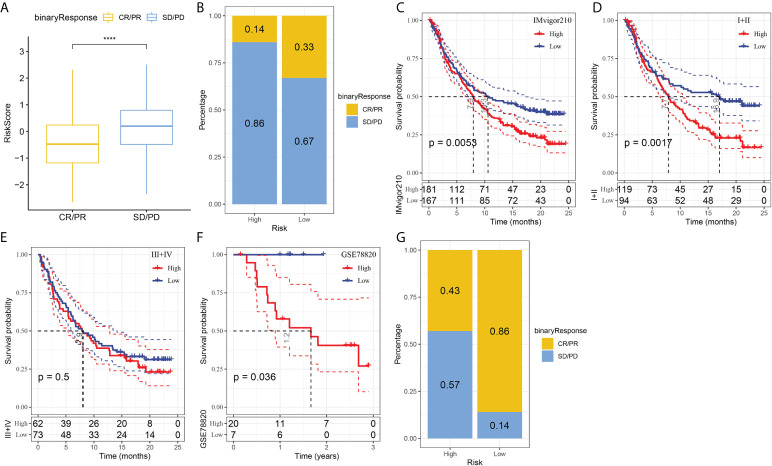
Based on scRNA-seq data, we identified 4 CAF clusters in HCC, 3 of which were associated with prognosis in HCC. A total of 423 genes were identified from 2811 DEGs to be significantly correlated with CAF clusters, and were narrowed down to generate a risk signature with 6 genes. These six genes were primarily connected with 39 pathways, such as angiogenesis, apoptosis, and hypoxia. Meanwhile, the risk signature was significantly associated with stromal and immune scores, as well as some immune cells. Multivariate analysis revealed that risk signature was an independent prognostic factor for HCC, and its value in predicting immunotherapeutic outcomes was confirmed. A novel nomogram integrating the stage and CAF-based risk signature was constructed, which exhibited favorable predictability and reliability in the prognosis prediction of HCC.
CAF-based risk signatures can effectively predict the prognosis of HCC, and comprehensive characterization of the CAF signature of HCC may help to interpret the response of HCC to immunotherapy and provide new strategies for cancer treatment.
癌症相关成纤维细胞(CAFs)参与肿瘤生长、血管生成、转移和治疗抵抗。我们试图探索肝癌(HCC)中 CAFs 的特征,并建立基于 CAF 的风险特征,以预测 HCC 患者的预后。
从 GEO 数据库中获取信号细胞 RNA 测序(scRNA-seq)数据。从 TCGA 和 GEO 数据库中分别获得 HCC 的批量 RNA-seq 数据和微阵列数据。应用 Seurat R 包处理 scRNA-seq 数据,并根据 CAF 标志物识别 CAF 簇。在 TCGA 数据集的正常和肿瘤样本之间进行差异表达分析,筛选差异表达基因(DEGs)。然后进行 Pearson 相关性分析,以确定与 CAF 簇相关的 DEGs,随后进行单因素 Cox 回归分析,以鉴定与 CAF 相关的预后基因。实施 Lasso 回归,基于 CAF 相关预后基因构建风险特征。最后,基于风险特征和临床病理特征建立了一个列线图模型。
基于 scRNA-seq 数据,我们在 HCC 中鉴定出 4 个 CAF 簇,其中 3 个与 HCC 的预后相关。从 2811 个 DEGs 中鉴定出与 CAF 簇显著相关的 423 个基因,并进行了进一步的筛选,最终生成一个包含 6 个基因的风险特征。这 6 个基因主要与血管生成、凋亡和缺氧等 39 条通路相关。同时,该风险特征与基质和免疫评分以及一些免疫细胞显著相关。多因素分析表明,风险特征是 HCC 的独立预后因素,并且其在预测 HCC 的免疫治疗结果方面得到了验证。构建了一个新的列线图,该列线图整合了分期和基于 CAF 的风险特征,在 HCC 预后预测中具有良好的预测能力和可靠性。
基于 CAF 的风险特征可有效预测 HCC 的预后,全面描绘 HCC 的 CAF 特征可能有助于解释 HCC 对免疫治疗的反应,并为癌症治疗提供新策略。