Department of Internal Medicine 3, Friedrich-Alexander-University Erlangen-Nürnberg (FAU) and Universitätsklinikum Erlangen, Ulmenweg 18, 91054, Erlangen, Germany.
Deutsches Zentrum Immuntherapie (DZI), Friedrich-Alexander-University Erlangen-Nürnberg and Universitätsklinikum Erlangen, Erlangen, Germany.
Rheumatol Int. 2023 Mar;43(3):495-502. doi: 10.1007/s00296-022-05223-z. Epub 2022 Oct 10.
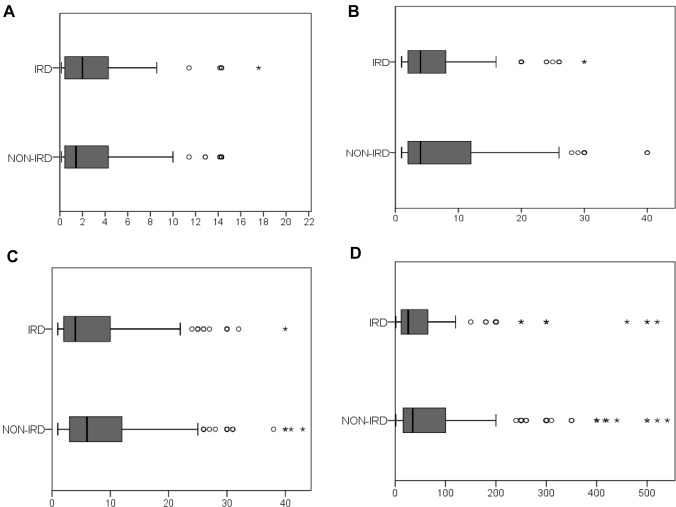
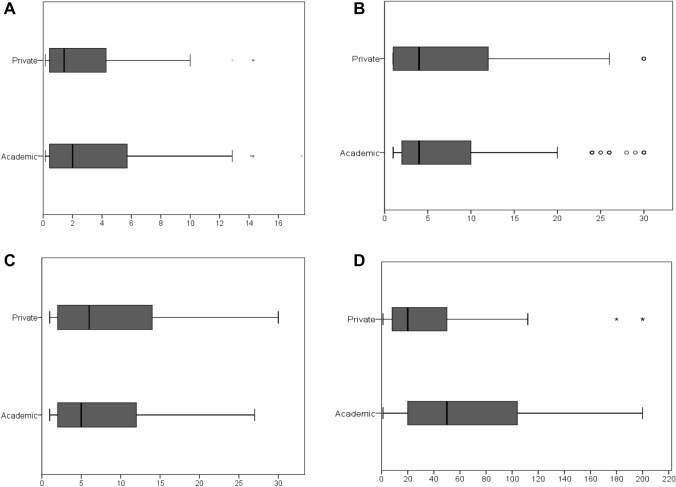
Early and effective discrimination (triage) of patients with inflammatory rheumatic diseases (IRD) and other diseases (non-IRD) is essential for successful treatment and preventing damage. The aim of this study was to investigate diagnostic delays and pre-diagnosis treatment in patients newly presenting to rheumatology outpatient clinics. A total of 600 patients newly presenting to one university hospital and two non-academic centers were included. Time from onset of symptoms to rheumatology consultation "total delay" as well as medical treatment before consultation were recorded. Median time from symptom onset to rheumatologist appointment (total delay) was 30 weeks. Median time to online search, first physician appointment request and first physician appointment was 2, 4 and 5 weeks, respectively. Total delay was significantly shorter for IRD patients compared to non-IRD patients, 26 vs 35 weeks (p = 0.007). Only 17.7% of all patients and 22.9% of IRD patients had a delay of less than 12 weeks. Total delay was significantly lower in patients seen in non-academic centers compared to the university center, 20 vs 50 weeks (p < 0.0001). 32.2% of IRD patients received medical treatment that eased their symptoms prior to the rheumatology appointment. These findings highlight the persistent diagnostic delays in rheumatology; however, they also suggest that current triage strategies effectively lead to earlier appointments for IRD patients. Improvement of triage methods and pre-diagnosis treatment could decrease overall burden of disease in IRD patients.
早期且有效的鉴别(分诊)对于炎性风湿性疾病(IRD)和其他疾病(非-IRD)患者的成功治疗和预防损伤至关重要。本研究旨在调查新到风湿科门诊就诊患者的诊断延迟和预诊断治疗情况。共纳入 600 例新到一家大学医院和两家非学术中心就诊的患者。记录从症状发作到风湿科就诊的时间(总延迟)以及就诊前的治疗情况。从症状发作到风湿科医生预约的中位时间(总延迟)为 30 周。从在线搜索、首次医生预约请求到首次医生预约的中位时间分别为 2、4 和 5 周。与非-IRD 患者相比,IRD 患者的总延迟明显更短,分别为 26 周和 35 周(p=0.007)。仅有 17.7%的患者和 22.9%的IRD 患者的延迟时间少于 12 周。与大学中心相比,非学术中心就诊患者的总延迟明显更低,分别为 20 周和 50 周(p<0.0001)。32.2%的IRD 患者在风湿科就诊前接受了缓解症状的治疗。这些发现突出了风湿科的持续诊断延迟,但也表明当前的分诊策略有效地为 IRD 患者带来了更早的预约。改善分诊方法和预诊断治疗可以降低 IRD 患者的整体疾病负担。