Immunology, Microenvironment, and Metastasis Program, Wistar Institute, Philadelphia, PA 19104, USA.
AstraZeneca, ICC, Early Oncology, Gaithersburg, MD 20878, USA.
Cancer Cell. 2022 Oct 10;40(10):1173-1189.e6. doi: 10.1016/j.ccell.2022.09.001.
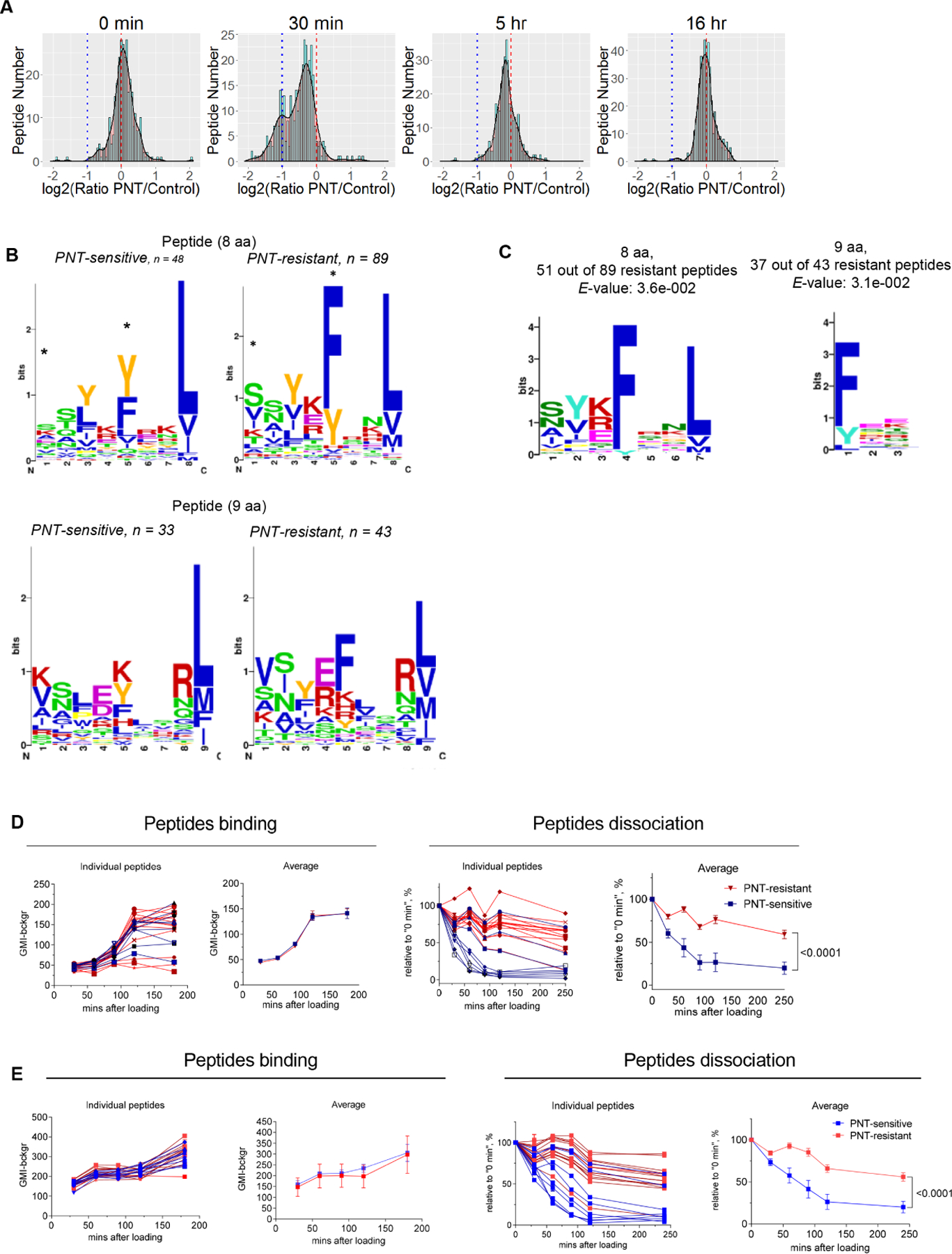
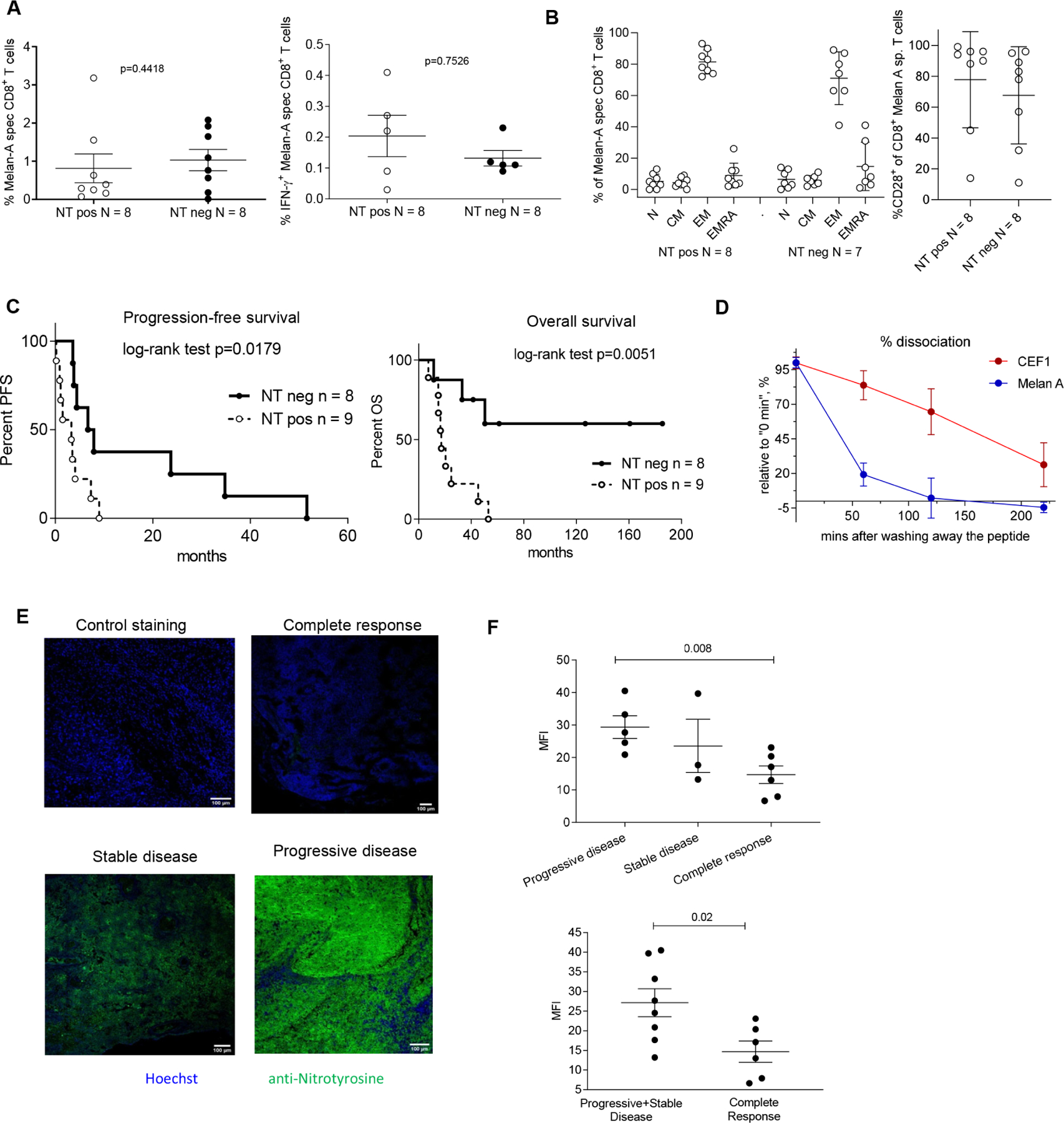
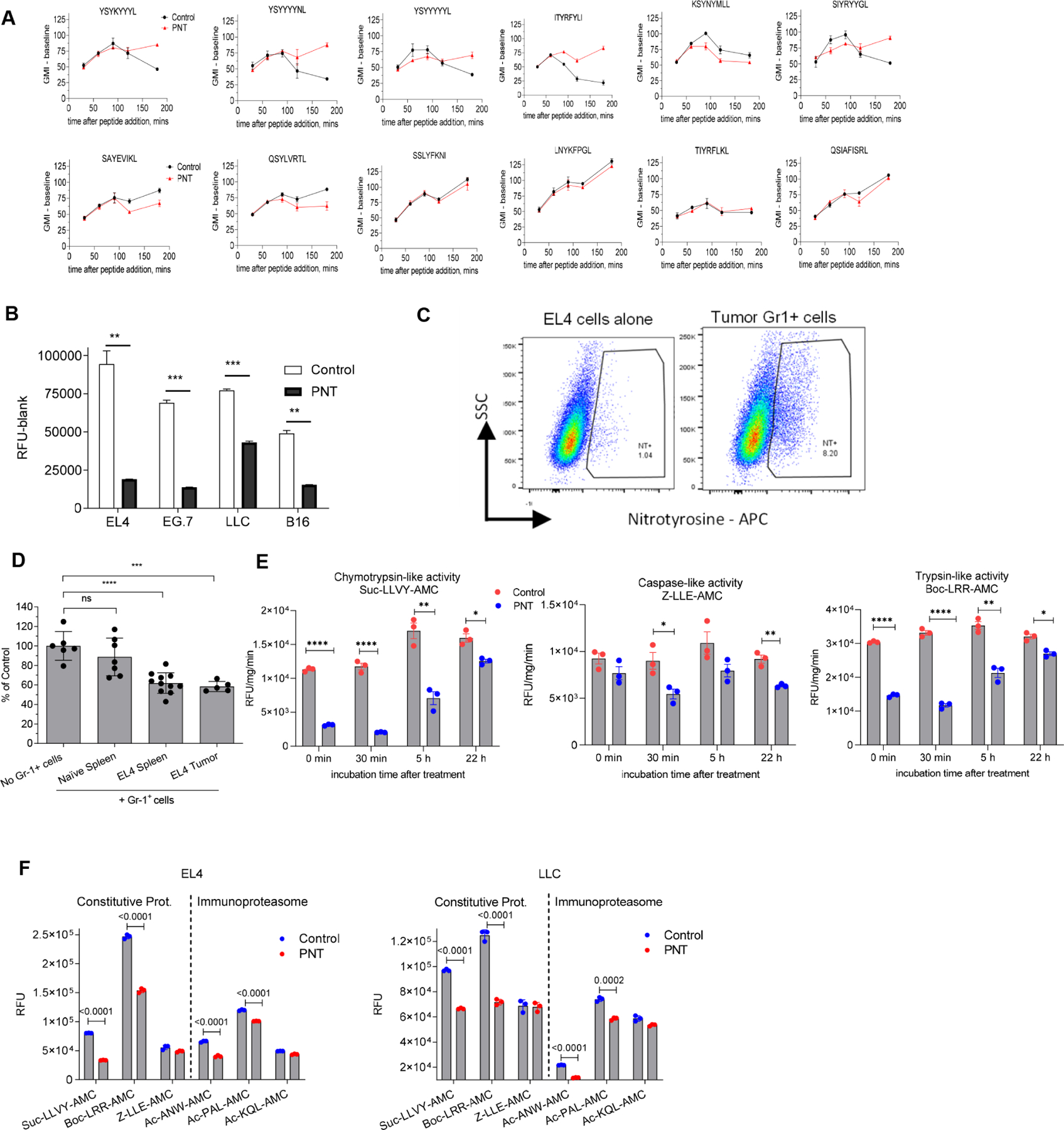
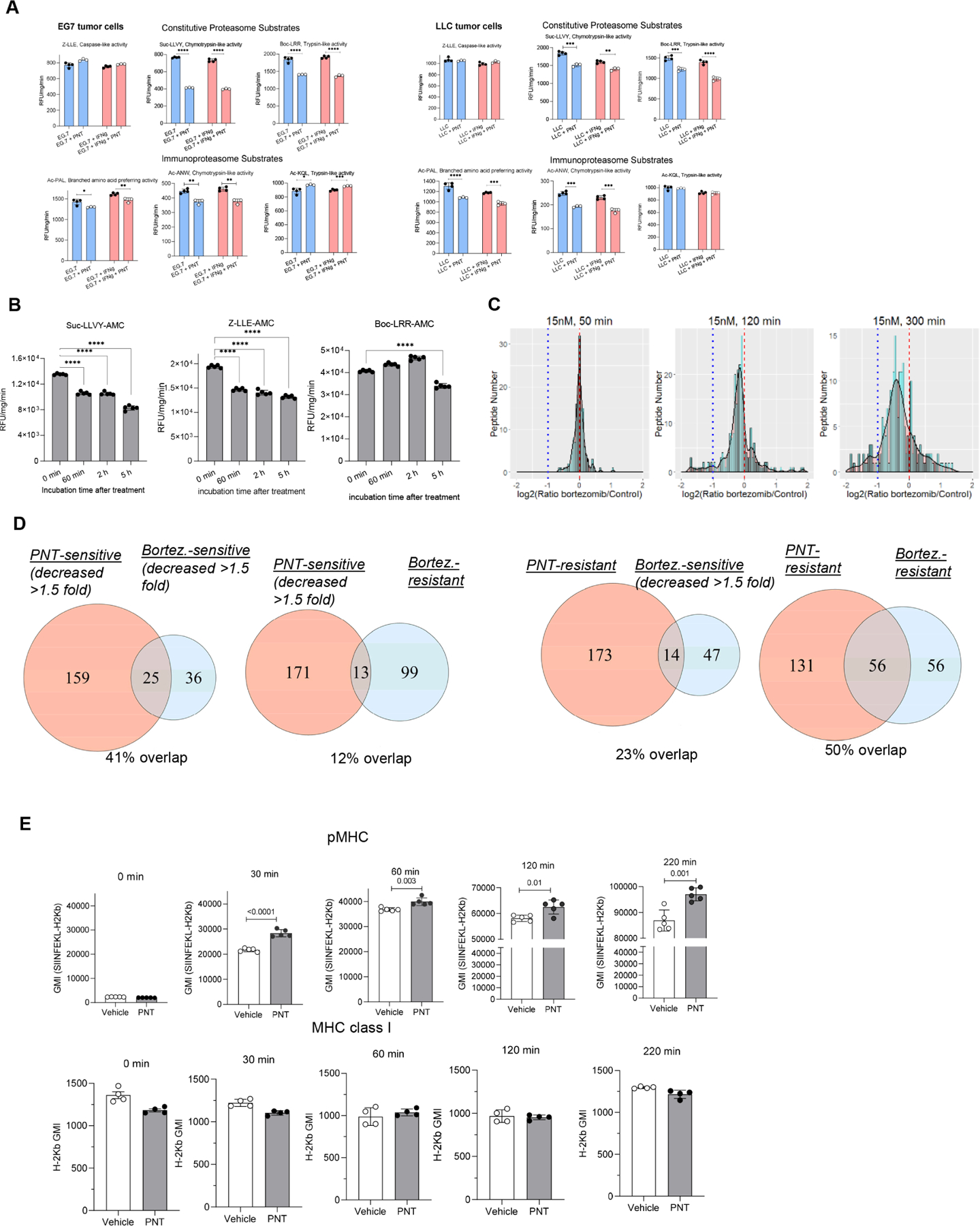
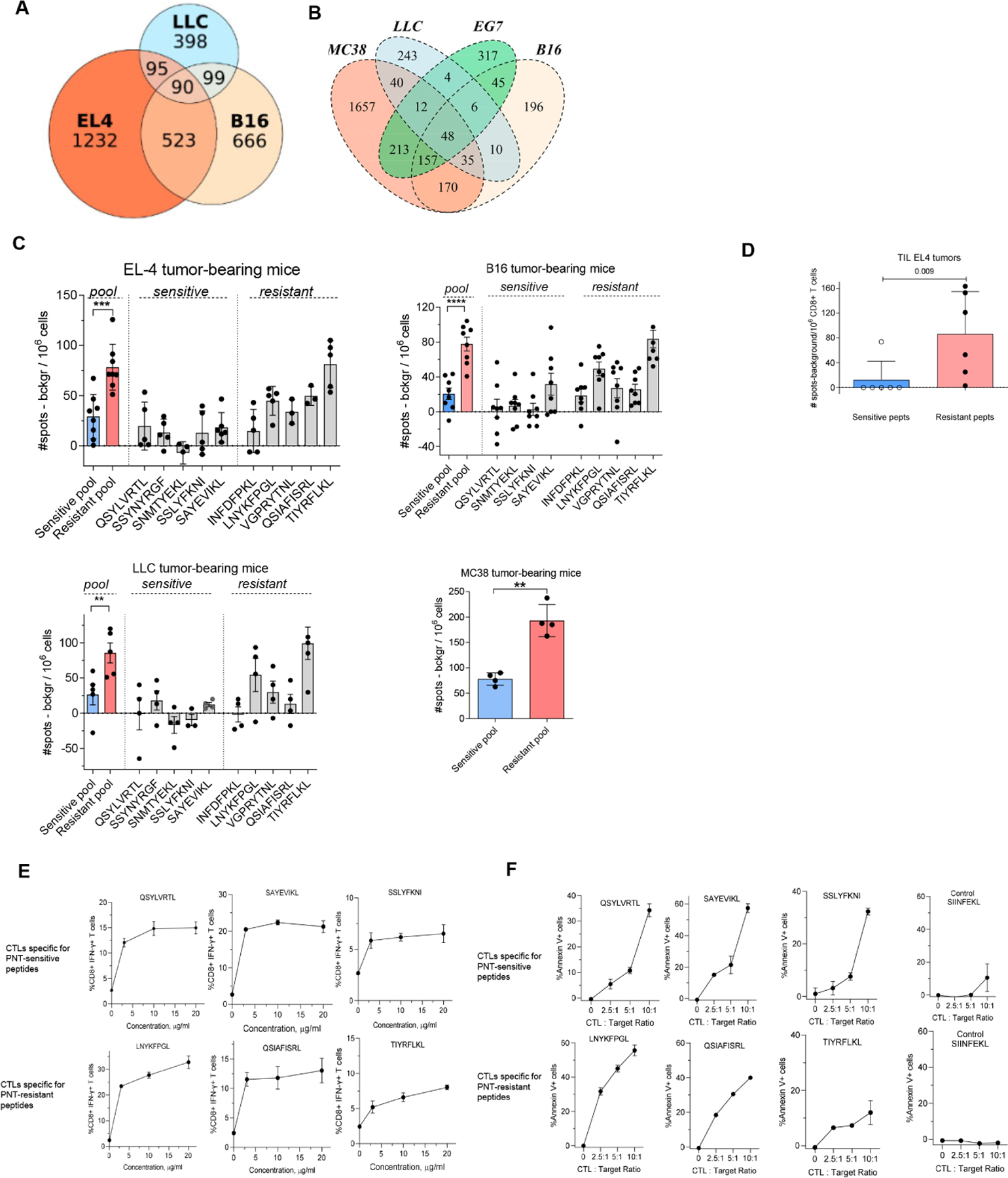
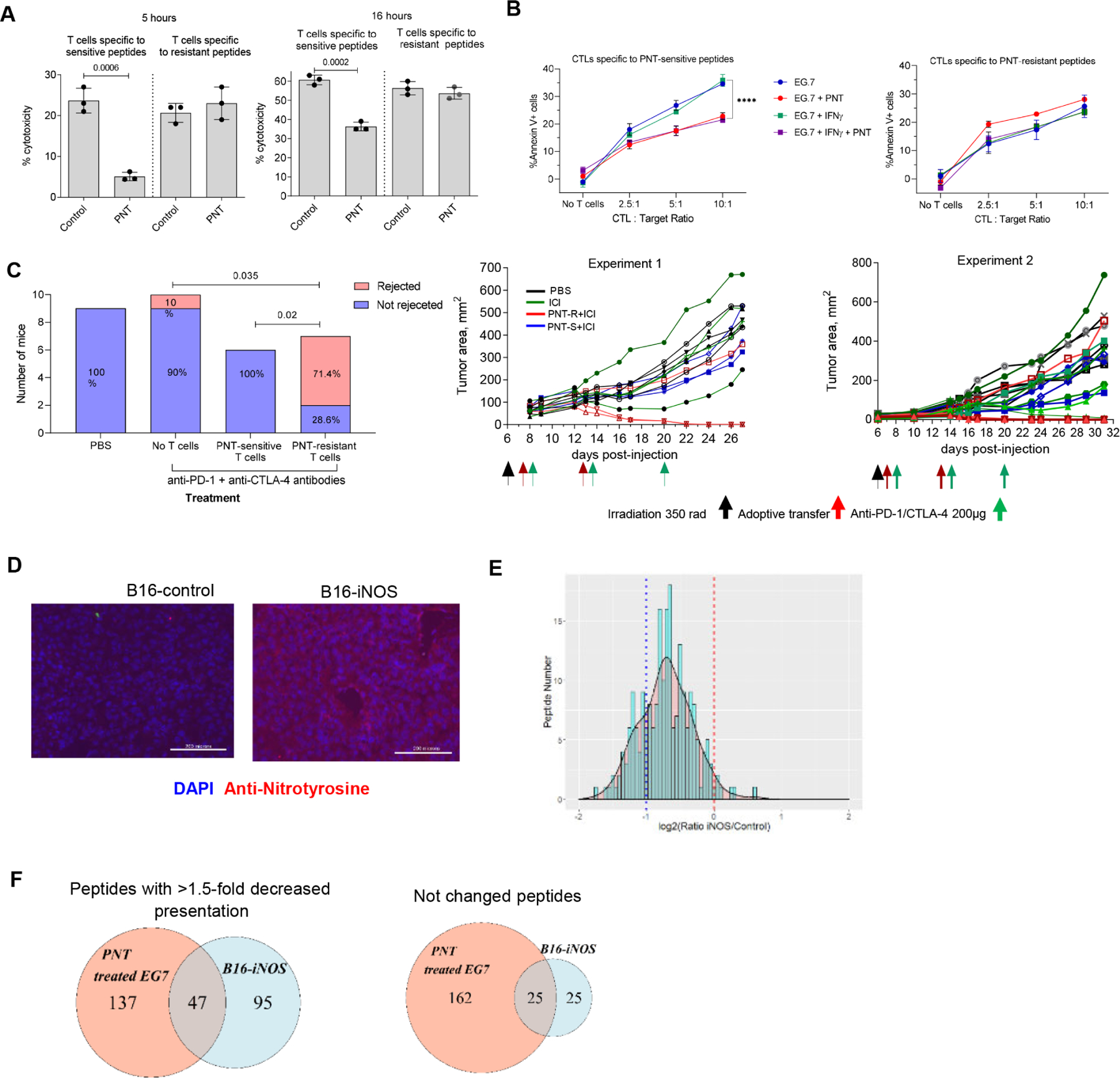
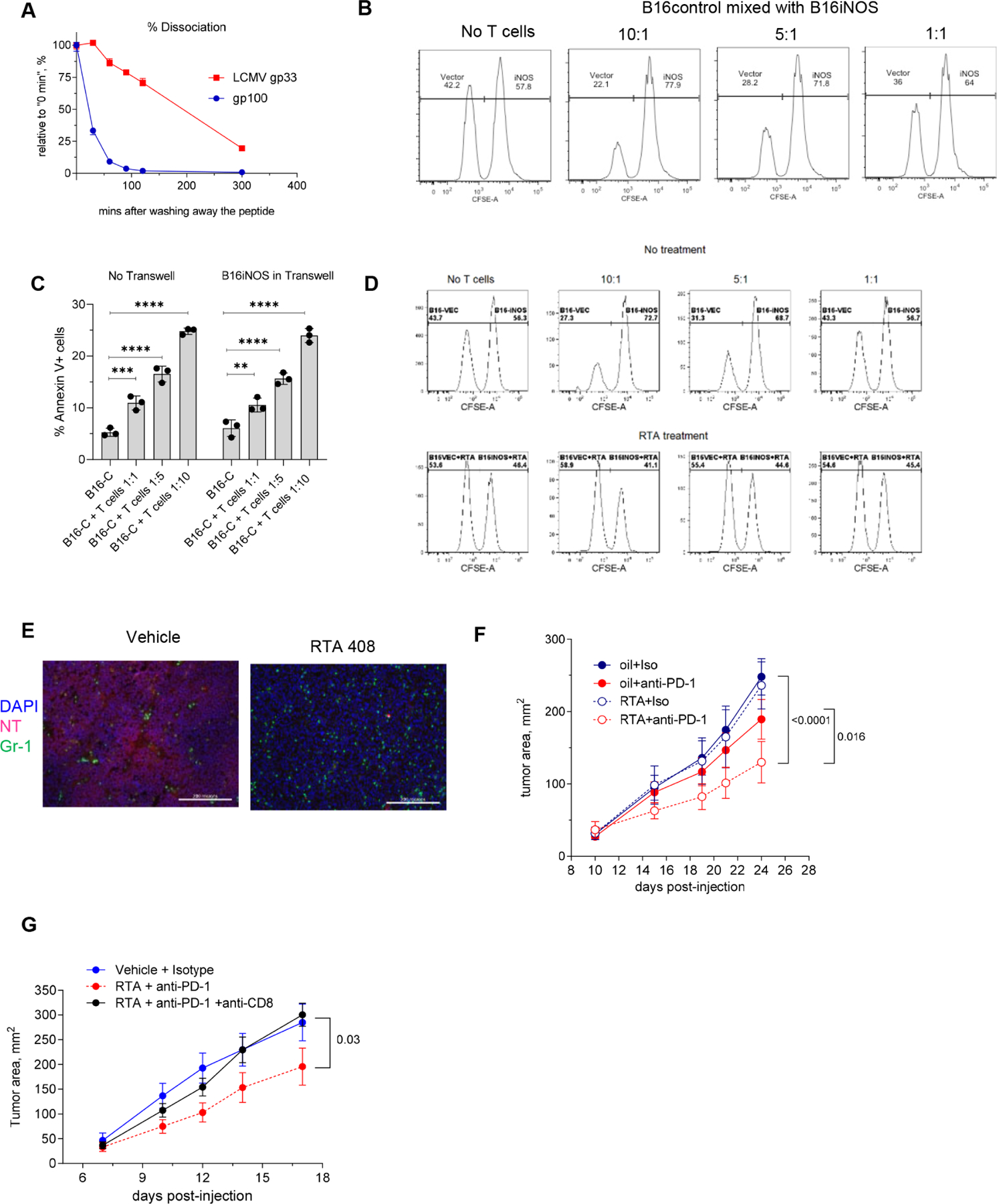
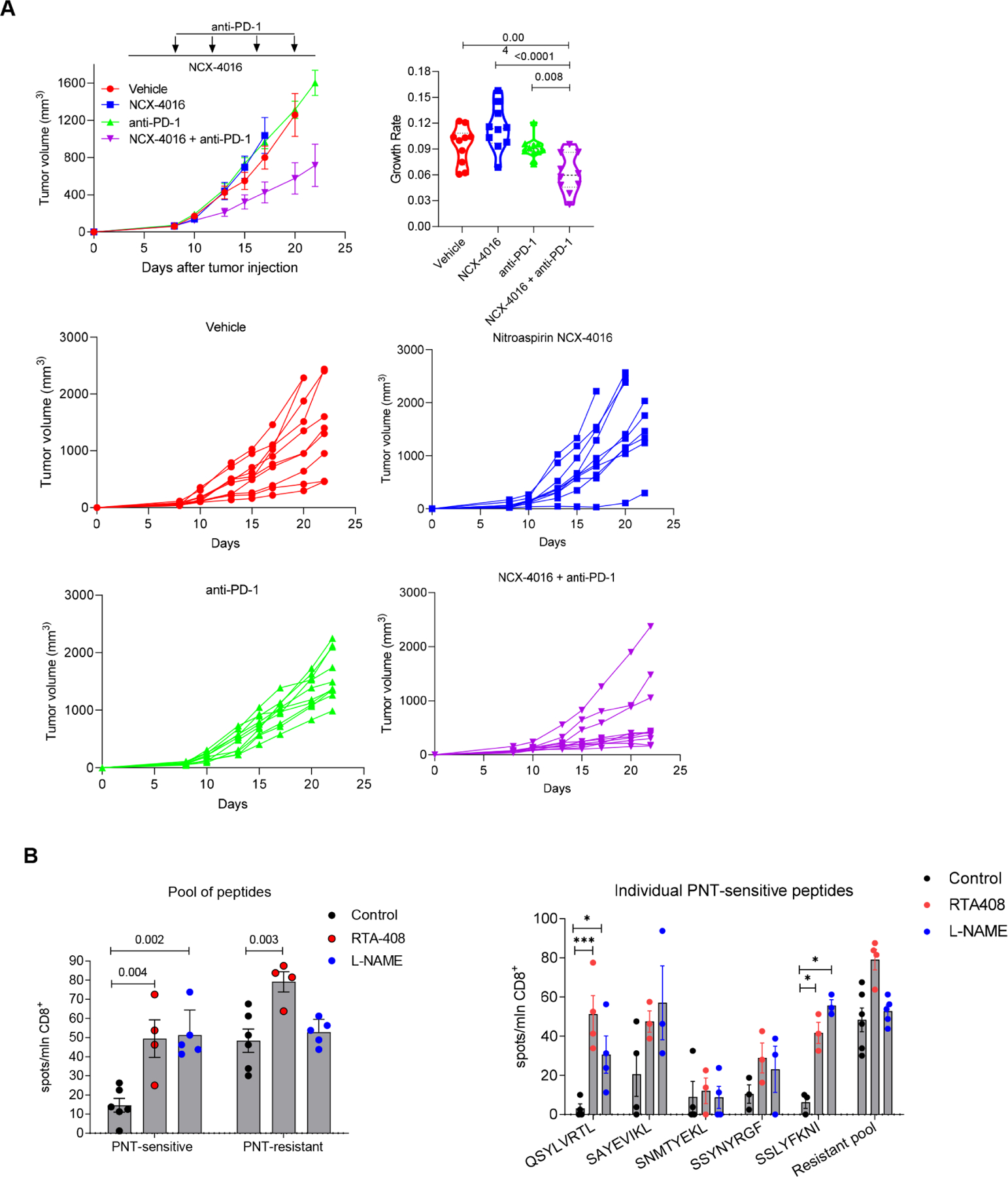
Cancer immunotherapy often depends on recognition of peptide epitopes by cytotoxic T lymphocytes (CTLs). The tumor microenvironment (TME) is enriched for peroxynitrite (PNT), a potent oxidant produced by infiltrating myeloid cells and some tumor cells. We demonstrate that PNT alters the profile of MHC class I bound peptides presented on tumor cells. Only CTLs specific for PNT-resistant peptides have a strong antitumor effect in vivo, whereas CTLs specific for PNT-sensitive peptides are not effective. Therapeutic targeting of PNT in mice reduces resistance of tumor cells to CTLs. Melanoma patients with low PNT activity in their tumors demonstrate a better clinical response to immunotherapy than patients with high PNT activity. Our data suggest that intratumoral PNT activity should be considered for the design of neoantigen-based therapy and also may be an important immunotherapeutic target.
癌症免疫疗法通常依赖于细胞毒性 T 淋巴细胞(CTL)对肽表位的识别。肿瘤微环境(TME)富含过氧亚硝酸盐(PNT),这是一种由浸润的髓样细胞和一些肿瘤细胞产生的强氧化剂。我们证明,PNT 改变了肿瘤细胞上结合的 MHC Ⅰ类肽的谱。只有针对 PNT 抗性肽的 CTL 在体内具有强烈的抗肿瘤作用,而针对 PNT 敏感肽的 CTL 则无效。在小鼠中靶向 PNT 治疗可降低肿瘤细胞对 CTL 的耐药性。肿瘤中 PNT 活性低的黑色素瘤患者对免疫疗法的临床反应优于 PNT 活性高的患者。我们的数据表明,应该考虑肿瘤内 PNT 活性来设计基于新抗原的治疗方法,并且它也可能是一个重要的免疫治疗靶点。