Department of Educational Sciences, University of Catania, via Biblioteca 4, 95124 Catania, Italy.
Department of Biomedical and Biotechnological Sciences, Section of Physiology, University of Catania, via S. Sofia 89, 95125 Catania, Italy.
Biosensors (Basel). 2022 Sep 30;12(10):811. doi: 10.3390/bios12100811.
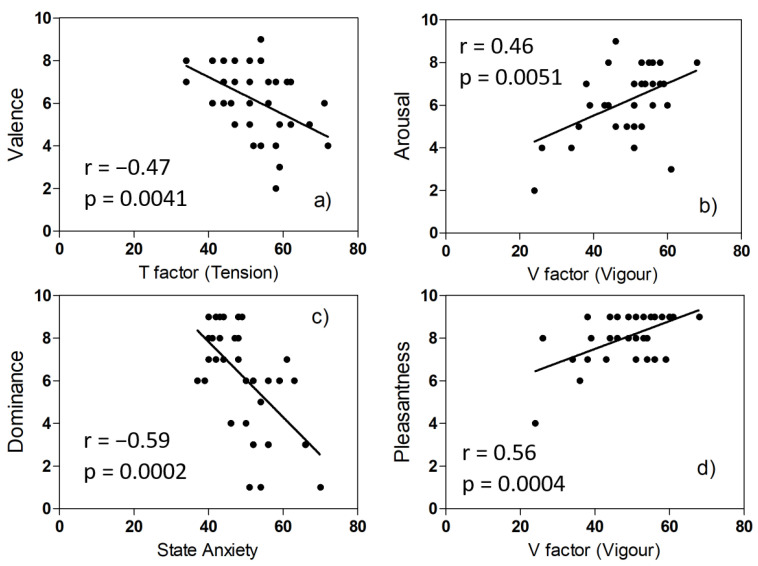
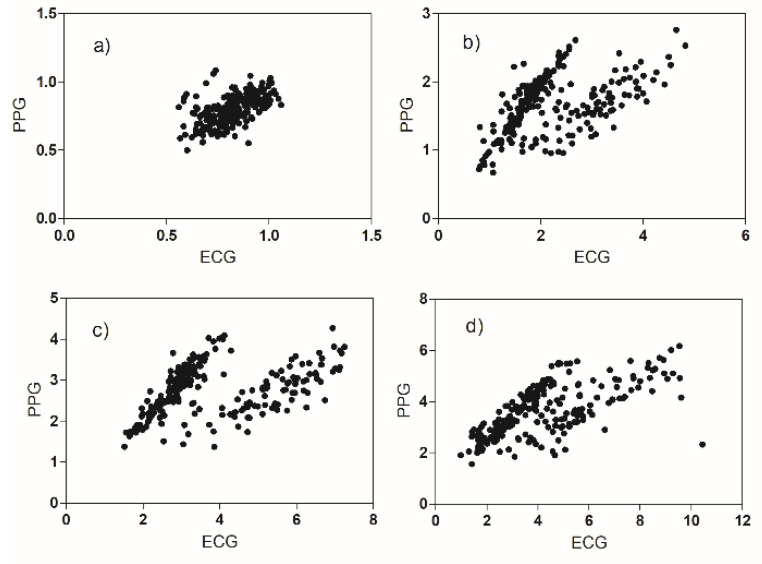
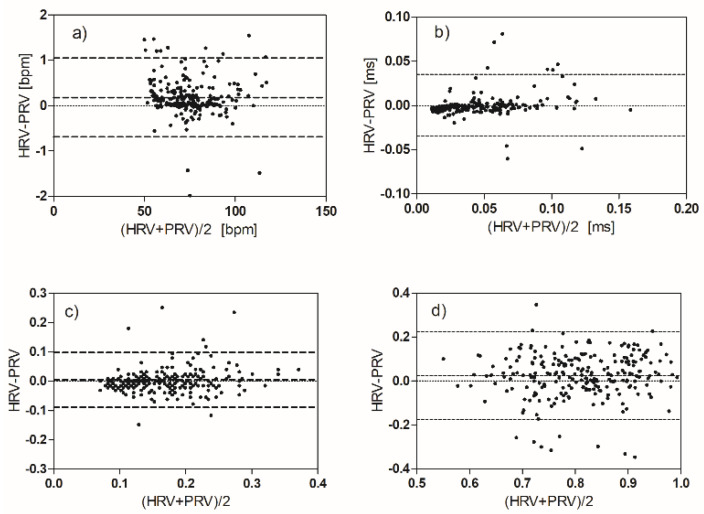
Automatically recognizing negative emotions, such as anger or stress, and also positive ones, such as euphoria, can contribute to improving well-being. In real-life, emotion recognition is a difficult task since many of the technologies used for this purpose in both laboratory and clinic environments, such as electroencephalography (EEG) and electrocardiography (ECG), cannot realistically be used. Photoplethysmography (PPG) is a non-invasive technology that can be easily integrated into wearable sensors. This paper focuses on the comparison between PPG and ECG concerning their efficacy in detecting the psychophysical and affective states of the subjects. It has been confirmed that the levels of accuracy in the recognition of affective variables obtained by PPG technology are comparable to those achievable with the more traditional ECG technology. Moreover, the affective psychological condition of the participants (anxiety and mood levels) may influence the psychophysiological responses recorded during the experimental tests.
自动识别负面情绪,如愤怒或压力,以及积极情绪,如欣快,可以有助于提高幸福感。在现实生活中,情绪识别是一项艰巨的任务,因为许多用于此目的的技术,如脑电图(EEG)和心电图(ECG),在实验室和临床环境中都无法实际使用。光电容积脉搏波(PPG)是一种非侵入性技术,可以很容易地集成到可穿戴传感器中。本文重点比较了 PPG 和 ECG 在检测受试者心理物理和情感状态方面的效果。已经证实,PPG 技术在识别情感变量方面的准确率与更传统的 ECG 技术相当。此外,参与者的情感心理状态(焦虑和情绪水平)可能会影响实验测试过程中记录的生理心理反应。