Nappi Francesco, Nappi Pierluigi, Gambardella Ivancarmine, Avtaar Singh Sanjeet Singh
Department of Cardiac Surgery, Centre Cardiologique du Nord, 93200 Saint-Denis, France.
Department of Clinical and Experimental Medicine, University of Messina, 98122 Messina, Italy.
Metabolites. 2022 Sep 22;12(10):889. doi: 10.3390/metabo12100889.
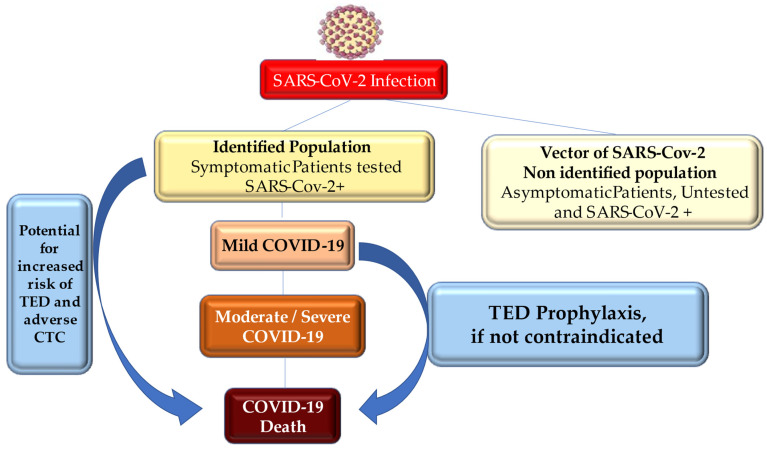
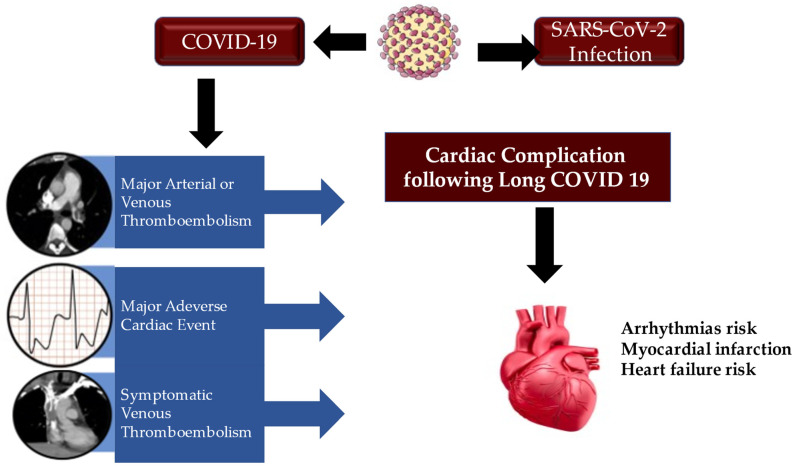
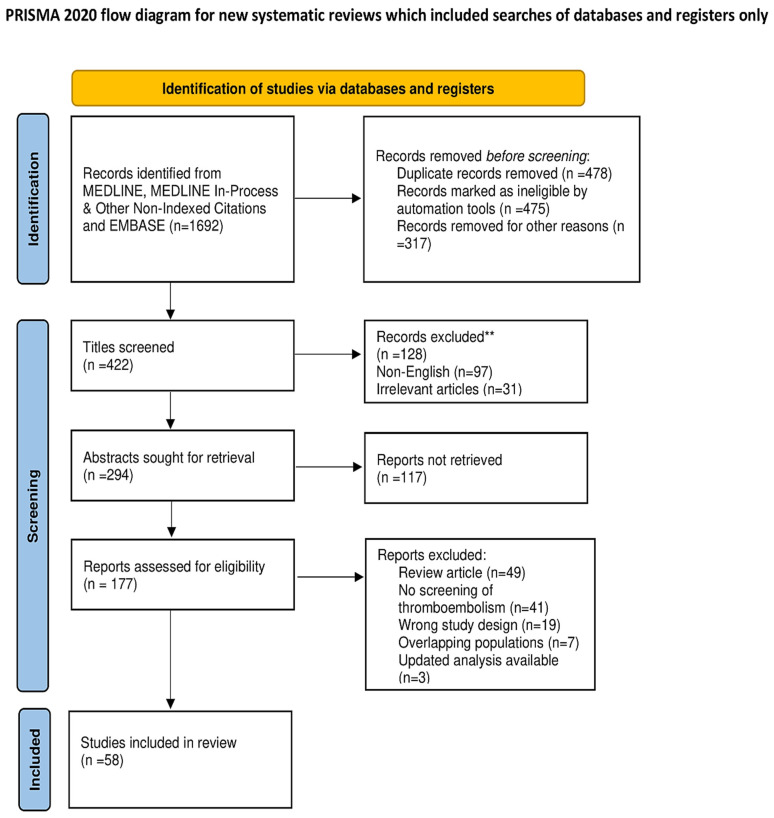
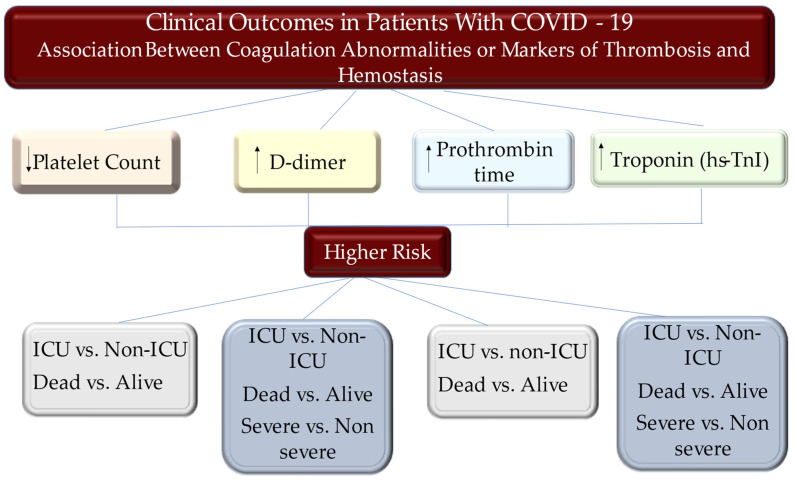
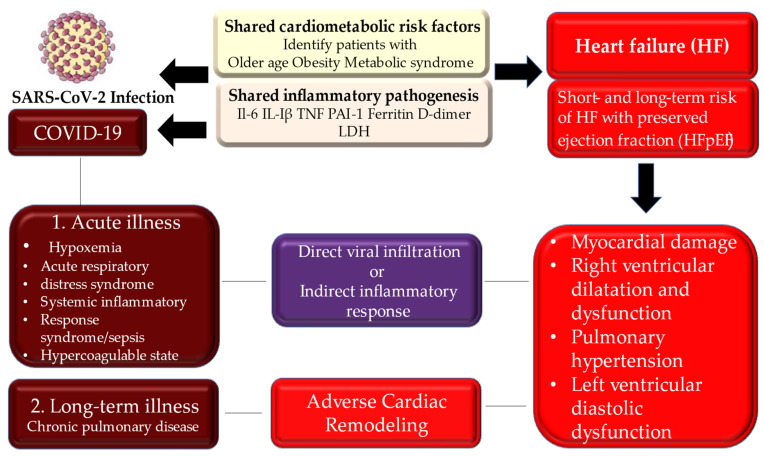
The coronavirus 2019 pandemic has affected many healthcare systems worldwide. While acute respiratory distress syndrome (ARDS) has been well-documented in COVID-19, there are several cardiovascular complications, such as myocardial infarction, ischaemic stroke, and pulmonary embolism, leading to disability and death. The link between COVID-19 and increasing thrombogenicity potentially occurs due to numerous different metabolic mechanisms, ranging from endothelial damage for direct virus infection, associated excessive formation of neutrophil extracellular traps (NETs), pathogenic activation of the renin-angiotensin-aldosterone system (RAAS), direct myocardial injury, and ischemia induced by respiratory failure, all of which have measurable biomarkers. A search was performed by interrogating three databases (MEDLINE; MEDLINE In-Process and Other Non-Indexed Citations, and EMBASE). Evidence from randomized controlled trials (RCT), prospective series, meta-analyses, and unmatched observational studies were evaluated for the processing of the algorithm and treatment of thromboembolic disease and cardiac thrombotic complications related to COVID-19 during SARS-CoV-2 infection. Studies out with the SARS-Cov-2 infection period and case reports were excluded. A total of 58 studies were included in this analysis. The role of the acute inflammatory response in the propagation of the systemic inflammatory sequelae of the disease plays a major part in determining thromboembolic disease and cardiac thrombotic complication in COVID-19. Some of the mechanisms of activation of these pathways, alongside the involved biomarkers noted in previous studies, are highlighted. Inflammatory response led to thromboembolic disease and cardiac thrombotic complications in COVID-19. NETs play a pivotal role in the pathogenesis of the inflammatory response. Despite moving into the endemic phase of the disease in most countries, thromboembolic complications in COVID-19 remain an entity that substantially impacts the health care system, with long-term effects that remain uncertain. Continuous monitoring and research are required.
2019年冠状病毒大流行已影响全球许多医疗系统。虽然急性呼吸窘迫综合征(ARDS)在新型冠状病毒肺炎(COVID-19)中已有充分记录,但还存在一些心血管并发症,如心肌梗死、缺血性中风和肺栓塞,可导致残疾和死亡。COVID-19与血栓形成增加之间的联系可能是由于多种不同的代谢机制引起的,从直接病毒感染导致的内皮损伤、相关的中性粒细胞胞外陷阱(NETs)过度形成、肾素-血管紧张素-醛固酮系统(RAAS)的致病性激活、直接心肌损伤以及呼吸衰竭引起的缺血,所有这些都有可测量的生物标志物。通过检索三个数据库(MEDLINE;MEDLINE在研及其他未索引引文,以及EMBASE)进行了一项研究。对随机对照试验(RCT)、前瞻性系列研究、荟萃分析和非匹配观察性研究的证据进行了评估,以处理与严重急性呼吸综合征冠状病毒2(SARS-CoV-2)感染期间COVID-19相关的血栓栓塞性疾病和心脏血栓并发症的算法及治疗。排除了SARS-CoV-2感染期以外的研究和病例报告。本分析共纳入58项研究。急性炎症反应在该疾病全身炎症后遗症的传播中所起的作用在确定COVID-19中的血栓栓塞性疾病和心脏血栓并发症方面起着主要作用。文中强调了这些途径激活的一些机制以及先前研究中提到的相关生物标志物。炎症反应导致了COVID-19中的血栓栓塞性疾病和心脏血栓并发症。NETs在炎症反应的发病机制中起关键作用。尽管大多数国家已进入该疾病的流行阶段,但COVID-19中的血栓栓塞并发症仍然是一个对医疗系统有重大影响的问题,其长期影响尚不确定。需要持续监测和研究。