Zhang Zhiyong, Zheng Yaojun, Chen Ying, Yin Yuxin, Chen Yuxi, Chen Qianyu, Hou Yayi, Shen Sunan, Lv Mingming, Wang Tingting
The State Key Laboratory of Pharmaceutical Biotechnology, Division of Immunology, Medical School, Nanjing University, Nanjing, 210093, China.
Jiangsu Key Laboratory of Molecular Medicine, Division of Immunology, Medical School, Nanjing University, Nanjing, 210093, China.
Exp Hematol Oncol. 2022 Nov 8;11(1):88. doi: 10.1186/s40164-022-00334-6.
Accumulating evidence implicates that gut fungi are associated with the pathogenesis of colorectal cancer (CRC). Our previous study has revealed that Candida tropicalis (C. tropicalis) promotes colorectal tumorigenesis by enhancing immunosuppressive function of myeloid-derived suppressor cells (MDSCs) and increasing accumulation of MDSCs, but the underlying mechanisms remain unestablished.
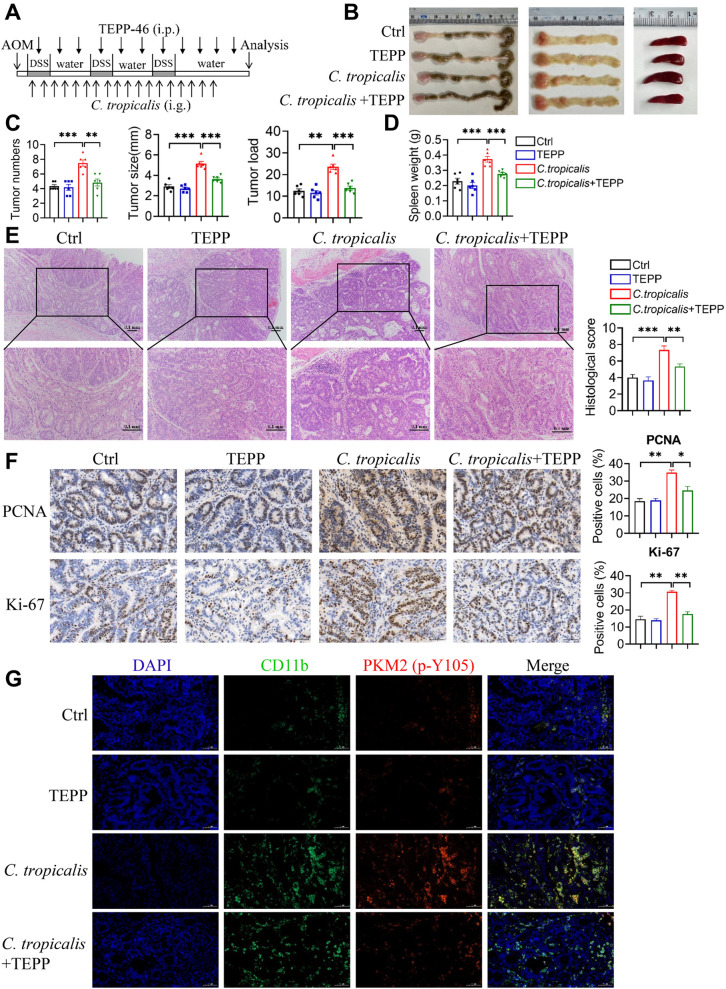
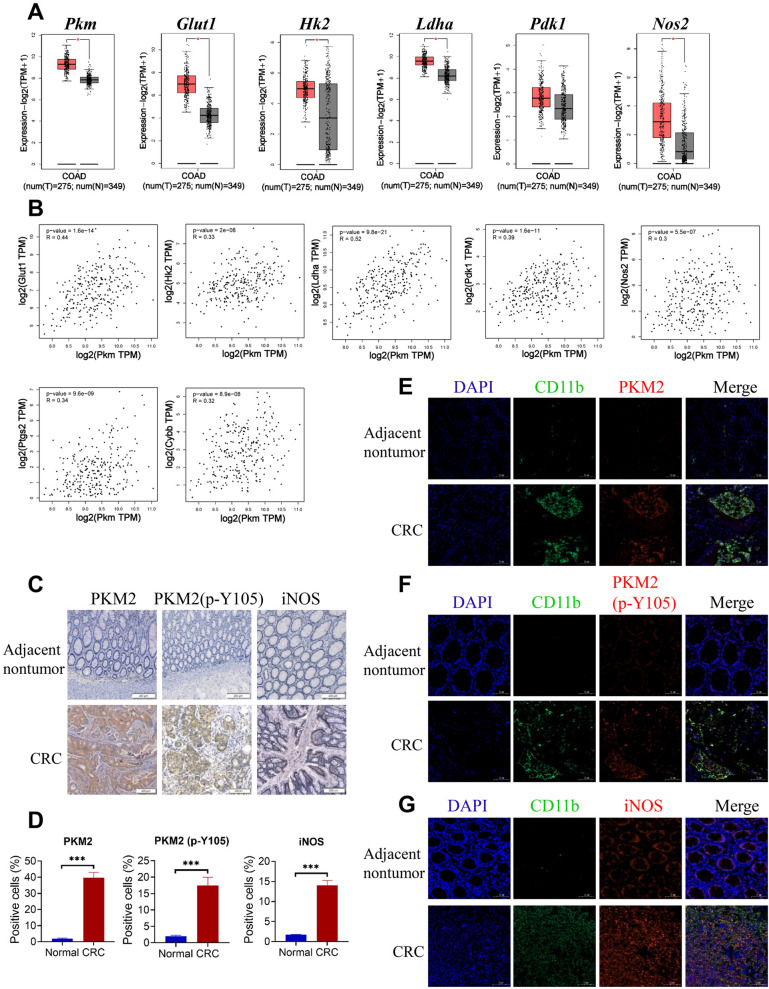
Bone marrow-derived MDSCs were stimulated with C. tropicalis. RNA-sequencing analysis was performed to screen the differentially expressed genes. Quantitative real-time PCR and western blot were used to measure the expression of related proteins. Co-culture assay of MDSCs and CD8 T cells was used to determine the immunosuppressive ability of MDSCs. Metabolomic analysis was conducted to detect metabolic reprogramming of MDSCs. Aerobic glycolysis of MDSCs was assessed by extracellular acidification rate (ECAR), glucose consumption and lactate production. A CAC mouse model was induced by AOM and DSS to determine the therapeutic action of TEPP-46. IHC and immunofluorescence were performed to examine the expression of PKM2, PKM2 (p-Y105) and iNOS in human CRC-infiltrated MDSCs.
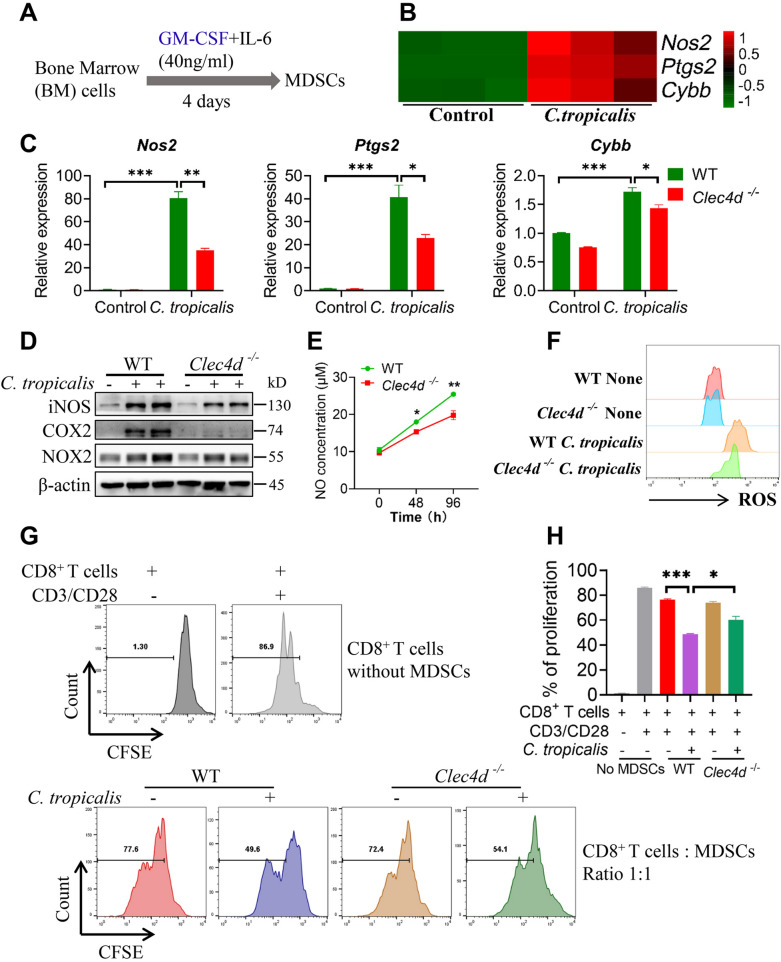
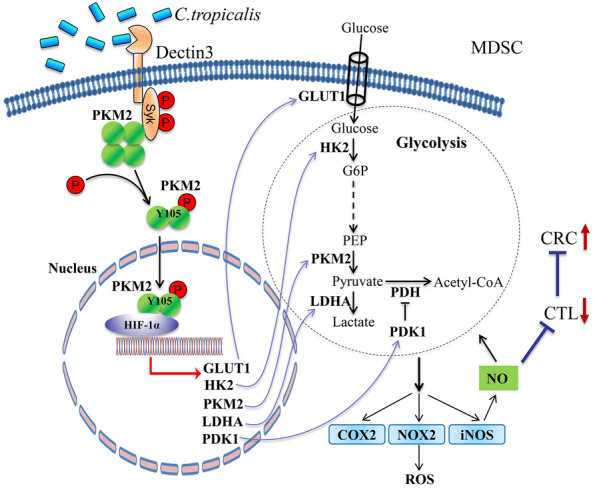
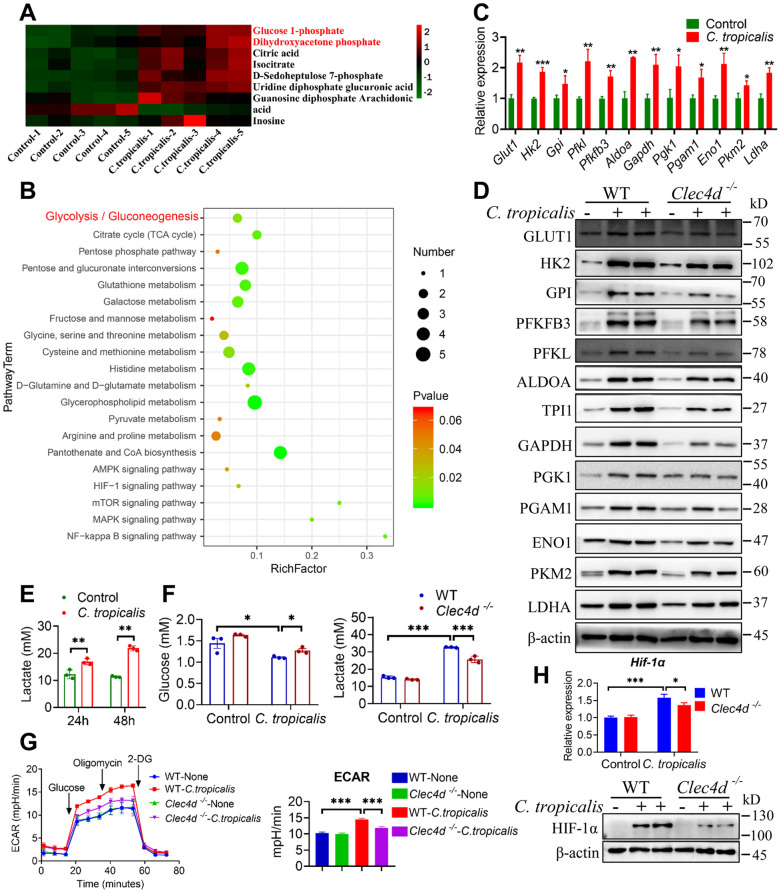
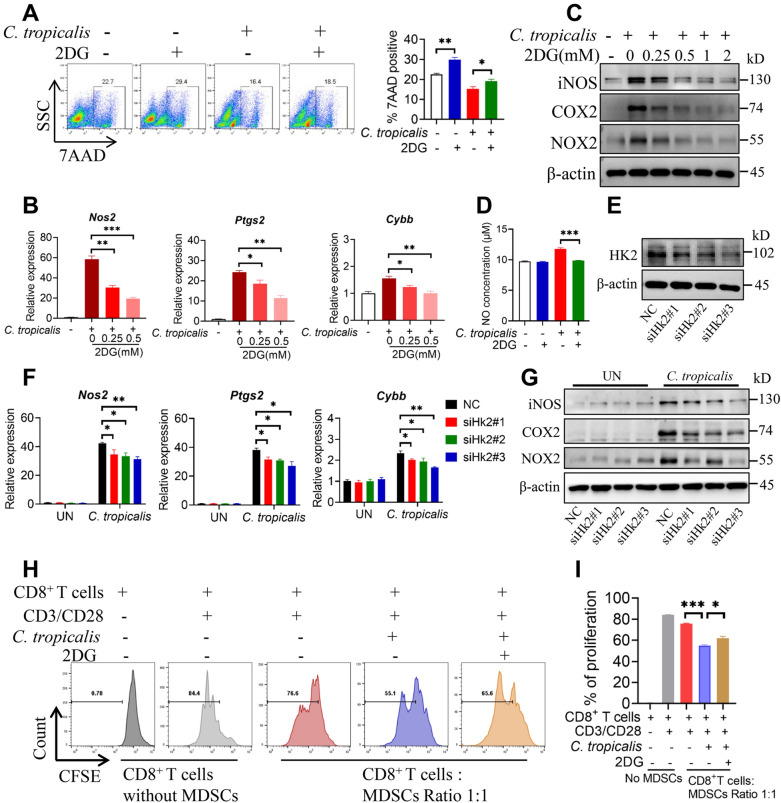
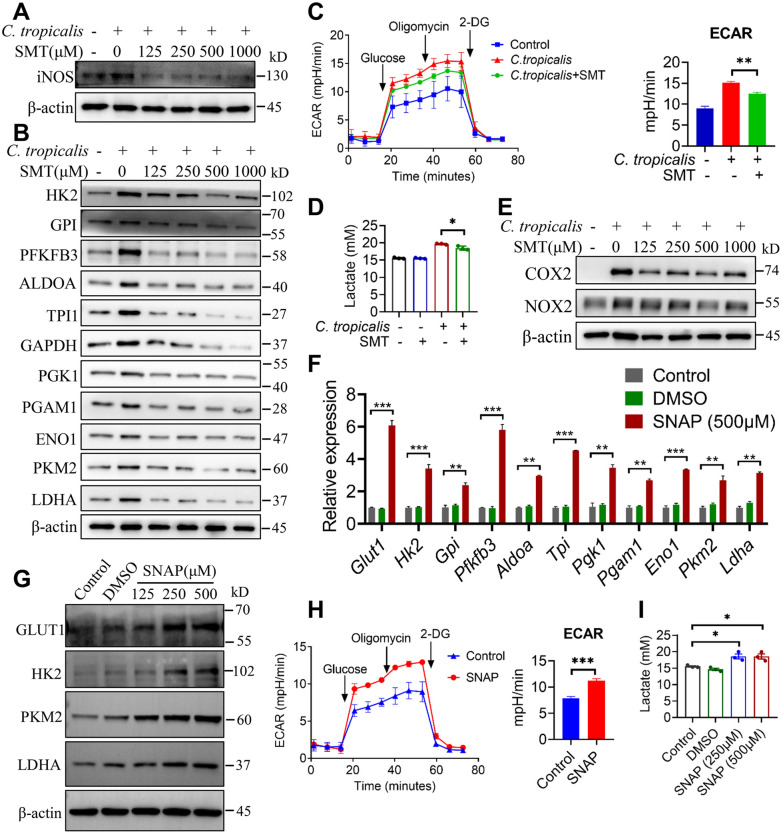
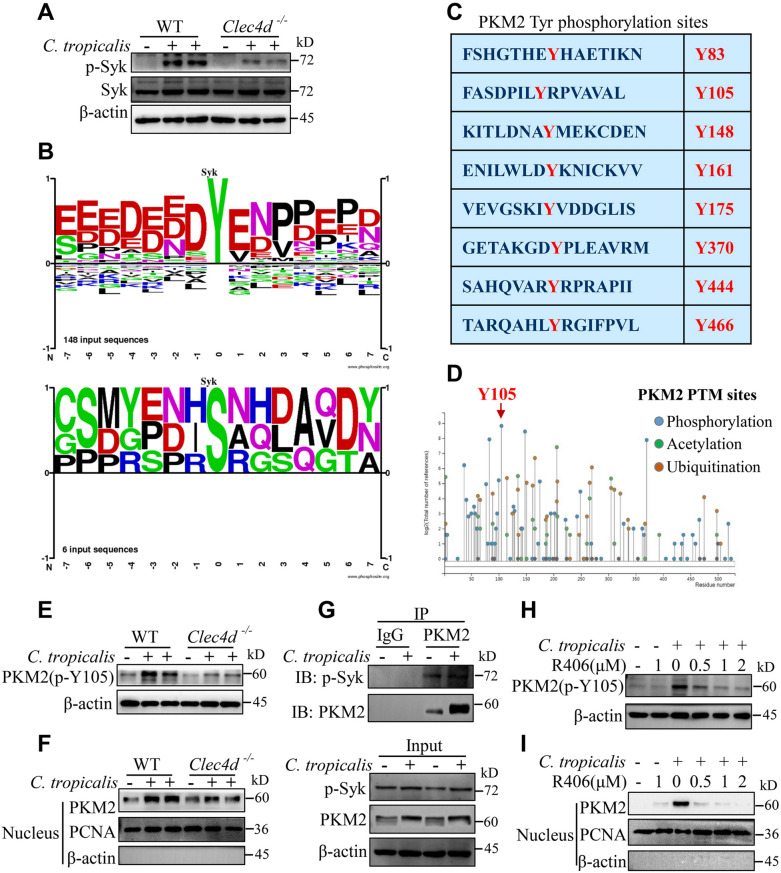
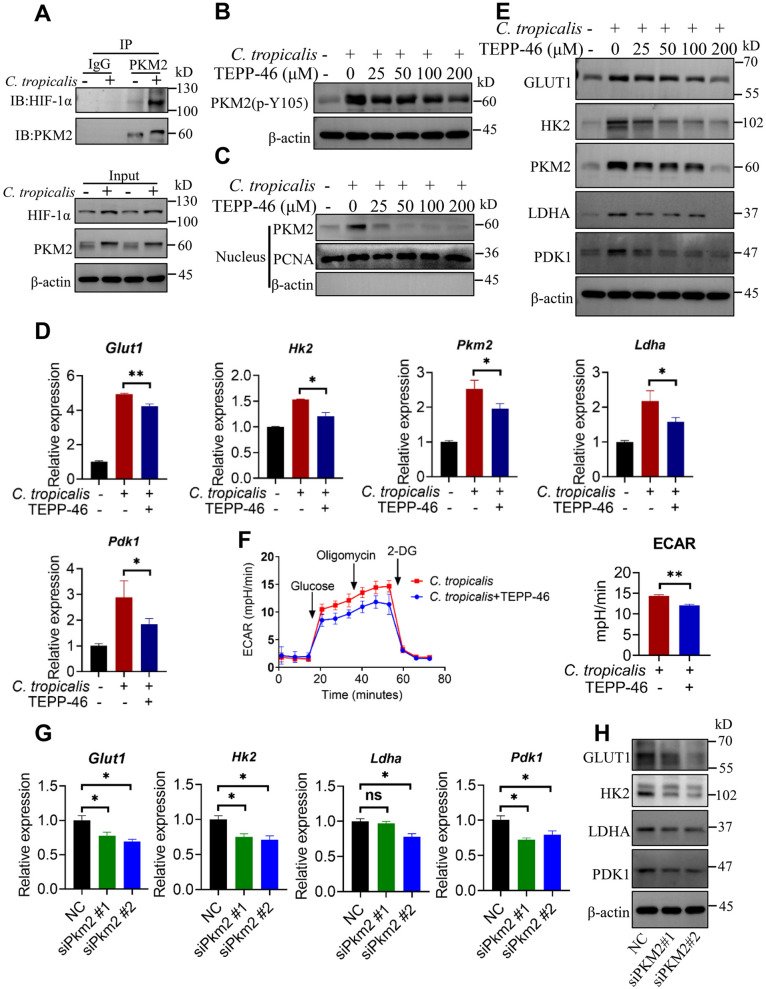
C. tropicalis facilitates immunosuppressive function of MDSCs by increasing the expression of iNOS, COX2 and NOX2, production of nitric oxide (NO) and reactive oxygen species (ROS). Mechanistically, C. tropicalis facilitates the immunosuppressive function of MDSCs through the C-type lectin receptors Dectin-3 and Syk. C. tropicalis-enhanced immunosuppressive function of MDSCs is further dependent on aerobic glycolysis. On the one hand, NO produced by MDSCs enhanced aerobic glycolysis in a positive feedback manner. On the other hand, C. tropicalis promotes p-Syk binding to PKM2, which results in PKM2 Tyr105 phosphorylation and PKM2 nuclear translocation in MDSCs. Nuclear PKM2 interacts with HIF-1α and subsequently upregulates the expression of HIF-1α target genes encoding glycolytic enzymes, GLUT1, HK2, PKM2, LDHA and PDK1, which are required for the C. tropicalis-induced aerobic glycolysis of MDSCs. Blockade of PKM2 nuclear translocation attenuates C. tropicalis-mediated colorectal tumorigenesis. The high expression of PKM2, PKM2 (p-Y105) and iNOS in CRC-infiltrated MDSCs correlates with the development of human CRC.
C. tropicalis enhances immunosuppressive function of MDSCs via Syk-PKM2-HIF-1α-glycolysis signaling axis, which drives CRC. Therefore, we identify the Syk-PKM2-HIF-1α-glycolysis signaling axis as a potential therapeutic target for CRC.
越来越多的证据表明肠道真菌与结直肠癌(CRC)的发病机制有关。我们之前的研究表明热带念珠菌(C. tropicalis)通过增强髓源性抑制细胞(MDSCs)的免疫抑制功能和增加MDSCs的积累来促进结直肠癌的发生,但潜在机制仍未明确。
用热带念珠菌刺激骨髓来源的MDSCs。进行RNA测序分析以筛选差异表达基因。采用定量实时PCR和蛋白质印迹法检测相关蛋白的表达。通过MDSCs与CD8 T细胞的共培养试验来确定MDSCs的免疫抑制能力。进行代谢组学分析以检测MDSCs的代谢重编程。通过细胞外酸化率(ECAR)、葡萄糖消耗和乳酸产生来评估MDSCs的有氧糖酵解。用氧化偶氮甲烷(AOM)和葡聚糖硫酸钠(DSS)诱导建立CRC小鼠模型,以确定TEPP - 46的治疗作用。进行免疫组化(IHC)和免疫荧光检测,以检查人CRC浸润的MDSCs中丙酮酸激酶M2(PKM2)、磷酸化PKM2(p - Y105)和诱导型一氧化氮合酶(iNOS)的表达。
热带念珠菌通过增加iNOS、COX2和NOX2的表达、一氧化氮(NO)和活性氧(ROS)的产生来促进MDSCs的免疫抑制功能。机制上,热带念珠菌通过C型凝集素受体Dectin - 3和脾酪氨酸激酶(Syk)促进MDSCs的免疫抑制功能。热带念珠菌增强的MDSCs免疫抑制功能进一步依赖于有氧糖酵解。一方面,MDSCs产生的NO以正反馈方式增强有氧糖酵解。另一方面,热带念珠菌促进p - Syk与PKM2结合,导致PKM2酪氨酸105位点磷酸化以及PKM2在MDSCs中的核转位。核内PKM2与缺氧诱导因子 - 1α(HIF - 1α)相互作用,随后上调编码糖酵解酶的HIF - 1α靶基因(葡萄糖转运蛋白1(GLUT1)、己糖激酶2(HK2)、PKM2、乳酸脱氢酶A(LDHA)和丙酮酸脱氢酶激酶1(PDK1))的表达,这些基因是热带念珠菌诱导MDSCs有氧糖酵解所必需的。阻断PKM2核转位可减弱热带念珠菌介导的结直肠癌发生。CRC浸润的MDSCs中PKM2、p - Y105 - PKM2和iNOS的高表达与人类CRC的发展相关。
热带念珠菌通过Syk - PKM2 - HIF - 1α - 糖酵解信号轴增强MDSCs的免疫抑制功能,从而驱动CRC。因此,我们确定Syk - PKM2 - HIF - 1α - 糖酵解信号轴为CRC的潜在治疗靶点。