Silva Sara, Costa Eduardo M, Machado Manuela, Morais Rui, Calhau Conceição, Pintado Manuela
CBQF-Centro de Biotecnologia e Química Fina-Laboratório Associado, Escola Superior de Biotecnologia, Universidade Católica Portuguesa, Rua Diogo Botelho 1327, 4169-005 Porto, Portugal.
Nutrição e Metabolismo, NOVA Medical School, Universidade Nova de Lisboa, Campo dos Mártires da Pátria, 130, 1169-056 Lisboa, Portugal.
Metabolites. 2022 Nov 3;12(11):1062. doi: 10.3390/metabo12111062.
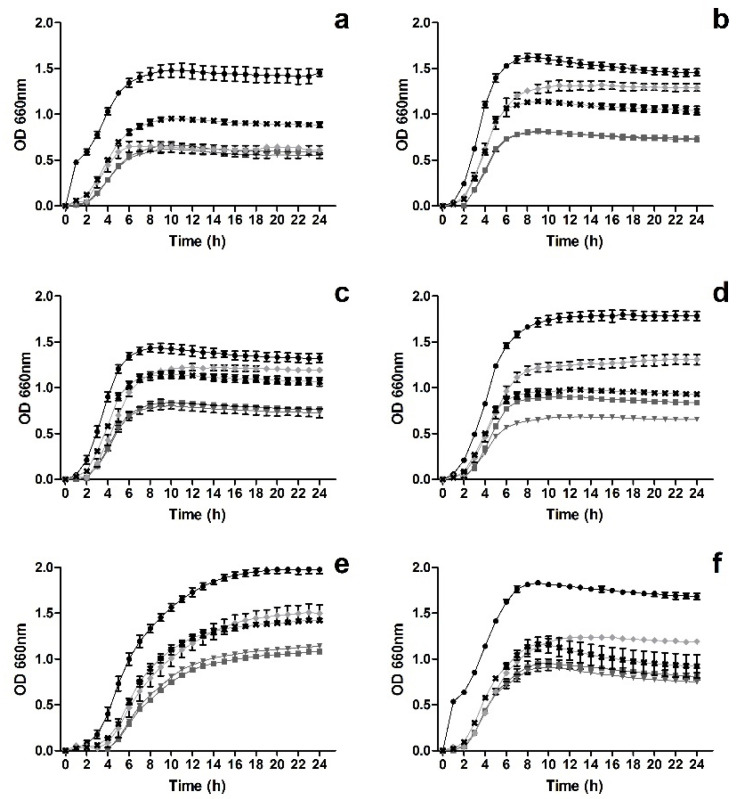
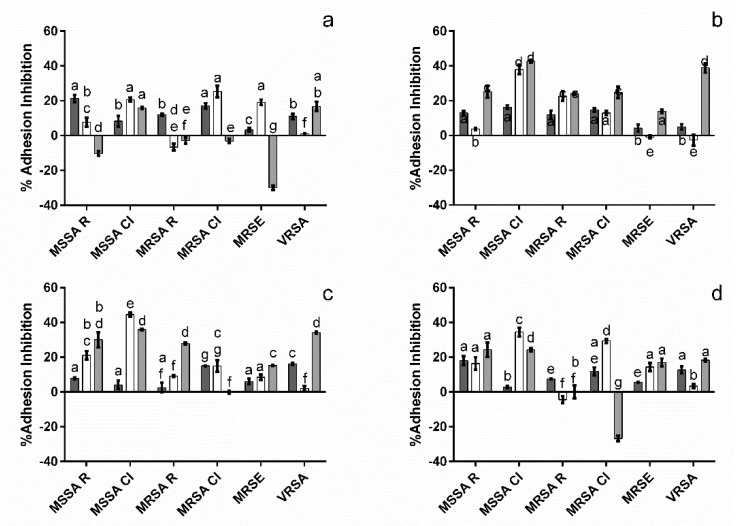
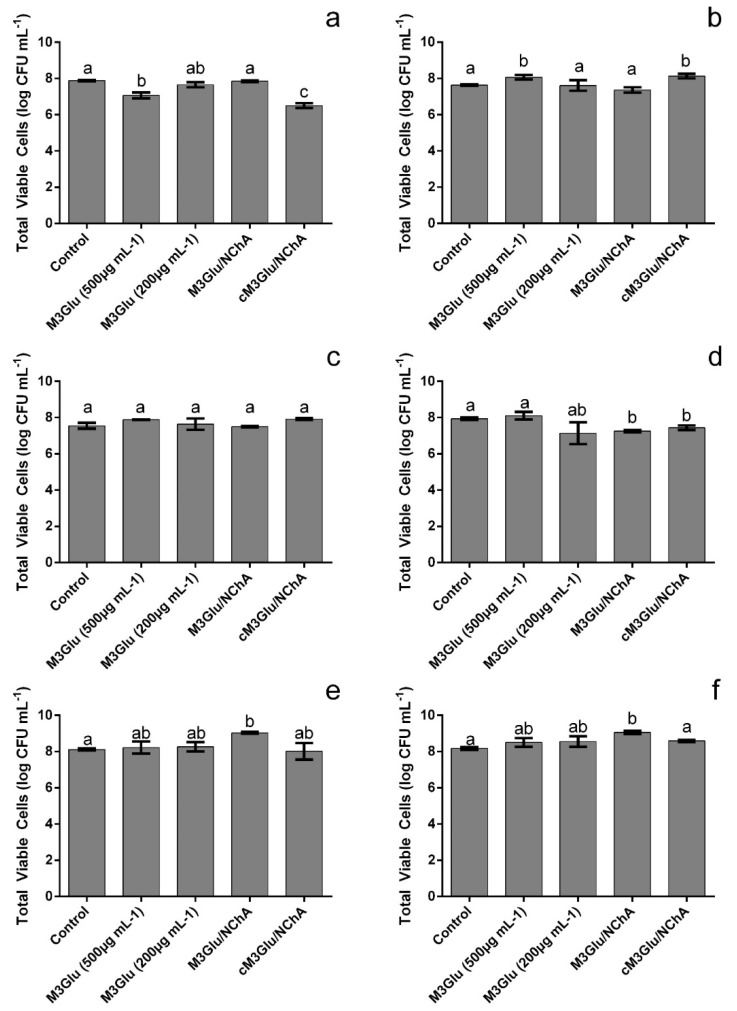
Several reports on the biological activity of anthocyanin-rich extracts have been made. However, despite the association of said activity with their anthocyanin content, to the best of our knowledge, there are no previous works regarding the antimicrobial, antibiofilm and/or antiadhesive properties of anthocyanins alone. Therefore, the present work aimed to determine the effects of malvidin-3-glucoside, a major component of a previously reported extract, and the impact of its association with neochlorogenic acid (the only non-anthocyanin phenolic present in said extract), upon several strains with varying resistance profiles. Results show that, while malvidin-3-glucoside and malvidin-3-glucoside/neochlorogenic acid mixtures were unable to considerably inhibit bacterial growth after 24 h, they still possessed an interesting antibiofilm activity (with reductions of biofilm entrapped cells up to 2.5 log cycles, metabolic inhibition rates up to 81% and up to 51% of biomass inhibition). When considering the bacteria's capacity to adhere to plain polystyrene surfaces, the inhibition ranges were considerably lower (21% maximum value). However, when considering polystyrene surfaces coated with plasmatic proteins this value was considerably higher (45% for adhesion in the presence of extract and 39% for adhesion after the surface was exposed to extract). Overall, the studied anthocyanins showed potential as future alternatives to traditional antimicrobials in adhesion and biofilm formation prevention.
已经有几篇关于富含花青素提取物的生物活性的报道。然而,尽管上述活性与其花青素含量有关,但据我们所知,以前尚无关于单独花青素的抗菌、抗生物膜和/或抗粘附特性的研究。因此,本研究旨在确定先前报道的提取物中的主要成分矢车菊素 - 3 - 葡萄糖苷的作用,以及它与新绿原酸(该提取物中唯一的非花青素酚类物质)结合后的影响,研究对象为几种具有不同耐药性的菌株。结果表明,虽然矢车菊素 - 3 - 葡萄糖苷以及矢车菊素 - 3 - 葡萄糖苷/新绿原酸混合物在24小时后无法显著抑制细菌生长,但它们仍具有有趣的抗生物膜活性(生物膜包埋细胞减少高达2.5个对数周期,代谢抑制率高达81%,生物量抑制率高达51%)。在考虑细菌粘附到普通聚苯乙烯表面的能力时,抑制范围要低得多(最大值为21%)。然而,当考虑涂有血浆蛋白的聚苯乙烯表面时,该值要高得多(提取物存在时粘附的抑制率为45%,表面暴露于提取物后粘附的抑制率为39%)。总体而言,所研究的花青素在预防粘附和生物膜形成方面显示出作为传统抗菌剂未来替代品的潜力。