Nagaraj Anushree, Etxeberria Alaitz Etxabide, Naffa Rafea, Zidan Ghada, Seyfoddin Ali
Drug Delivery Research Group, School of Science, Auckland University of Technology, Auckland 1010, New Zealand.
BIOMAT Research Group, University of the Basque Country (UPV/EHU), Escuela de Ingeniería de Gipuzkoa, Plaza de Europa 1, 20018 Donostia-San Sebastián, Spain.
Biology (Basel). 2022 Oct 25;11(11):1561. doi: 10.3390/biology11111561.
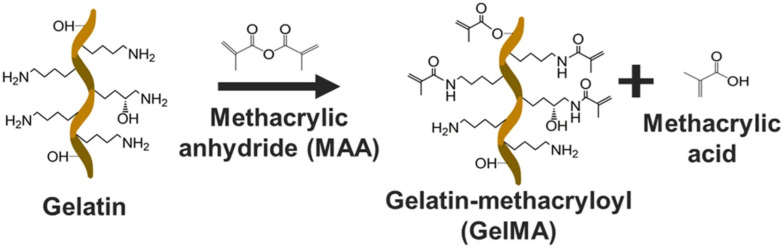
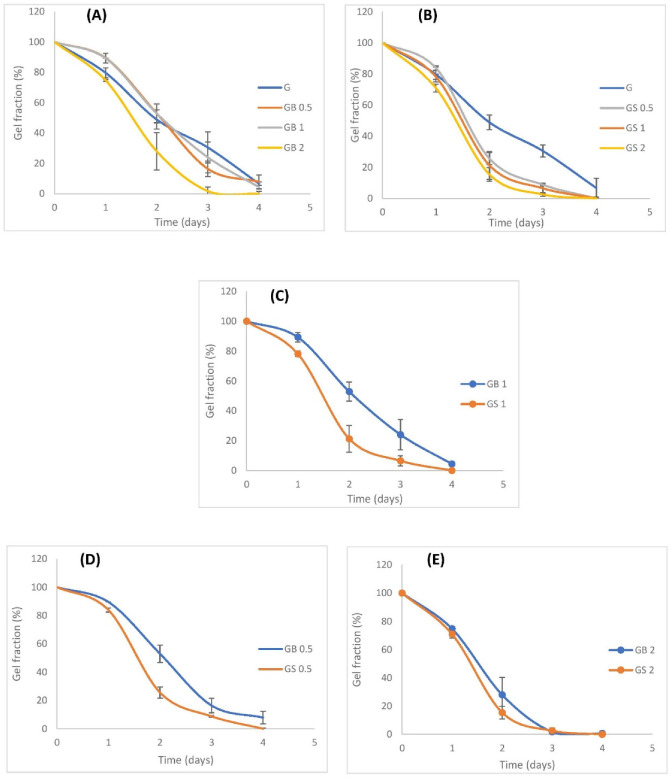
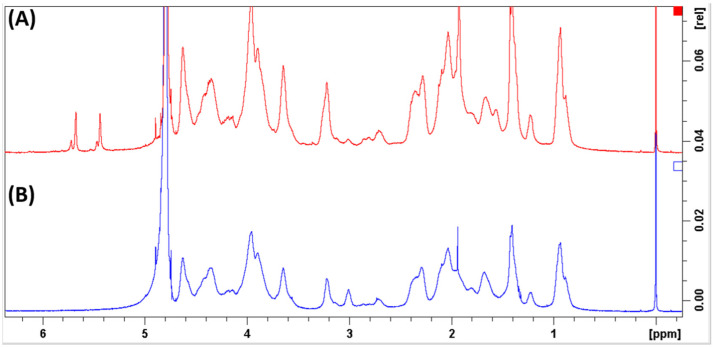
Bioprinting is an emerging technology involved in the fabrication of three-dimensional tissue constructs for the repair and regeneration of various tissues and organs. Collagen, a natural protein found abundantly in the extracellular matrix of several tissues, can be extracted from collagen-rich tissues of animals such as sheep, cows, rats, pigs, horses, birds, and marine animals. However, due to the poor printability of collagen bioinks, biocompatible collagen scaffolds that mimic the extracellular matrix (ECM) are difficult to fabricate using bioprinting techniques. Gelatin methacrylate (GelMA), a semi-synthetic polymer with tunable physical and chemical properties, has been found to be a promising biomaterial in various bioprinting applications. The printability of collagen can be improved by combining it with semi-synthetic polymers such as GelMA to develop hybrid hydrogels. Such hybrid hydrogels printed have also been identified to have enhanced mechanical properties. Hybrid GelMA meshes have not previously been prepared with collagen from ovine sources. This study provides a novel comparison between the properties of hybrid meshes with ovine skin and bovine hide collagen. GelMA (8% ) was integrated with three different concentrations (0.5%, 1%, and 2%) of bovine and ovine collagen forming hybrid hydrogels inks that were printed into meshes with enhanced properties. The maximum percentage of collagen suitable for integration with GelMA, forming hybrid hydrogels with a stable degradation rate was 1%. The water-soluble nature of ovine collagen promoted faster degradation of the hybrid meshes, although the structural crosslinking was identified to be higher than bovine hybrid meshes. The 1% bovine collagen hybrid meshes stood out in terms of their stable degradation rates.
生物打印是一项新兴技术,涉及制造用于各种组织和器官修复与再生的三维组织构建体。胶原蛋白是一种在多种组织的细胞外基质中大量存在的天然蛋白质,可以从绵羊、牛、大鼠、猪、马、鸟类和海洋动物等动物富含胶原蛋白的组织中提取。然而,由于胶原蛋白生物墨水的可打印性较差,使用生物打印技术难以制造出模仿细胞外基质(ECM)的生物相容性胶原蛋白支架。甲基丙烯酸明胶(GelMA)是一种具有可调节物理和化学性质的半合成聚合物,已被发现在各种生物打印应用中是一种有前途的生物材料。通过将胶原蛋白与GelMA等半合成聚合物结合以开发混合水凝胶,可以提高胶原蛋白的可打印性。已确定打印出的此类混合水凝胶具有增强的机械性能。以前尚未用绵羊来源的胶原蛋白制备混合GelMA网片。本研究对含绵羊皮肤和牛皮胶原蛋白的混合网片的性能进行了新颖的比较。将8%的GelMA与三种不同浓度(0.5%、1%和2%)的牛和绵羊胶原蛋白整合,形成混合水凝胶墨水,并打印成具有增强性能的网片。适合与GelMA整合形成具有稳定降解速率的混合水凝胶的胶原蛋白的最大百分比为1%。绵羊胶原蛋白的水溶性促进了混合网片更快的降解,尽管已确定其结构交联高于牛混合网片。1%牛胶原蛋白混合网片在其稳定的降解速率方面表现突出。