Schmitt Phillip R, Dwyer Kiera D, Minor Alicia J, Coulombe Kareen L K
Center for Biomedical Engineering, School of Engineering, Brown University, Providence, RI 02912, USA.
Polymers (Basel). 2022 Oct 28;14(21):4571. doi: 10.3390/polym14214571.
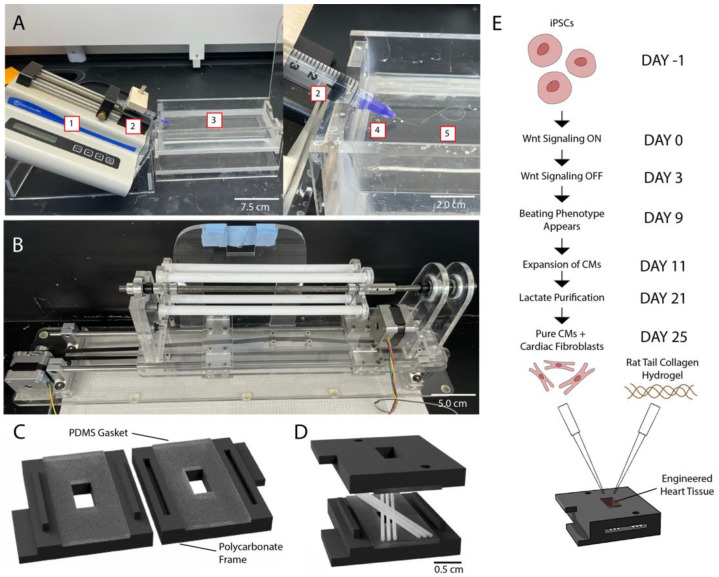
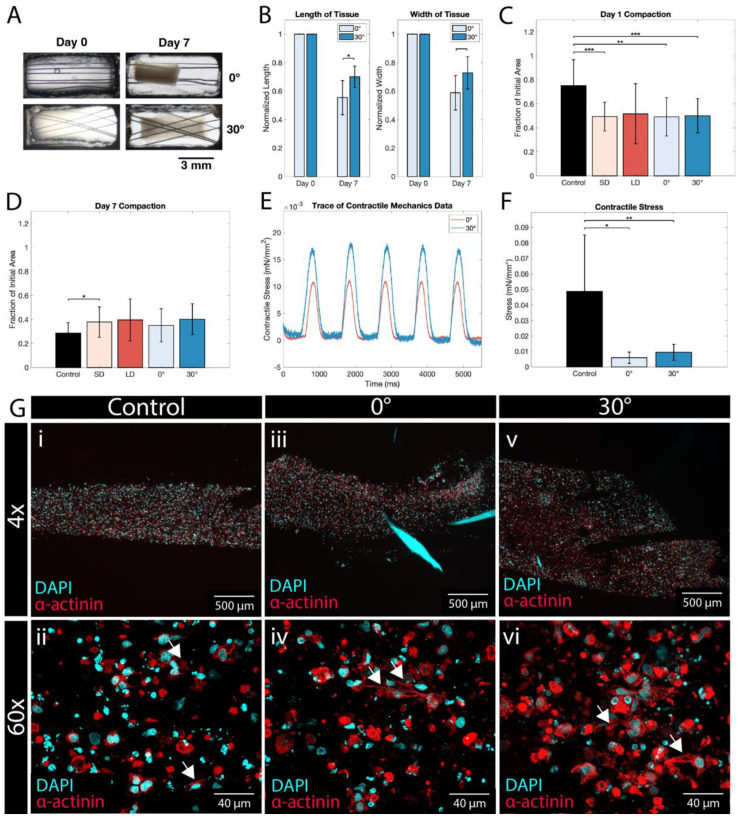
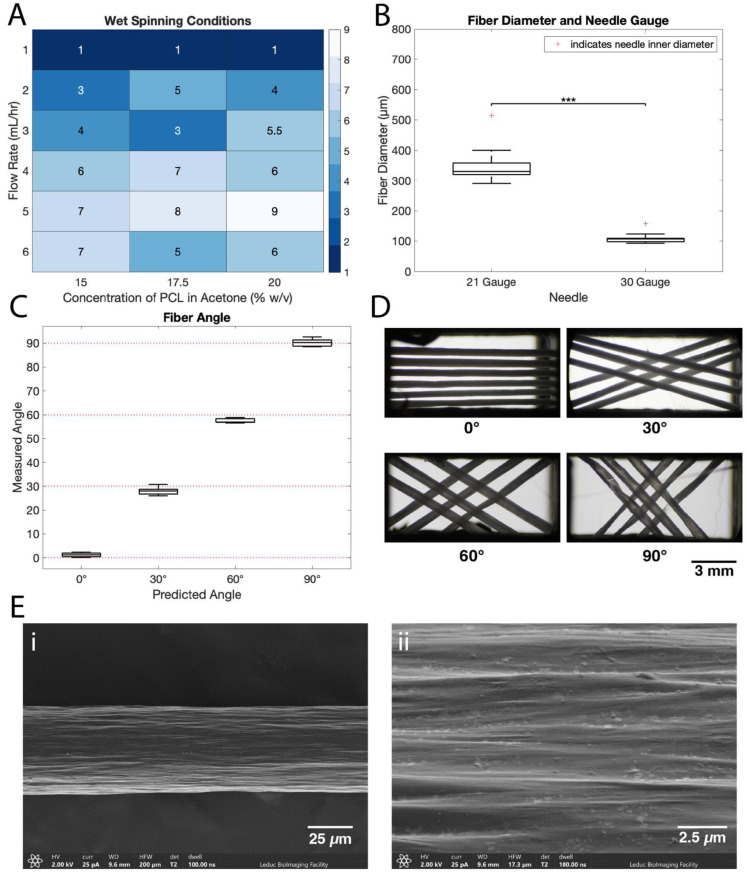
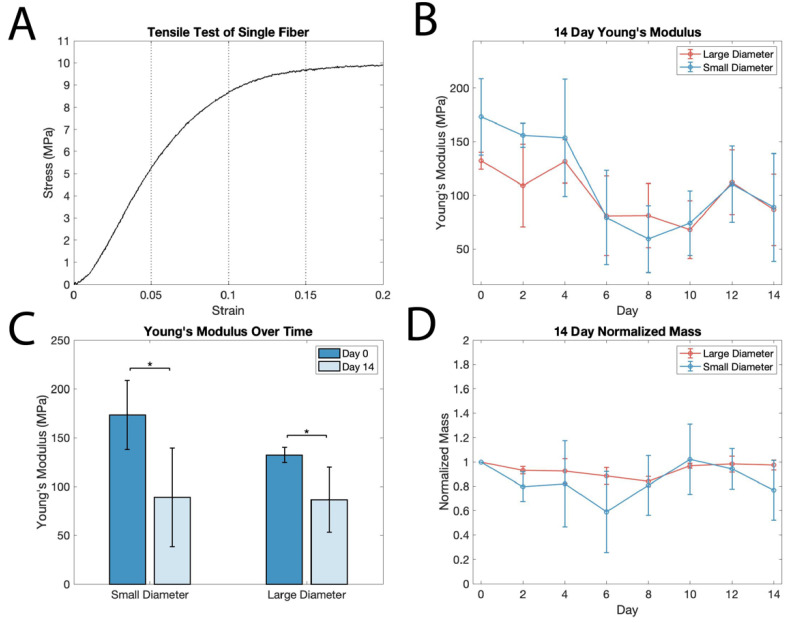
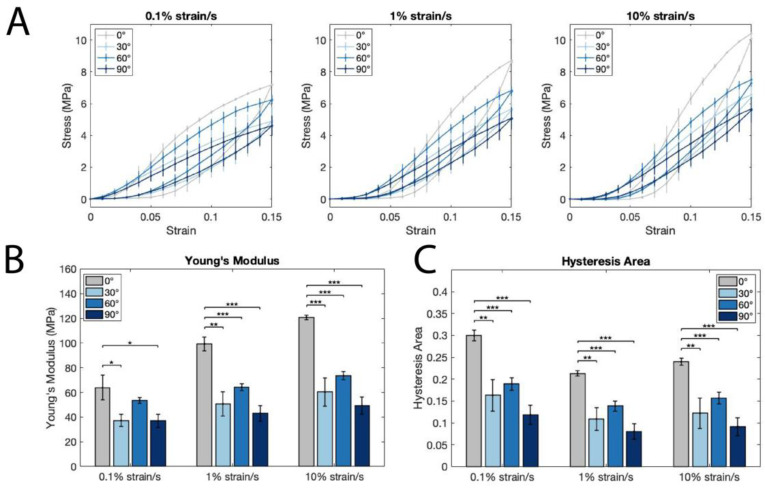
Myocardial infarction is a leading cause of death worldwide and has severe consequences including irreversible damage to the myocardium, which can lead to heart failure. Cardiac tissue engineering aims to re-engineer the infarcted myocardium using tissues made from human-induced pluripotent stem cell-derived cardiomyocytes (hiPSC-CMs) to regenerate heart muscle and restore contractile function via an implantable epicardial patch. The current limitations of this technology include both biomanufacturing challenges in maintaining tissue integrity during implantation and biological challenges in inducing cell alignment, maturation, and coordinated electromechanical function, which, when overcome, may be able to prevent adverse cardiac remodeling through mechanical support in the injured heart to facilitate regeneration. Polymer scaffolds serve to mechanically reinforce both engineered and host tissues. Here, we introduce a novel biodegradable, customizable scaffold composed of wet-spun polycaprolactone (PCL) microfibers to strengthen engineered tissues and provide an anisotropic mechanical environment to promote engineered tissue formation. We developed a wet-spinning process to produce consistent fibers which are then collected on an automated mandrel that precisely controls the angle of intersection of fibers and their spacing to generate mechanically anisotropic scaffolds. Through optimization of the wet-spinning process, we tuned the fiber diameter to 339 ± 31 µm and 105 ± 9 µm and achieved a high degree of fidelity in the fiber structure within the scaffold (fiber angle within 1.8° of prediction). Through degradation and mechanical testing, we demonstrate the ability to maintain scaffold mechanical integrity as well as tune the mechanical environment of the scaffold through structure (Young's modulus of 120.8 ± 1.90 MPa for 0° scaffolds, 60.34 ± 11.41 MPa for 30° scaffolds, 73.59 ± 3.167 MPa for 60° scaffolds, and 49.31 ± 6.90 MPa for 90° scaffolds), while observing decreased hysteresis in angled vs. parallel scaffolds. Further, we embedded the fibrous PCL scaffolds in a collagen hydrogel mixed with hiPSC-CMs to form engineered cardiac tissue with high cell survival, tissue compaction, and active contractility of the hiPSC-CMs. Through this work, we develop and optimize a versatile biomanufacturing process to generate customizable PCL fibrous scaffolds which can be readily utilized to guide engineered tissue formation and function.
心肌梗死是全球主要的死亡原因之一,会产生严重后果,包括对心肌造成不可逆损伤,进而可能导致心力衰竭。心脏组织工程旨在利用人诱导多能干细胞衍生的心肌细胞(hiPSC-CMs)制成的组织对梗死心肌进行重新构建,通过植入式心外膜贴片来再生心肌并恢复收缩功能。这项技术目前的局限性包括生物制造方面的挑战,即在植入过程中维持组织完整性,以及生物学方面的挑战,即诱导细胞排列、成熟和协调的机电功能,一旦克服这些挑战,或许就能通过对受损心脏提供机械支持来促进再生,从而防止不良心脏重塑。聚合物支架有助于从机械方面增强工程组织和宿主组织。在此,我们介绍一种新型的可生物降解、可定制的支架,它由湿纺聚己内酯(PCL)微纤维组成,用于强化工程组织,并提供各向异性的机械环境以促进工程组织形成。我们开发了一种湿纺工艺来生产一致的纤维,然后将其收集在一个自动心轴上,该心轴精确控制纤维的交叉角度及其间距,以生成机械各向异性的支架。通过优化湿纺工艺,我们将纤维直径调整到339±31微米和105±9微米,并在支架内的纤维结构上实现了高度的逼真度(纤维角度在预测值的1.8°范围内)。通过降解和力学测试,我们证明了能够维持支架的机械完整性,并通过结构调整支架的机械环境(0°支架的杨氏模量为120.8±1.90兆帕,30°支架为60.34±11.41兆帕,60°支架为73.59±3.167兆帕,90°支架为49.31±6.90兆帕),同时观察到与平行支架相比,成角度支架的滞后现象有所减少。此外,我们将纤维状PCL支架嵌入与hiPSC-CMs混合的胶原水凝胶中,以形成具有高细胞存活率、组织压实度和hiPSC-CMs活性收缩性的工程心脏组织。通过这项工作,我们开发并优化了一种通用的生物制造工艺,以生成可定制的PCL纤维支架,该支架可轻易用于引导工程组织的形成和功能。