Department of Genetics and Genomic Sciences, Department of Microbiology, Icahn School of Medicine at Mt Sinai, One Gustave L. Levy Place, Box 1498, New York, NY 10029-6574, USA.
Systems Genomics Section, Laboratory of Parasitic Diseases, NIAID, NIH, Bethesda, MD 20894, USA.
Viruses. 2022 Nov 4;14(11):2446. doi: 10.3390/v14112446.
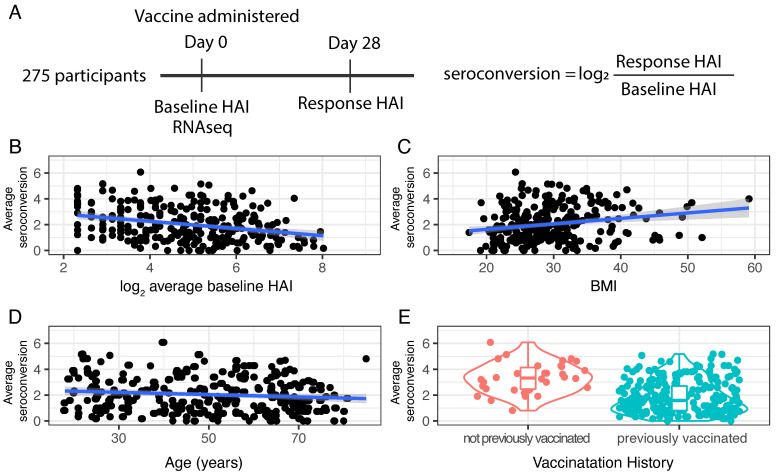
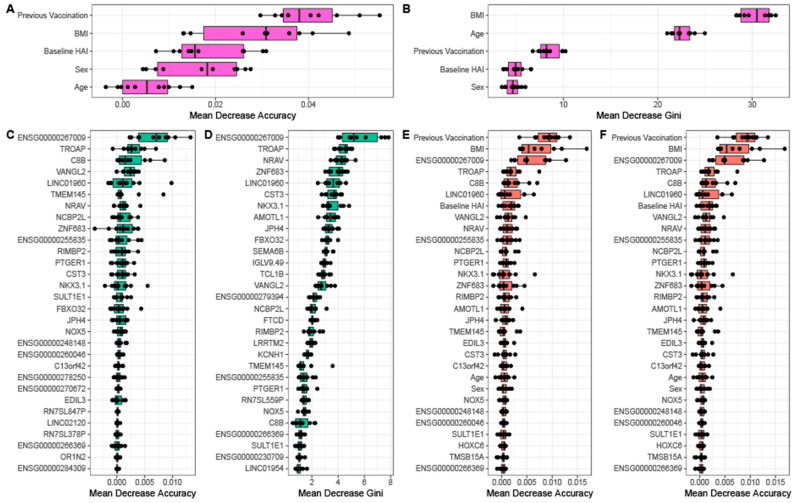
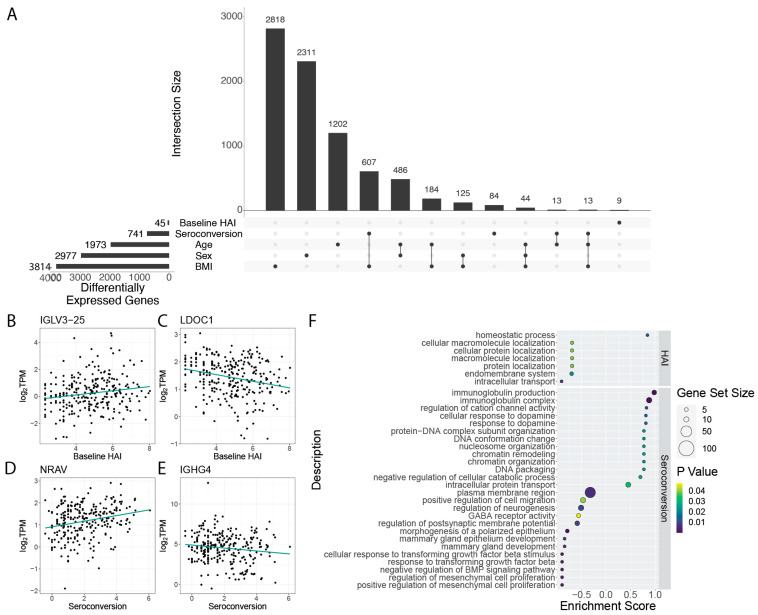
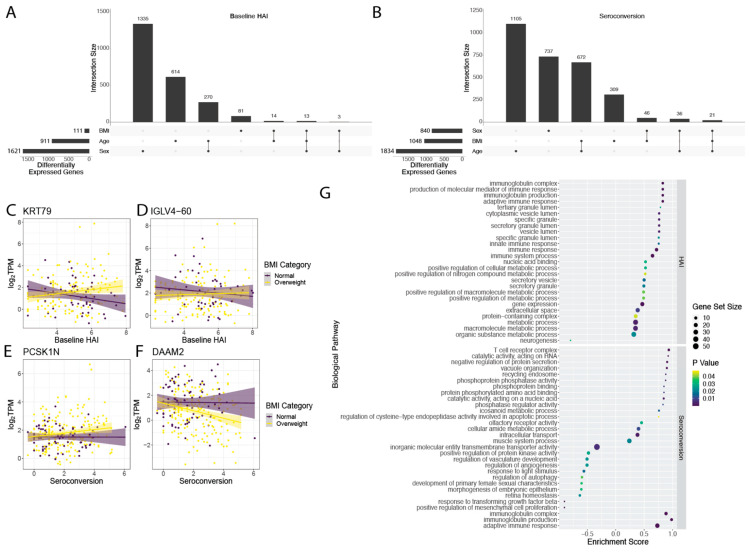
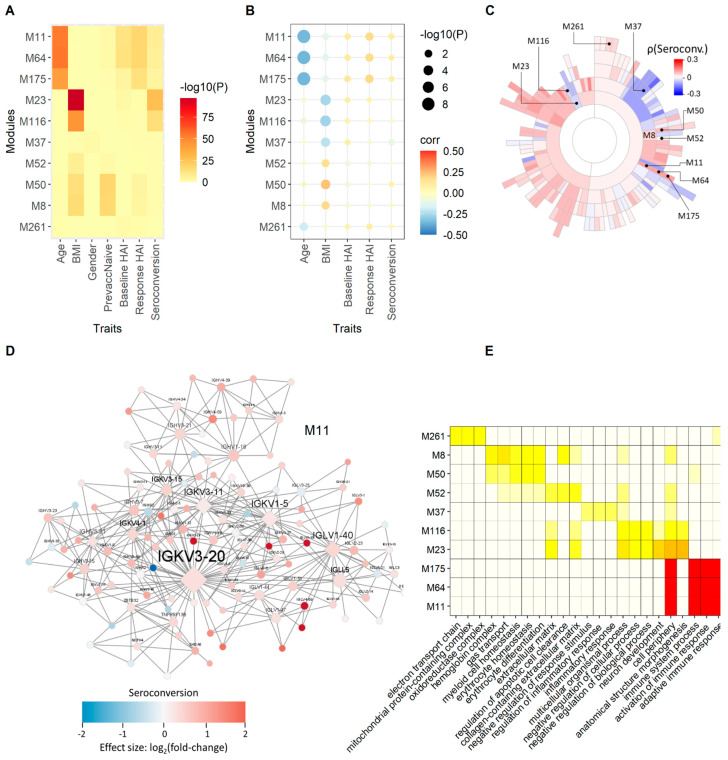
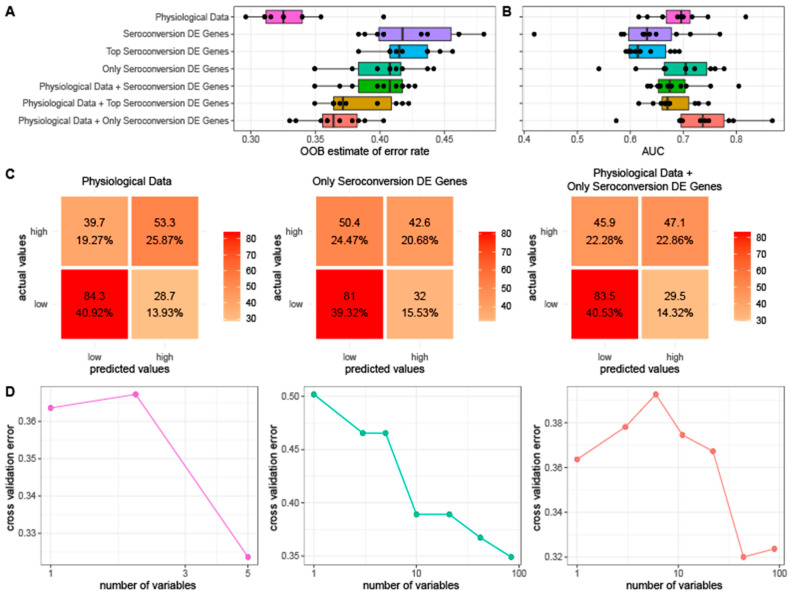
Seasonal influenza is a primary public health burden in the USA and globally. Annual vaccination programs are designed on the basis of circulating influenza viral strains. However, the effectiveness of the seasonal influenza vaccine is highly variable between seasons and among individuals. A number of factors are known to influence vaccination effectiveness including age, sex, and comorbidities. Here, we sought to determine whether whole blood gene expression profiling prior to vaccination is informative about pre-existing immunological status and the immunological response to vaccine. We performed whole transcriptome analysis using RNA sequencing (RNAseq) of whole blood samples obtained prior to vaccination from 275 participants enrolled in an annual influenza vaccine trial. Serological status prior to vaccination and 28 days following vaccination was assessed using the hemagglutination inhibition assay (HAI) to define baseline immune status and the response to vaccination. We find evidence that genes with immunological functions are increased in expression in individuals with higher pre-existing immunity and in those individuals who mount a greater response to vaccination. Using a random forest model, we find that this set of genes can be used to predict vaccine response with a performance similar to a model that incorporates physiological and prior vaccination status alone. A model using both gene expression and physiological factors has the greatest predictive power demonstrating the potential utility of molecular profiling for enhancing prediction of vaccine response. Moreover, expression of genes that are associated with enhanced vaccination response may point to additional biological pathways that contribute to mounting a robust immunological response to the seasonal influenza vaccine.
季节性流感是美国和全球的主要公共卫生负担。年度疫苗接种计划是基于流行的流感病毒株设计的。然而,季节性流感疫苗的有效性在不同季节和个体之间差异很大。有许多因素已知会影响疫苗接种的效果,包括年龄、性别和合并症。在这里,我们试图确定接种疫苗前全血基因表达谱是否能提供关于预先存在的免疫状态和对疫苗的免疫反应的信息。我们对 275 名参加年度流感疫苗试验的参与者接种疫苗前的全血样本进行了全转录组分析,使用 RNA 测序(RNAseq)进行分析。接种疫苗前和接种疫苗后 28 天的血清学状态使用血凝抑制试验(HAI)进行评估,以确定基线免疫状态和对疫苗的反应。我们发现有证据表明,具有免疫功能的基因在具有更高预先存在免疫的个体和对疫苗产生更大反应的个体中的表达增加。使用随机森林模型,我们发现这组基因可以用于预测疫苗反应,其性能与仅包含生理和先前疫苗接种状态的模型相似。使用基因表达和生理因素的模型具有最大的预测能力,这表明分子谱分析在增强对季节性流感疫苗反应的预测方面具有潜在的应用价值。此外,与增强疫苗反应相关的基因的表达可能指向有助于对季节性流感疫苗产生强大免疫反应的其他生物学途径。