Endometriosis Clinic Dres, Jörg und Sigrid Keckstein, Richard Wagner Strasse18, Villach, Austria.
Department of Obstetrics and Gynaecology, Medical University Ulm, Ulm, Germany.
Arch Gynecol Obstet. 2023 Jan;307(1):5-19. doi: 10.1007/s00404-022-06766-z. Epub 2022 Nov 11.
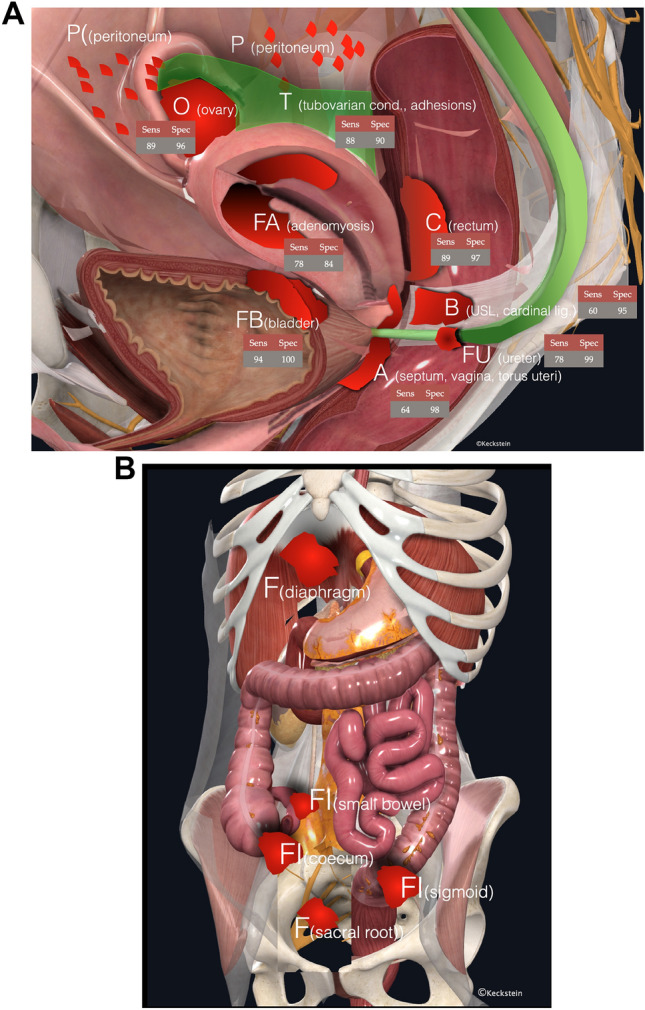
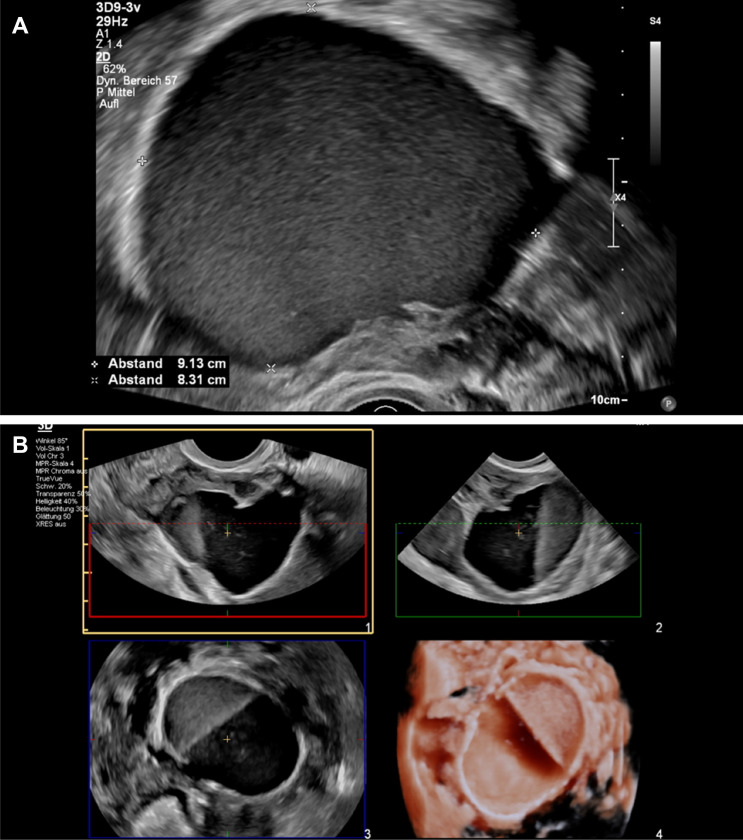
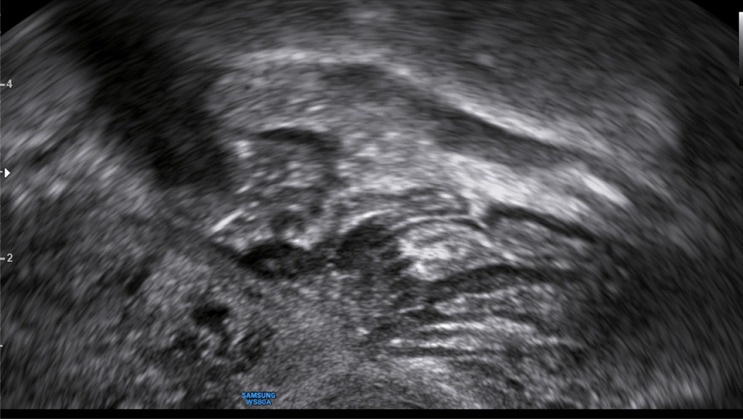
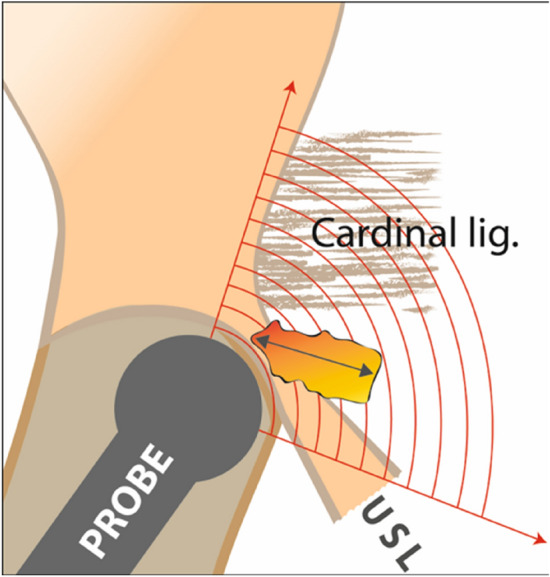
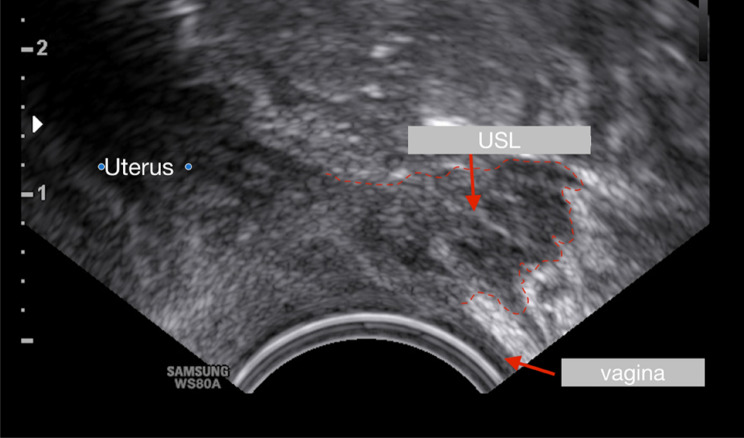
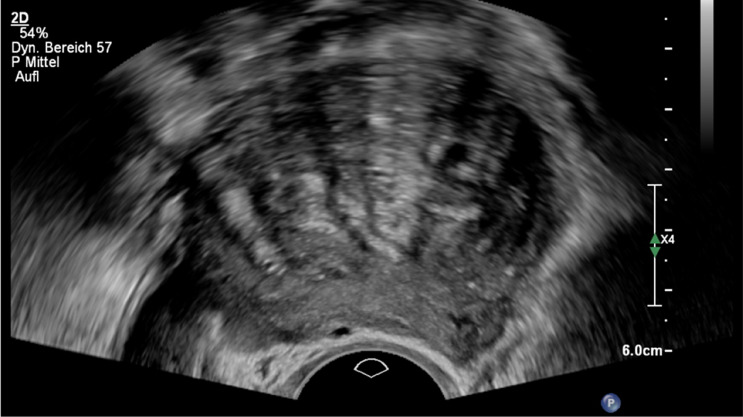
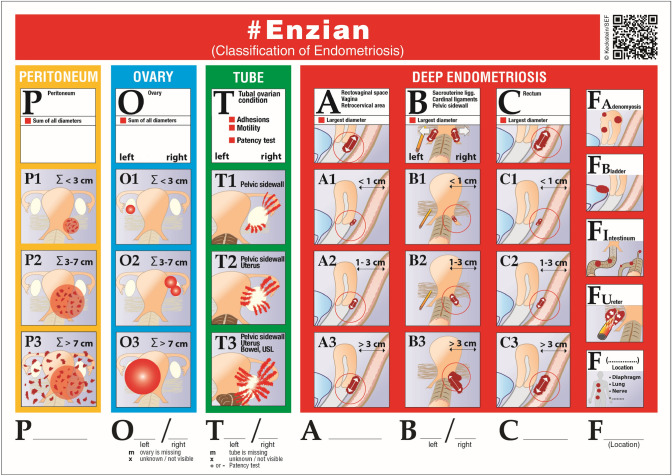
Gynecological ultrasonography plays a central role in the management of endometriosis. The rapid technical development as well as the currently increasing evidence for non-invasive diagnostic methods require an updated compilation of recommendations for the use of ultrasound in the management of endometriosis. The present work aims to highlight the accuracy of sonography for diagnosing and classifying endometriosis and will formulate the present list of key messages and recommendations. This paper aims to demonstrate the accuracy of TVS in the diagnosis and classification of endometriosis and to discuss the clinical applications and consequences of TVS findings for indication, surgical planning and assessment of associated risk factors. (1) Sophisticated ultrasound is the primary imaging modality recommended for suspected endometriosis. The examination procedure should be performed according to the IDEA Consensus. (2) Surgical intervention to confirm the diagnosis alone is not recommended. A preoperative imaging procedure with TVS and/or MRI is strongly recommended. (3) Ultrasound examination does not allow the definitive exclusion of endometriosis. (4) The examination is primarily transvaginal and should always be combined with a speculum and a bimanual examination. (5) Additional transabdominal ultrasonography may enhance the accuracy of the examination in case of extra pelvic disease, extensive findings or limited transvaginal access. (6) Sonographic assessment of both kidneys is mandatory when deep endometriosis (DE) and endometrioma are suspected. (7) Endometriomas are well defined by sonographic criteria. When evaluating the ovaries, the use of IOTA criteria is recommended. (8) The description of sonographic findings of deep endometriosis should be systematically recorded and performed using IDEA terminology. (9) Adenomyosis uteri has sonographically well-defined criteria (MUSA) that allow for detection with high sensitivity and specificity. MRI is not superior to differentiated skilled ultrasonography. (10) Classification of the extent of findings should be done according to the #Enzian classification. The current data situation proves the best possible prediction of the intraoperative situs of endometriosis (exclusive peritoneum) for the non-invasive application of the #Enzian classification. (11) Transvaginal sonographic examination by an experienced examiner is not inferior to MRI diagnostics regarding sensitivity and specificity in the prediction of the extent of deep endometriosis. (12) The major advantage of non-invasive imaging and classification of endometriosis is the differentiated planning or possible avoidance of surgical interventions. The recommendations represent the opinion of experts in the field of non-invasive and invasive diagnostics as well as therapy of endometriosis. They were developed with the participation of the following national and international societies: DEGUM, ÖGUM, SGUM, SEF, AGEM/DGGG, and EEL.
妇科超声检查在子宫内膜异位症的管理中起着核心作用。技术的快速发展以及目前越来越多的非侵入性诊断方法的证据,需要对超声在子宫内膜异位症管理中的应用进行更新的建议。本研究旨在强调超声诊断和分类子宫内膜异位症的准确性,并制定当前的关键信息和建议列表。本文旨在证明 TVS 在诊断和分类子宫内膜异位症中的准确性,并讨论 TVS 检查结果对适应证、手术计划和相关危险因素评估的临床应用和后果。(1)复杂的超声是推荐用于疑似子宫内膜异位症的主要成像方式。检查程序应按照 IDEA 共识进行。(2)不建议单独进行手术干预以确认诊断。强烈建议术前进行 TVS 和/或 MRI 检查。(3)超声检查不能明确排除子宫内膜异位症。(4)检查主要是经阴道进行的,应始终与窥器和双合诊检查相结合。(5)在存在盆腔外疾病、广泛发现或经阴道检查受限的情况下,额外的经腹超声检查可提高检查的准确性。(6)当怀疑深部子宫内膜异位症(DE)和子宫内膜瘤时,必须对双侧肾脏进行超声评估。(7) 超声标准可以明确界定子宫内膜瘤。在评估卵巢时,建议使用 IOTA 标准。(8)应使用 IDEA 术语系统地记录和描述深部子宫内膜异位症的超声发现。(9)子宫腺肌症具有超声定义明确的标准(MUSA),可以通过高灵敏度和特异性进行检测。MRI 并不优于有区别的熟练超声检查。(10)应根据#Enzian 分类对病变程度进行分类。目前的数据情况证明,对于#Enzian 分类的非侵入性应用,最好可以预测到子宫内膜异位症的术中部位(仅限于腹膜)。(11)经阴道超声检查由有经验的检查者进行,在预测深部子宫内膜异位症的程度方面,其敏感性和特异性不低于 MRI 诊断。(12)非侵入性成像和子宫内膜异位症分类的主要优点是可以对手术干预进行有区别的计划或可能避免。这些建议代表了非侵入性和侵入性诊断以及子宫内膜异位症治疗领域专家的意见。它们是在以下国家和国际协会的参与下制定的:DEGUM、ÖGUM、SGUM、SEF、AGEM/DGGG 和 EEL。