School of Chemical, Materials and Biomedical Engineering, College of Engineering, The University of Georgia, Athens, GA, 30602, USA.
School of Chemical, Materials and Biomedical Engineering, College of Engineering, The University of Georgia, Athens, GA, 30602, USA.
Metab Eng. 2023 Jan;75:58-67. doi: 10.1016/j.ymben.2022.11.004. Epub 2022 Nov 12.
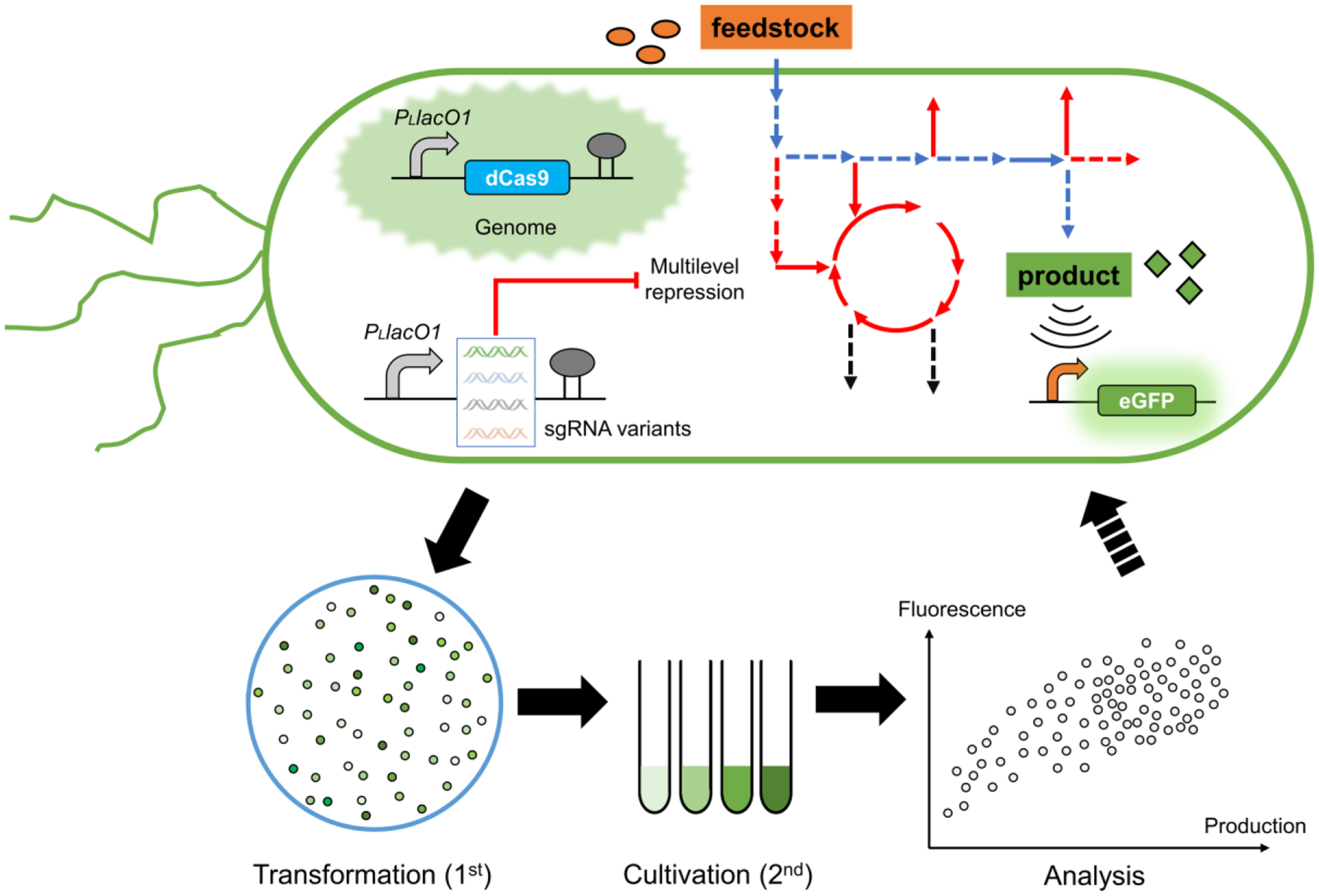
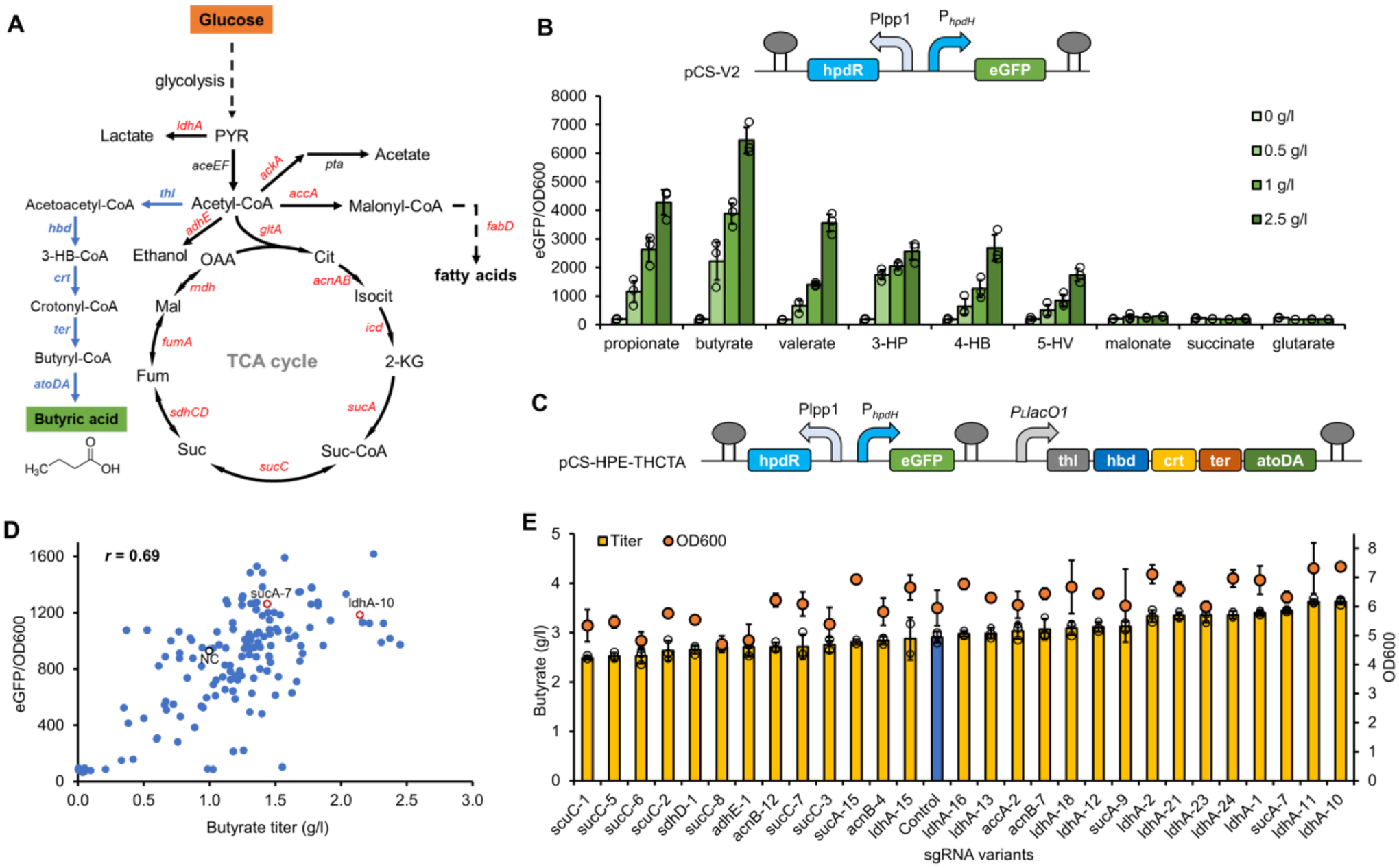
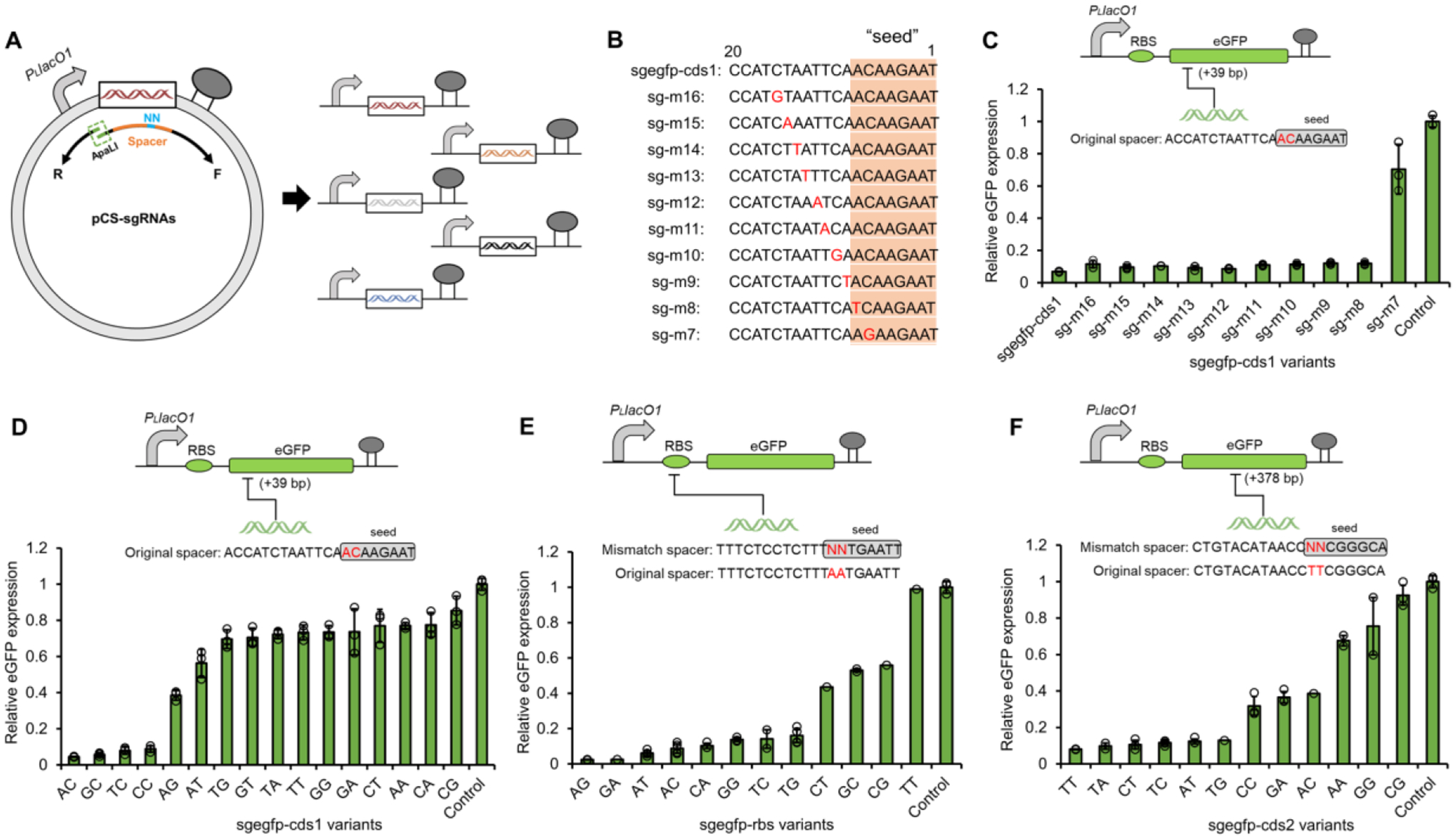
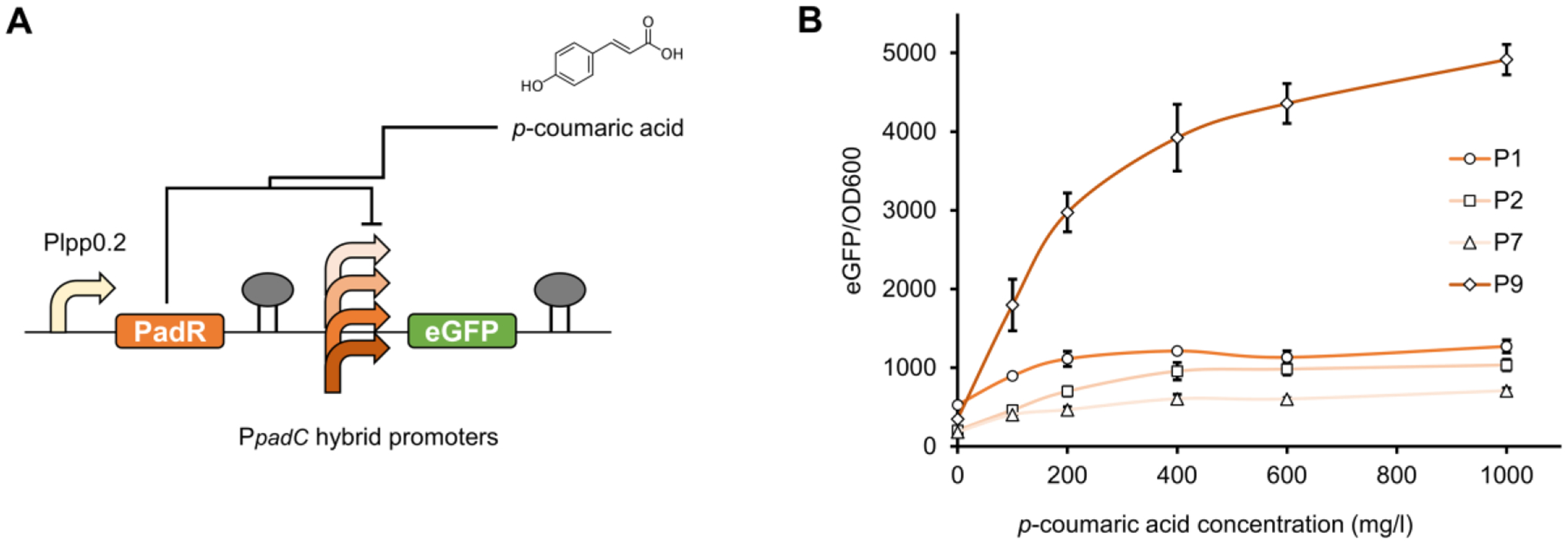
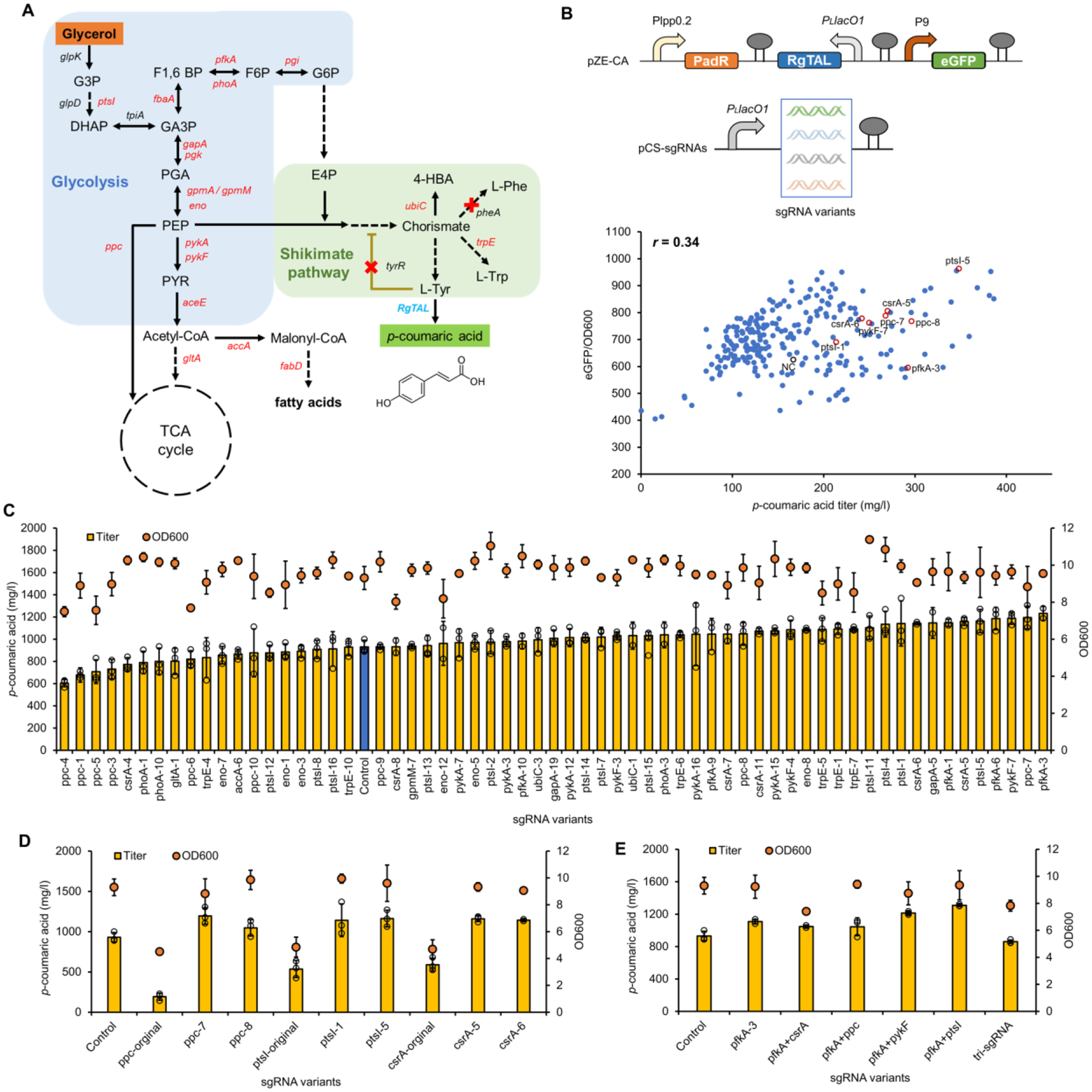
With rapid advances in the development of metabolic pathways and synthetic biology toolkits, a persisting challenge in microbial bioproduction is how to optimally rewire metabolic fluxes and accelerate the concomitant high-throughput phenotype screening. Here we developed a biosensor-assisted titratable CRISPRi high-throughput (BATCH) screening approach that combines a titratable mismatch CRISPR interference and a biosensor mediated screening for high-production phenotypes in Escherichia coli. We first developed a programmable mismatch CRISPRi that could afford multiple levels of interference efficacy with a one-pot sgRNA pool (a total of 16 variants for each target gene) harboring two consecutive random mismatches in the seed region of sgRNA spacers. The mismatch CRISPRi was demonstrated to enable almost a full range of gene knockdown when targeting different positions on genes. As a proof-of-principle demonstration of the BATCH screening system, we designed doubly mismatched sgRNA pools targeting 20 relevant genes in E. coli and optimized a PadR-based p-coumaric acid biosensor with broad dynamic range for the eGFP fluorescence guided high-production screening. Using sgRNA variants for the combinatorial knockdown of pfkA and ptsI, the p-coumaric acid titer was increased by 40.6% to o 1308.6 mg/l from glycerol in shake flasks. To further demonstrate the general applicability of the BATCH screening system, we recruited a HpdR-based butyrate biosensor that facilitated the screening of E. coli strains achieving 19.0% and 25.2% increase of butyrate titer in shake flasks with sgRNA variants targeting sucA and ldhA, respectively. This work reported the establishment of a plug-and-play approach that enables multilevel modulation of metabolic fluxes and high-throughput screening of high-production phenotypes.
随着代谢途径和合成生物学工具包的快速发展,微生物生物生产中的一个持续挑战是如何优化代谢通量的重排并加速伴随而来的高通量表型筛选。在这里,我们开发了一种基于生物传感器辅助可滴定 CRISPRi 的高通量(BATCH)筛选方法,该方法结合了可滴定错配 CRISPR 干扰和生物传感器介导的筛选,以在大肠杆菌中获得高产表型。我们首先开发了一种可编程的错配 CRISPRi,该系统可以通过一个 sgRNA 池(每个靶基因总共 16 种变体)提供多个级别的干扰效果,该 sgRNA 池在 sgRNA 间隔区的种子区域中含有两个连续的随机错配。错配 CRISPRi 被证明可以在靶向基因的不同位置时实现几乎全范围的基因敲低。作为 BATCH 筛选系统的原理验证,我们设计了针对大肠杆菌中 20 个相关基因的双错配 sgRNA 池,并优化了一种基于 PadR 的 p-香豆酸生物传感器,该传感器具有广泛的动态范围,可用于 eGFP 荧光引导的高产筛选。使用 sgRNA 变体对 pfkA 和 ptsI 进行组合敲低,使摇瓶中 p-香豆酸的产量从甘油增加了 40.6%,达到 1308.6mg/L。为了进一步证明 BATCH 筛选系统的通用性,我们招募了一种基于 HpdR 的丁酸盐生物传感器,该传感器可促进 sgRNA 变体靶向 sucA 和 ldhA 的大肠杆菌菌株的筛选,摇瓶中丁酸盐的产量分别提高了 19.0%和 25.2%。这项工作报告了建立一种即插即用的方法,该方法能够对代谢通量进行多级调节,并高通量筛选高产表型。