• 文献检索
  • 文档翻译
  • 深度研究
  • 学术资讯
  • Suppr Zotero 插件Zotero 插件
  • 邀请有礼
  • 套餐&价格
  • 历史记录
应用&插件
Suppr Zotero 插件Zotero 插件浏览器插件Mac 客户端Windows 客户端微信小程序
定价
高级版会员购买积分包购买API积分包
服务
文献检索文档翻译深度研究API 文档MCP 服务
关于我们
关于 Suppr公司介绍联系我们用户协议隐私条款
关注我们

Suppr 超能文献

核心技术专利:CN118964589B侵权必究
粤ICP备2023148730 号-1Suppr @ 2026

文献检索

告别复杂PubMed语法,用中文像聊天一样搜索,搜遍4000万医学文献。AI智能推荐,让科研检索更轻松。

立即免费搜索

文件翻译

保留排版,准确专业,支持PDF/Word/PPT等文件格式,支持 12+语言互译。

免费翻译文档

深度研究

AI帮你快速写综述,25分钟生成高质量综述,智能提取关键信息,辅助科研写作。

立即免费体验

痴呆症患者护理结构:欧洲比较。

Structures for the care of people with dementia: a European comparison.

机构信息

Deutsches Zentrum für Neurodegenerative Erkrankungen e.V. (DZNE), Site Rostock/Greifswald, Ellernholzstraße 1-2, 17489, Greifswald, Germany.

Present Address: Universitätsmedizin Göttingen, Institut für Allgemeinmedizin, Humboldtallee 38, 37075, Göttingen, Germany.

出版信息

BMC Health Serv Res. 2022 Nov 18;22(1):1372. doi: 10.1186/s12913-022-08715-7.

DOI:10.1186/s12913-022-08715-7
PMID:36401262
原文链接:https://pmc.ncbi.nlm.nih.gov/articles/PMC9673874/
Abstract

BACKGROUND

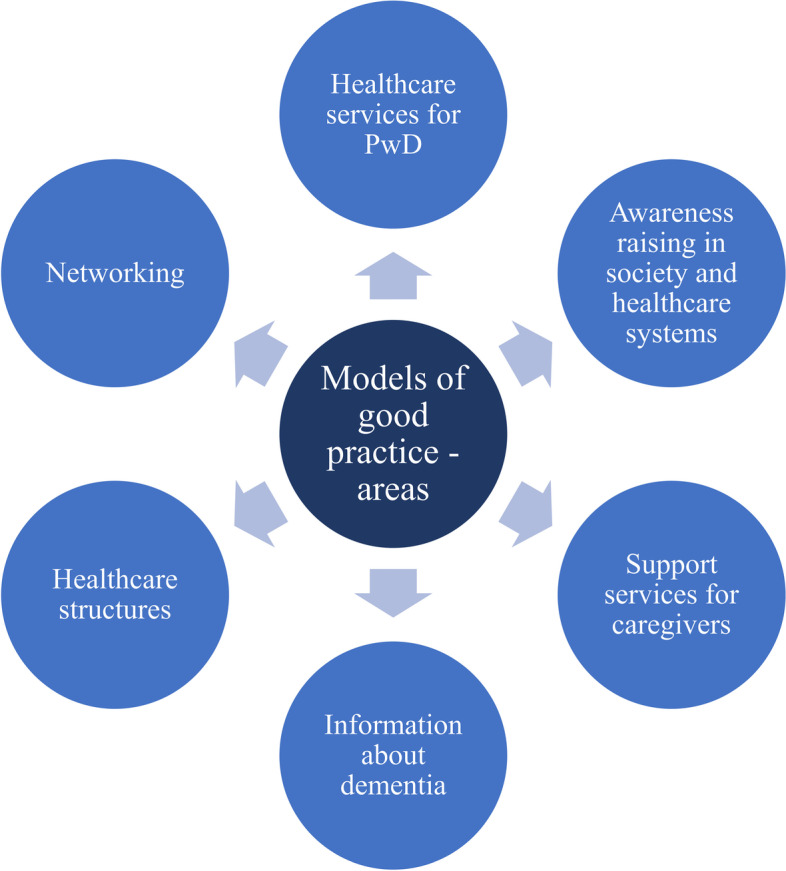
Dementia is a disease that impacts people with dementia, their families, and the healthcare system. In 2018, the number of people with dementia in the EU, the European Free Trade Association (EFTA), and the UK was estimated to be 9.1 million. National dementia strategies and publications by organisations such as Alzheimer Europe outline how dementia-specific care should be designed. This study aims to provide insights into existing formal care structures, models of good practise, and gaps in dementia-specific care for people with dementia in 17 European countries.

METHODS

The research is based on guided interviews with country-specific care experts. A mixed-methods approach with a combination of open and closed questions was used. All interviews were recorded and transcribed verbatim based on the transcription rules of Kuckarts (2010). For data evaluation, the qualitative content analysis model of Mayring (2014) was used.

RESULTS

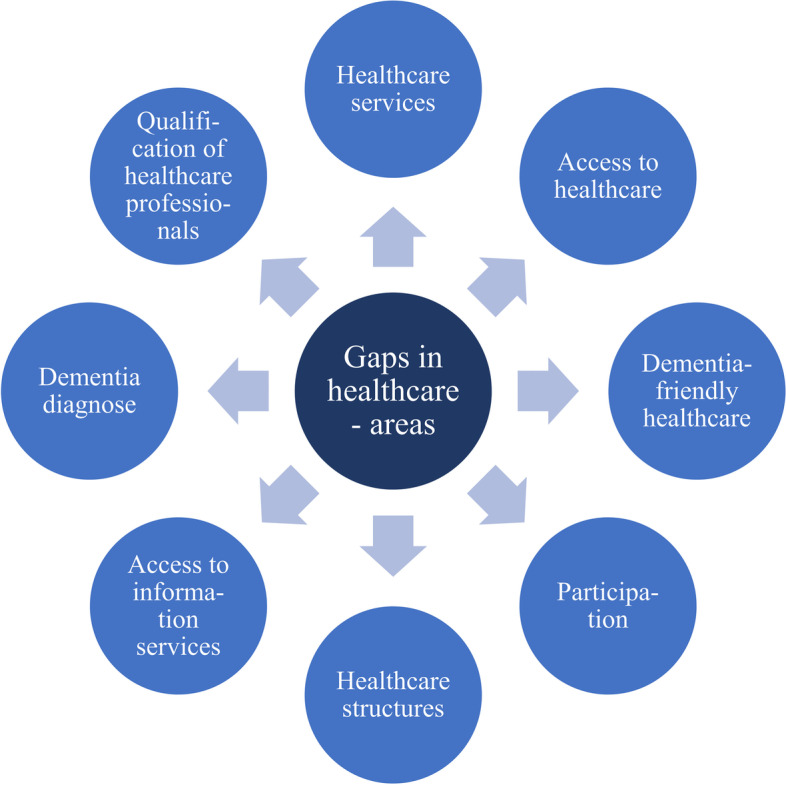
In all 17 countries, efforts for dementia-friendly care and models of good care practise exist. However, there are large differences between European countries regarding the spread of dementia-specific services. In nine countries (Bulgaria, Finland, Italy, Liechtenstein, Luxembourg, the Netherlands, Norway, Sweden, the UK), there are already nationwide structures, while in five countries (Belgium, Greece, Ireland, Portugal, Romania), services are only available in certain regions. In three countries (Austria, Denmark, Germany) dementia-specific outpatient services are widespread nationwide, whereas inpatient services are not. Simultaneously, in all countries, areas with major care gaps exist. Several European states have an urgent need for action concerning the expansion of the provision of dementia-specific services, the reduction of regional differences regarding the provision of care, the elimination of barriers to access to care, the dementia-friendliness of services, and the participation of people with dementia and their relatives in care and research.

CONCLUSIONS

To reduce the existing structural inequalities in care between and within European countries, and to establish quality-related minimum standards in the care of people with dementia, transnational concepts are needed. The EU, in cooperation with care planners, research institutions, care providers, and patient organisations, should develop European care guidelines or dementia plans that contain concrete measures, schedules, and budgets.

摘要

背景

痴呆症是一种影响痴呆症患者、他们的家人和医疗保健系统的疾病。2018 年,欧盟、欧洲自由贸易联盟(EFTA)和英国的痴呆症患者人数估计为 910 万。国家痴呆症战略和阿尔茨海默病欧洲等组织的出版物概述了应如何设计特定于痴呆症的护理。本研究旨在深入了解 17 个欧洲国家中痴呆症患者现有正规护理结构、良好做法模式和痴呆症特定护理方面的差距。

方法

该研究基于对特定国家护理专家的指导访谈。采用混合方法,结合开放式和封闭式问题。所有访谈均进行了录音,并根据 Kuckarts(2010)的转录规则进行了逐字转录。为了进行数据分析,采用了 Mayring(2014)的定性内容分析模型。

结果

在所有 17 个国家,都为痴呆症友好护理和良好护理实践模式做出了努力。然而,欧洲各国在特定于痴呆症的服务传播方面存在很大差异。在 9 个国家(保加利亚、芬兰、意大利、列支敦士登、卢森堡、荷兰、挪威、瑞典、英国),已经建立了全国性的结构,而在 5 个国家(比利时、希腊、爱尔兰、葡萄牙、罗马尼亚),服务仅在某些地区提供。在 3 个国家(奥地利、丹麦、德国),全国范围内广泛提供特定于痴呆症的门诊服务,而住院服务则没有。同时,在所有国家,都存在主要的护理差距。一些欧洲国家迫切需要采取行动,扩大特定于痴呆症的服务提供,减少护理方面的区域差异,消除获得护理的障碍,使服务对痴呆症患者友好,并让痴呆症患者及其家属参与护理和研究。

结论

为了减少欧洲国家之间和内部现有的护理结构不平等,并在痴呆症患者护理方面建立与质量相关的最低标准,需要制定跨国概念。欧盟应与护理规划者、研究机构、护理提供者和患者组织合作,制定包含具体措施、时间表和预算的欧洲护理准则或痴呆症计划。

https://cdn.ncbi.nlm.nih.gov/pmc/blobs/585c/9675285/319ce094a886/12913_2022_8715_Fig8_HTML.jpg
https://cdn.ncbi.nlm.nih.gov/pmc/blobs/585c/9675285/9177557edef3/12913_2022_8715_Fig1_HTML.jpg
https://cdn.ncbi.nlm.nih.gov/pmc/blobs/585c/9675285/c62e0d2fd027/12913_2022_8715_Fig2_HTML.jpg
https://cdn.ncbi.nlm.nih.gov/pmc/blobs/585c/9675285/a6db36c9239e/12913_2022_8715_Fig3_HTML.jpg
https://cdn.ncbi.nlm.nih.gov/pmc/blobs/585c/9675285/c6784d24a80e/12913_2022_8715_Fig4_HTML.jpg
https://cdn.ncbi.nlm.nih.gov/pmc/blobs/585c/9675285/03513337cc48/12913_2022_8715_Fig5_HTML.jpg
https://cdn.ncbi.nlm.nih.gov/pmc/blobs/585c/9675285/1367321c28cf/12913_2022_8715_Fig6_HTML.jpg
https://cdn.ncbi.nlm.nih.gov/pmc/blobs/585c/9675285/4d0a09a9b1db/12913_2022_8715_Fig7_HTML.jpg
https://cdn.ncbi.nlm.nih.gov/pmc/blobs/585c/9675285/319ce094a886/12913_2022_8715_Fig8_HTML.jpg
https://cdn.ncbi.nlm.nih.gov/pmc/blobs/585c/9675285/9177557edef3/12913_2022_8715_Fig1_HTML.jpg
https://cdn.ncbi.nlm.nih.gov/pmc/blobs/585c/9675285/c62e0d2fd027/12913_2022_8715_Fig2_HTML.jpg
https://cdn.ncbi.nlm.nih.gov/pmc/blobs/585c/9675285/a6db36c9239e/12913_2022_8715_Fig3_HTML.jpg
https://cdn.ncbi.nlm.nih.gov/pmc/blobs/585c/9675285/c6784d24a80e/12913_2022_8715_Fig4_HTML.jpg
https://cdn.ncbi.nlm.nih.gov/pmc/blobs/585c/9675285/03513337cc48/12913_2022_8715_Fig5_HTML.jpg
https://cdn.ncbi.nlm.nih.gov/pmc/blobs/585c/9675285/1367321c28cf/12913_2022_8715_Fig6_HTML.jpg
https://cdn.ncbi.nlm.nih.gov/pmc/blobs/585c/9675285/4d0a09a9b1db/12913_2022_8715_Fig7_HTML.jpg
https://cdn.ncbi.nlm.nih.gov/pmc/blobs/585c/9675285/319ce094a886/12913_2022_8715_Fig8_HTML.jpg

相似文献

1
Structures for the care of people with dementia: a European comparison.痴呆症患者护理结构:欧洲比较。
BMC Health Serv Res. 2022 Nov 18;22(1):1372. doi: 10.1186/s12913-022-08715-7.
2
Comparing national dementia plans and strategies in Europe - is there a focus of care for people with dementia from a migration background?比较欧洲各国的痴呆症计划和战略 - 是否有针对具有移民背景的痴呆症患者的护理重点?
BMC Public Health. 2020 May 26;20(1):784. doi: 10.1186/s12889-020-08938-5.
3
How is migration background considered in the treatment and care of people? A comparison of national dementia care guidelines in Europe.在治疗和护理人群时如何考虑移民背景?对欧洲国家痴呆症护理指南的比较。
BMC Public Health. 2020 Oct 15;20(1):1555. doi: 10.1186/s12889-020-09668-4.
4
The landscape of inequalities in dementia across Europe: First insights from the INTERDEM taskforce.欧洲痴呆症不平等现象的全景:来自 INTERDEM 工作组的初步见解。
Int J Geriatr Psychiatry. 2024 May;39(5):e6096. doi: 10.1002/gps.6096.
5
Perspectives of policy and political decision makers on access to formal dementia care: expert interviews in eight European countries.政策与政治决策者对获得正规痴呆症护理的看法:八个欧洲国家的专家访谈
BMC Health Serv Res. 2017 Aug 3;17(1):518. doi: 10.1186/s12913-017-2456-0.
6
Access to community care for people with dementia and their informal carers : Case vignettes for a European comparison of structures and common pathways to formal care.痴呆症患者及其非正式护理人员获得社区护理的情况:用于欧洲正式护理结构和常见途径比较的案例 vignettes(此处 vignettes 未找到准确对应中文,可保留原文)
Z Gerontol Geriatr. 2018 Jul;51(5):530-536. doi: 10.1007/s00391-017-1266-7. Epub 2017 Jun 14.
7
Report on palliative sedation medication usage: a survey of palliative care experts in Eight European countries.姑息镇静药物使用报告:八个欧洲国家姑息治疗专家调查。
BMC Palliat Care. 2024 Jun 20;23(1):154. doi: 10.1186/s12904-024-01484-6.
8
Abortion laws in Europe.欧洲的堕胎法。
Plan Parent Eur. 1989 Spring;18(1 Suppl):1-10.
9
Centenarians in Europe.欧洲的百岁老人。
Maturitas. 2017 Oct;104:90-95. doi: 10.1016/j.maturitas.2017.08.005. Epub 2017 Aug 12.
10
The role of social networks in using home care by older people across Continental Europe.欧洲大陆老年人使用家庭护理的社会网络作用。
Health Soc Care Community. 2019 Jul;27(4):936-952. doi: 10.1111/hsc.12711. Epub 2019 Jan 2.

引用本文的文献

1
General practitioners' and medical students' current knowledge and attitudes toward non-pharmacological interventions for dementia.全科医生和医学生对痴呆症非药物干预措施的现有知识及态度。
Front Med (Lausanne). 2025 Jul 23;12:1573251. doi: 10.3389/fmed.2025.1573251. eCollection 2025.
2
Bridging gaps in dementia care across southeastern Europe: Regional challenges, cross-border innovation, and implementation barriers.弥合东南欧痴呆症护理的差距:区域挑战、跨境创新与实施障碍。
J Public Health Res. 2025 Jul 30;14(3):22799036251361380. doi: 10.1177/22799036251361380. eCollection 2025 Jul.
3
A Content Review of National Dementia Plans: Are Human Rights Considered?

本文引用的文献

1
Prevalence of depression, anxiety, and apathy symptoms across dementia stages: A systematic review and meta-analysis.痴呆症各阶段抑郁、焦虑和淡漠症状的患病率:系统评价和荟萃分析。
Int J Geriatr Psychiatry. 2021 Sep;36(9):1330-1344. doi: 10.1002/gps.5556. Epub 2021 May 4.
2
How healthcare professionals can support older LGBTQ+ people living with dementia.医疗保健专业人员如何支持患有痴呆症的老年 LGBTQ+ 群体。
Nurs Older People. 2019 Sep 27;31(5):16-21. doi: 10.7748/nop.2019.e1115. Epub 2019 Jun 26.
3
Co-designing with people with dementia: A scoping review of involving people with dementia in design research.
国家痴呆症计划的内容审查:是否考虑了人权?
Health Hum Rights. 2025 Jun;27(1):43-57.
4
Improving nephrology care for people with cognitive impairments and their caregivers.改善对认知障碍患者及其照料者的肾脏病护理。
Nat Rev Nephrol. 2025 Jun 9. doi: 10.1038/s41581-025-00976-9.
5
Insomnia and risk of all-cause dementia: A systematic review and meta-analysis.失眠与全因性痴呆风险:一项系统评价与荟萃分析。
PLoS One. 2025 Apr 9;20(4):e0318814. doi: 10.1371/journal.pone.0318814. eCollection 2025.
6
Healthcare Professionals' Perspectives on Post-Diagnostic Care for People with Vascular Cognitive Impairment: When Help Is Needed in a "No-Man's Land".医疗保健专业人员对血管性认知障碍患者诊断后护理的看法:当“无人区”需要帮助时。
J Alzheimers Dis. 2024;101(3):1001-1013. doi: 10.3233/JAD-240526.
7
Predictors of Care Home Admission and Survival Rate in Patients With Syndromes Associated With Frontotemporal Lobar Degeneration in Europe.欧洲额颞叶变性相关综合征患者入住养老院的预测因素和生存率。
Neurology. 2024 Oct 8;103(7):e209793. doi: 10.1212/WNL.0000000000209793. Epub 2024 Sep 3.
8
Exploring the impacts of risk factors on mortality patterns of global Alzheimer's disease and related dementias from 1990 to 2021.探索 1990 年至 2021 年全球阿尔茨海默病和相关痴呆症死亡率模式的风险因素影响。
Sci Rep. 2024 Jul 6;14(1):15583. doi: 10.1038/s41598-024-65887-4.
9
Trends of use and characterisation of anti-dementia drugs users: a large multinational-network population-based study.抗痴呆药物使用者的使用趋势和特征:一项大型跨国网络基于人群的研究。
Age Ageing. 2024 May 1;53(5). doi: 10.1093/ageing/afae106.
10
Attitudes toward pre-symptomatic screening for Alzheimer's dementia in five European countries: a comparison of family members of people with Alzheimer's dementia non-family members.五个欧洲国家对阿尔茨海默病痴呆症症状前筛查的态度:阿尔茨海默病痴呆症患者家庭成员与非家庭成员的比较
Front Genet. 2023 Dec 15;14:1305107. doi: 10.3389/fgene.2023.1305107. eCollection 2023.
与痴呆症患者共同设计:一项涉及痴呆症患者参与设计研究的范围综述。
Maturitas. 2019 Sep;127:55-63. doi: 10.1016/j.maturitas.2019.06.003. Epub 2019 Jun 5.
4
Methods for Involving People Living with Dementia and Their Informal Carers as Co-Developers of Technological Solutions.将患有痴呆症的人和他们的非正式照顾者作为技术解决方案共同开发者的参与方法。
Dement Geriatr Cogn Disord. 2019;47(3):149-156. doi: 10.1159/000497802. Epub 2019 Jun 27.
5
Unmet needs in community-living persons with dementia are common, often non-medical and related to patient and caregiver characteristics.社区居住的痴呆症患者存在未满足的需求较为常见,这些需求通常是非医疗性的,与患者和照护者的特征有关。
Int Psychogeriatr. 2019 Nov;31(11):1643-1654. doi: 10.1017/S1041610218002296. Epub 2019 Feb 4.
6
Predictions of Alzheimer's disease treatment and care costs in European countries.预测欧洲国家阿尔茨海默病的治疗和护理费用。
PLoS One. 2019 Jan 25;14(1):e0210958. doi: 10.1371/journal.pone.0210958. eCollection 2019.
7
Identifying Unmet Needs of Family Dementia Caregivers: Results of the Baseline Assessment of a Cluster-Randomized Controlled Intervention Trial.识别家庭痴呆症护理者的未满足需求:一项集群随机对照干预试验的基线评估结果。
J Alzheimers Dis. 2019;67(2):527-539. doi: 10.3233/JAD-180244.
8
A scoping review of gaps and priorities in dementia care in Europe.痴呆症照护在欧洲的差距和重点:范围性回顾。
Dementia (London). 2020 Oct;19(7):2135-2151. doi: 10.1177/1471301218816250. Epub 2018 Nov 29.
9
[Unmet needs of family dementia caregivers of persons with dementia : Primary medical care].[痴呆症患者家庭护理者未满足的需求:初级医疗保健]
Nervenarzt. 2018 May;89(5):495-499. doi: 10.1007/s00115-018-0509-1.
10
Perspectives of policy and political decision makers on access to formal dementia care: expert interviews in eight European countries.政策与政治决策者对获得正规痴呆症护理的看法:八个欧洲国家的专家访谈
BMC Health Serv Res. 2017 Aug 3;17(1):518. doi: 10.1186/s12913-017-2456-0.