The Institute of Sports Rehabilitation, Southwest University, Chongqing, China.
Front Public Health. 2022 Nov 22;10:1013734. doi: 10.3389/fpubh.2022.1013734. eCollection 2022.
As brain function declines and cognitive ability declines, the benefits of resistance exercise to the brain of older people are gradually gaining attention.
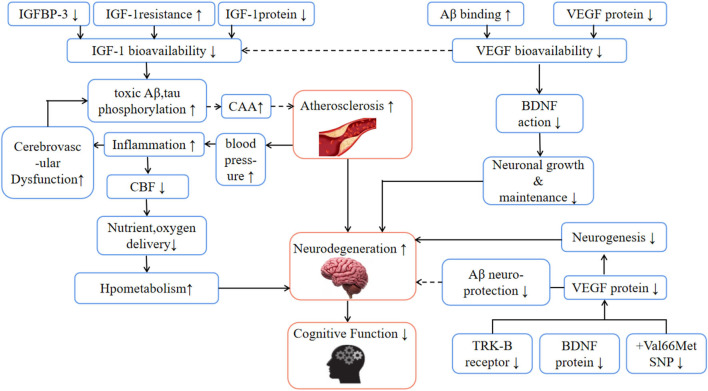
The purpose of this review is to explore the mechanism and relationship between physiological factors such as vascular and neuronal degeneration and cognitive decline, and to categorize the differences in the effects of an acute and chronic resistance exercise intervention on cognitive function in healthy elderly people and the possible regulators of cognitive effects.
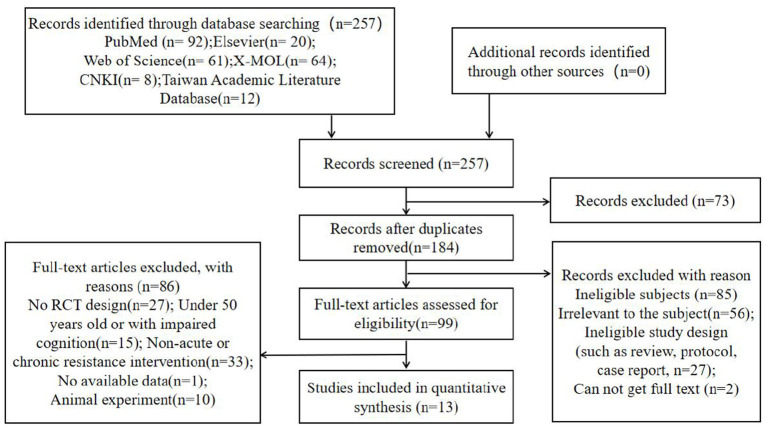
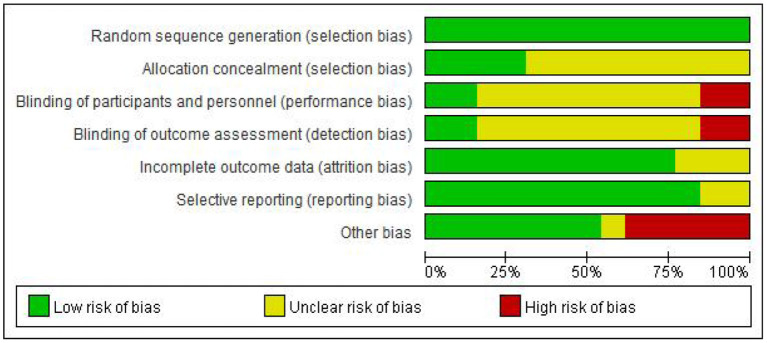
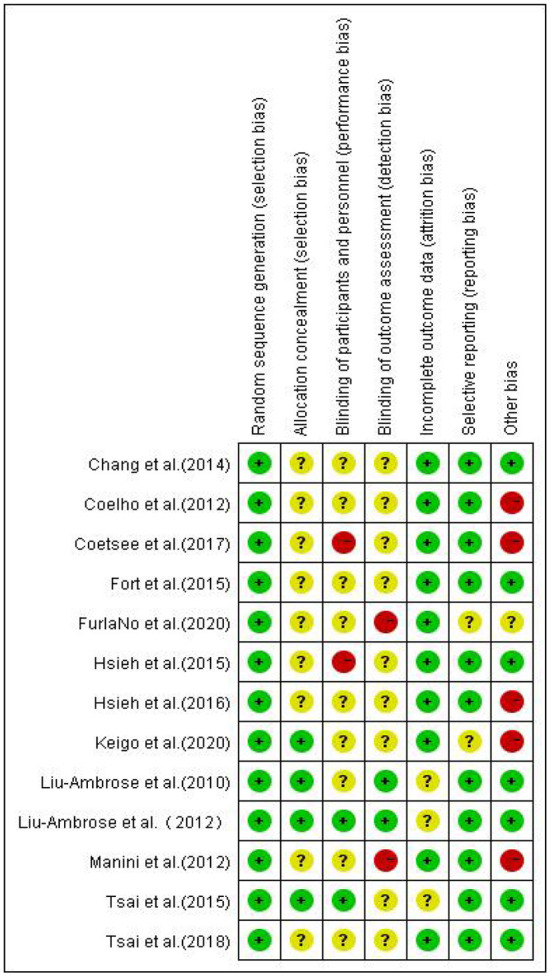
Using PubMed, Elsevier, Web of Science, X-MOL, CNKI, and Taiwan academic literature database, the research papers published in relevant journals at home and abroad until April 2022 were searched with Chinese and English keywords such as Resistance exercise, the elderly, hippocampus, memory performance, neurons, cognitive function. Pedro scale was used to check the quality of various documents, and the relevant research documents were obtained with the resistance exercise elements as the main axis for comprehensive analysis.
(1) Resistance exercise can have a beneficial effect on the brain function of the elderly through blood flow changes, stimulate nerve conduction substances and endocrine metabolism, promote cerebrovascular regeneration and gray matter volume of the brain, and prevent or delay the cognitive function degradation such as memory and attention of the elderly; (2) Acute resistance can temporarily stimulate hormone secretion and significantly improve the effect of short-term memory test, but it has little effect on the cognitive performance of the elderly; (3) Moderate-high intensity resistance exercise (50-80%1RM, 1-3 times/week, 2-3 groups/time) lasting for at least 6 months is more prominent for the improvement of cognitive function of the elderly, while the parameters such as resistance exercise intensity, exercise amount, duration, evaluation test time and differences of subjects may have different degrees of influence on cognitive benefits.
随着大脑功能和认知能力下降,抗阻运动对老年人大脑的益处逐渐受到关注。
本综述旨在探讨血管和神经元退变等生理因素与认知能力下降的关系和机制,并对急性和慢性抗阻运动干预对健康老年人认知功能的影响的差异以及认知效应的可能调节因素进行分类。
通过检索PubMed、Elsevier、Web of Science、X-MOL、中国知网、台湾学术文献数据库,以中文和英文关键词“Resistance exercise、the elderly、hippocampus、memory performance、neurons、cognitive function”检索国内外相关期刊发表的相关研究论文,直至 2022 年 4 月。使用 Pedro 量表对各文献质量进行检查,并以抗阻运动元素为主轴获取相关研究文献进行综合分析。
①抗阻运动可以通过血流变化对老年人的大脑功能产生有益影响,刺激神经传导物质和内分泌代谢,促进脑血管再生和大脑灰质体积,预防或延缓老年人记忆和注意力等认知功能的下降;②急性抗阻运动可以暂时刺激激素分泌,显著改善短期记忆测试的效果,但对老年人的认知表现影响较小;③中等-高强度抗阻运动(50%-80%1RM,1-3 次/周,2-3 组/次)持续至少 6 个月对改善老年人的认知功能更为突出,而抗阻运动强度、运动量、持续时间、评估测试时间等参数以及研究对象的差异可能对认知益处有不同程度的影响。