School of Health in Social Science, University of Edinburgh, Edinburgh EH8 9AG, UK.
Int J Environ Res Public Health. 2022 Nov 28;19(23):15810. doi: 10.3390/ijerph192315810.
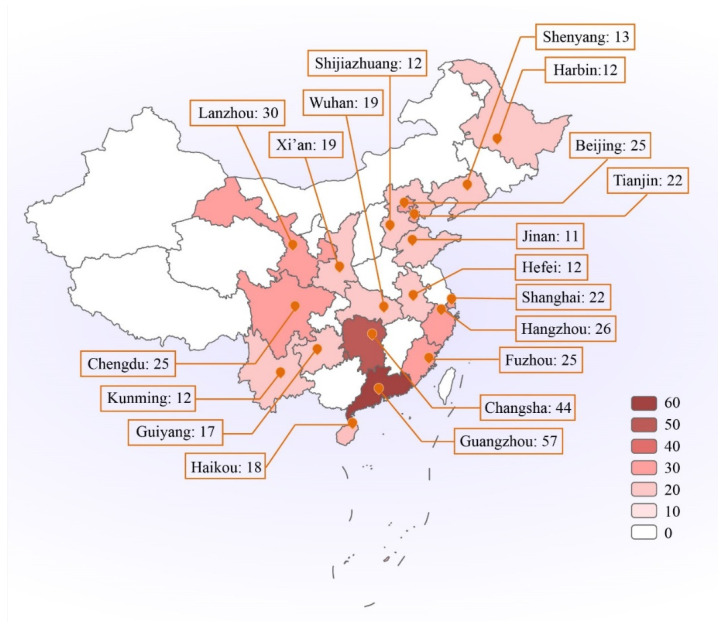
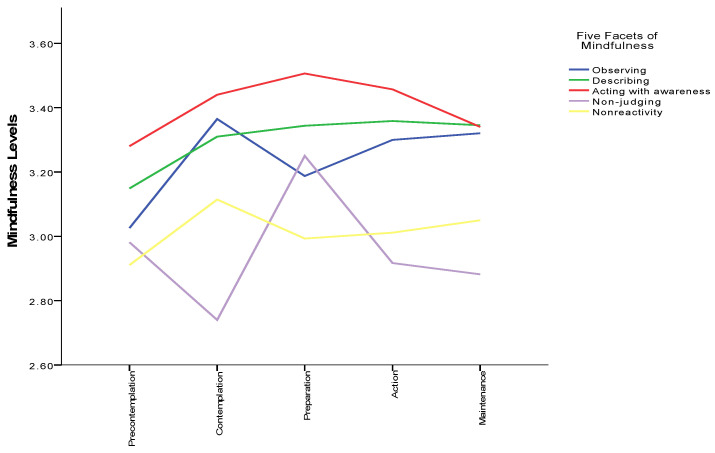
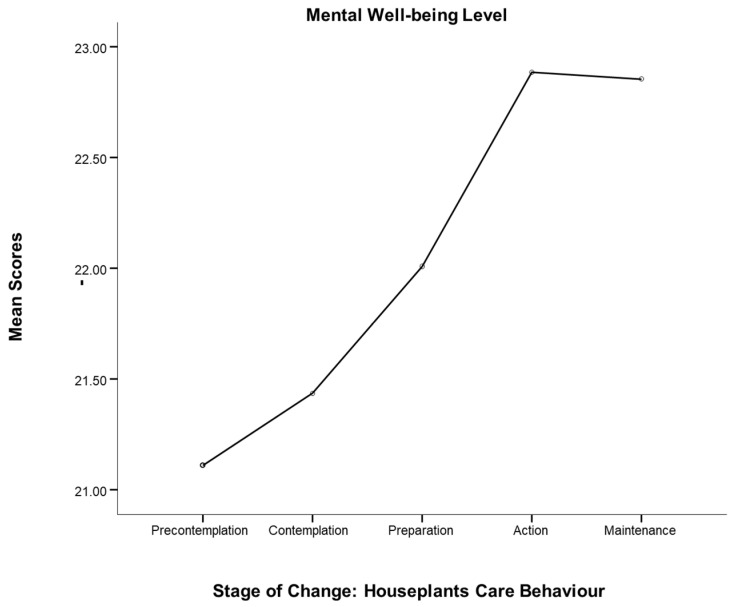
(1) Background: The rapid growth of urbanisation and the increased prevalence of mental problems have been concerns in China. 'Green prescription' such as keeping houseplants has been found to be an effective means of interacting with nature and improving mental health outcomes. The purpose of this study was to examine the psychological effects of keeping houseplants in the home and to examine how 'connection to nature' relates to mental well-being and mindfulness among Chinese adults living in urban areas; (2) Methods: A cross-sectional survey was completed by 421 (66.3% female) participants from 19 representative Chinese cities; (3) Results: Results revealed that participants who self-classified themselves as 'houseplants carers' reported higher levels of mental well-being compared with 'non-houseplants carers'. Specifically, hours spent on taking care of houseplants, the number of houseplants, and the years of keeping houseplants were positively associated with greater levels of mental well-being and the trait of mindfulness. (4) Conclusions: The findings of the current study have implications for use of therapeutic horticulture for people who are seeking to improve their mental well-being and mindfulness in urban China.
(1) 背景:城市化的快速发展和精神问题的普遍增加一直是中国关注的问题。人们发现,“绿色处方”,如养室内植物,是与自然互动和改善心理健康的有效手段。本研究旨在探讨在家中养室内植物对心理的影响,并研究“与自然的联系”如何与居住在城市地区的中国成年人的心理健康和正念相关;(2) 方法:来自 19 个有代表性的中国城市的 421 名(66.3%为女性)参与者完成了一项横断面调查;(3) 结果:结果表明,自我归类为“室内植物护理者”的参与者比“非室内植物护理者”报告了更高水平的心理健康。具体来说,照顾室内植物的时间、室内植物的数量和养室内植物的年数与更高水平的心理健康和正念特质呈正相关;(4) 结论:本研究的结果对在中国城市寻求改善心理健康和正念的人使用治疗园艺具有启示意义。