Yoshioka-Maeda Kyoko, Honda Chikako, Sumikawa Yuka, Okamoto Yuko, Shimada Megumi, Fujii Hitoshi, Iwasaki-Motegi Riho, Miura Takahiro, Otsuki Mai
Department of Community Health Nursing, Division of Health Sciences and Nursing, Graduate School of Medicine, The University of Tokyo, Tokyo 113-0033, Japan.
Department of Gerontological Home Care and Long-Term Care Nursing/Palliative Care Nursing, Graduate School of Medicine, The University of Tokyo, Tokyo 113-0033, Japan.
Nurs Rep. 2022 Dec 6;12(4):968-979. doi: 10.3390/nursrep12040093.
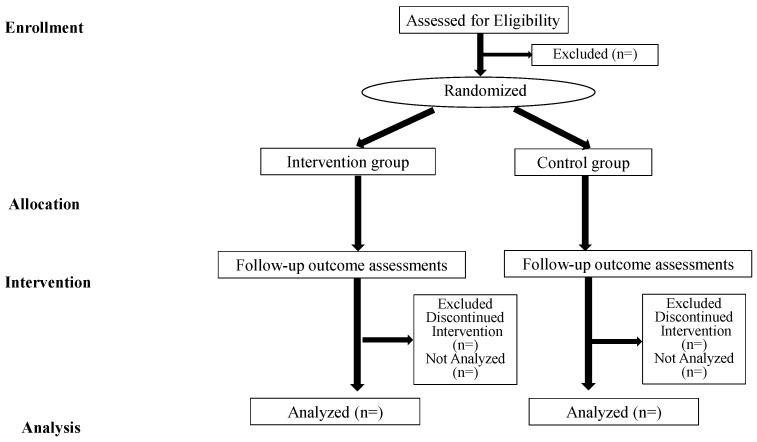
Most nursing simulation programs focus on persons' healthcare needs in hospital settings, and little is known about how to identify them in home settings. This study aims to develop and validate a virtual reality (VR) simulation program for nursing students to improve their clinical reasoning skills and confidence in assessing persons' healthcare needs in home settings. We developed a VR simulation program based on a literature review and expert discussion. In Phase 1, home visit nurses or public health nurses will validate the program through their interviews in 2022. In Phase 2, we will conduct a pilot and main single-blinded randomized trial for nursing students to confirm the effectiveness from 2022 and 2023. Participants will be randomly allocated into an intervention group using VR simulations and a control group receiving videos regarding three kinds of community residents' lives [1:1]. After obtaining informed consent, the students will submit their anonymous data to the researchers to prevent associating their grade evaluation. The primary outcome will be their clinical reasoning skills. The second outcome will include their satisfaction and self-confidence. This study will examine the effectiveness of improving their clinical reasoning skills and confidence in assessing persons' healthcare needs in home settings.
大多数护理模拟项目关注的是医院环境中人们的医疗保健需求,而对于如何在家庭环境中识别这些需求却知之甚少。本研究旨在为护理专业学生开发并验证一个虚拟现实(VR)模拟项目,以提高他们在评估家庭环境中人们的医疗保健需求时的临床推理能力和信心。我们基于文献综述和专家讨论开发了一个VR模拟项目。在第一阶段,家访护士或公共卫生护士将在2022年通过访谈对该项目进行验证。在第二阶段,我们将从2022年到2023年对护理专业学生进行试点和主要的单盲随机试验,以确认其有效性。参与者将被随机分配到使用VR模拟的干预组和接受关于三种社区居民生活视频的对照组[1:1]。在获得知情同意后,学生们将向研究人员提交他们的匿名数据,以防止将他们的成绩评估联系起来。主要结果将是他们的临床推理能力。第二个结果将包括他们的满意度和自信心。本研究将检验提高他们在评估家庭环境中人们的医疗保健需求时的临床推理能力和信心的有效性。