Hans Sakshi, Karadimou Alexandra, Mulvihill John J E, Grabrucker Andreas M, Zabetakis Ioannis
Department of Biological Sciences, University of Limerick, V94 T9PX Limerick, Ireland.
Bernal Institute, University of Limerick, V94 T9PX Limerick, Ireland.
Biomedicines. 2022 Dec 14;10(12):3250. doi: 10.3390/biomedicines10123250.
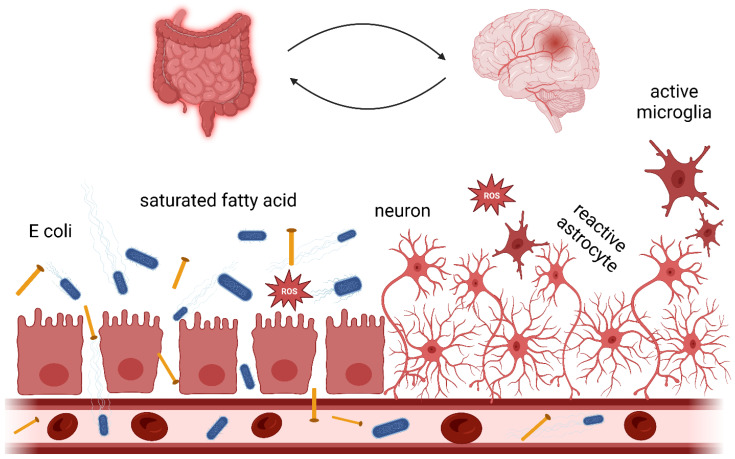
Neurodegenerative diseases are a group of disorders characterised by progressive loss of brain function. The most common of these is Alzheimer's disease, a form of dementia. Intake of macro- and micro-nutrients impacts brain function, including memory, learning, mood, and behaviour. Lipids, particularly phospholipids and sphingolipids, are crucial structural components of neural tissues and significantly affect cognitive function. The importance of functional foods in preventing cardiovascular disease is well-documented in the current literature. However, the significance of such foods for central nervous system health and neurodegenerative diseases is less recognized. Gut microbiome composition affects cognitive health and function, and dietary lipids are known to influence gut health. Thus, this review will discuss different sources of dietary lipids and their effect on cognitive functioning and their interaction with the gut microbiome in the context of neurodegenerative disease.
神经退行性疾病是一组以脑功能进行性丧失为特征的疾病。其中最常见的是阿尔茨海默病,一种痴呆症形式。常量营养素和微量营养素的摄入会影响脑功能,包括记忆、学习、情绪和行为。脂质,特别是磷脂和鞘脂,是神经组织的关键结构成分,并显著影响认知功能。功能性食品在预防心血管疾病方面的重要性在当前文献中有充分记载。然而,这类食品对中枢神经系统健康和神经退行性疾病的重要性却鲜为人知。肠道微生物群组成会影响认知健康和功能,并且已知膳食脂质会影响肠道健康。因此,本综述将讨论膳食脂质的不同来源及其对认知功能的影响,以及它们在神经退行性疾病背景下与肠道微生物群的相互作用。