Motelica Ludmila, Vasile Bogdan-Stefan, Ficai Anton, Surdu Adrian-Vasile, Ficai Denisa, Oprea Ovidiu-Cristian, Andronescu Ecaterina, Jinga Dan Corneliu, Holban Alina Maria
National Research Center for Micro and Nanomaterials, University Politehnica of Bucharest, 060042 Bucharest, Romania.
National Research Center for Food Safety, University Politehnica of Bucharest, Splaiul Independentei 313, 060042 Bucharest, Romania.
Pharmaceutics. 2022 Dec 18;14(12):2842. doi: 10.3390/pharmaceutics14122842.
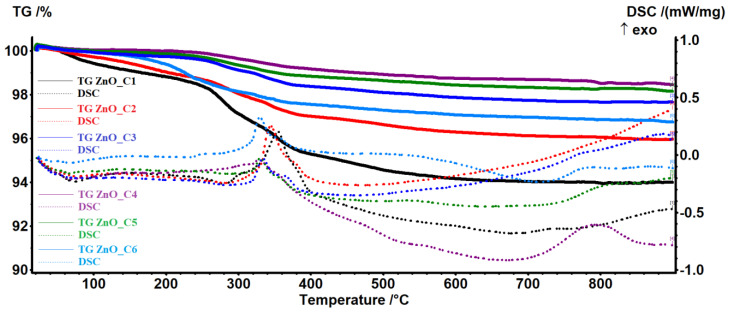
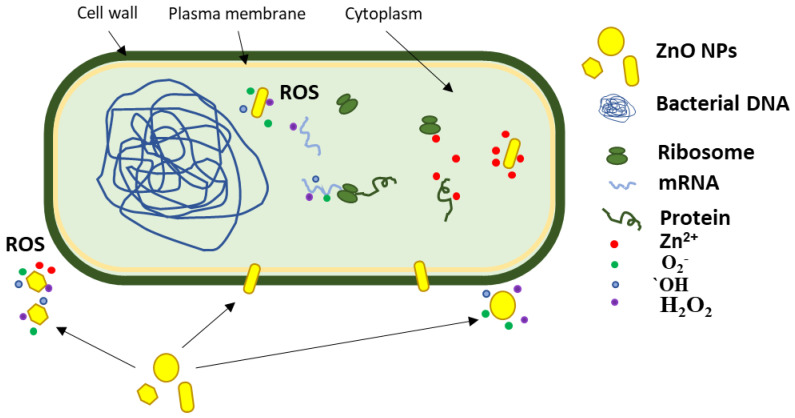
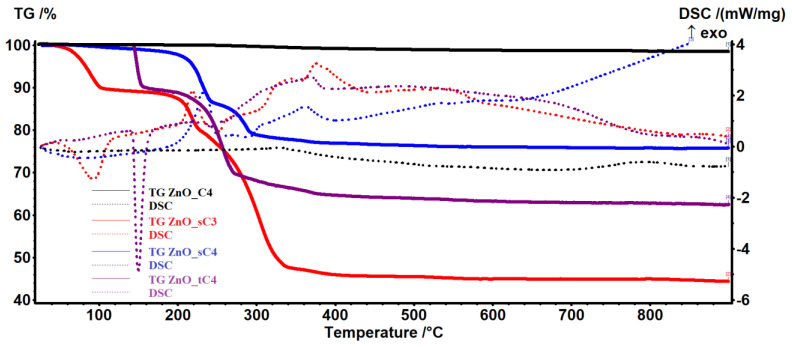
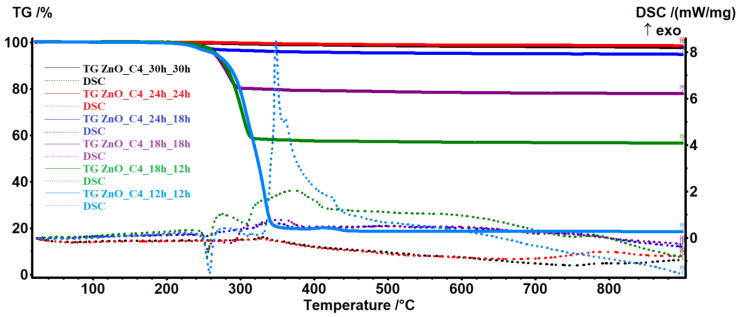
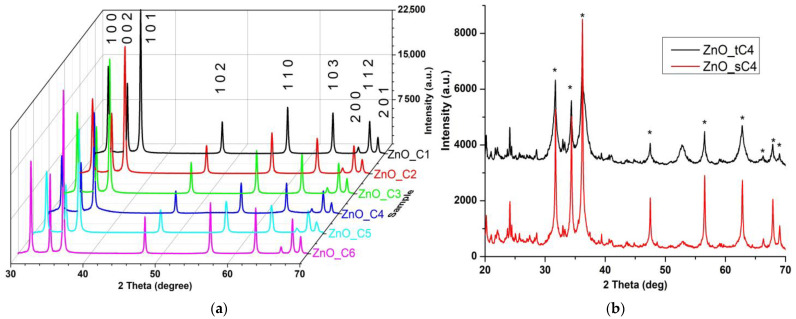
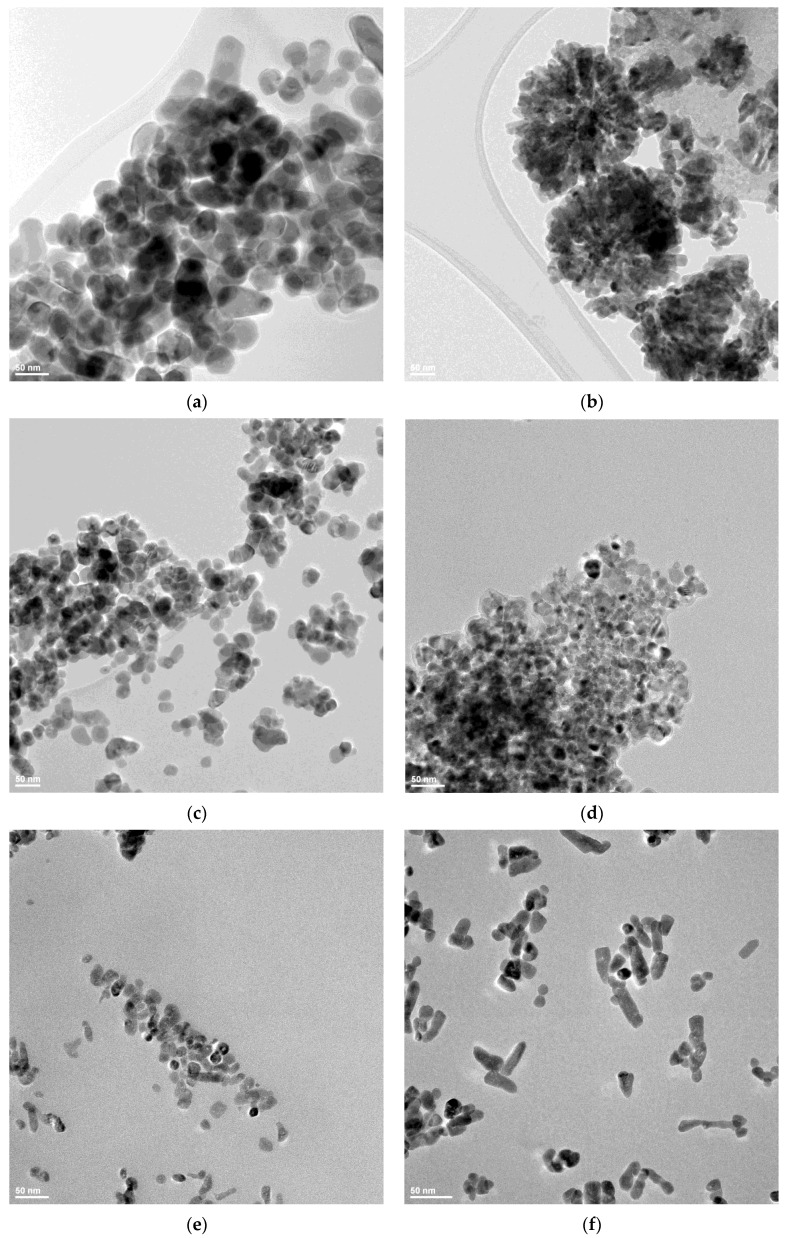
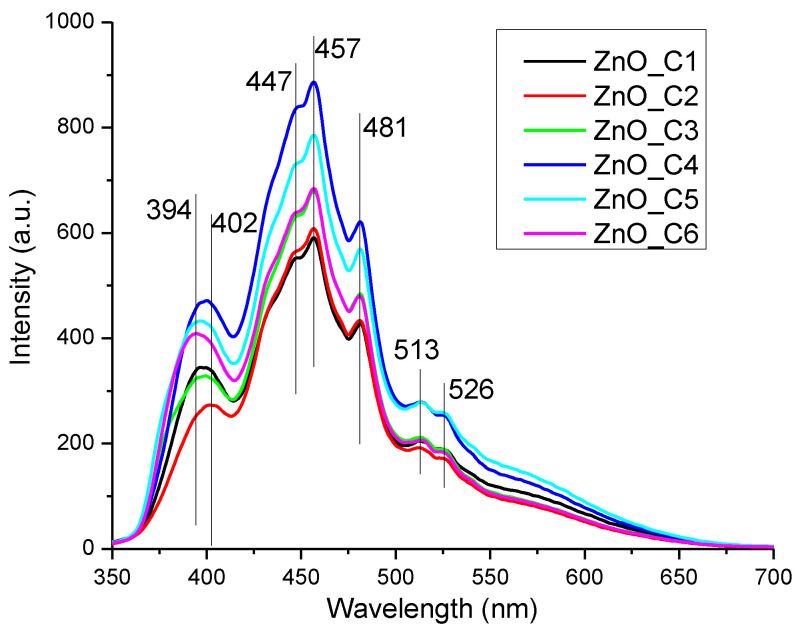
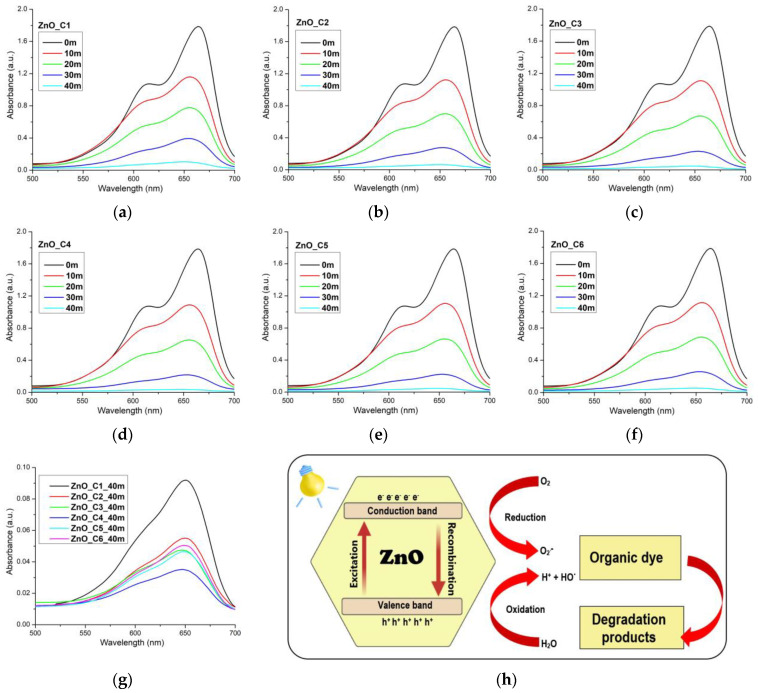
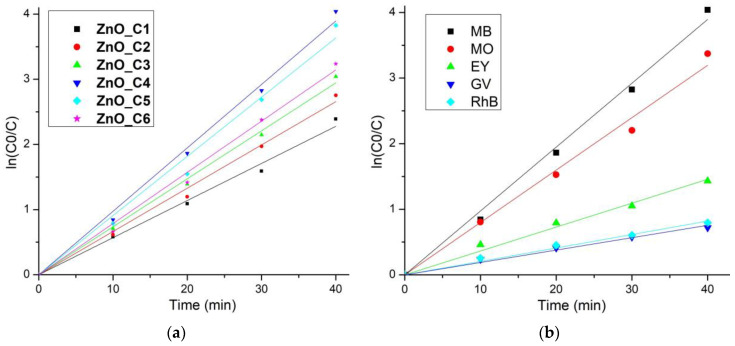
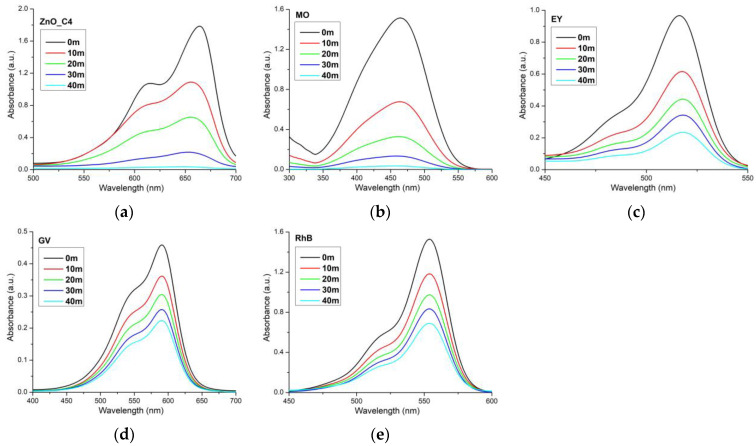
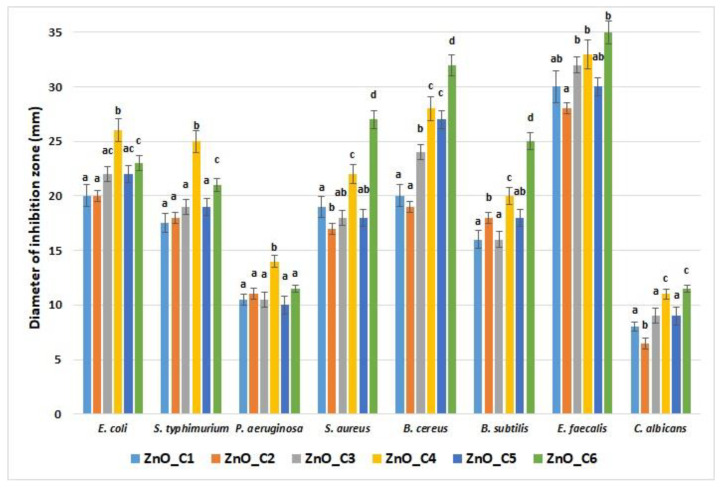
Zinc oxide (ZnO) nanomaterials are used in various health-related applications, from antimicrobial textiles to wound dressing composites and from sunscreens to antimicrobial packaging. Purity, surface defects, size, and morphology of the nanoparticles are the main factors that influence the antimicrobial properties. In this study, we are comparing the properties of the ZnO nanoparticles obtained by solvolysis using a series of alcohols: primary from methanol to 1-hexanol, secondary (2-propanol and 2-butanol), and tertiary (tert-butanol). While the synthesis of ZnO nanoparticles is successfully accomplished in all primary alcohols, the use of secondary or tertiary alcohols does not lead to ZnO as final product, underlining the importance of the used solvent. The shape of the obtained nanoparticles depends on the alcohol used, from quasi-spherical to rods, and consequently, different properties are reported, including photocatalytic and antimicrobial activities. In the photocatalytic study, the ZnO obtained in 1-butanol exhibited the best performance against methylene blue (MB) dye solution, attaining a degradation efficiency of 98.24%. The comparative study among a series of usual model dyes revealed that triarylmethane dyes are less susceptible to photo-degradation. The obtained ZnO nanoparticles present a strong antimicrobial activity on a broad range of microorganisms (bacterial and fungal strains), the size and shape being the important factors. This permits further tailoring for use in medical applications.
氧化锌(ZnO)纳米材料被用于各种与健康相关的应用中,从抗菌纺织品到伤口敷料复合材料,从防晒霜到抗菌包装。纳米颗粒的纯度、表面缺陷、尺寸和形态是影响抗菌性能的主要因素。在本研究中,我们比较了通过使用一系列醇类进行溶剂分解法获得的ZnO纳米颗粒的性能:从甲醇到1-己醇的伯醇、仲醇(2-丙醇和2-丁醇)以及叔醇(叔丁醇)。虽然在所有伯醇中都成功完成了ZnO纳米颗粒的合成,但使用仲醇或叔醇并不会得到最终产物ZnO,这突出了所用溶剂的重要性。所获得的纳米颗粒的形状取决于所使用的醇类,从准球形到棒状,因此,报道了不同的性能,包括光催化和抗菌活性。在光催化研究中,在1-丁醇中获得的ZnO对亚甲基蓝(MB)染料溶液表现出最佳性能,降解效率达到98.24%。一系列常用模型染料之间的比较研究表明,三芳基甲烷染料较不易受到光降解。所获得的ZnO纳米颗粒对广泛的微生物(细菌和真菌菌株)具有很强的抗菌活性,尺寸和形状是重要因素。这使得其在医疗应用中可进一步定制使用。