Office of Research and Development, Center for Public Health and Environmental Assessment, US Environmental Protection Agency, USA.
Center for Environmental Research and Children's Health (CERCH), School of Public Health, University of California, Berkeley, CA, USA.
Environ Res. 2023 Mar 1;220:115148. doi: 10.1016/j.envres.2022.115148. Epub 2022 Dec 26.
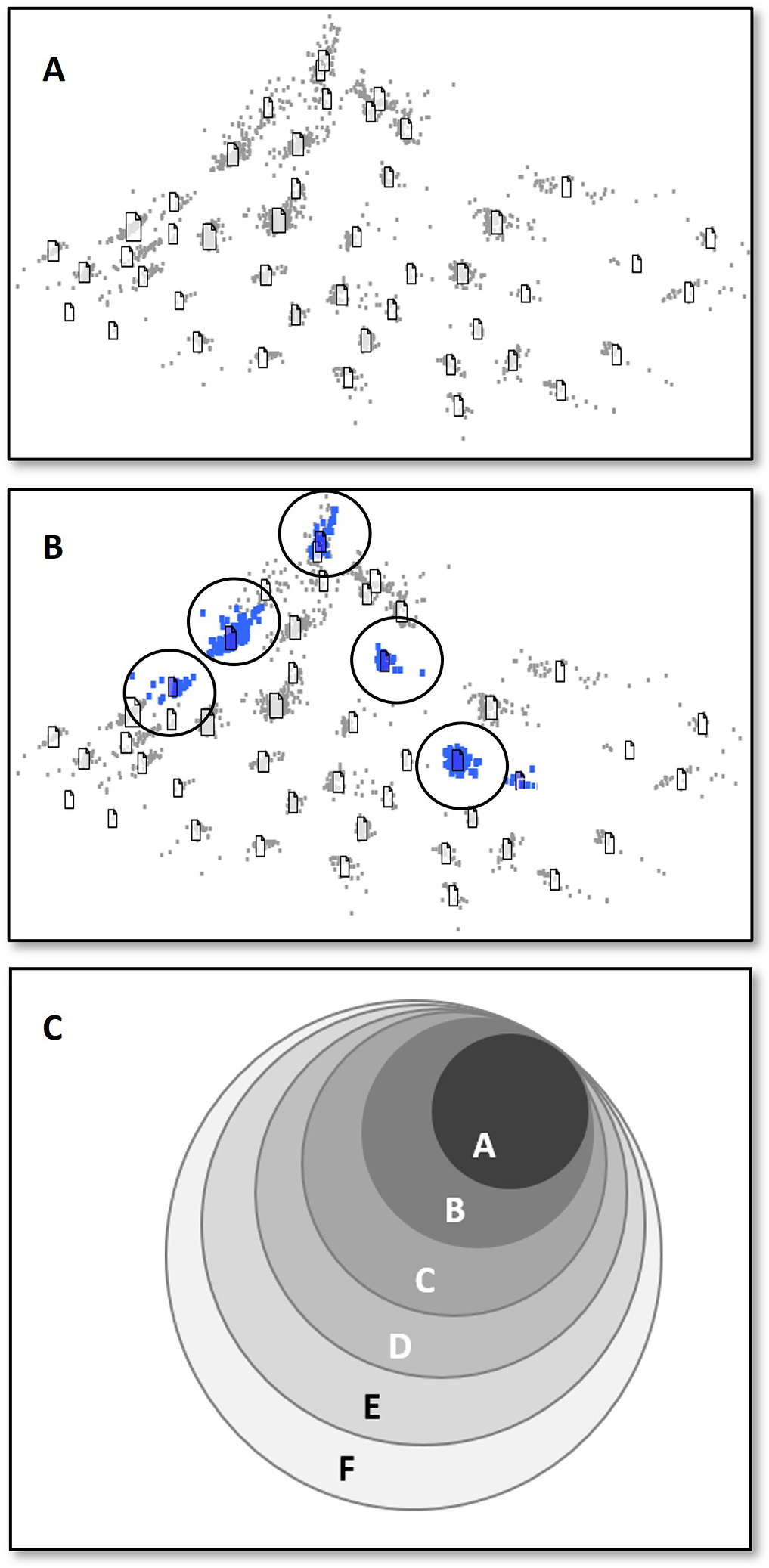
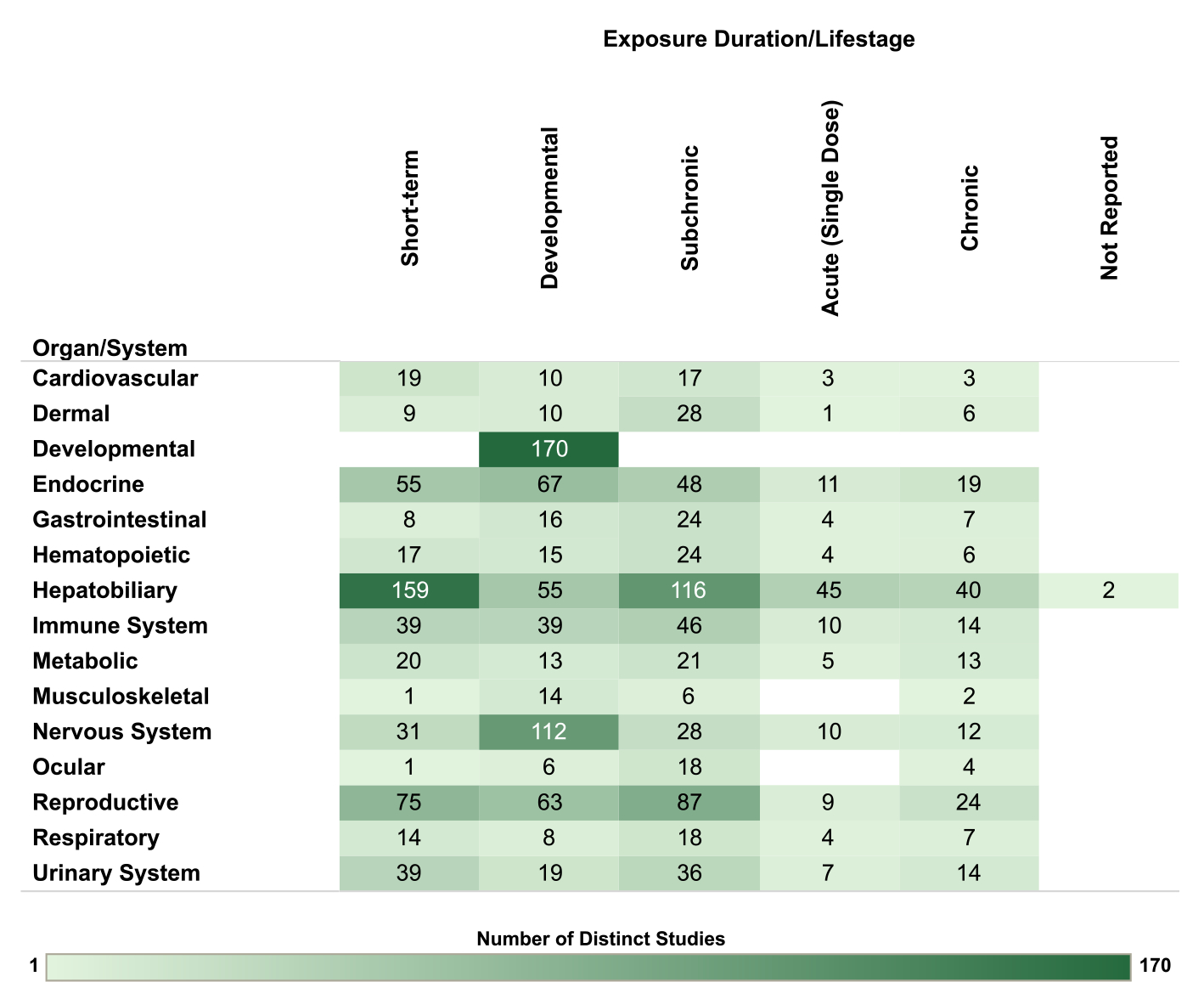
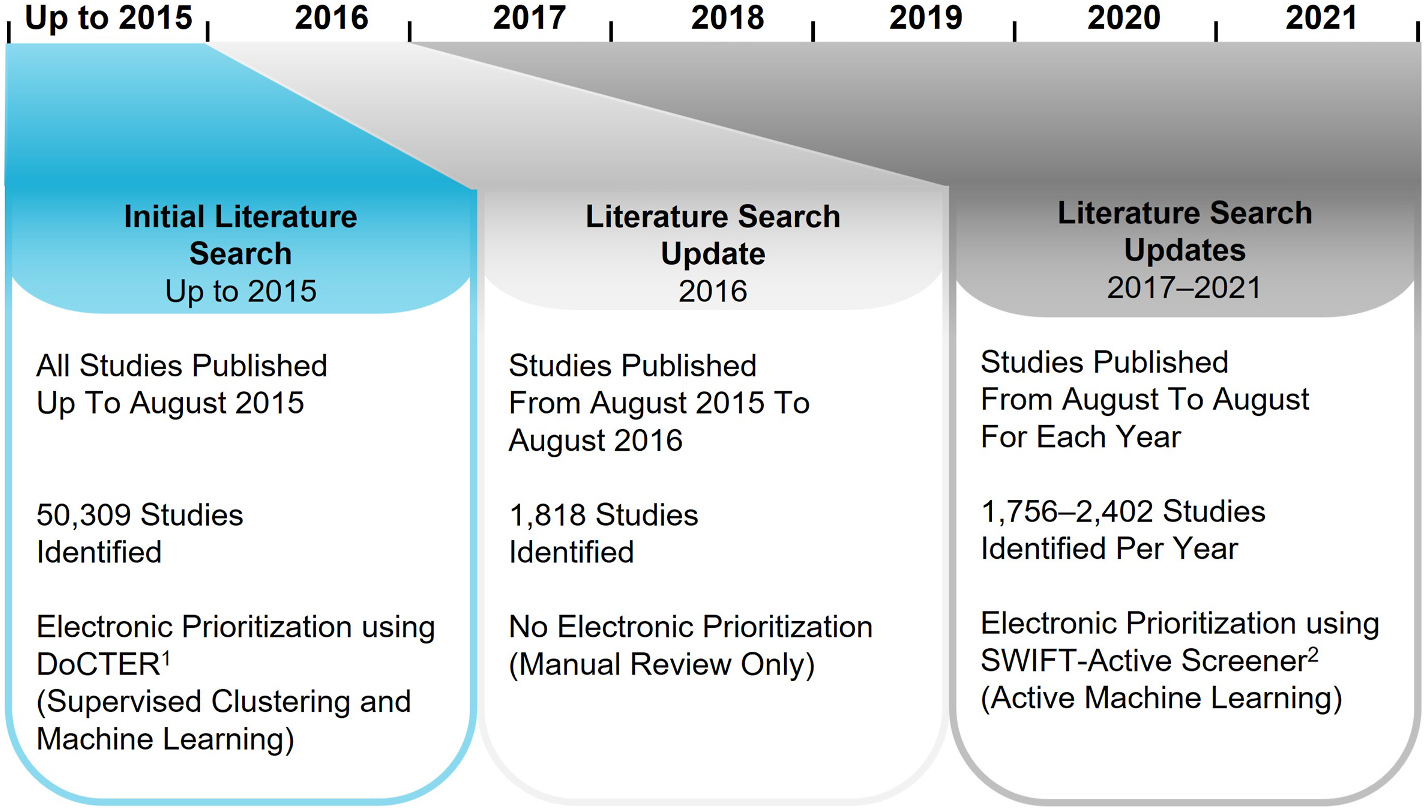
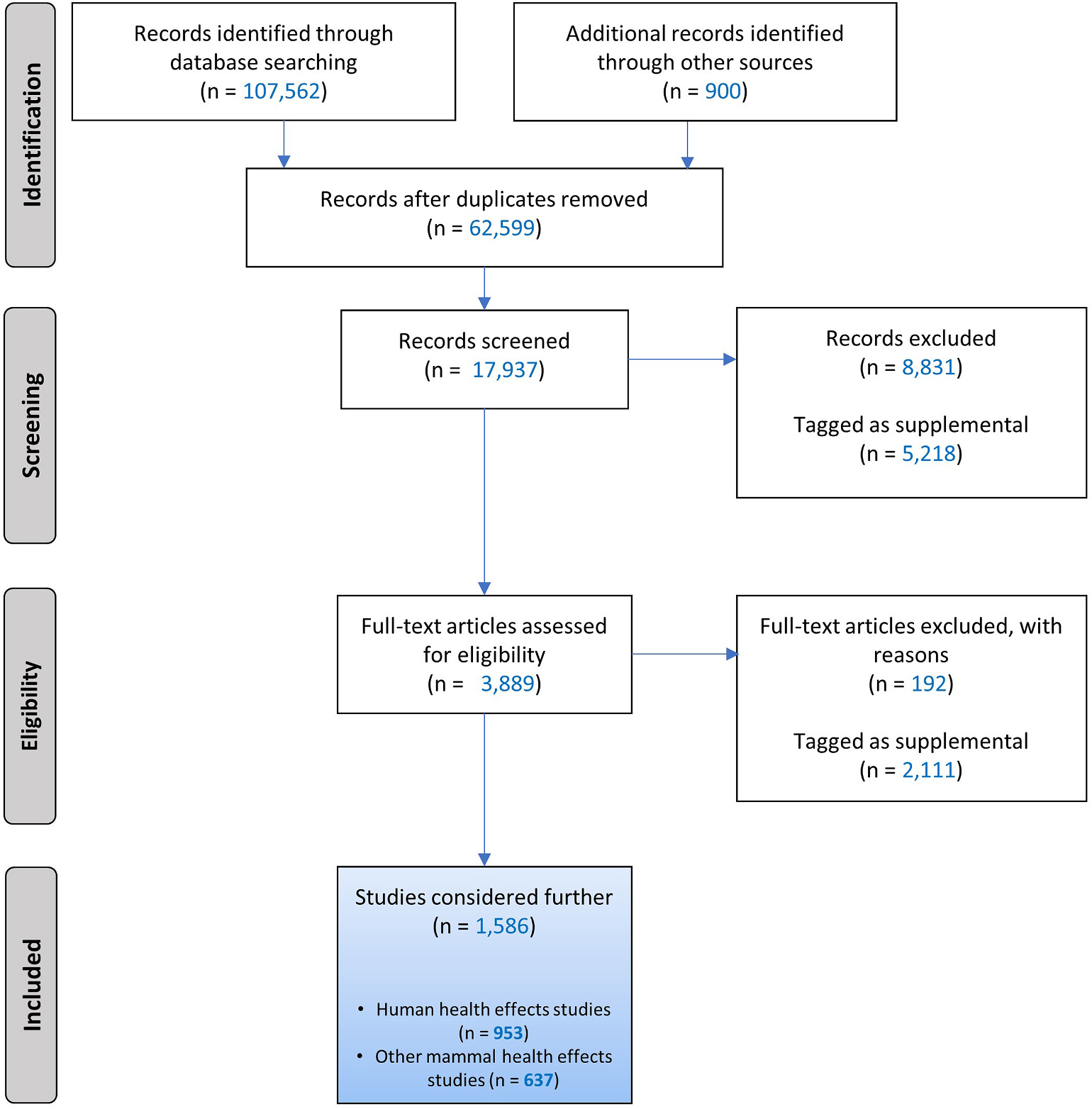
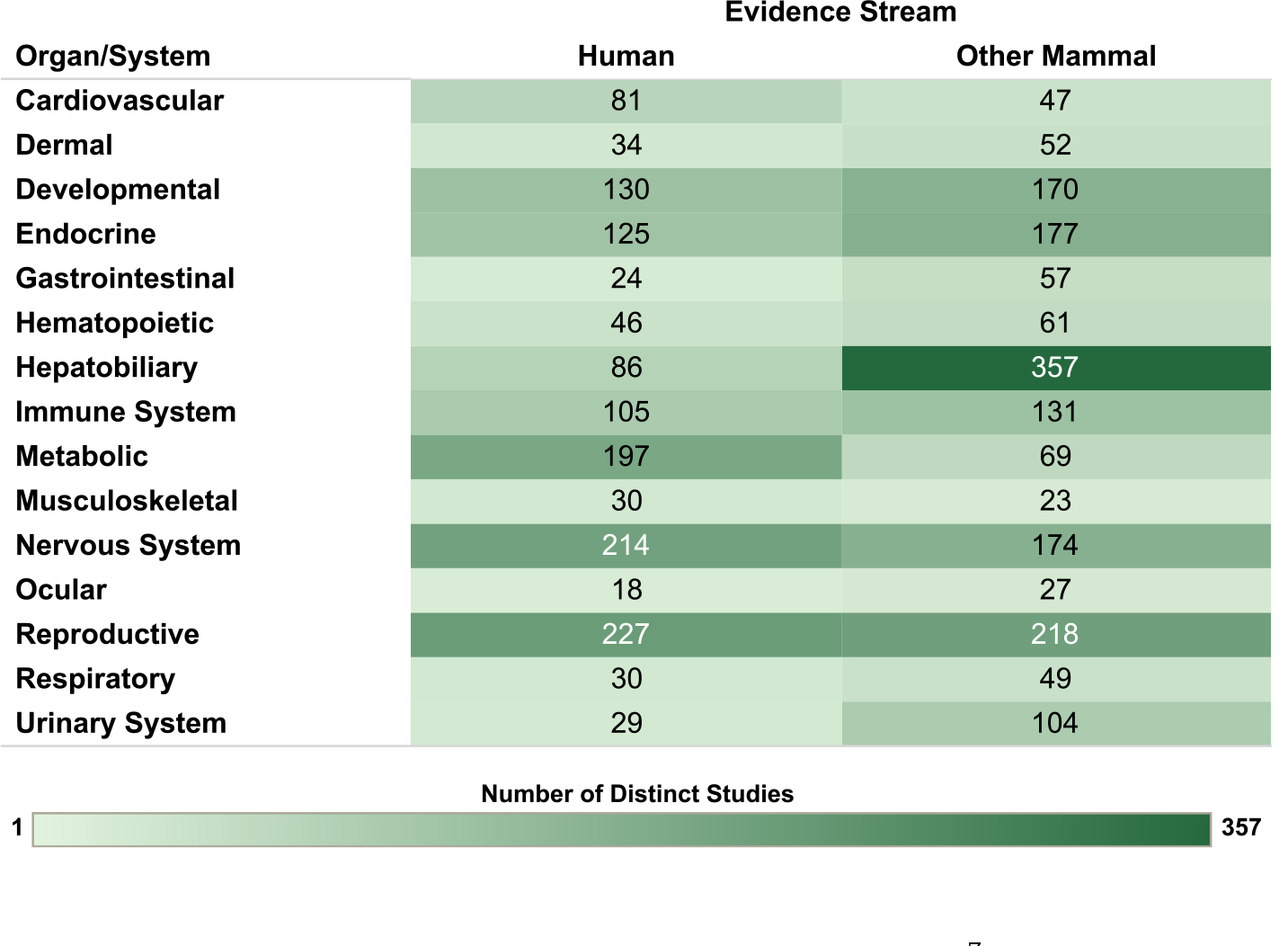
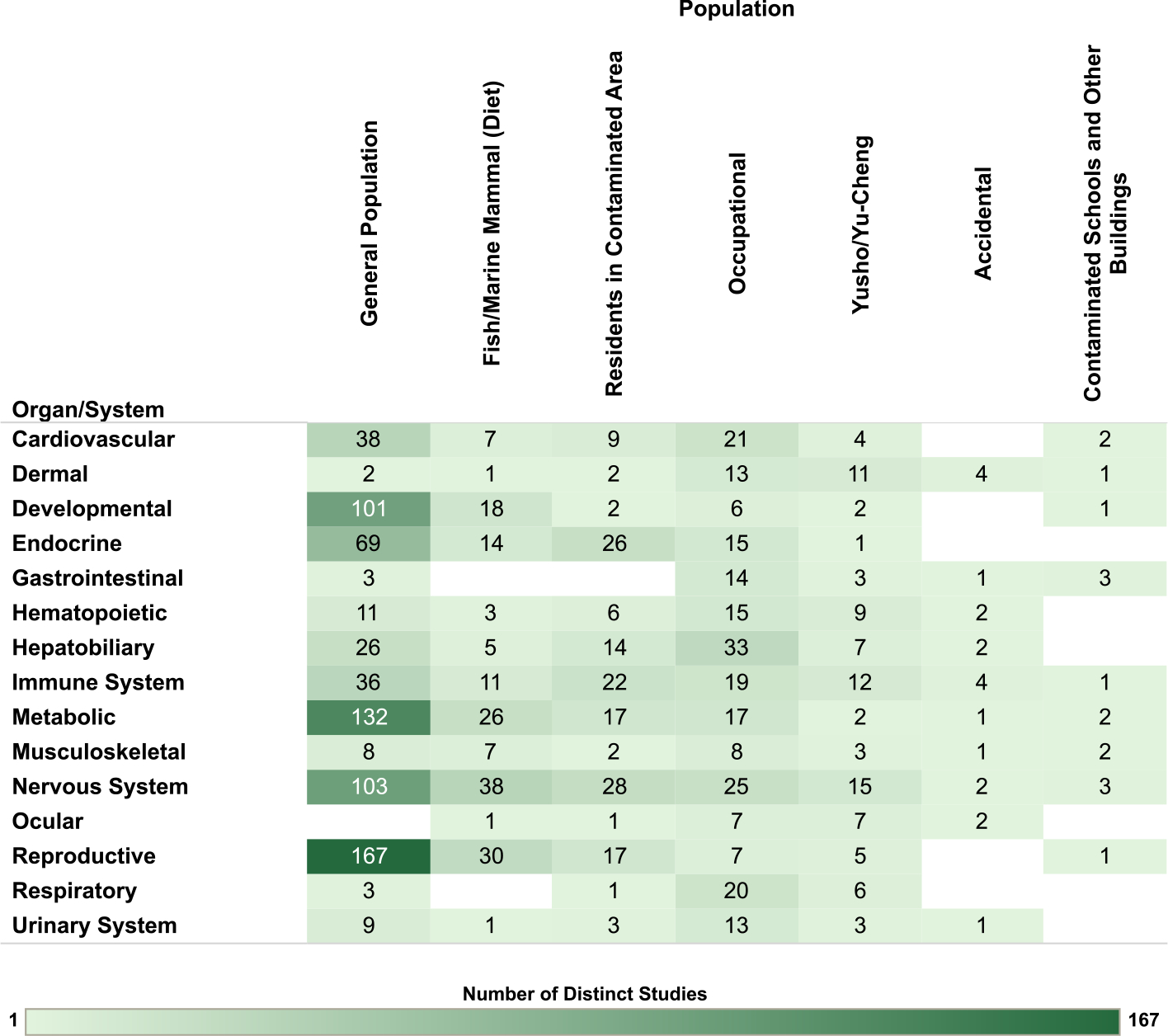
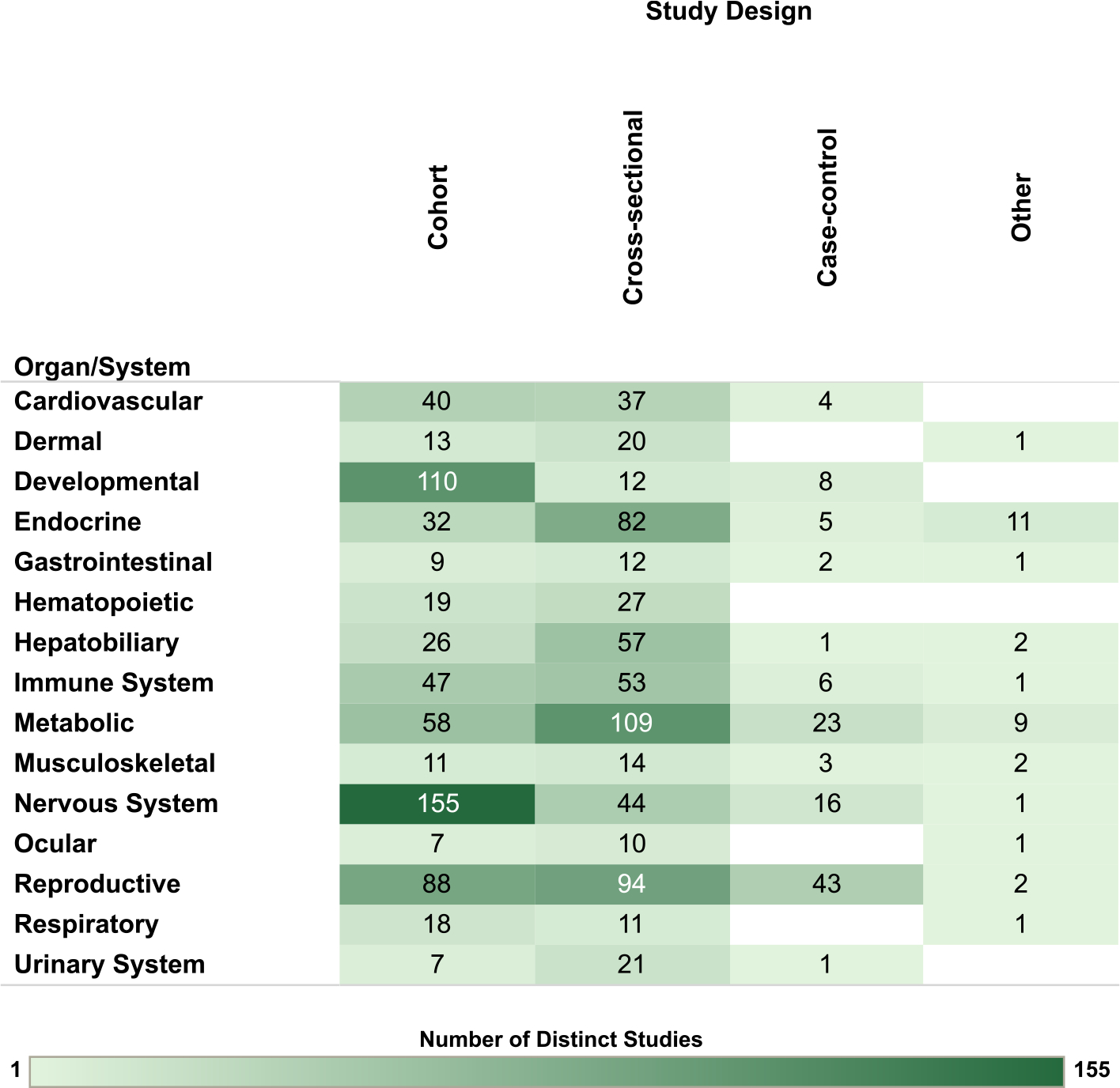
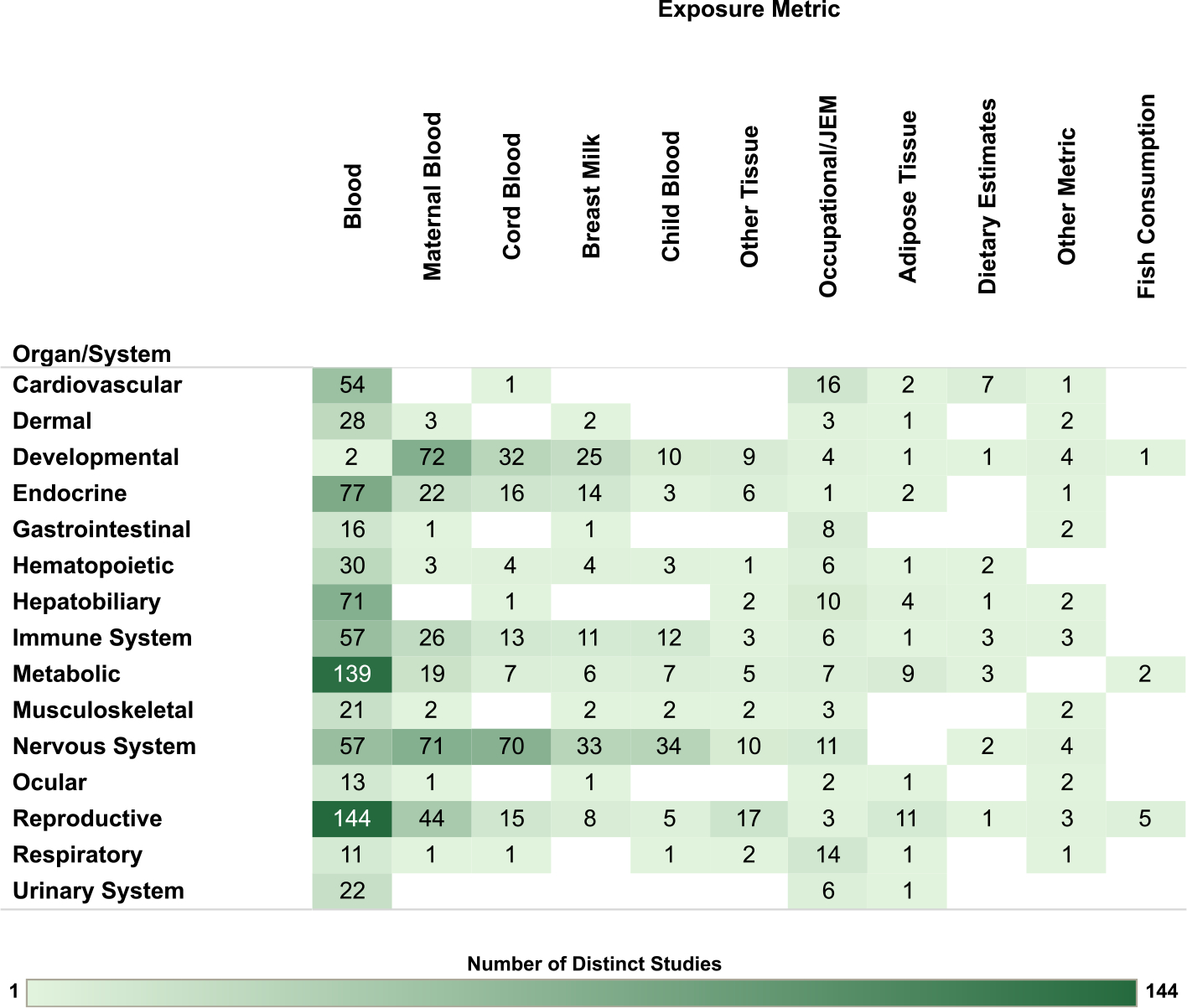
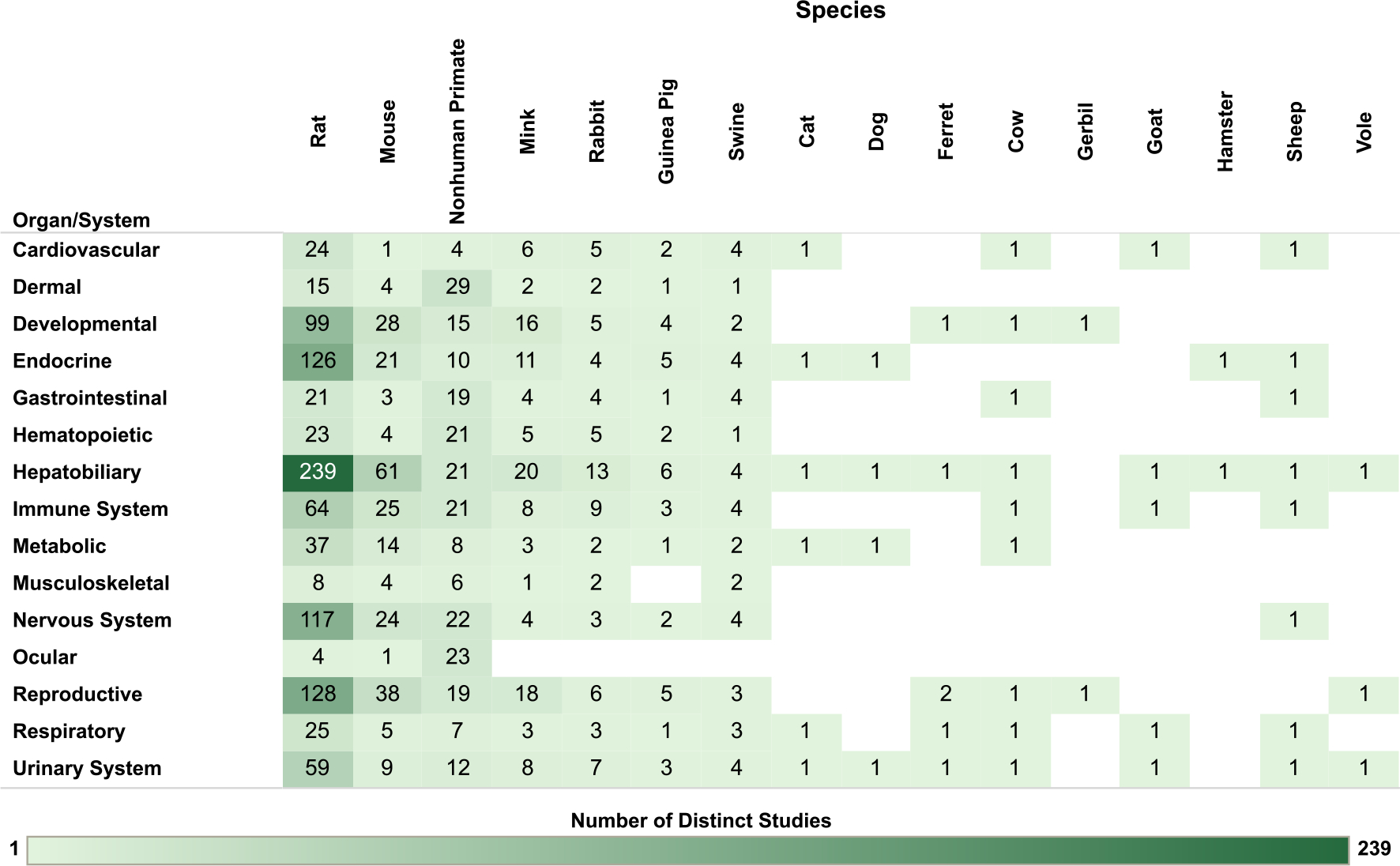
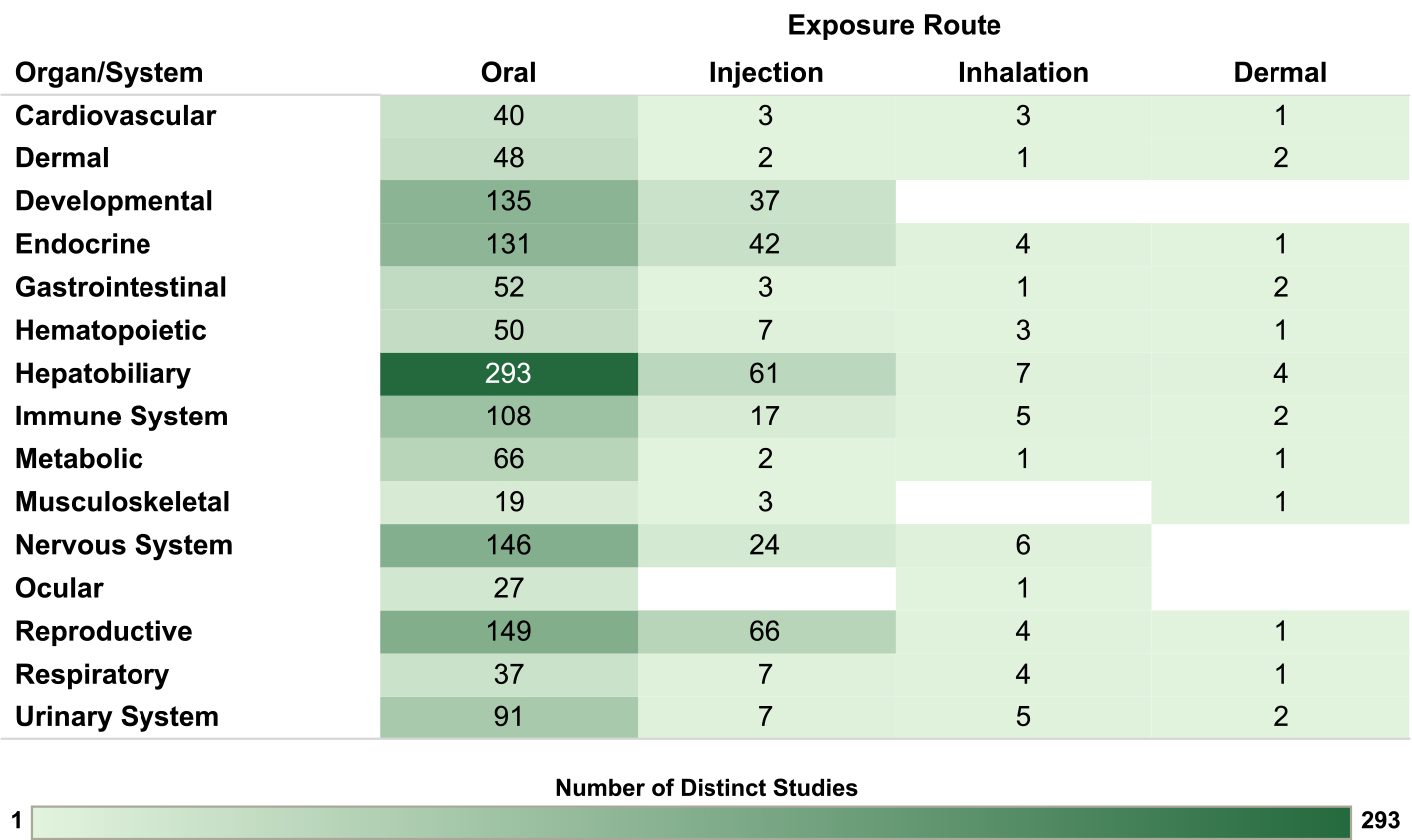
Assessing health outcomes associated with exposure to polychlorinated biphenyls (PCBs) is important given their persistent and ubiquitous nature. PCBs are classified as a Group 1 carcinogen, but the full range of potential noncancer health effects from exposure to PCBs has not been systematically summarized and evaluated. We used systematic review methods to identify and screen the literature using combined manual review and machine learning approaches. A protocol was developed that describes the literature search strategy and Populations, Exposures, Comparators, and Outcomes (PECO) criteria used to facilitate subsequent screening and categorization of literature into a systematic evidence map of PCB exposure and noncancer health endpoints across 15 organs/systems. A comprehensive literature search yielded 62,599 records. After electronic prioritization steps, 17,037 studies were manually screened at the title and abstract level. An additional 900 studies identified by experts or supplemental searches were also included. After full-text screening of 3889 references, 1586 studies met the PECO criteria. Relevant study details such as the endpoints assessed, exposure duration, and species were extracted into literature summary tables. This review compiles and organizes the human and mammalian studies from these tables into an evidence map for noncancer health endpoints and PCB mixture exposure to identify areas of robust research as well as areas of uncertainty that would benefit from future investigation. Summary data are available online as interactive visuals with downloadable metadata. Sufficient research is available to inform PCB hazard assessments for most organs/systems, but the amount of data to inform associations with specific endpoints differs. Furthermore, despite many years of research, sparse data exist for inhalation and dermal exposures, which are highly relevant human exposure routes. This evidence map provides a foundation for future systematic reviews and noncancer hazard assessments of PCB mixtures and for strategic planning of research to inform areas of greater uncertainty.
评估与多氯联苯 (PCBs) 暴露相关的健康结果非常重要,因为它们具有持久性和普遍性。PCBs 被归类为第 1 组致癌物质,但暴露于 PCBs 可能产生的所有潜在非癌症健康影响尚未得到系统总结和评估。我们使用系统评价方法,采用手动审查和机器学习相结合的方法来识别和筛选文献。制定了一项方案,描述了文献搜索策略以及用于促进随后筛选和将文献分类为 PCB 暴露和 15 个器官/系统的非癌症健康终点的系统证据图的人群、暴露、对照和结局 (PECO) 标准。全面的文献搜索产生了 62599 条记录。经过电子优先级步骤后,对 17037 项研究进行了标题和摘要层面的手动筛选。专家或补充搜索确定的另外 900 项研究也包括在内。在对 3889 篇参考文献进行全文筛选后,有 1586 项研究符合 PECO 标准。将相关研究细节,如评估的终点、暴露持续时间和物种,提取到文献摘要表中。本综述将这些表格中的人类和哺乳动物研究汇编并组织成非癌症健康终点和 PCB 混合物暴露的证据图,以确定具有强大研究基础的领域以及需要进一步研究的不确定性领域。汇总数据可在线获取,并以可交互的视觉效果和可下载的元数据呈现。大多数器官/系统都有足够的研究来为 PCB 危害评估提供信息,但告知特定终点关联的数据量有所不同。此外,尽管进行了多年的研究,但对于吸入和皮肤暴露,这两种高度相关的人类暴露途径,数据仍然很少。该证据图为未来对 PCB 混合物进行非癌症危害评估和系统评价以及为告知不确定性更大的领域制定研究战略提供了基础。