Key Laboratory of Functional Dairy, Co-constructed by Ministry of Education and Beijing Government, Department of Nutrition and Health, China Agricultural University, Beijing 100190, China.
Hebei Engineering Research Center of Animal Product, Langfang 065200, China.
Nutrients. 2022 Dec 22;15(1):51. doi: 10.3390/nu15010051.
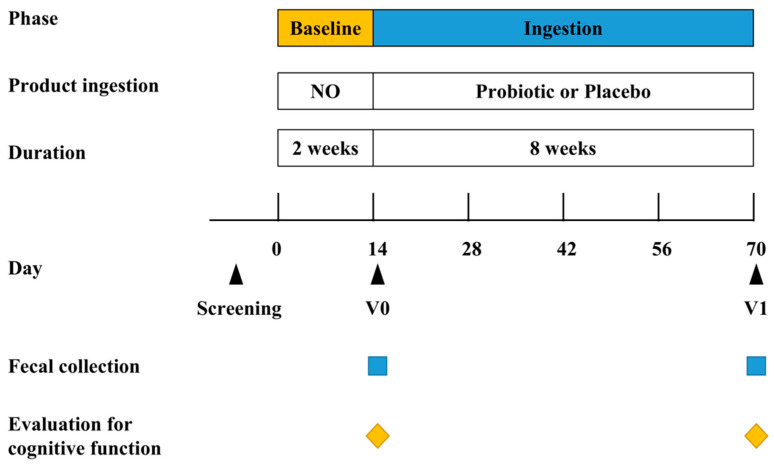
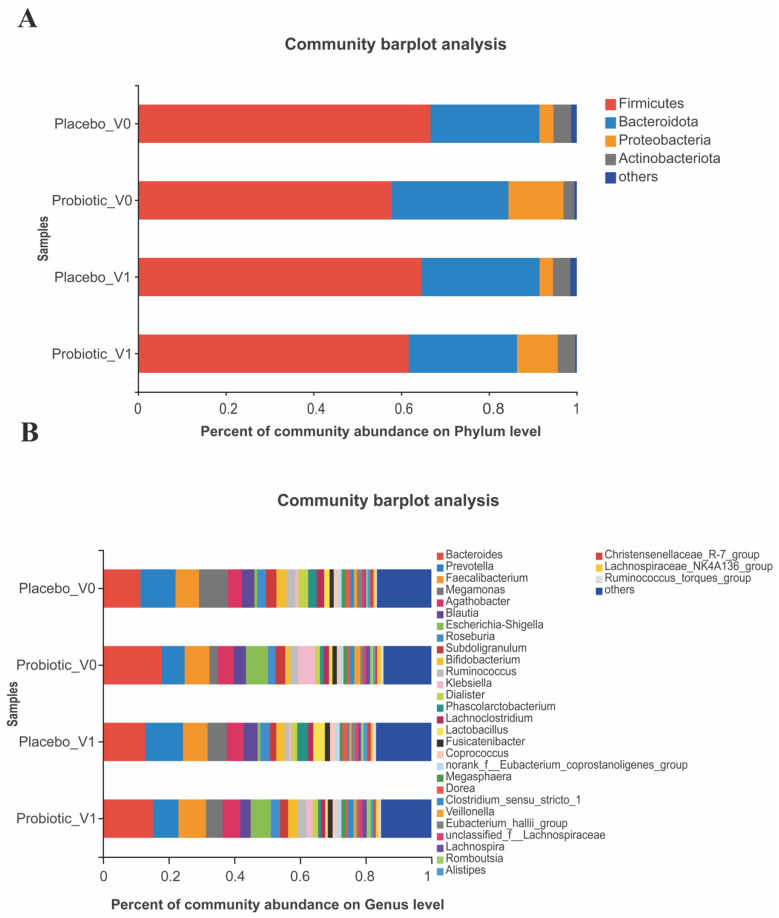
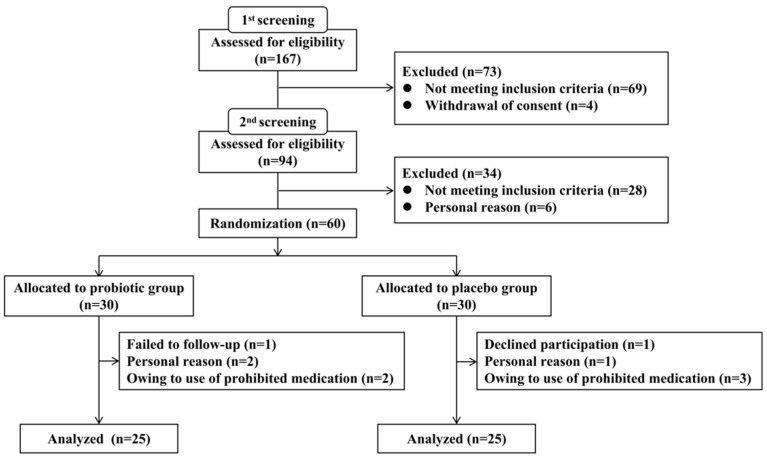
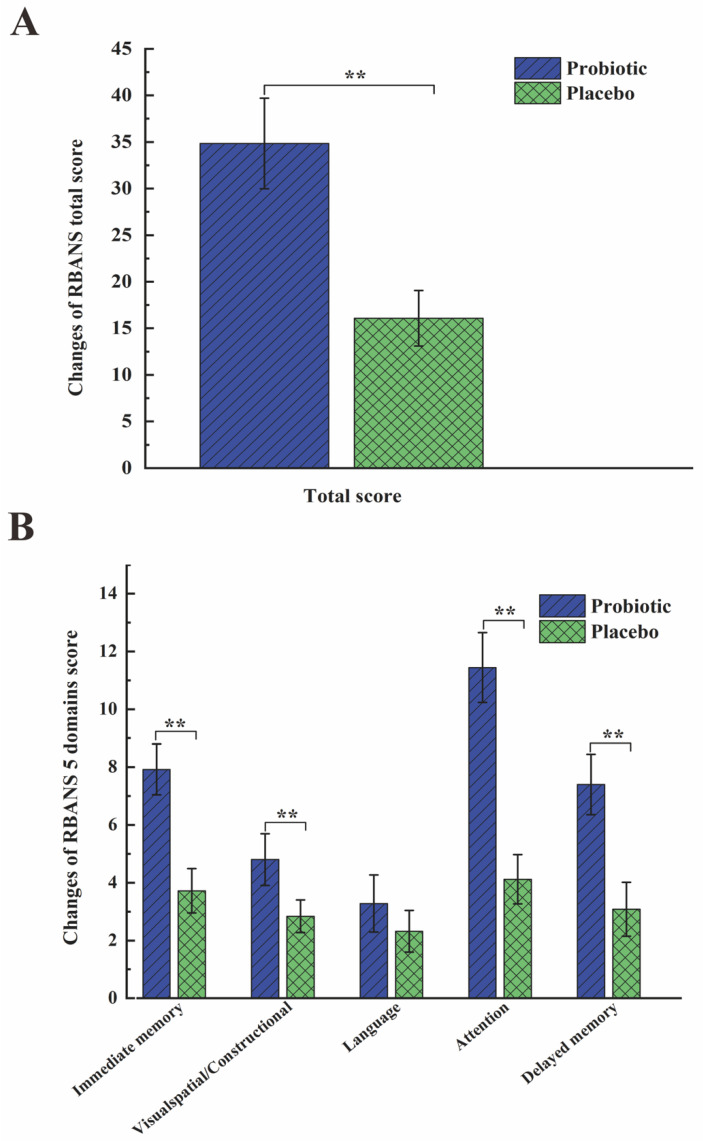
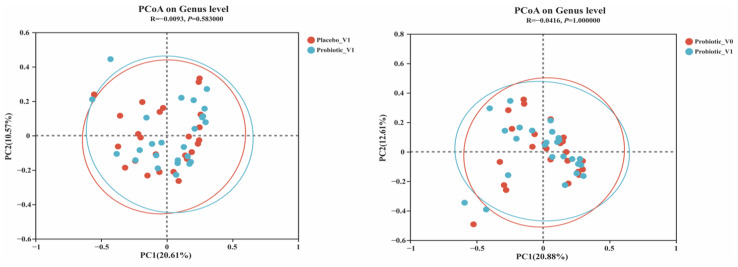
Probiotics could improve cognitive functions in patients with neurological disorders such as Alzheimer’s disease, but the effects on cognitive function in healthy older adults without cognitive impairment need further study. The purpose of this study was to investigate the effect of Bifidobacterium longum BB68S (BB68S) on cognitive functions among healthy older adults without cognitive impairment. A randomized, double-blind, placebo-controlled trial was conducted with 60 healthy older adults without cognitive impairment who were divided into probiotic or placebo groups and required to consume either a sachet of probiotic (BB68S, 5 × 10¹⁰ CFU/sachet) or placebo once daily for 8 weeks. The Montreal Cognitive Assessment (MoCA) was used as an inclusion screening tool to screen elderly participants with healthy cognitive function in our study, and the Repeatable Battery for the Assessment of Neuropsychological Status (RBANS) was used to assess cognitive function in subjects before and after intervention as an assessment tool. BB68S significantly improved subjects’ cognitive functions (total RBANS score increased by 18.89 points after intervention, p < 0.0001), especially immediate memory, visuospatial/constructional, attention, and delayed memory domains. BB68S intervention increased the relative abundances of beneficial bacteria Lachnospira, Bifidobacterium, Dorea, and Cellulosilyticum, while decreasing those of bacteria related to cognition impairment, such as Collinsella, Parabacteroides, Tyzzerella, Bilophila, unclassified_c_Negativicutes, Epulopiscium, Porphyromonas, and Granulicatella. In conclusion, BB68S could improve cognitive functions in healthy elderly adults without cognitive impairment, along with having beneficial regulatory effects on their gut microbiota. This study supports probiotics as a strategy to promote healthy aging and advances cognitive aging research.
益生菌可能改善神经障碍患者的认知功能,如阿尔茨海默病,但对无认知障碍的健康老年人群的认知功能的影响仍需进一步研究。本研究旨在探讨长双歧杆菌 BB68S(BB68S)对无认知障碍的健康老年人群认知功能的影响。一项随机、双盲、安慰剂对照试验纳入了 60 名无认知障碍的健康老年人,将他们分为益生菌或安慰剂组,要求他们每天服用 1 袋益生菌(BB68S,5×1010 CFU/袋)或安慰剂,持续 8 周。蒙特利尔认知评估(MoCA)作为纳入筛选工具,用于筛选我们研究中认知功能健康的老年参与者,而重复性成套神经心理状态评估量表(RBANS)则用于评估干预前后受试者的认知功能作为评估工具。BB68S 显著改善了受试者的认知功能(干预后总 RBANS 评分增加 18.89 分,p<0.0001),特别是即时记忆、视空间/结构、注意力和延迟记忆领域。BB68S 干预增加了有益菌lachnospira、双歧杆菌、Dorea 和 Cellulosilyticum 的相对丰度,同时降低了与认知障碍相关的细菌,如 Collinsella、Parabacteroides、Tyzzerella、Bilophila、unclassified_c_Negativicutes、Epulopiscium、Porphyromonas 和 Granulicatella。总之,BB68S 可改善无认知障碍的健康老年人群的认知功能,并对其肠道微生物群具有有益的调节作用。本研究支持益生菌作为促进健康老龄化的策略,并推进认知老化研究。