Zarnegar Arman, Ong Joshua, Matsyaraja Tejaswini, Arora Supriya, Chhablani Jay
Department of Ophthalmology, University of Pittsburgh School of Medicine, Pittsburgh, PA, USA.
Sarojini Devi Eye Hospital, Hyderabad, India.
Int J Retina Vitreous. 2023 Jan 20;9(1):3. doi: 10.1186/s40942-023-00443-2.
Central serous chorioretinopathy (CSCR) is a potentially blinding choroidal disease. Despite decades of research, the pathological mechanisms of CSCR are still poorly understood. In recent years, there has been a strong emphasis on choroidal dysfunction as a primary cause of CSCR.
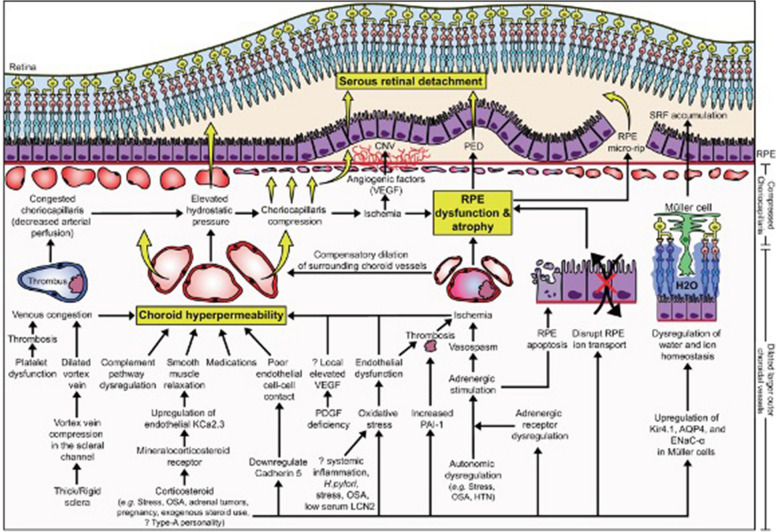
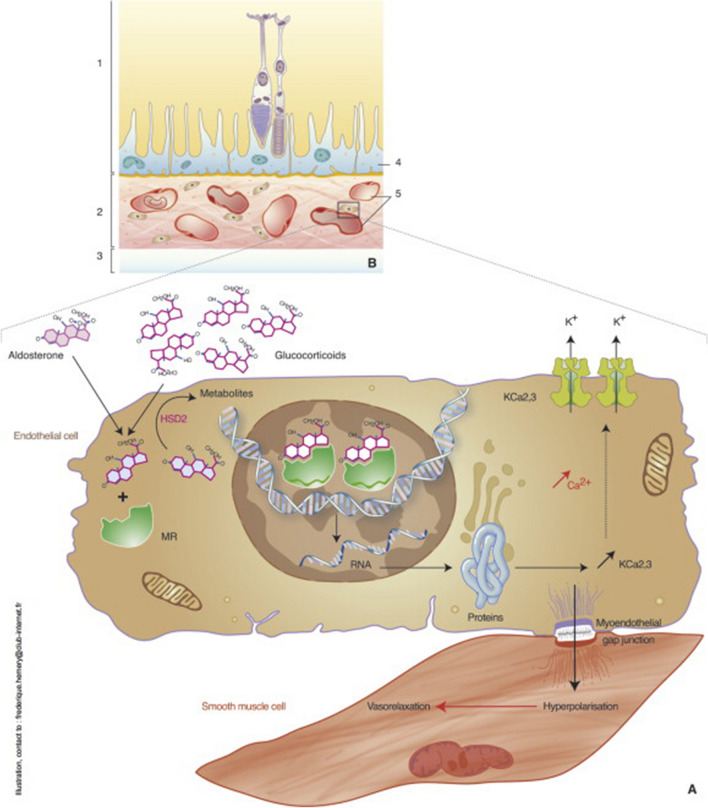
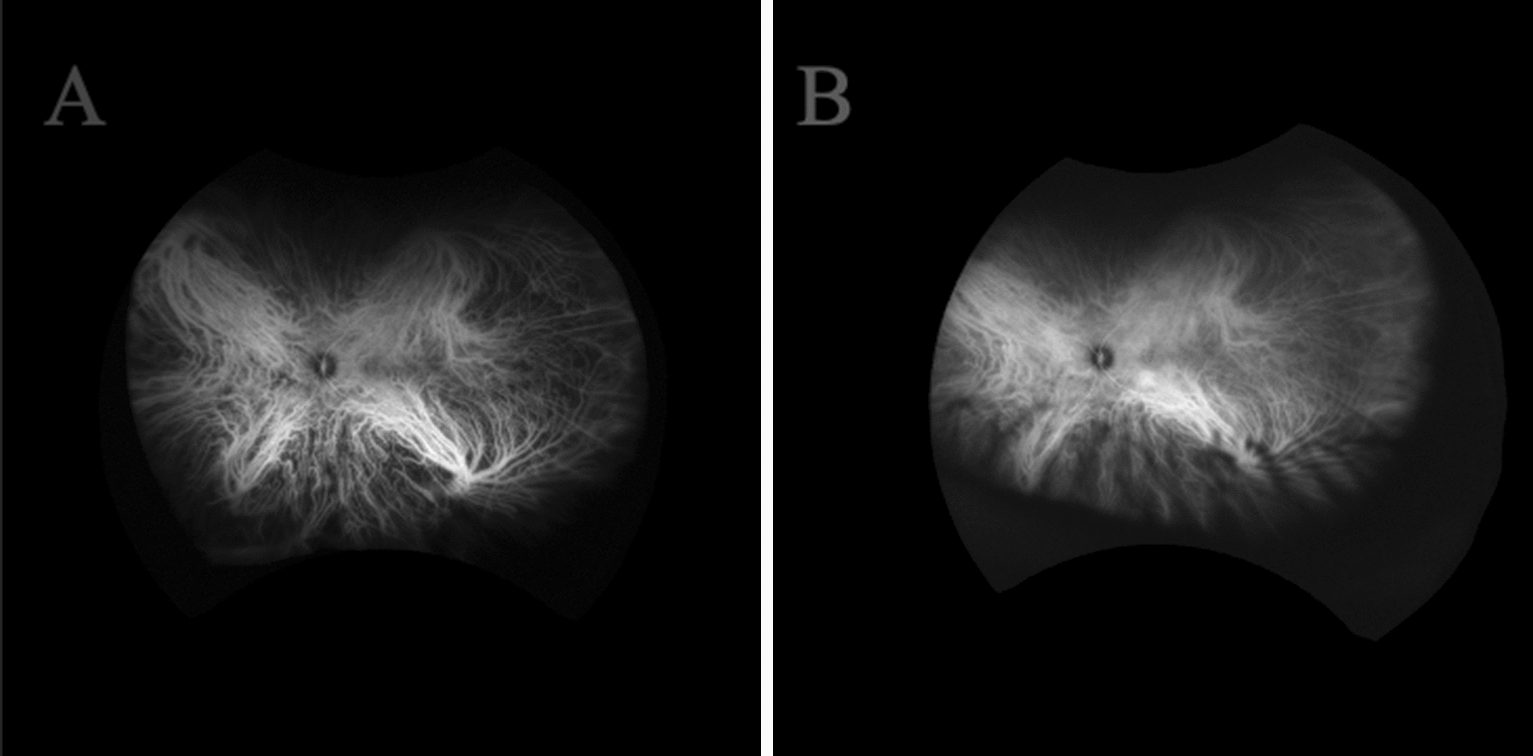
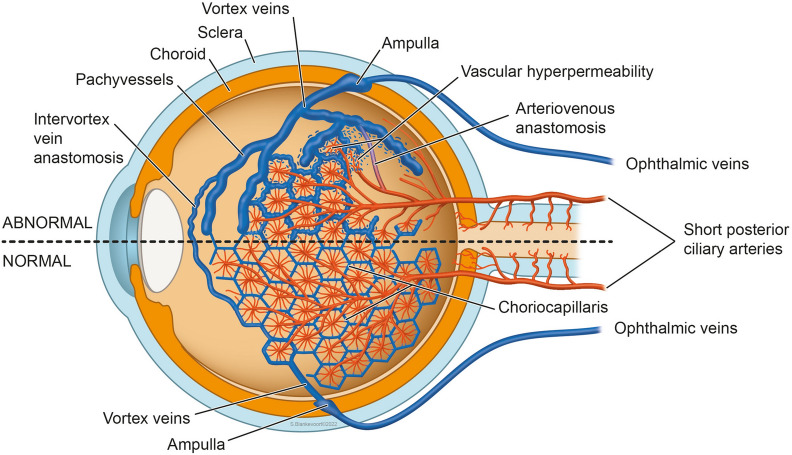
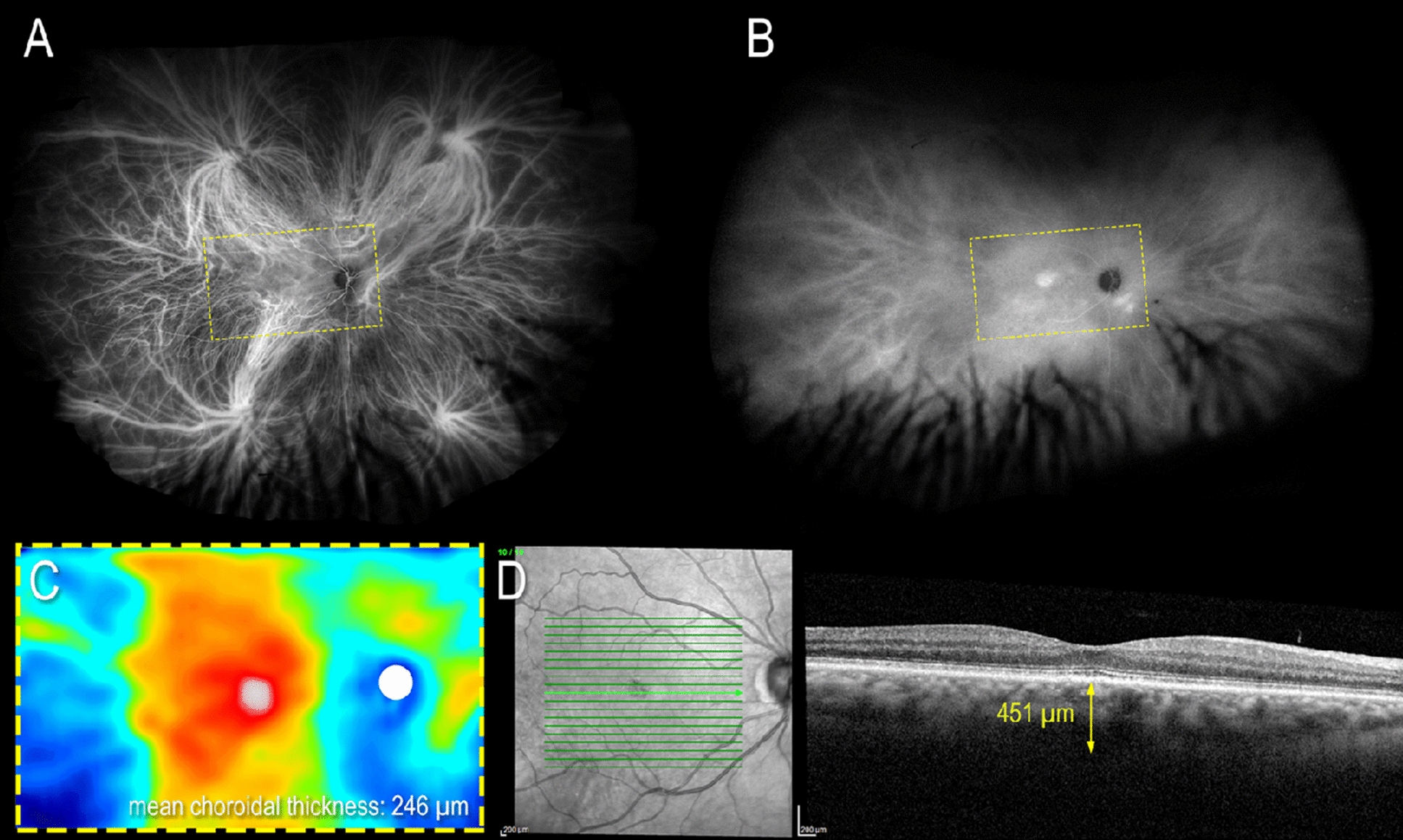
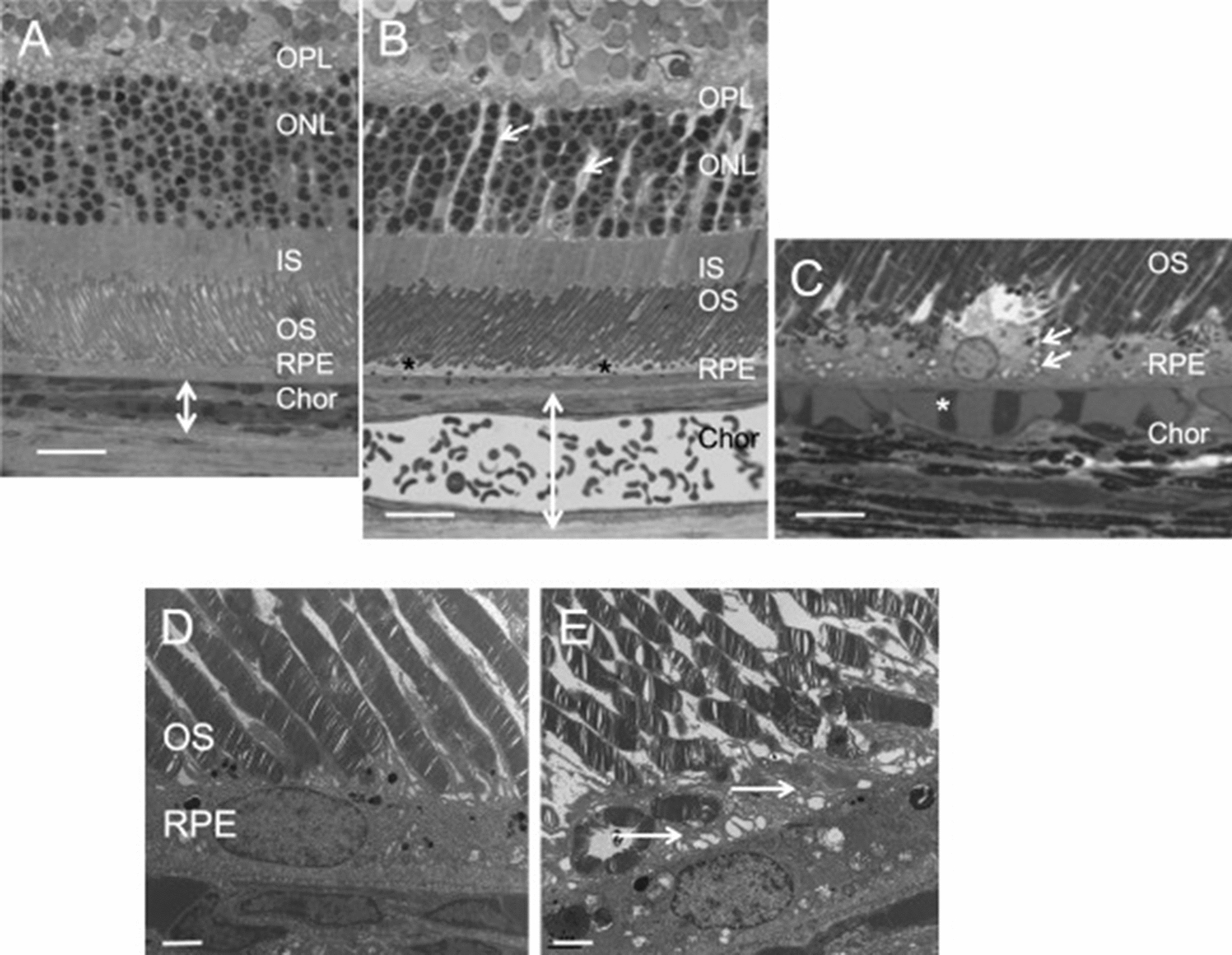
The concept of the pachychoroid disease spectrum and pachychoroid-driven processes are central to current theories regarding the pathophysiological underpinnings of CSCR. Choroidal hyperpermeability and subsequent leakage of fluid seen in CSCR may be due to several causes. Among them are venous congestion, inflammation, mineralocorticoid receptor activation, systemic factors including hemodynamic changes, obstructive sleep apnea, phosphodiesterase inhibitor use, pregnancy, and genetic predispositions. Congestion of vortex veins that drain blood from the choroid may contribute to the dilation of Haller vessels and cause fluid leakage. Vortex veins exit the eye through the sclera; thus, increased scleral thickness has been proposed to be a factor in venous congestion. Asymmetric vortex vein drainage may similarly result in congestion of the local venous system. Vortex vein anastomoses may overload the venous system and form secondary to venous congestion. Recent studies suggest inflammation and mineralocorticoid activation may factor into the development of CSCR, though more research in these areas is called for. Systemic conditions and genetics may predispose individuals to develop CSCR.
By striving to understand the molecular and physiological mechanisms of this disease, we can better diagnose and treat CSCR to improve outcomes for patients.
中心性浆液性脉络膜视网膜病变(CSCR)是一种有潜在致盲风险的脉络膜疾病。尽管经过了数十年的研究,CSCR的病理机制仍未得到充分理解。近年来,人们强烈强调脉络膜功能障碍是CSCR的主要病因。
厚脉络膜疾病谱和厚脉络膜驱动过程的概念是当前关于CSCR病理生理基础理论的核心。CSCR中所见的脉络膜高通透性及随后的液体渗漏可能由多种原因引起。其中包括静脉充血、炎症、盐皮质激素受体激活、包括血流动力学变化、阻塞性睡眠呼吸暂停、使用磷酸二酯酶抑制剂、妊娠和遗传易感性在内的全身因素。从脉络膜引流血液的涡静脉充血可能导致Haller血管扩张并引起液体渗漏。涡静脉通过巩膜离开眼球;因此,巩膜厚度增加被认为是静脉充血的一个因素。不对称的涡静脉引流可能同样导致局部静脉系统充血。涡静脉吻合可能使静脉系统负荷过重并继发于静脉充血而形成。最近的研究表明炎症和盐皮质激素激活可能在CSCR的发展中起作用,尽管在这些领域还需要更多的研究。全身状况和遗传因素可能使个体易患CSCR。
通过努力了解这种疾病的分子和生理机制,我们可以更好地诊断和治疗CSCR,以改善患者的预后。