Al Badri Yaqeen Nadheer, Chaw Cheng Shu, Elkordy Amal Ali
School of Pharmacy and Pharmaceutical Sciences, Faculty of Health Sciences and Wellbeing, University of Sunderland, Sunderland SR1 3SD, UK.
Pharmaceutics. 2023 Jan 15;15(1):294. doi: 10.3390/pharmaceutics15010294.
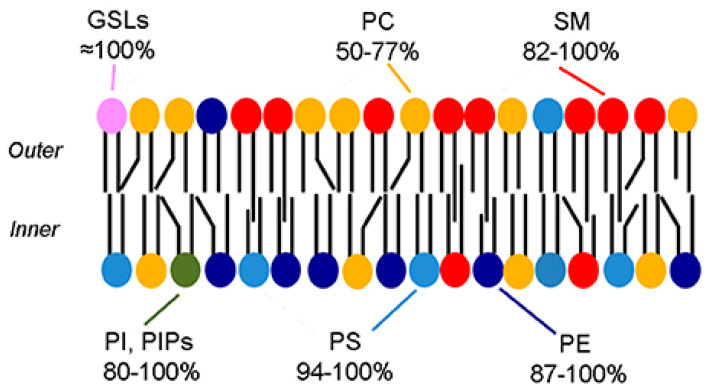
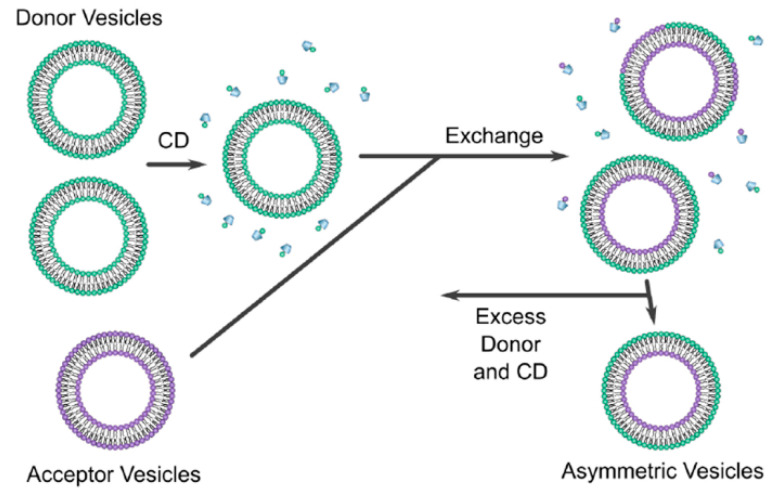
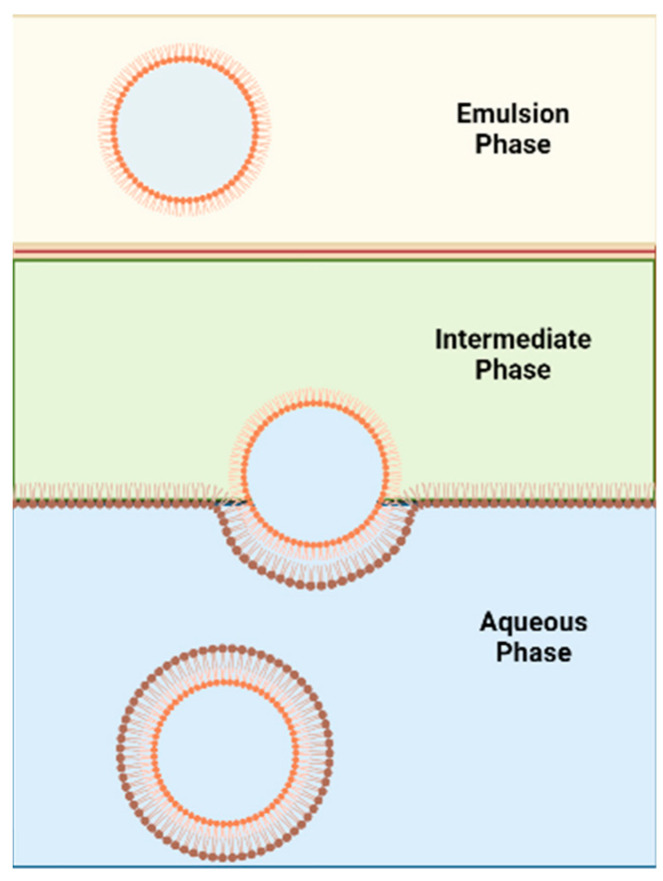
Liposome-based drug delivery systems are nanosized spherical lipid bilayer carriers that can encapsulate a broad range of small drug molecules (hydrophilic and hydrophobic drugs) and large drug molecules (peptides, proteins, and nucleic acids). They have unique characteristics, such as a self-assembling bilayer vesicular structure. There are several FDA-approved liposomal-based medicines for treatment of cancer, bacterial, and viral infections. Most of the FDA-approved liposomal-based therapies are in the form of conventional "symmetric" liposomes and they are administered mainly by injection. Arikace is the first and only FDA-approved liposomal-based inhalable therapy (amikacin liposome inhalation suspension) to treat only adults with difficult-to-treat complex (MAC) lung disease as a combinational antibacterial treatment. To date, no "asymmetric liposomes" are yet to be approved, although asymmetric liposomes have many advantages due to the asymmetric distribution of lipids through the liposome's membrane (which is similar to the biological membranes). There are many challenges for the formulation and stability of asymmetric liposomes. This review will focus on asymmetric liposomes in contrast to conventional liposomes as a potential clinical intervention drug delivery system as well as the formulation techniques available for symmetric and asymmetric liposomes. The review aims to renew the research in liposomal nanovesicle delivery systems with particular emphasis on asymmetric liposomes as future potential carriers for enhancing drug delivery including pulmonary nanotherapeutics.
基于脂质体的药物递送系统是纳米级的球形脂质双层载体,能够包封多种小分子药物(亲水性和疏水性药物)以及大分子药物(肽、蛋白质和核酸)。它们具有独特的特性,比如自组装双层囊泡结构。有几种经美国食品药品监督管理局(FDA)批准的基于脂质体的药物用于治疗癌症、细菌感染和病毒感染。大多数经FDA批准的基于脂质体的疗法是传统“对称”脂质体形式,主要通过注射给药。阿米卡星脂质体吸入混悬液(Arikace)是首个也是唯一经FDA批准的基于脂质体的可吸入疗法,作为联合抗菌治疗,仅用于治疗患有难以治疗的复杂性鸟分枝杆菌(MAC)肺病的成人患者。尽管由于脂质在脂质体膜上的不对称分布(类似于生物膜),不对称脂质体具有许多优势,但迄今为止尚无“不对称脂质体”获得批准。不对称脂质体的制剂和稳定性面临诸多挑战。本综述将重点关注与传统脂质体相比的不对称脂质体,将其作为一种潜在的临床干预药物递送系统,以及对称和不对称脂质体可用的制剂技术。本综述旨在更新脂质体纳米囊泡递送系统的研究,特别强调不对称脂质体作为未来增强药物递送(包括肺部纳米治疗)的潜在载体。