Smirnov Oleksandr, Dzhagan Volodymyr, Kovalenko Mariia, Gudymenko Oleksandr, Dzhagan Veronika, Mazur Nazar, Isaieva Oksana, Maksimenko Zoia, Kondratenko Serhiy, Skoryk Mykola, Yukhymchuk Volodymyr
ESC "Institute of Biology and Medicine", Taras Shevchenko National University of Kyiv Kyiv Ukraine
Institute of Plant Physiology and Genetics, National Academy of Sciences of Ukraine Kyiv Ukraine.
RSC Adv. 2023 Jan 3;13(1):756-763. doi: 10.1039/d2ra05834k. eCollection 2022 Dec 19.
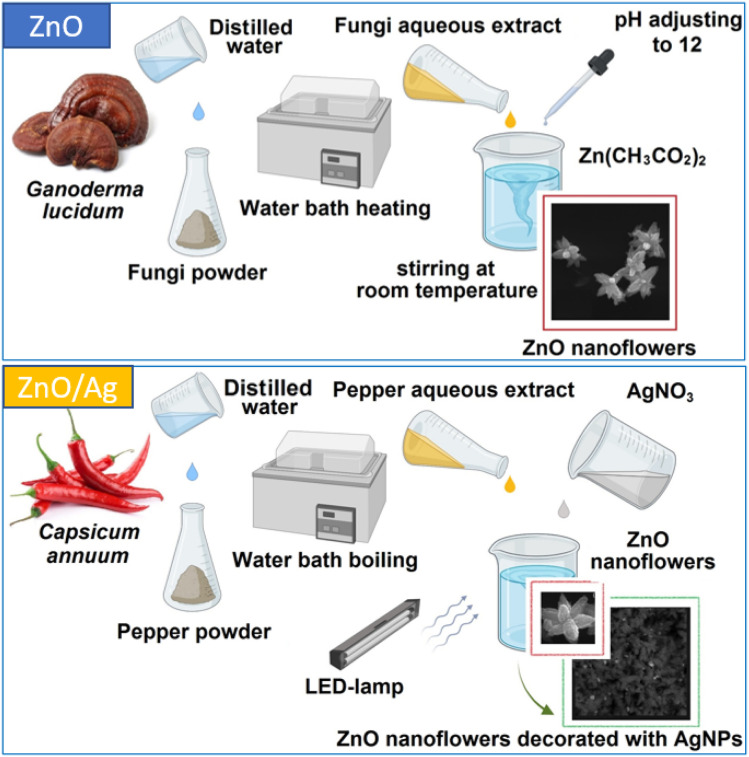
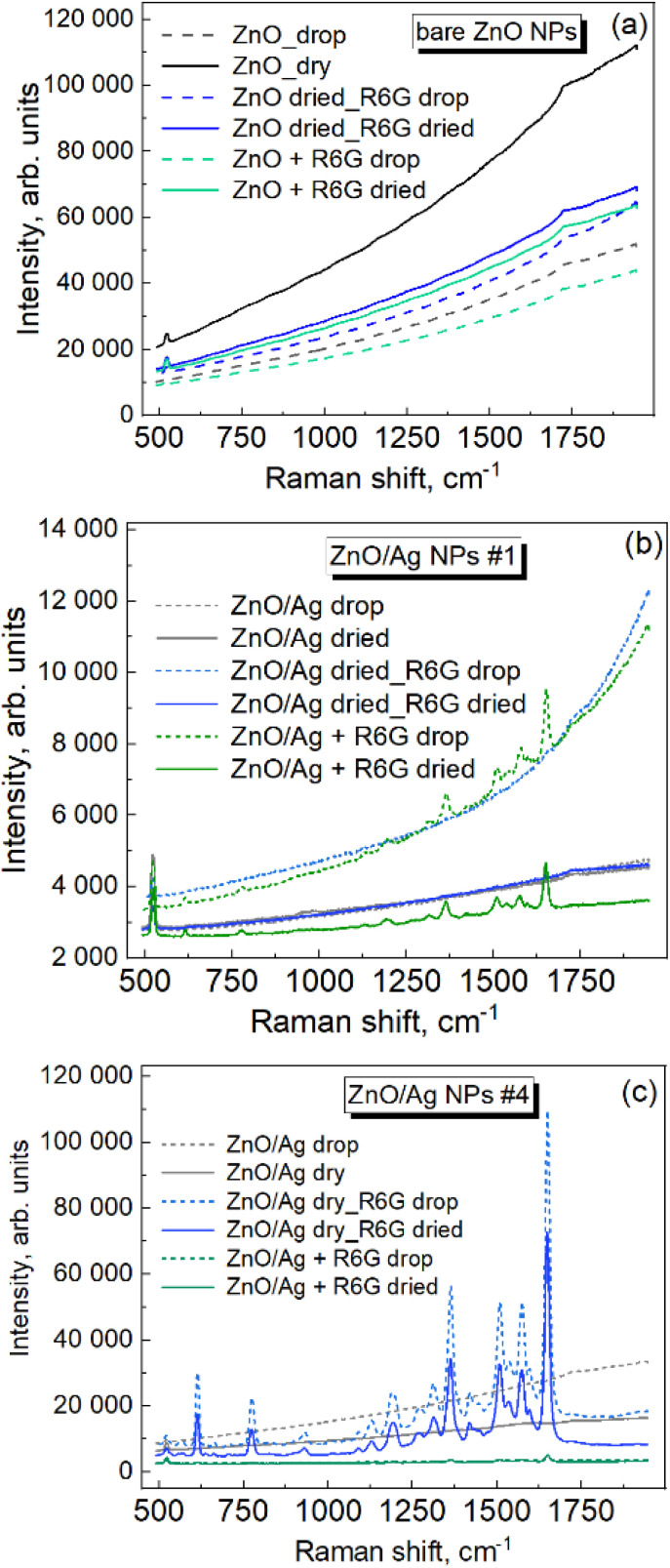
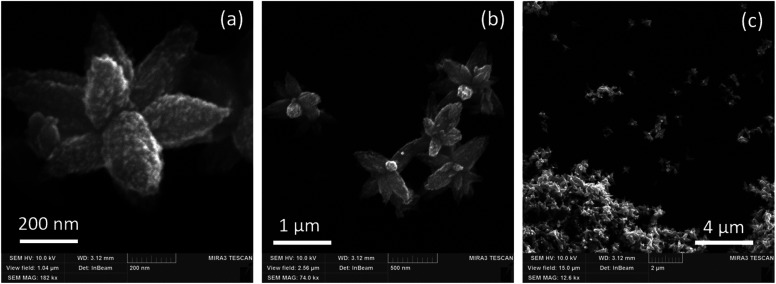
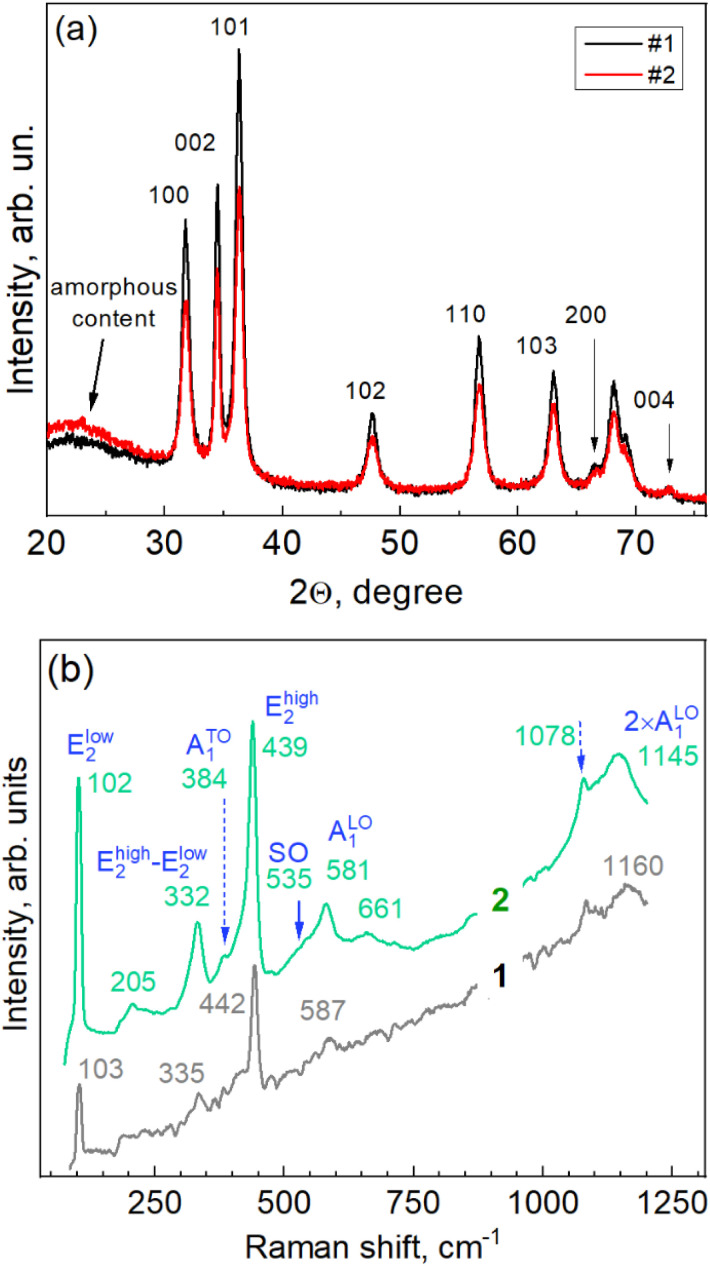
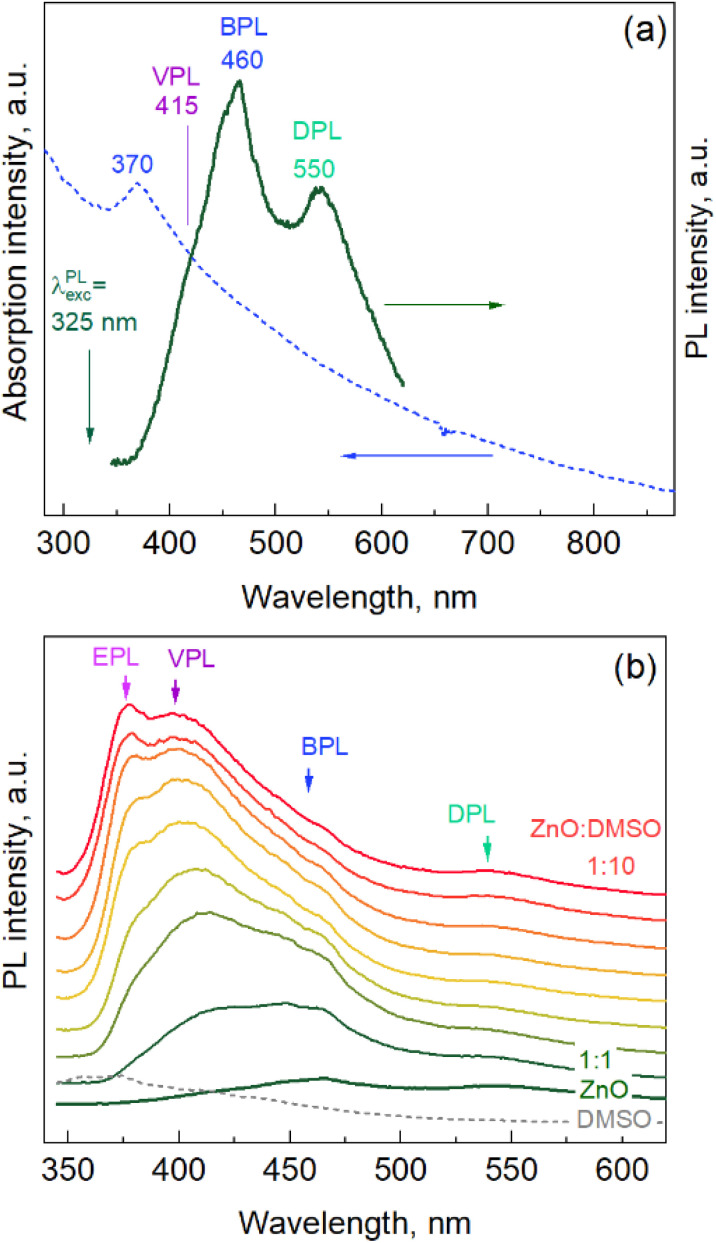
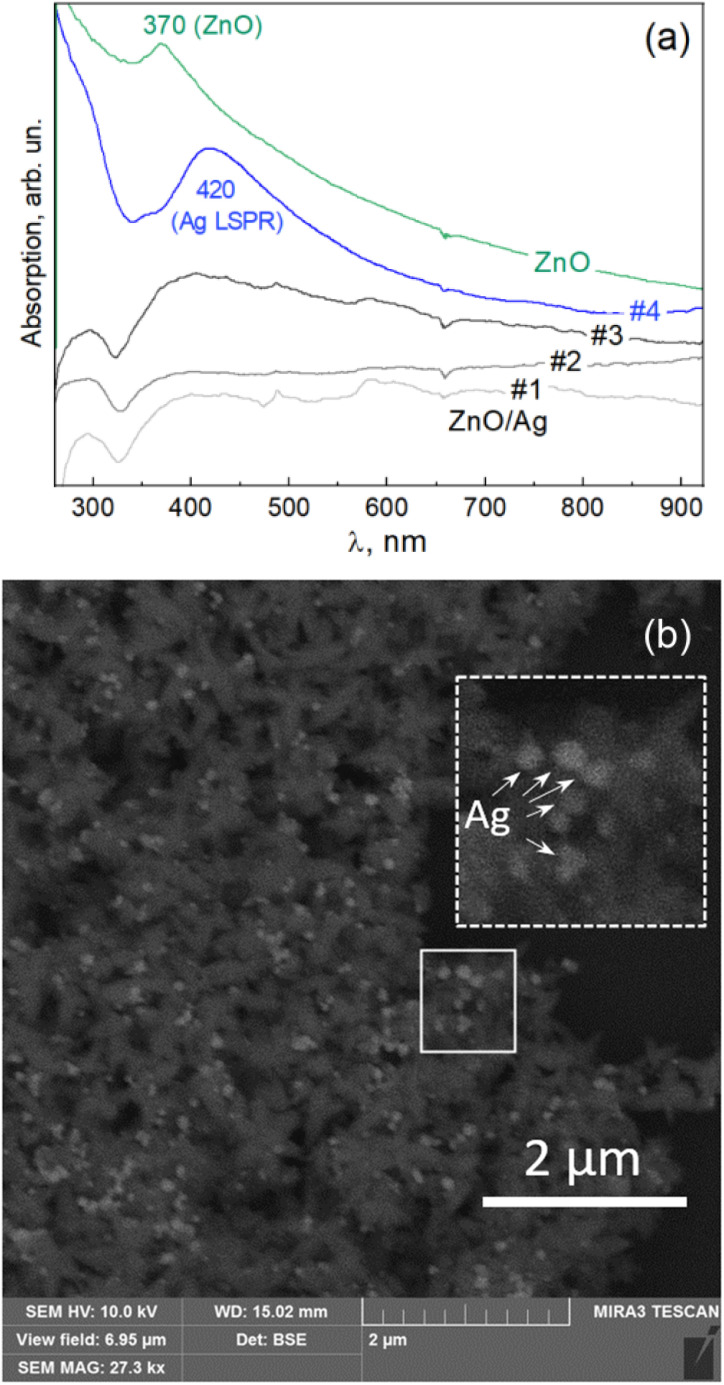
Fungi produce and excrete various proteins, enzymes, polysaccharides, and secondary metabolites, which may be used as media for the "green" synthesis of metal and semiconductor nanoparticles (NPs). ZnO NPs with a flower-like morphology were synthesized by an affordable colloidal route, using an aqueous extract of as a reducing agent and stabilizer. Each individual "flower" has a large effective surface, which is preserved when the particles are close packed into a dense film, which is advantageous for numerous applications. The phonon Raman spectrum and X-ray diffraction (XRD) pattern prove the high crystallinity of the NPs, with the distinct pattern of a hexagonal (wurtzite) lattice, negligible residual stress, and a crystallite size of 12-14 nm determined from the XRD. The photoluminescence (PL) spectrum of the as-synthesized ZnO NPs contains a structured defect-related feature in the violet-blue range, while the green PL, common for nanostructures synthesized by "green" routes, is very weak. By applying dimethylsulfoxide as an additional passivating agent, the excitonic (UV) PL band was activated without enhancement of the defect-related features. Ag NP-decorated ZnO flowers were synthesized by subsequent silver reduction by pepper extract. The ZnO/Ag NPs exhibited efficient surface-enhanced Raman scattering (SERS) of a standard dye analyte, rhodamine 6G, ensuring the feasibility of other applications that require close contact of ZnO/Ag to other nanostructures or molecules to realize the energy of the charge transfer.
真菌产生并分泌各种蛋白质、酶、多糖和次生代谢产物,这些物质可用作金属和半导体纳米颗粒(NP)“绿色”合成的介质。采用经济实惠的胶体路线,以[提取物名称]的水提取物作为还原剂和稳定剂,合成了具有花状形态的ZnO纳米颗粒。每一朵单独的“花”都有较大的有效表面积,当颗粒紧密堆积成致密薄膜时,该表面积得以保留,这对众多应用来说是有利的。声子拉曼光谱和X射线衍射(XRD)图谱证明了纳米颗粒具有高结晶度,呈现出明显的六方(纤锌矿)晶格图案,残余应力可忽略不计,并且根据XRD确定微晶尺寸为12 - 14纳米。合成的ZnO纳米颗粒的光致发光(PL)光谱在紫蓝色范围内包含一个与结构缺陷相关的特征,而通过“绿色”路线合成的纳米结构常见的绿色PL则非常微弱。通过应用二甲基亚砜作为额外的钝化剂,在不增强与缺陷相关特征的情况下激活了激子(紫外)PL带。通过辣椒提取物后续还原银,合成了Ag NP修饰的ZnO花。ZnO/Ag纳米颗粒对标准染料分析物罗丹明6G表现出高效的表面增强拉曼散射(SERS),确保了其他需要ZnO/Ag与其他纳米结构或分子紧密接触以实现电荷转移能量的应用的可行性。