Chinese Academy of Sciences Key Laboratory of Brain Connectome and Manipulation, Shenzhen Key Laboratory of Translational Research for Brain Diseases, the Brain Cognition and Brain Disease Institute, Shenzhen Institute of Advanced Technology, Chinese Academy of Sciences, Shenzhen-Hong Kong Institute of Brain Science-Shenzhen Fundamental Research Institutions, Shenzhen, China.
Guangdong Provincial Key Laboratory of Brain Science, Disease and Drug Development, HKUST Shenzhen Research Institute, Shenzhen, China.
Gut Microbes. 2023 Jan-Dec;15(1):2172672. doi: 10.1080/19490976.2023.2172672.
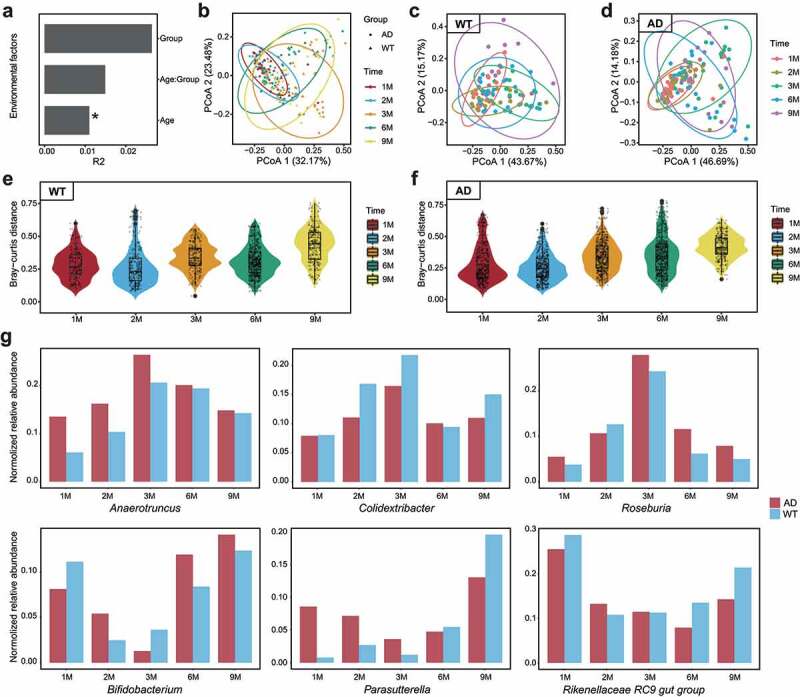
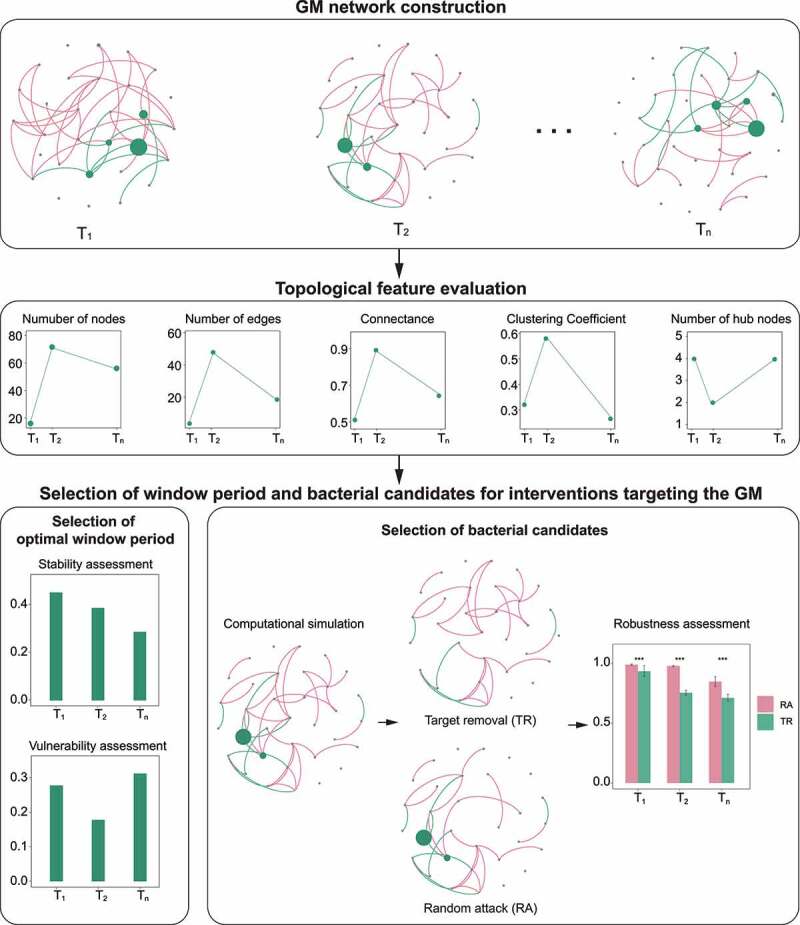
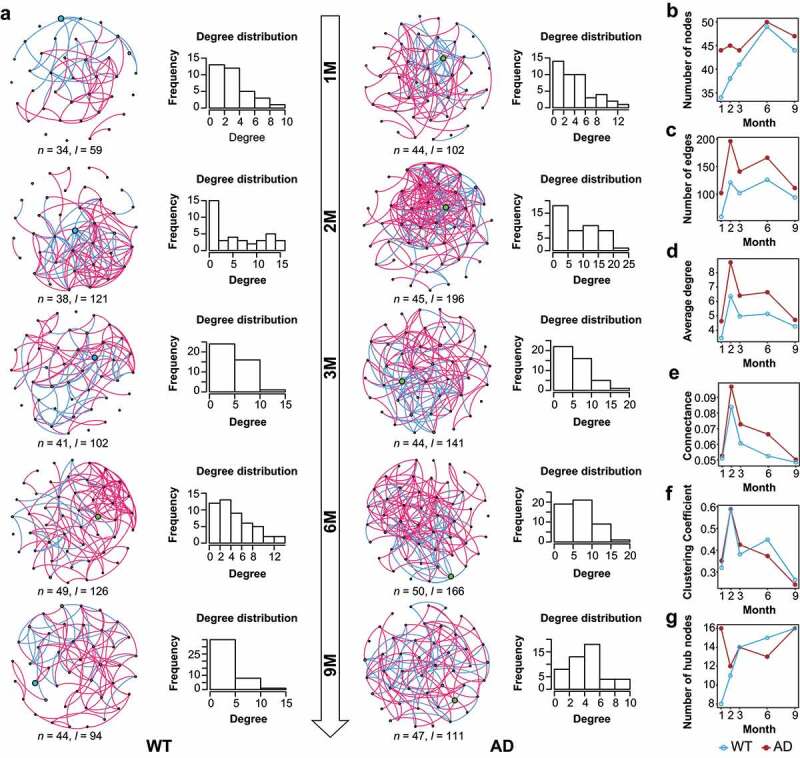
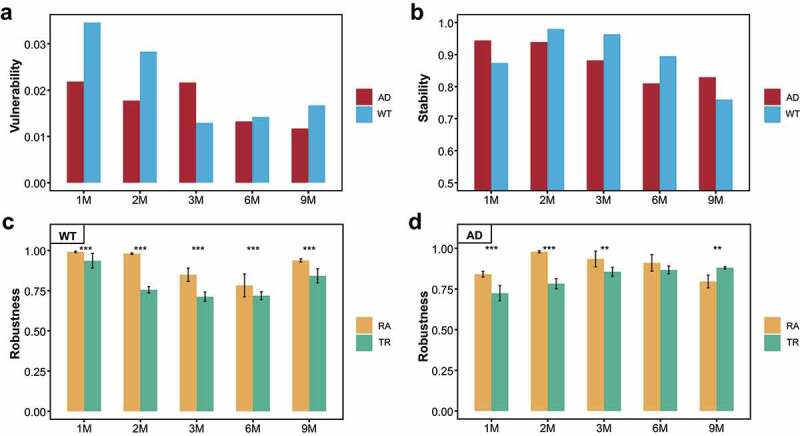
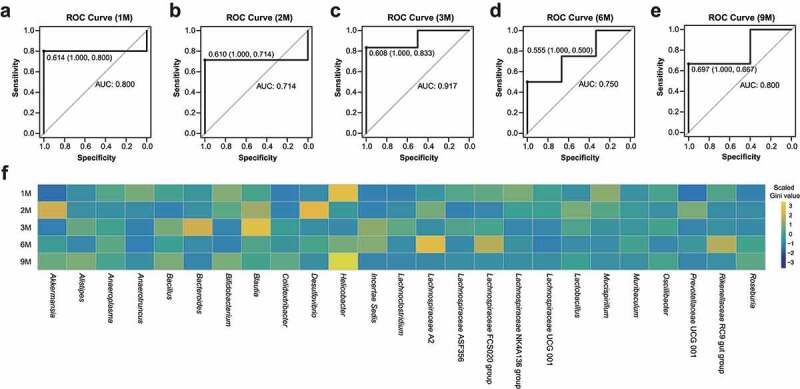
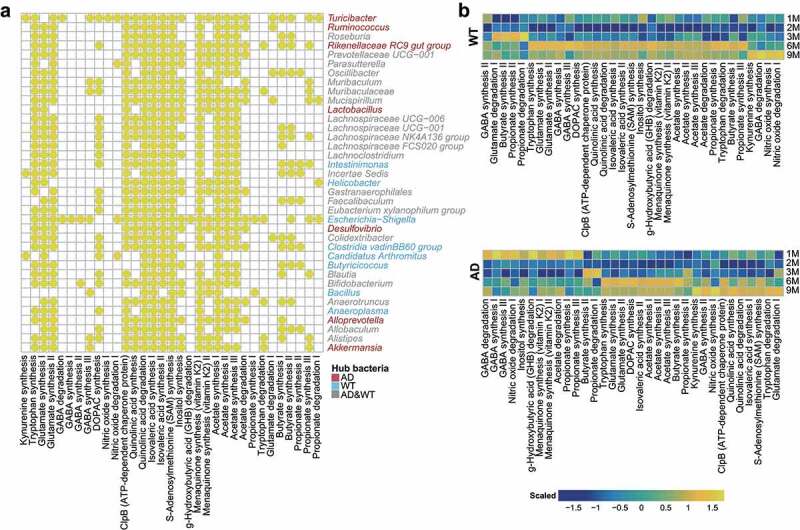
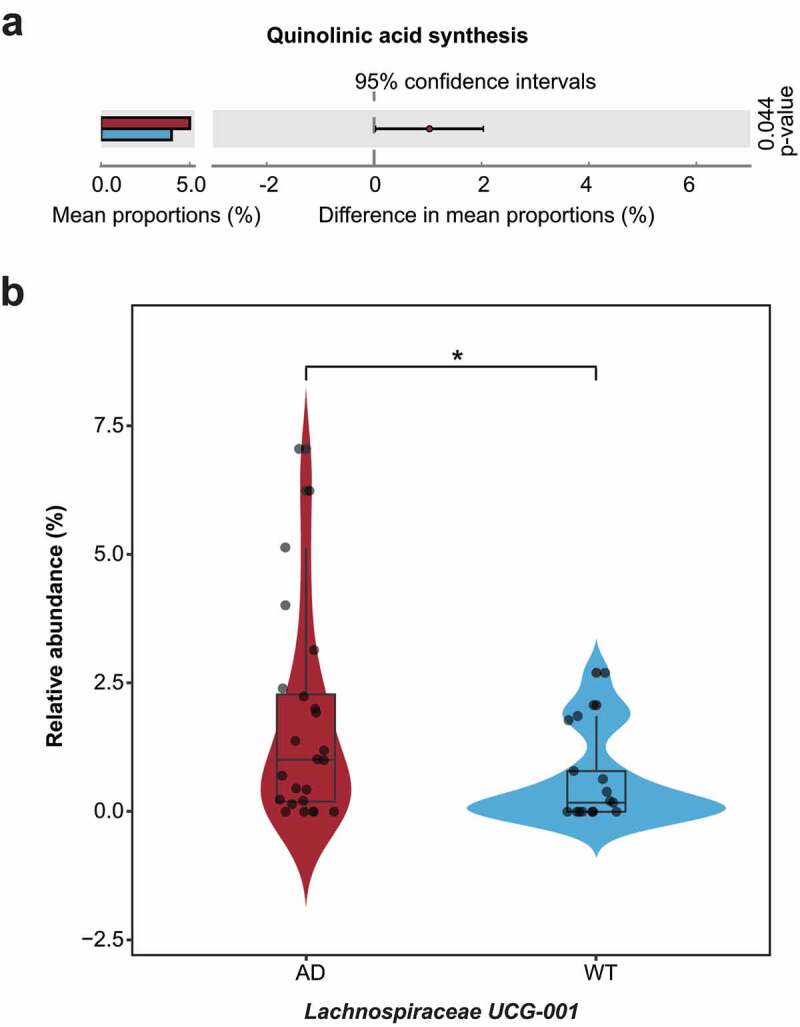
The intimate association between the gut microbiota (GM) and the central nervous system points to potential intervention strategies for neurological diseases. Nevertheless, there is currently no theoretical framework for selecting the window period and target bacteria for GM interventions owing to the complexity of the gut microecosystem. In this study, we constructed a complex network-based modeling approach to evaluate the topological features of the GM and infer the window period and bacterial candidates for GM interventions. We used Alzheimer's disease (AD) as an example and traced the GM dynamic changes in AD and wild-type mice at one, two, three, six, and nine months of age. The results revealed alterations of the topological features of the GM from a scale-free network into a random network during AD progression, indicating severe GM disequilibrium at the late stage of AD. Through stability and vulnerability assessments of the GM networks, we identified the third month after birth as the optimal window period for GM interventions in AD mice. Further computational simulations and robustness evaluations determined that the hub bacteria were potential candidates for GM interventions. Moreover, our GM functional analysis suggested that UCG-001 - the hub and enriched bacterium in AD mice - was the keystone bacterium for GM interventions owing to its contributions to quinolinic acid synthesis. In conclusion, this study established a complex network-based modeling approach as a practical strategy for disease interventions from the perspective of the gut microecosystem.
肠道微生物群(GM)与中枢神经系统之间的密切关系表明,针对神经系统疾病可能存在潜在的干预策略。然而,由于肠道微生态系统的复杂性,目前还没有针对 GM 干预选择窗口期和目标细菌的理论框架。在本研究中,我们构建了一种基于复杂网络的建模方法,用于评估 GM 的拓扑特征,并推断 GM 干预的窗口期和候选细菌。我们以阿尔茨海默病(AD)为例,追踪了 AD 模型小鼠和野生型小鼠在 1、2、3、6 和 9 月龄时的 GM 动态变化。结果表明,AD 进展过程中 GM 的拓扑特征从无标度网络转变为随机网络,表明 AD 晚期 GM 严重失衡。通过 GM 网络的稳定性和脆弱性评估,我们确定出生后第三个月是 AD 小鼠 GM 干预的最佳窗口期。进一步的计算模拟和稳健性评估确定,hub 细菌是 GM 干预的潜在候选细菌。此外,我们的 GM 功能分析表明,hub 细菌 UCG-001 是 GM 干预的关键细菌,因为它有助于喹啉酸的合成。总之,本研究从肠道微生态系统的角度建立了一种基于复杂网络的建模方法,为疾病干预提供了一种实用策略。