Hong Christin G, Florida Elizabeth, Li Haiou, Parel Philip M, Mehta Nehal N, Sorokin Alexander V
Section of Inflammation and Cardiometabolic Diseases, National Heart, Lung, and Blood Institute, National Institutes of Health, Bethesda, MD, United States.
Front Cardiovasc Med. 2023 Jan 16;9:1023651. doi: 10.3389/fcvm.2022.1023651. eCollection 2022.
Low-density lipoprotein cholesterol (LDL-C) is an established marker for cardiovascular disease (CVD) and a therapeutic target. Oxidized LDL (oxLDL) is known to be associated with excessive inflammation and abnormal lipoprotein metabolism. Chronic inflammatory diseases confer an elevated risk of premature atherosclerosis and adverse cardiovascular events. Whether oxLDL may serve as a potential biomarker for CVD stratification in populations with chronic inflammatory conditions remains understudied.
To perform a systematic review and meta-analysis evaluating the relationship between oxLDL and CVD (defined by incident CVD events, carotid intima-media thickness, presence of coronary plaque) in patients with chronic inflammatory diseases.
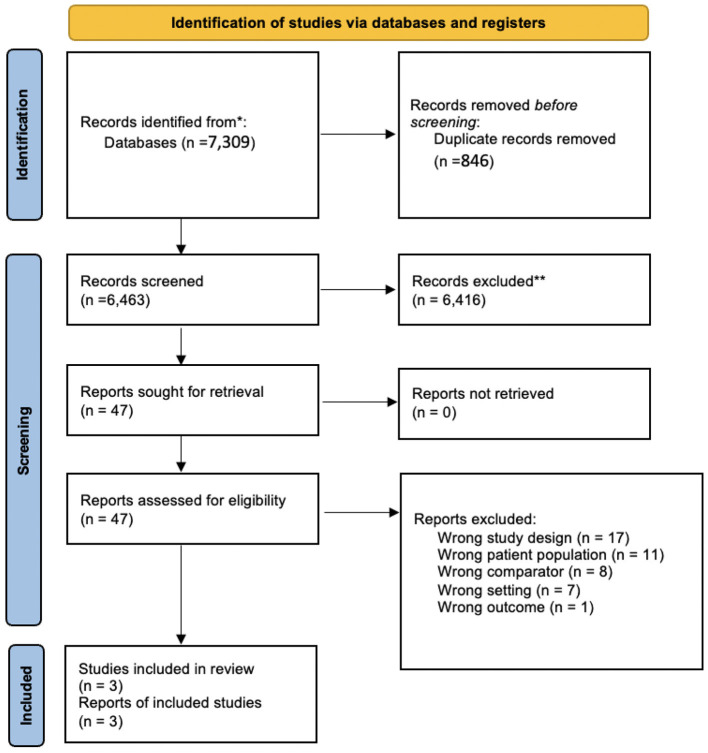
A systematic literature search was performed using studies published between 2000 and 2022 from PubMed, Cochrane Library, Embase (Elsevier), CINHAL (EBSCOhost), Scopus (Elsevier), and Web of Science: Core Collection (Clarivate Analytics) databases on the relationship between oxLDL and cardiovascular risk on inflamed population. The pooled effect size was combined using the random effect model and publication bias was assessed if < 0.05 for the Egger or Begg test along with the funnel plot test.
A total of three observational studies with 1,060 participants were ultimately included in the final meta-analysis. The results demonstrated that oxLDL is significantly increased in participants with CVD in the setting of chronic inflammatory conditions. This meta-analysis suggests that oxLDL may be a useful biomarker in risk stratifying cardiovascular disease in chronically inflamed patients.
低密度脂蛋白胆固醇(LDL-C)是心血管疾病(CVD)的既定标志物和治疗靶点。已知氧化型低密度脂蛋白(oxLDL)与过度炎症和异常脂蛋白代谢有关。慢性炎症性疾病会增加过早发生动脉粥样硬化和不良心血管事件的风险。oxLDL是否可作为慢性炎症患者CVD分层的潜在生物标志物仍有待研究。
进行一项系统评价和荟萃分析,评估慢性炎症性疾病患者中oxLDL与CVD(由新发CVD事件、颈动脉内膜中层厚度、冠状动脉斑块的存在定义)之间的关系。
使用2000年至2022年期间发表在PubMed、Cochrane图书馆、Embase(爱思唯尔)、CINHAL(EBSCOhost)、Scopus(爱思唯尔)和Web of Science核心合集(科睿唯安)数据库中关于oxLDL与炎症人群心血管风险关系的研究进行系统文献检索。采用随机效应模型合并汇总效应量,并通过Egger检验或Begg检验以及漏斗图检验评估发表偏倚,若P<0.05则存在发表偏倚。
最终共有三项观察性研究、1060名参与者纳入最终的荟萃分析。结果表明,在慢性炎症情况下,CVD患者的oxLDL显著升高。该荟萃分析表明,oxLDL可能是慢性炎症患者心血管疾病风险分层的有用生物标志物。