• 文献检索
  • 文档翻译
  • 深度研究
  • 学术资讯
  • Suppr Zotero 插件Zotero 插件
  • 邀请有礼
  • 套餐&价格
  • 历史记录
应用&插件
Suppr Zotero 插件Zotero 插件浏览器插件Mac 客户端Windows 客户端微信小程序
定价
高级版会员购买积分包购买API积分包
服务
文献检索文档翻译深度研究API 文档MCP 服务
关于我们
关于 Suppr公司介绍联系我们用户协议隐私条款
关注我们

Suppr 超能文献

核心技术专利:CN118964589B侵权必究
粤ICP备2023148730 号-1Suppr @ 2026

文献检索

告别复杂PubMed语法,用中文像聊天一样搜索,搜遍4000万医学文献。AI智能推荐,让科研检索更轻松。

立即免费搜索

文件翻译

保留排版,准确专业,支持PDF/Word/PPT等文件格式,支持 12+语言互译。

免费翻译文档

深度研究

AI帮你快速写综述,25分钟生成高质量综述,智能提取关键信息,辅助科研写作。

立即免费体验

患者血液转录组反应与 COVID-19 疾病严重程度相关。

Blood transcriptome responses in patients correlate with severity of COVID-19 disease.

机构信息

Department of Intensive Care Medicine, Nepean Hospital, Penrith, NSW, Australia.

Centre for Immunology and Allergy Research, The Westmead Institute for Medical Research, Westmead, NSW, Australia.

出版信息

Front Immunol. 2023 Jan 20;13:1043219. doi: 10.3389/fimmu.2022.1043219. eCollection 2022.

DOI:10.3389/fimmu.2022.1043219
PMID:36741372
原文链接:https://pmc.ncbi.nlm.nih.gov/articles/PMC9896980/
Abstract

BACKGROUND

Coronavirus disease 2019 (COVID-19) is an infectious disease caused by severe acute respiratory syndrome coronavirus 2 (SARS-CoV-2). Infected individuals display a wide spectrum of disease severity, as defined by the World Health Organization (WHO). One of the main factors underlying this heterogeneity is the host immune response, with severe COVID-19 often associated with a hyperinflammatory state.

AIM

Our current study aimed to pinpoint the specific genes and pathways underlying differences in the disease spectrum and outcomes observed, through in-depth analyses of whole blood transcriptomics in a large cohort of COVID-19 participants.

RESULTS

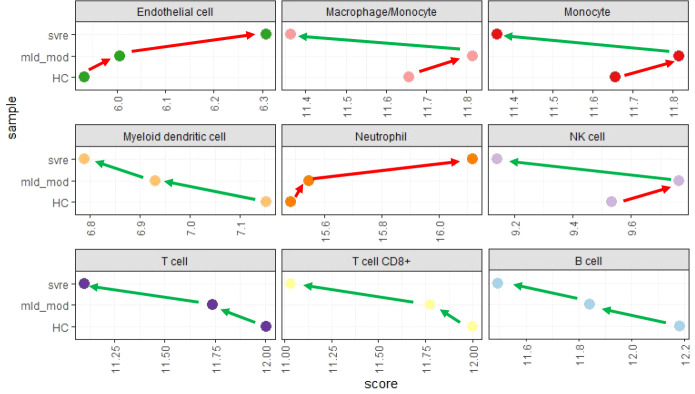
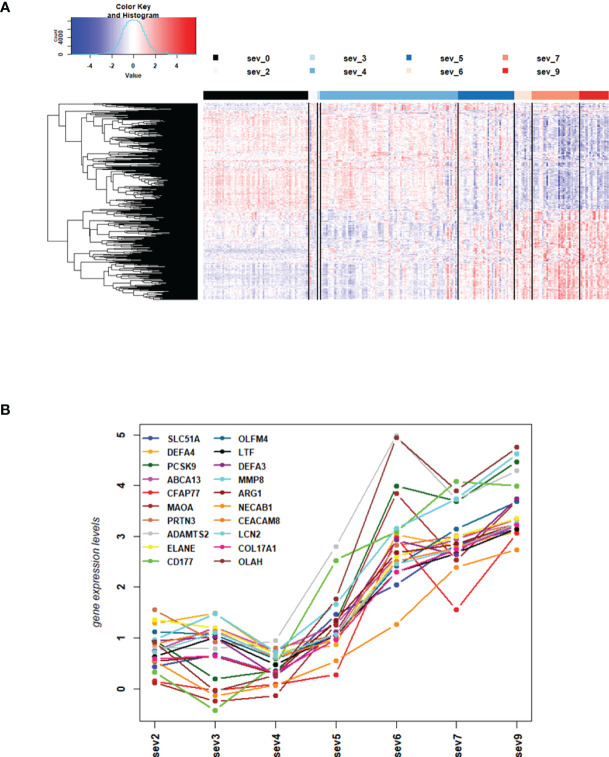
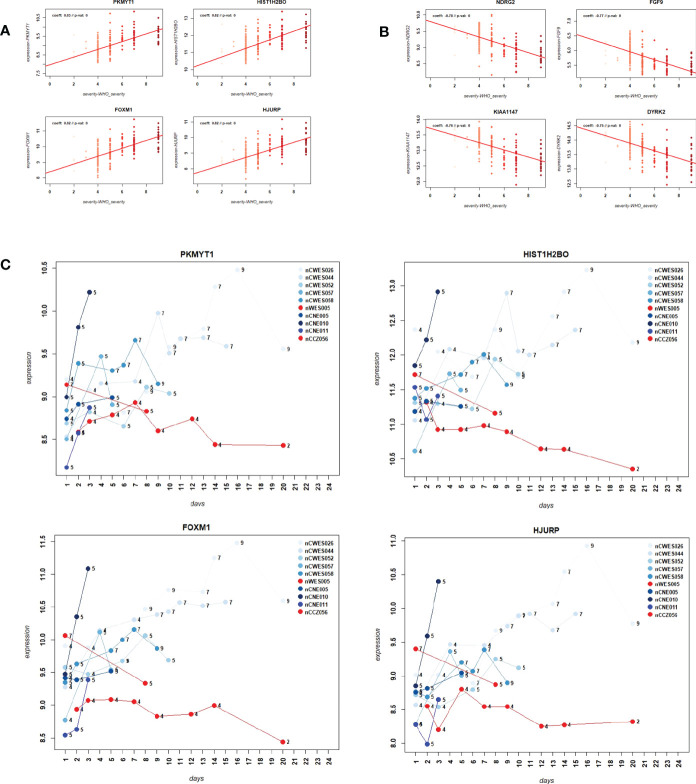
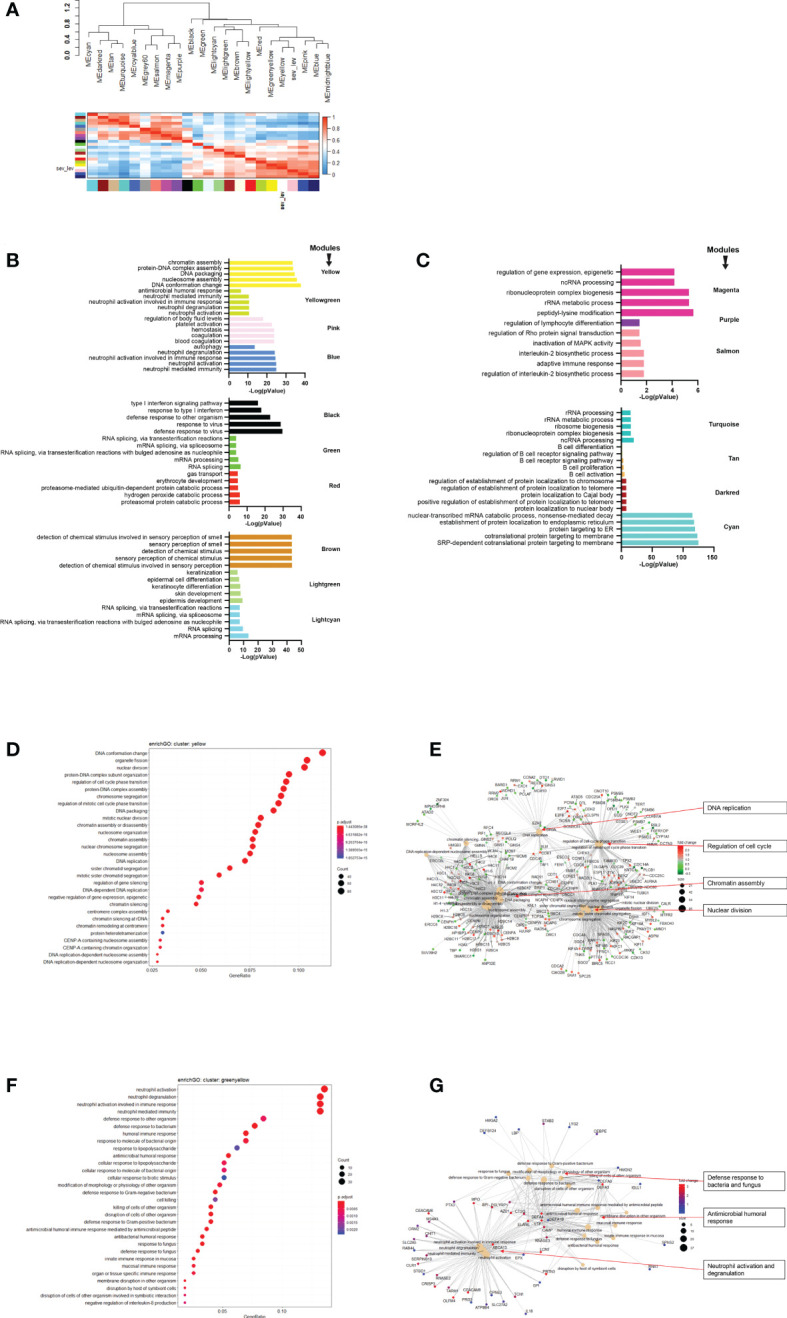
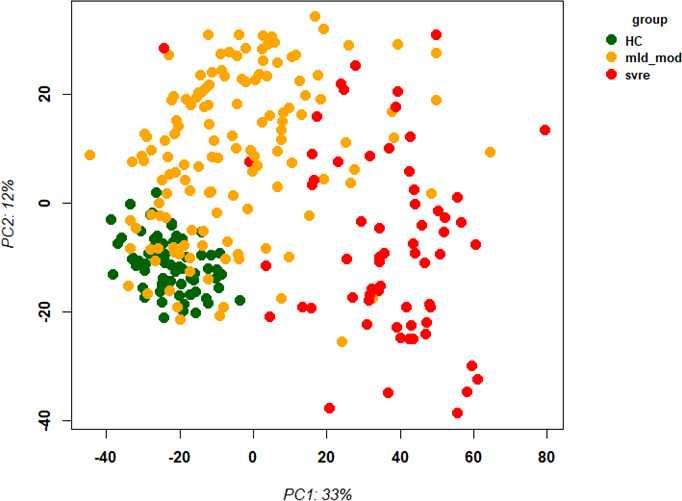
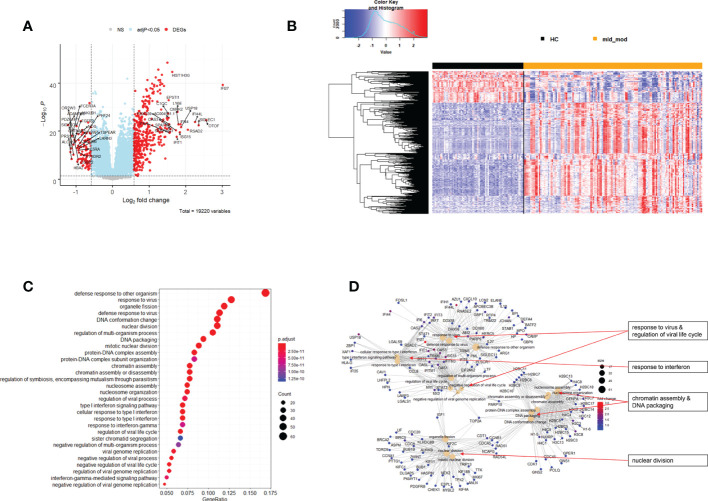
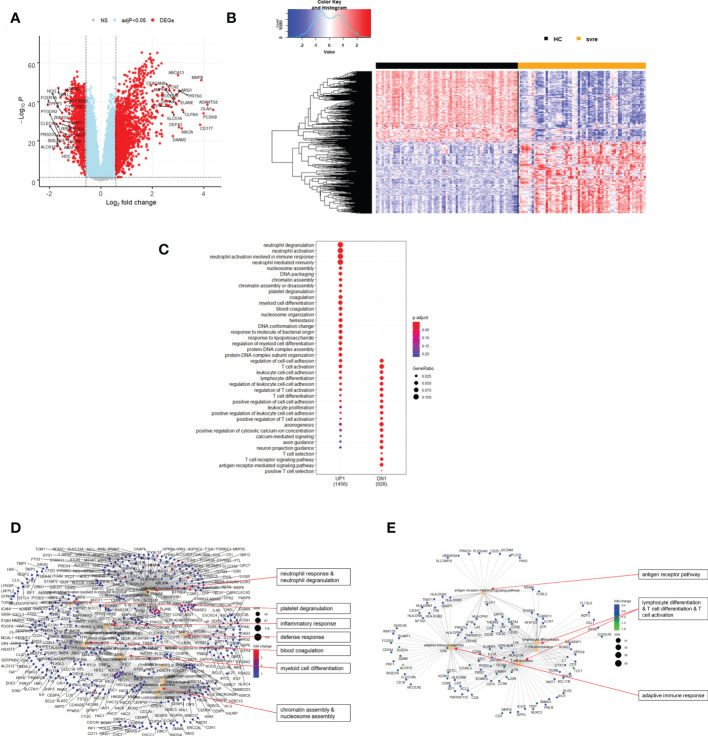
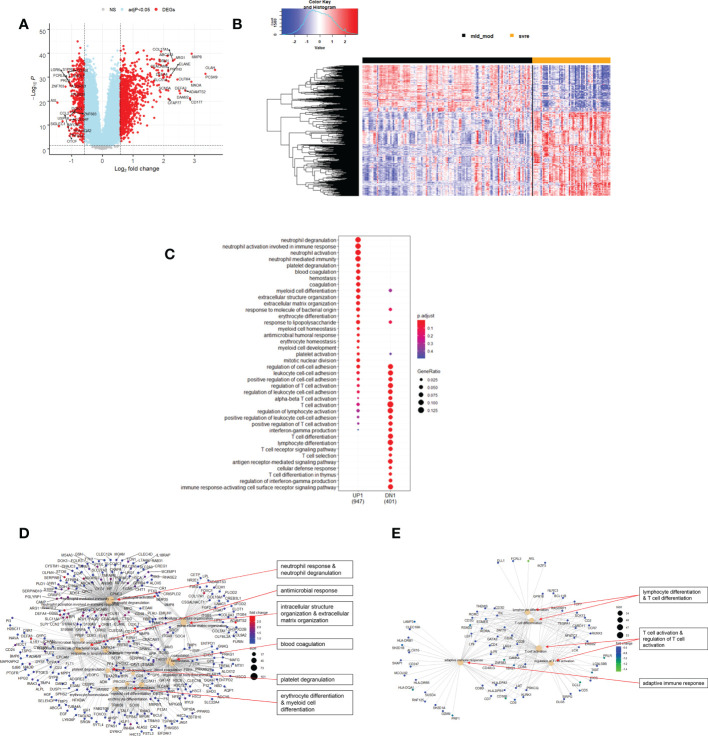
All WHO severity levels were well represented and mild and severe disease displaying distinct gene expression profiles. WHO severity levels 1-4 were grouped as mild disease, and signatures from these participants were different from those with WHO severity levels 6-9 classified as severe disease. Severity level 5 (moderate cases) presented a unique transitional gene signature between severity levels 2-4 (mild/moderate) and 6-9 (severe) and hence might represent the turning point for better or worse disease outcome. Gene expression changes are very distinct when comparing mild/moderate or severe cases to healthy controls. In particular, we demonstrated the hallmark down-regulation of adaptive immune response pathways and activation of neutrophil pathways in severe compared to mild/moderate cases, as well as activation of blood coagulation pathways.

CONCLUSIONS

Our data revealed discrete gene signatures associated with mild, moderate, and severe COVID-19 identifying valuable candidates for future biomarker discovery.

摘要

背景

2019 年冠状病毒病(COVID-19)是由严重急性呼吸系统综合征冠状病毒 2(SARS-CoV-2)引起的传染病。世界卫生组织(WHO)将受感染者的疾病严重程度定义为一个广泛的谱。造成这种异质性的主要因素之一是宿主的免疫反应,COVID-19 重症通常与过度炎症状态有关。

目的

我们当前的研究旨在通过对大量 COVID-19 参与者的全血转录组学进行深入分析,确定疾病谱和观察到的结局差异背后的特定基因和途径。

结果

所有 WHO 严重程度水平均有很好的代表性,轻症和重症表现出明显不同的基因表达谱。WHO 严重程度 1-4 级归为轻症,这些参与者的特征与 WHO 严重程度 6-9 级(重症)的特征不同。严重程度 5 级(中度病例)在严重程度 2-4 级(轻/中度)和 6-9 级(重度)之间呈现出独特的过渡基因特征,因此可能代表疾病结局向好或向坏转变的转折点。与健康对照相比,比较轻症/中度或重症病例时,基因表达变化非常明显。特别是,我们证明了与轻症/中度病例相比,重症病例中适应性免疫反应途径的下调和中性粒细胞途径的激活以及血液凝固途径的激活更为明显。

结论

我们的数据揭示了与轻症、中度和重症 COVID-19 相关的离散基因特征,为未来的生物标志物发现提供了有价值的候选者。

https://cdn.ncbi.nlm.nih.gov/pmc/blobs/1a0a/9896980/e52b3fef72bb/fimmu-13-1043219-g009.jpg
https://cdn.ncbi.nlm.nih.gov/pmc/blobs/1a0a/9896980/06e449bdc04b/fimmu-13-1043219-g001.jpg
https://cdn.ncbi.nlm.nih.gov/pmc/blobs/1a0a/9896980/18588ebe6d9e/fimmu-13-1043219-g002.jpg
https://cdn.ncbi.nlm.nih.gov/pmc/blobs/1a0a/9896980/a1498ffffefc/fimmu-13-1043219-g003.jpg
https://cdn.ncbi.nlm.nih.gov/pmc/blobs/1a0a/9896980/b25fc012a593/fimmu-13-1043219-g004.jpg
https://cdn.ncbi.nlm.nih.gov/pmc/blobs/1a0a/9896980/e4a54e3a0e1b/fimmu-13-1043219-g005.jpg
https://cdn.ncbi.nlm.nih.gov/pmc/blobs/1a0a/9896980/29d228402436/fimmu-13-1043219-g006.jpg
https://cdn.ncbi.nlm.nih.gov/pmc/blobs/1a0a/9896980/1bb3424b78c7/fimmu-13-1043219-g007.jpg
https://cdn.ncbi.nlm.nih.gov/pmc/blobs/1a0a/9896980/b901f2661afd/fimmu-13-1043219-g008.jpg
https://cdn.ncbi.nlm.nih.gov/pmc/blobs/1a0a/9896980/e52b3fef72bb/fimmu-13-1043219-g009.jpg
https://cdn.ncbi.nlm.nih.gov/pmc/blobs/1a0a/9896980/06e449bdc04b/fimmu-13-1043219-g001.jpg
https://cdn.ncbi.nlm.nih.gov/pmc/blobs/1a0a/9896980/18588ebe6d9e/fimmu-13-1043219-g002.jpg
https://cdn.ncbi.nlm.nih.gov/pmc/blobs/1a0a/9896980/a1498ffffefc/fimmu-13-1043219-g003.jpg
https://cdn.ncbi.nlm.nih.gov/pmc/blobs/1a0a/9896980/b25fc012a593/fimmu-13-1043219-g004.jpg
https://cdn.ncbi.nlm.nih.gov/pmc/blobs/1a0a/9896980/e4a54e3a0e1b/fimmu-13-1043219-g005.jpg
https://cdn.ncbi.nlm.nih.gov/pmc/blobs/1a0a/9896980/29d228402436/fimmu-13-1043219-g006.jpg
https://cdn.ncbi.nlm.nih.gov/pmc/blobs/1a0a/9896980/1bb3424b78c7/fimmu-13-1043219-g007.jpg
https://cdn.ncbi.nlm.nih.gov/pmc/blobs/1a0a/9896980/b901f2661afd/fimmu-13-1043219-g008.jpg
https://cdn.ncbi.nlm.nih.gov/pmc/blobs/1a0a/9896980/e52b3fef72bb/fimmu-13-1043219-g009.jpg

相似文献

1
Blood transcriptome responses in patients correlate with severity of COVID-19 disease.患者血液转录组反应与 COVID-19 疾病严重程度相关。
Front Immunol. 2023 Jan 20;13:1043219. doi: 10.3389/fimmu.2022.1043219. eCollection 2022.
2
Upper Airway Epithelial Tissue Transcriptome Analysis Reveals Immune Signatures Associated with COVID-19 Severity in Ghanaians.上呼吸道上皮组织转录组分析揭示了与加纳人新冠严重程度相关的免疫特征。
J Immunol Res. 2024 Feb 12;2024:6668017. doi: 10.1155/2024/6668017. eCollection 2024.
3
Disease severity-specific neutrophil signatures in blood transcriptomes stratify COVID-19 patients.血液转录组中疾病严重程度特异性中性粒细胞特征可对 COVID-19 患者进行分层。
Genome Med. 2021 Jan 13;13(1):7. doi: 10.1186/s13073-020-00823-5.
4
Single-Cell Transcriptome Analysis Highlights a Role for Neutrophils and Inflammatory Macrophages in the Pathogenesis of Severe COVID-19.单细胞转录组分析强调中性粒细胞和炎症性巨噬细胞在严重 COVID-19 发病机制中的作用。
Cells. 2020 Oct 29;9(11):2374. doi: 10.3390/cells9112374.
5
High-Density Blood Transcriptomics Reveals Precision Immune Signatures of SARS-CoV-2 Infection in Hospitalized Individuals.高密度血液转录组学揭示了住院个体中 SARS-CoV-2 感染的精确免疫特征。
Front Immunol. 2021 Jul 16;12:694243. doi: 10.3389/fimmu.2021.694243. eCollection 2021.
6
A multi-tissue study of immune gene expression profiling highlights the key role of the nasal epithelium in COVID-19 severity.一项多组织免疫基因表达谱研究强调了鼻上皮在 COVID-19 严重程度中的关键作用。
Environ Res. 2022 Jul;210:112890. doi: 10.1016/j.envres.2022.112890. Epub 2022 Feb 22.
7
The turning point of COVID-19 severity is associated with a unique circulating neutrophil gene signature.新冠病毒严重程度的转折点与独特的循环中性粒细胞基因特征有关。
Immunology. 2023 Jul;169(3):323-343. doi: 10.1111/imm.13631. Epub 2023 Mar 8.
8
Characterisation of the blood RNA host response underpinning severity in COVID-19 patients.COVID-19 患者严重程度相关的血液 RNA 宿主反应特征。
Sci Rep. 2022 Jul 17;12(1):12216. doi: 10.1038/s41598-022-15547-2.
9
Critical COVID-19 is associated with distinct leukocyte phenotypes and transcriptome patterns.危重新冠肺炎与独特的白细胞表型和转录组模式相关。
J Intern Med. 2021 Sep;290(3):677-692. doi: 10.1111/joim.13310. Epub 2021 Jun 3.
10
Neural network-assisted humanisation of COVID-19 hamster transcriptomic data reveals matching severity states in human disease.神经网络辅助的 COVID-19 仓鼠转录组数据的人类化揭示了人类疾病中匹配的严重状态。
EBioMedicine. 2024 Oct;108:105312. doi: 10.1016/j.ebiom.2024.105312. Epub 2024 Sep 23.

引用本文的文献

1
Regulation of m7G methylation in long COVID: Expression profiles and early predictive value of key genes.长新冠中m7G甲基化的调控:关键基因的表达谱及早期预测价值
Medicine (Baltimore). 2025 Aug 29;104(35):e44209. doi: 10.1097/MD.0000000000044209.
2
Pattern recognition receptor-associated immuno-thrombotic transcript changes in platelets and leukocytes with COVID19.新型冠状病毒肺炎患者血小板和白细胞中模式识别受体相关免疫血栓形成转录变化
PLoS Pathog. 2025 Aug 18;21(8):e1013413. doi: 10.1371/journal.ppat.1013413. eCollection 2025 Aug.
3
COVID-19-Omics Report: From Individual Omics Approaches to Precision Medicine.

本文引用的文献

1
STINGing type I IFN-mediated immunopathology in COVID-19.STING引发的2019冠状病毒病中I型干扰素介导的免疫病理学
Nat Immunol. 2022 Apr;23(4):478-480. doi: 10.1038/s41590-022-01174-6.
2
A blood atlas of COVID-19 defines hallmarks of disease severity and specificity.COVID-19 血液图谱定义了疾病严重程度和特异性的特征。
Cell. 2022 Mar 3;185(5):916-938.e58. doi: 10.1016/j.cell.2022.01.012. Epub 2022 Jan 21.
3
Biomarkers during COVID-19: Mechanisms of Change and Implications for Patient Outcomes.新冠疫情期间的生物标志物:变化机制及其对患者预后的影响
《COVID-19组学报告:从个体组学方法到精准医学》
Reports (MDPI). 2023 Sep 22;6(4):45. doi: 10.3390/reports6040045.
4
Molecular landscape of respiratory infection: A large-scale, multi-centre blood transcriptome dataset.呼吸道感染的分子图谱:一个大规模、多中心的血液转录组数据集。
Sci Data. 2025 Jul 10;12(1):1175. doi: 10.1038/s41597-025-05488-6.
5
Profiling short-term longitudinal severity progression and associated genes in COVID-19 patients using EHR and single-cell analysis.利用电子健康记录和单细胞分析对新冠病毒患者的短期纵向严重程度进展及相关基因进行分析。
Sci Rep. 2025 Jul 1;15(1):21098. doi: 10.1038/s41598-025-07793-x.
6
The identification of a blood circular RNA signature that differentiates Chikungunya virus infection.一种区分基孔肯雅病毒感染的血液环状RNA特征的鉴定。
Front Genet. 2025 Apr 29;16:1602177. doi: 10.3389/fgene.2025.1602177. eCollection 2025.
7
Development of an enzyme-linked immunosorbent assay (ELISA) for determining neutrophil elastase (NE) - a potential useful marker of multi-organ damage observed in COVID-19 and post-Covid-19 (PCS).开发一种用于测定中性粒细胞弹性蛋白酶(NE)的酶联免疫吸附测定(ELISA)——NE是在新冠肺炎及新冠后综合征(PCS)中观察到的多器官损伤的一种潜在有用标志物。
Front Mol Biosci. 2025 Feb 25;12:1542898. doi: 10.3389/fmolb.2025.1542898. eCollection 2025.
8
Upregulation of inflammatory genes and pathways links obesity to severe COVID-19.炎症基因和通路的上调将肥胖与严重的 COVID-19 联系起来。
Biochim Biophys Acta Mol Basis Dis. 2024 Oct;1870(7):167322. doi: 10.1016/j.bbadis.2024.167322. Epub 2024 Jun 26.
9
Whole blood transcriptome signature predicts severe forms of COVID-19: Results from the COVIDeF cohort study.全血转录组特征可预测 COVID-19 的严重形式:COVIDeF 队列研究结果。
Funct Integr Genomics. 2024 May 21;24(3):107. doi: 10.1007/s10142-024-01359-2.
10
Hypoxia and Activation of Neutrophil Degranulation-Related Genes in the Peripheral Blood of COVID-19 Patients.COVID-19 患者外周血中的低氧和中性粒细胞脱颗粒相关基因的激活。
Viruses. 2024 Jan 28;16(2):201. doi: 10.3390/v16020201.
Diagnostics (Basel). 2022 Feb 16;12(2):509. doi: 10.3390/diagnostics12020509.
4
A New Perspective of COVID-19 Infection: An Epigenetics Point of View.新冠病毒感染的新视角:表观遗传学观点
Glob Med Genet. 2021 Oct 19;9(1):4-6. doi: 10.1055/s-0041-1736565. eCollection 2022 Mar.
5
Type I interferons and SARS-CoV-2: from cells to organisms.I 型干扰素与 SARS-CoV-2:从细胞到机体。
Curr Opin Immunol. 2022 Feb;74:172-182. doi: 10.1016/j.coi.2022.01.003. Epub 2022 Jan 25.
6
T cell apoptosis characterizes severe Covid-19 disease.T 细胞凋亡是严重新冠肺炎疾病的特征。
Cell Death Differ. 2022 Aug;29(8):1486-1499. doi: 10.1038/s41418-022-00936-x. Epub 2022 Jan 22.
7
Role of toll-like receptors in modulation of cytokine storm signaling in SARS-CoV-2-induced COVID-19. Toll 样受体在 SARS-CoV-2 诱导的 COVID-19 细胞因子风暴信号转导中的作用。
J Med Virol. 2022 Mar;94(3):869-877. doi: 10.1002/jmv.27405. Epub 2021 Oct 26.
8
Type I Interferons in COVID-19 Pathogenesis.1型干扰素在新冠病毒疾病发病机制中的作用
Biology (Basel). 2021 Aug 26;10(9):829. doi: 10.3390/biology10090829.
9
Lymphopenia in Covid-19: A single center retrospective study of 589 cases.新型冠状病毒肺炎中的淋巴细胞减少症:一项对589例病例的单中心回顾性研究。
Ann Med Surg (Lond). 2021 Sep;69:102816. doi: 10.1016/j.amsu.2021.102816. Epub 2021 Sep 8.
10
Neutrophils and lymphopenia, an unknown axis in severe COVID-19 disease.中性粒细胞减少和淋巴细胞减少,严重 COVID-19 疾病中的未知轴。
PLoS Pathog. 2021 Sep 2;17(9):e1009850. doi: 10.1371/journal.ppat.1009850. eCollection 2021 Sep.