Ekhlas Daniel, Sanjuán Juan M Ortiz, Manzanilla Edgar G, Leonard Finola C, Argüello Héctor, Burgess Catherine M
Food Safety Department, Teagasc Food Research Centre, Ashtown, Dublin, Ireland.
School of Veterinary Medicine, University College Dublin, Dublin, Ireland.
Gut Pathog. 2023 Feb 24;15(1):8. doi: 10.1186/s13099-023-00534-3.
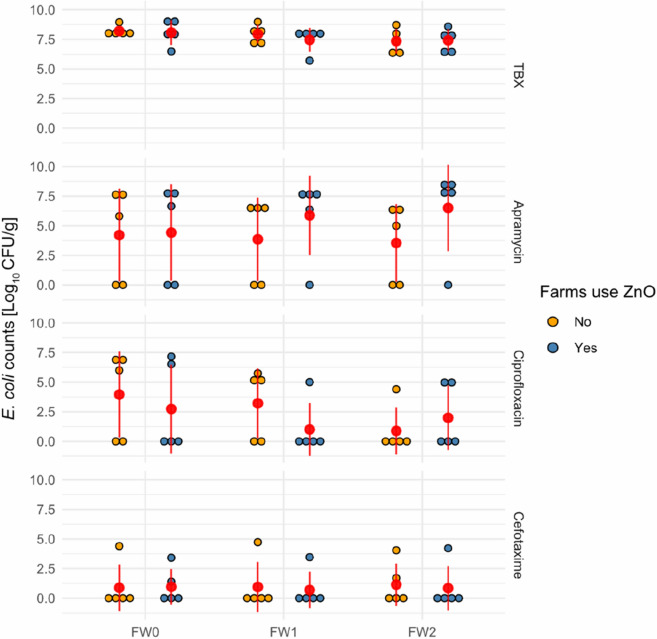
The prophylactic use of antimicrobials and zinc oxide (ZnO) in pig production was prohibited by the European Union in 2022 due to potential associations between antimicrobial and heavy metal usage with antimicrobial resistance (AMR) and concerns regarding environmental pollution. However, the effects of their usage on the bacterial AMR profiles on commercial pig farms are still not fully understood and previous studies examining the effect of ZnO have reported contrasting findings. The objective of this study was to examine the effects of antimicrobial and ZnO usage on AMR on commercial pig farms. Faecal and environmental samples were taken on 10 Irish commercial farms, of which 5 farms regularly used ZnO and antimicrobials (amoxicillin or sulphadiazine-trimethoprim) for the prevention of disease. The other 5 farms did not use ZnO or any other form of prophylaxis. Escherichia coli numbers were quantified from all samples using non-supplemented and supplemented Tryptone Bile X-glucuronide agar.
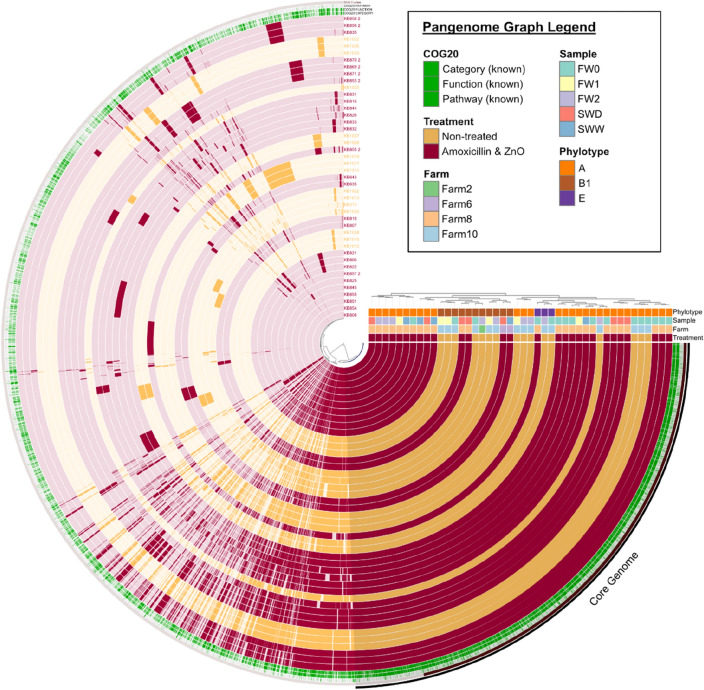
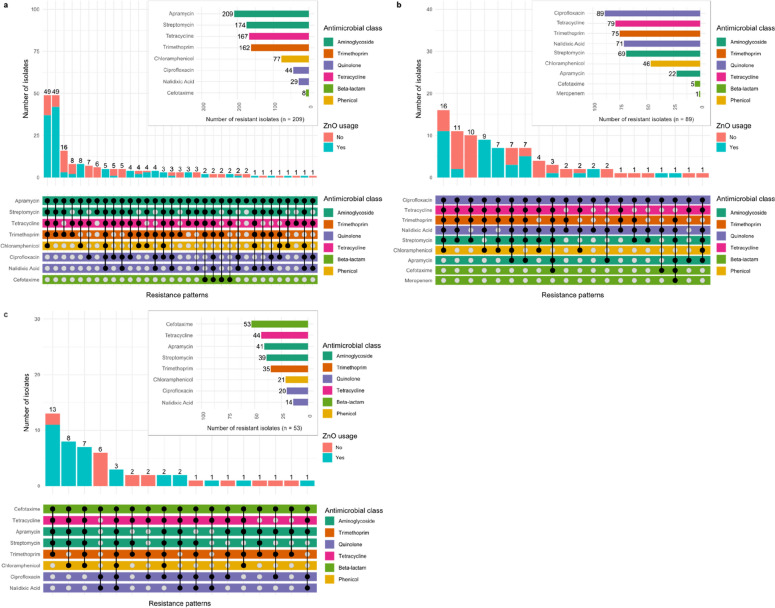
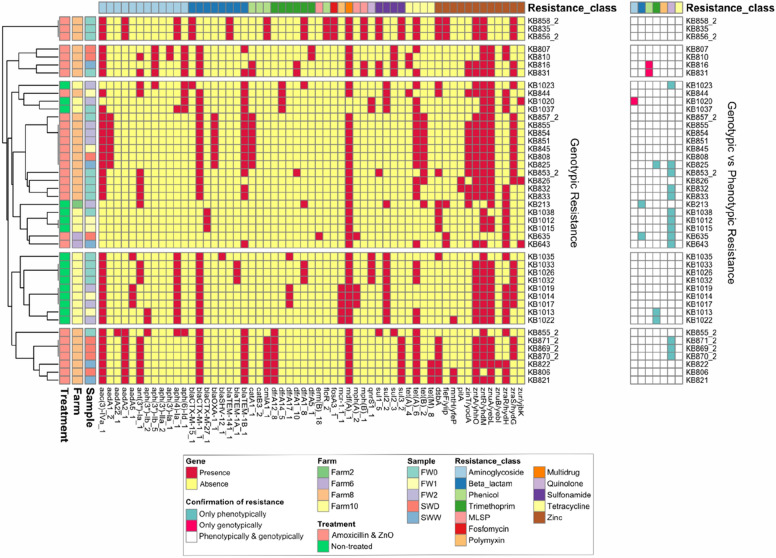
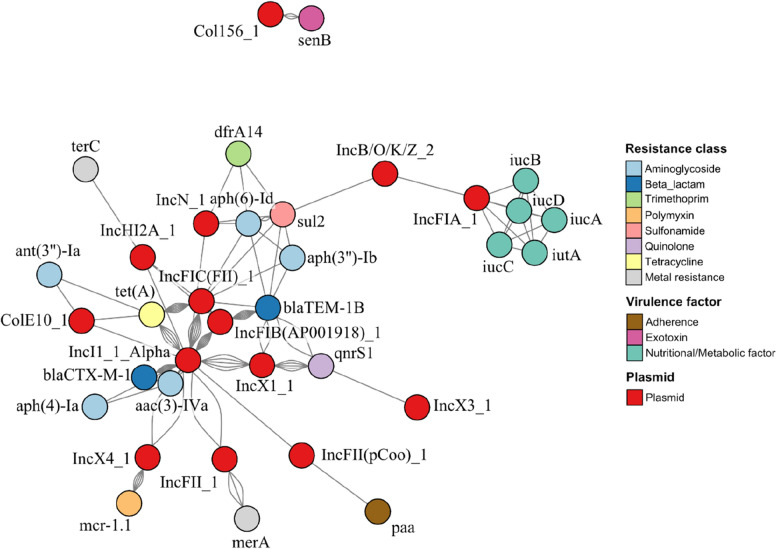
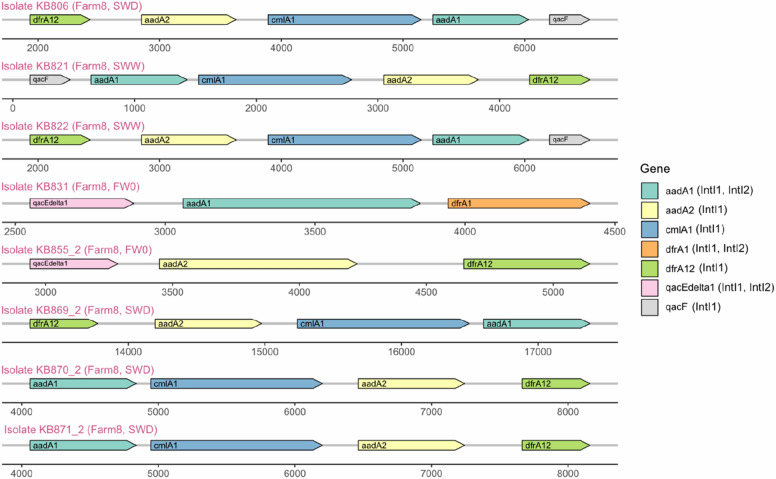
In total 351 isolates were phenotypically analysed, and the genomes of 44 AmpC/ESBL-producing E. coli isolates from 4 farms were characterised using whole-genome sequencing. Phenotypic analysis suggested higher numbers of multi-drug resistant (MDR) E. coli isolates on farms using prophylaxis. Furthermore, farms using prophylaxis were associated with higher numbers of isolates resistant to apramycin, trimethoprim, tetracycline, streptomycin, and chloramphenicol, while resistance to ciprofloxacin was more associated with farms not using any prophylaxis. Thirty-four of the 44 AmpC/ESBL-producing E. coli strains harboured the bla resistance gene and were multi drug resistant (MDR). Moreover, network analysis of plasmids and analysis of integrons showed that antimicrobial and biocide resistance genes were frequently co-located on mobile genetic elements, indicating the possibility for co-selection during antimicrobial or biocide usage as a contributor to AMR occurrence and persistence on farms.
The results of this study showed evidence that antimicrobial and ZnO treatment of pigs post-weaning can favour the selection and development of AMR and MDR E. coli. Co-location of resistance genes on mobile genetic elements was observed. This study demonstrated the usefulness of phenotypic and genotypic detection of antimicrobial resistance by combining sequencing and microbiological methods.
由于抗菌药物和重金属(氧化锌)的使用与抗菌药物耐药性(AMR)之间可能存在关联,以及对环境污染的担忧,欧盟于2022年禁止在养猪生产中预防性使用抗菌药物和氧化锌。然而,它们的使用对商业养猪场细菌AMR谱的影响仍未完全了解,之前研究氧化锌作用的报告结果相互矛盾。本研究的目的是检验抗菌药物和氧化锌的使用对商业养猪场AMR的影响。在爱尔兰的10个商业农场采集了粪便和环境样本,其中5个农场定期使用氧化锌和抗菌药物(阿莫西林或磺胺嘧啶-甲氧苄啶)预防疾病。另外5个农场不使用氧化锌或任何其他形式的预防措施。使用未补充和补充了色氨酸胆盐X-葡萄糖醛酸琼脂的培养基,对所有样本中的大肠杆菌数量进行定量。
总共对351株分离株进行了表型分析,并使用全基因组测序对来自4个农场的44株产AmpC/ESBL大肠杆菌分离株的基因组进行了特征分析。表型分析表明,使用预防措施的农场中多重耐药(MDR)大肠杆菌分离株的数量更多。此外,使用预防措施的农场与对阿普拉霉素、甲氧苄啶、四环素、链霉素和氯霉素耐药的分离株数量较多有关,而对环丙沙星的耐药性与未使用任何预防措施的农场关系更大。44株产AmpC/ESBL大肠杆菌菌株中有34株携带bla耐药基因且为多重耐药(MDR)。此外,质粒的网络分析和整合子分析表明,抗菌和杀生物剂耐药基因经常共定位在可移动遗传元件上,这表明在使用抗菌药物或杀生物剂期间可能发生共选择,从而导致农场中AMR的出现和持续存在。
本研究结果表明,断奶后对猪使用抗菌药物和氧化锌会促进AMR和MDR大肠杆菌的选择和发展。观察到耐药基因在可移动遗传元件上的共定位。本研究证明了通过结合测序和微生物学方法进行抗菌药物耐药性表型和基因型检测的有用性。