De Aguiar Saldanha Pinheiro Ana Cristina, Martí-Quijal Francisco J, Barba Francisco J, Benítez-González Ana M, Meléndez-Martínez Antonio J, Castagnini Juan Manuel, Tappi Silvia, Rocculi Pietro
Department of Agricultural and Food Science, Campus of Food Science, Alma Mater Studiorum, University of Bologna, 47521 Cesena, Italy.
Department of Preventive Medicine and Public Health, Food Science, Toxicology and Forensic Medicine, Faculty of Pharmacy, Universitat de València, Avda. Vicent Andrés Estellés, s/n, Burjassot, 46100 València, Spain.
Antioxidants (Basel). 2023 Feb 7;12(2):406. doi: 10.3390/antiox12020406.
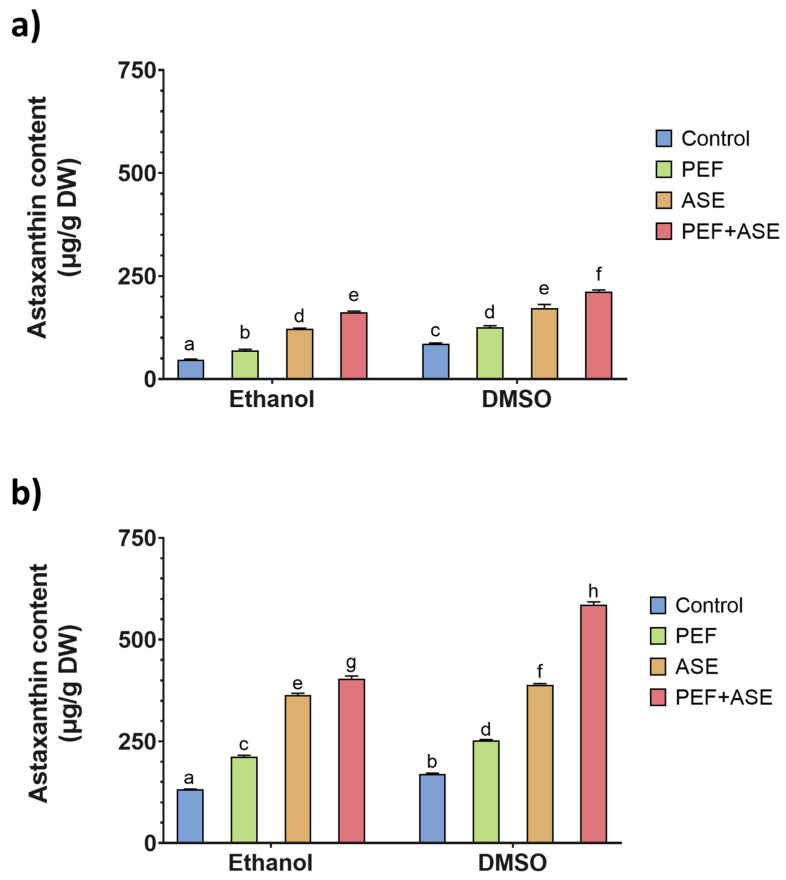
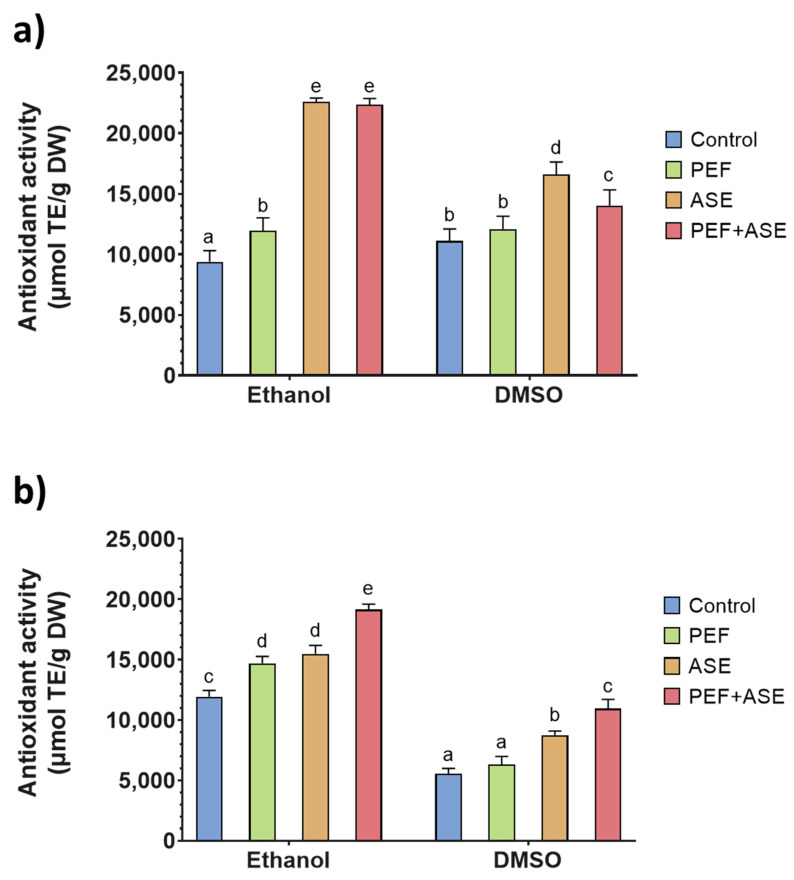
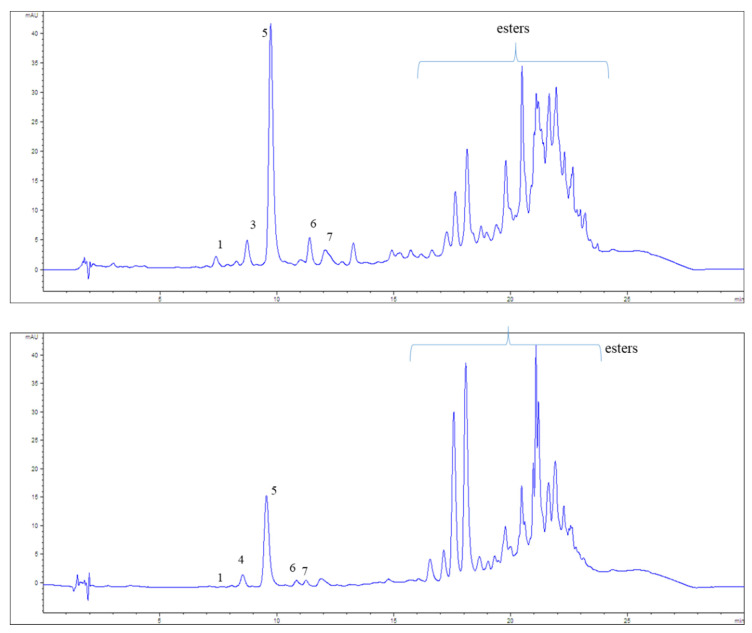
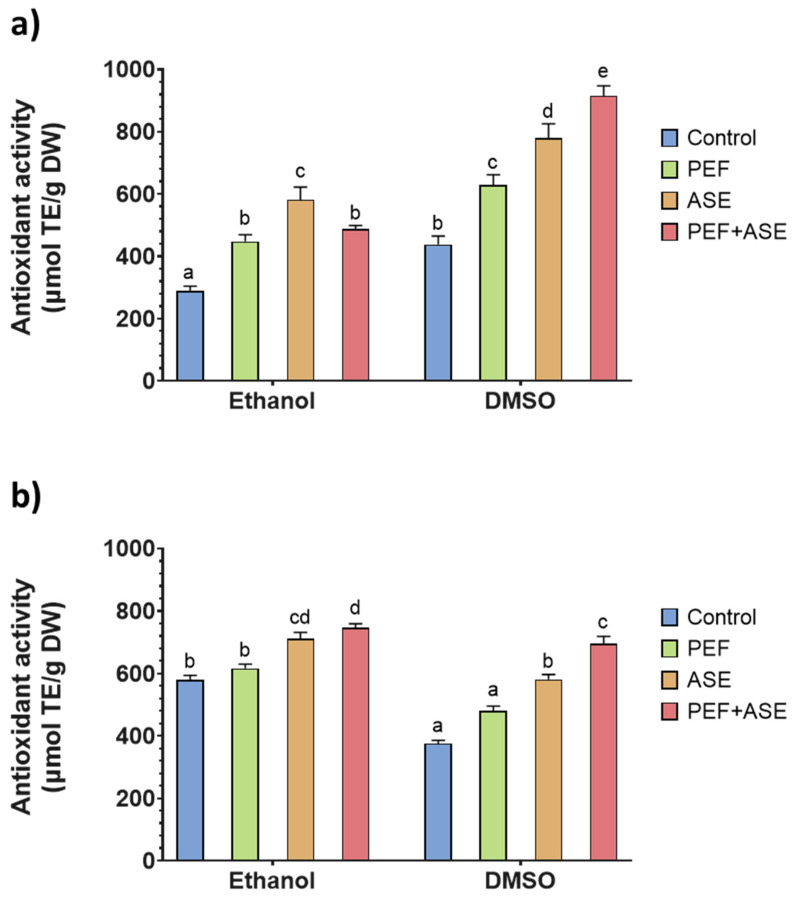
Shrimp side streams represent an important natural source of astaxanthin. Optimization of the astaxanthin extraction process from shrimp side streams is of great importance for the valorization of crustacean side streams and the development of astaxanthin-related products. The combined and independent effects of two innovative extraction technologies (pulsed electric fields (PEFs) and accelerated solvent extraction (ASE)) alone and/or combined in a sequential step, using two different solvents on astaxanthin extraction from two shrimp species, were evaluated. Astaxanthin content in the extracts of shrimp side streams was determined by both spectrophotometric and HPLC assays, being the determination of the carotenoid profiles performed by HPLC analysis. Compared to a solvent extraction control procedure, the astaxanthin content was increased after ASE and PEF treatments, for both shrimp species, independently of the solvent used. The highest recovery (585.90 µg/g) was obtained for the species , with the solvent DMSO when PEF and ASE were combined, while the increase in antioxidant capacity varied depending on the solvent used. HPLC analysis of the samples revealed the presence of unesterified (all-E) astaxanthin, four unesterified Z isomers of astaxanthin and many unresolved astaxanthin esters. Both technologies are useful tools to recover antioxidant valuable carotenoids such as astaxanthin from shrimp side streams.
虾副产物是虾青素的重要天然来源。优化从虾副产物中提取虾青素的工艺对于甲壳类副产物的增值利用以及虾青素相关产品的开发具有重要意义。本研究评估了两种创新提取技术(脉冲电场(PEF)和加速溶剂萃取(ASE))单独使用和/或在连续步骤中联合使用两种不同溶剂,对两种虾类副产物中虾青素提取的联合和独立效果。通过分光光度法和高效液相色谱(HPLC)测定虾副产物提取物中的虾青素含量,通过HPLC分析确定类胡萝卜素谱。与溶剂萃取对照程序相比,ASE和PEF处理后,两种虾类副产物中的虾青素含量均增加,且与所使用的溶剂无关。当PEF和ASE联合使用时,使用二甲基亚砜(DMSO)溶剂对该虾种获得了最高回收率(585.90 μg/g),而抗氧化能力的增加则因所使用的溶剂而异。对样品的HPLC分析显示存在未酯化的(全反式)虾青素、四种未酯化的虾青素Z异构体以及许多未解析的虾青素酯。这两种技术都是从虾副产物中回收具有抗氧化价值的类胡萝卜素(如虾青素)的有用工具。