Dipartimento di Scienze della terra e del Mare DiSTeM, Laboratorio di Biochimica Marina ed Ecotossicologia, Università degli Studi di Palermo, Via G. Barlotta 4, 91100 Trapani, Italy.
Istituto di Biologia Marina, Consorzio Universitario della Provincia di Trapani, Via G. Barlotta 4, 91100 Trapani, Italy.
Mar Drugs. 2021 Apr 13;19(4):216. doi: 10.3390/md19040216.
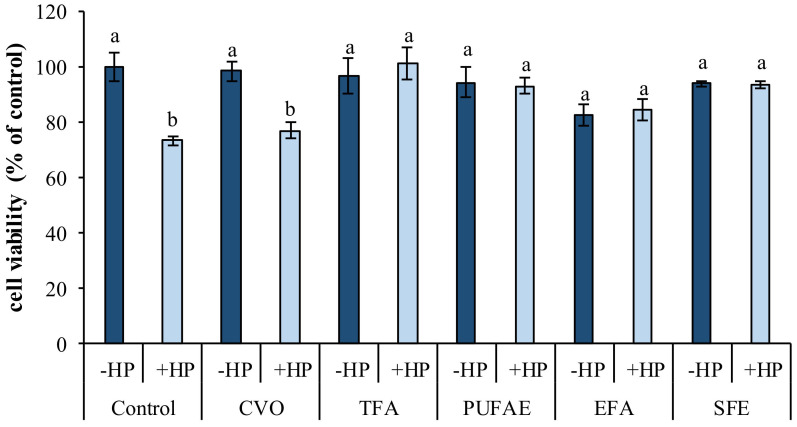
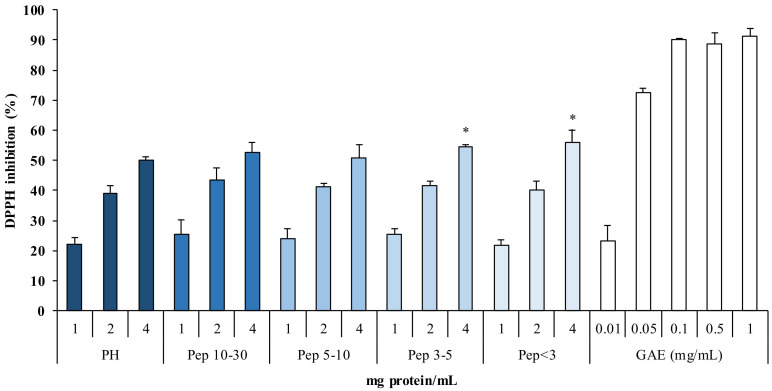
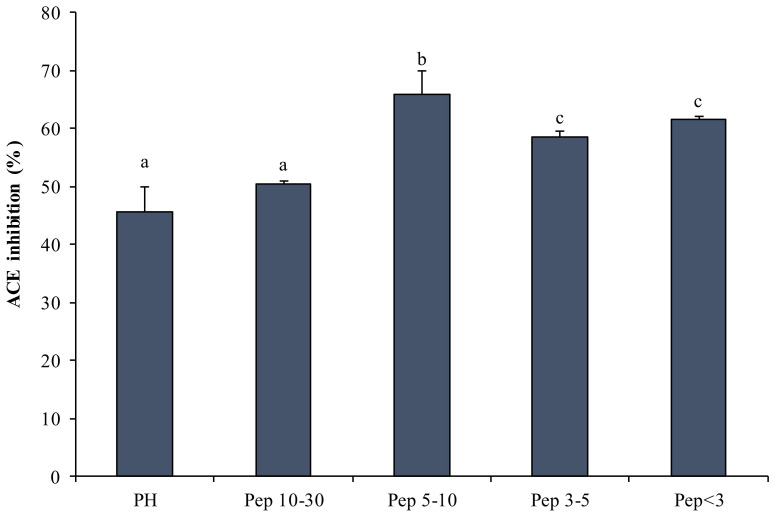
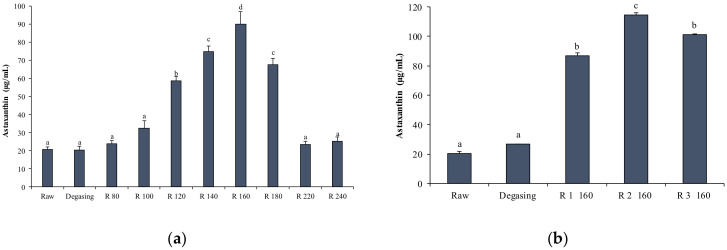
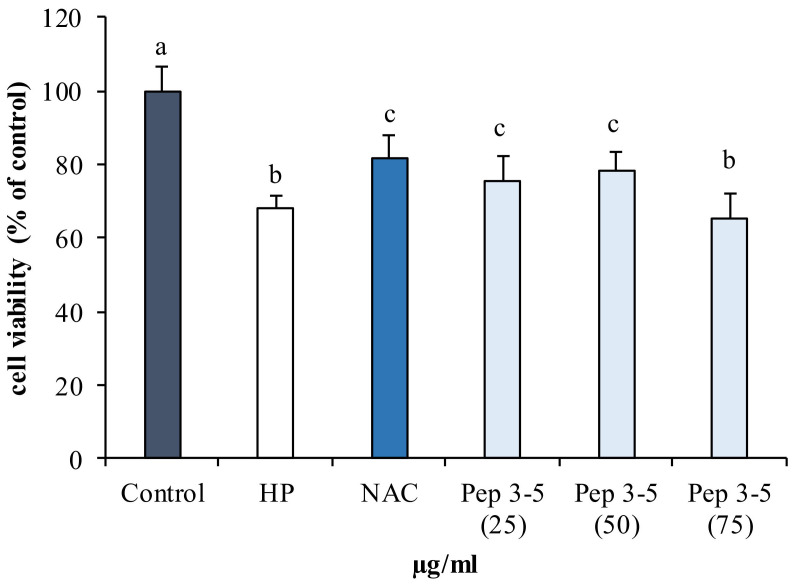
Non-edible parts of crustaceans could be a rich source of valuable bioactive compounds such as the carotenoid astaxanthin and peptides, which have well-recognized beneficial effects. These compounds are widely used in nutraceuticals and pharmaceuticals, and their market is rapidly growing, suggesting the need to find alternative sources. The aim of this work was to set up a pilot-scale protocol for the reutilization of by-products of processed shrimp, in order to address the utilization of this valuable biomass for nutraceutical and pharmaceuticals application, through the extraction of astaxanthin-enriched oil and antioxidant-rich protein hydrolysates. Astaxanthin (AST) was obtained using "green extraction methods," such as using fish oil and different fatty acid ethyl esters as solvents and through supercritical fluid extraction (SFE), whereas bioactive peptides were obtained by protease hydrolysis. Both astaxanthin and bioactive peptides exhibited bioactive properties in vitro in cellular model systems, such as antioxidant and angiotensin I converting enzyme (ACE) inhibitory activities (IA). The results show higher astaxanthin yields in ethyl esters fatty acids (TFA) extraction and significant enrichment by short-path distillation (SPD) up to 114.80 ± 1.23 µg/mL. Peptide fractions of <3 kDa and 3-5 kDa exhibited greater antioxidant activity while the fraction 5-10 kDa exhibited a better ACE-IA. Lower-molecular-weight bioactive peptides and astaxanthin extracted using supercritical fluids showed protective effects against oxidative damage in 142BR and in 3T3 cell lines. These results suggest that "green" extraction methods allow us to obtain high-quality bioactive compounds from large volumes of shrimp waste for nutraceutical and pharmaceutical applications.
甲壳类动物的不可食用部分可能是有价值的生物活性化合物的丰富来源,如类胡萝卜素虾青素和肽,它们具有公认的有益作用。这些化合物广泛应用于营养保健品和制药领域,其市场正在迅速增长,这表明需要寻找替代来源。本工作的目的是建立一种用于加工虾副产物再利用的中试规模方案,以通过提取富含虾青素的油和抗氧化肽水解物来解决这种有价值的生物质在营养保健品和制药应用中的利用问题。虾青素(AST)是通过“绿色提取方法”获得的,例如使用鱼油和不同的脂肪酸乙酯作为溶剂,并通过超临界流体提取(SFE),而生物活性肽则通过蛋白酶水解获得。虾青素和生物活性肽在细胞模型系统中均表现出体外生物活性,如抗氧化和血管紧张素 I 转化酶(ACE)抑制活性(IA)。结果表明,乙酯脂肪酸(TFA)提取的虾青素产率更高,短程蒸馏(SPD)可显著富集至 114.80±1.23μg/mL。<3 kDa 和 3-5 kDa 的肽级分表现出更高的抗氧化活性,而 5-10 kDa 的肽级分表现出更好的 ACE-IA。使用超临界流体提取的低分子量生物活性肽和虾青素对 142BR 和 3T3 细胞系的氧化损伤具有保护作用。这些结果表明,“绿色”提取方法可使我们从大量虾废物中获得高质量的生物活性化合物,用于营养保健品和制药应用。