Asong John Awungnjia, Frimpong Ebenezer Kwabena, Seepe Hlabana Alfred, Katata-Seru Lebogang, Amoo Stephen Oluwaseun, Aremu Adeyemi Oladapo
Unit for Environmental Sciences and Management, Faculty of Natural and Agricultural Sciences, North-West University, Private Bag X1290, Potchefstroom 2520, South Africa.
School of Mathematics, Science and Technology Education, Faculty of Education, North-West University, Private Bag X2046, Mmabatho 2790, South Africa.
Antibiotics (Basel). 2023 Jan 18;12(2):203. doi: 10.3390/antibiotics12020203.
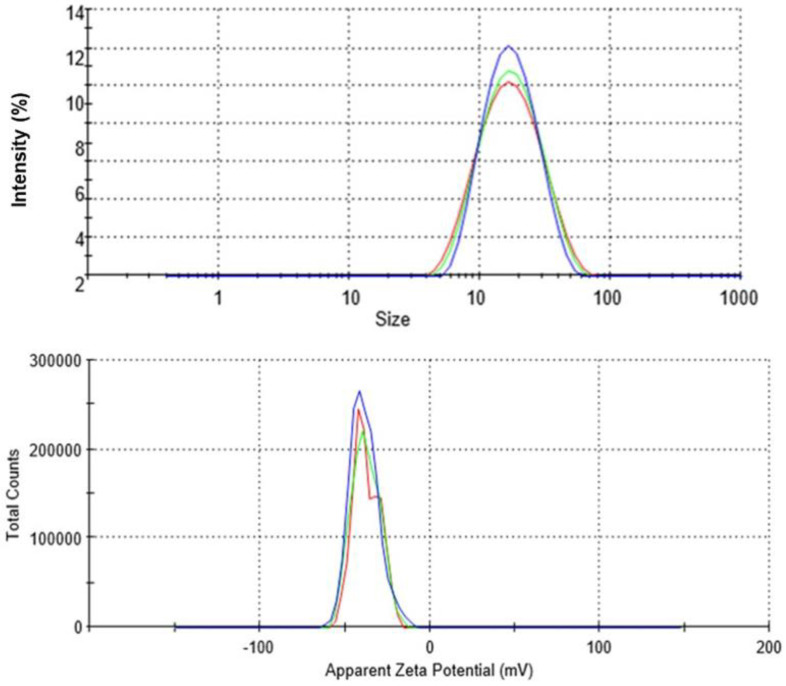
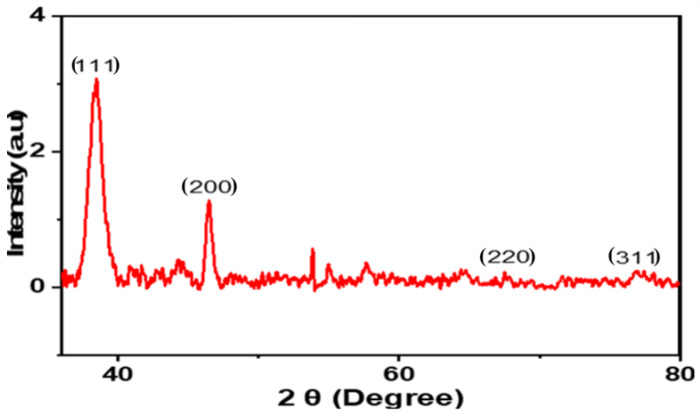
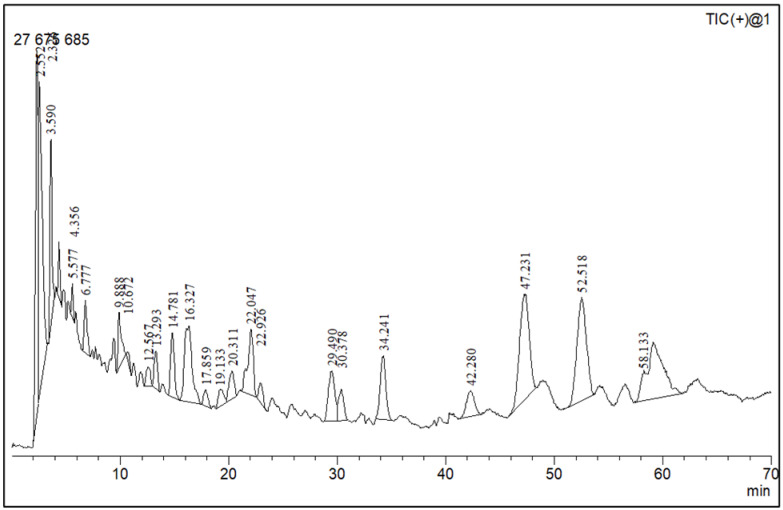
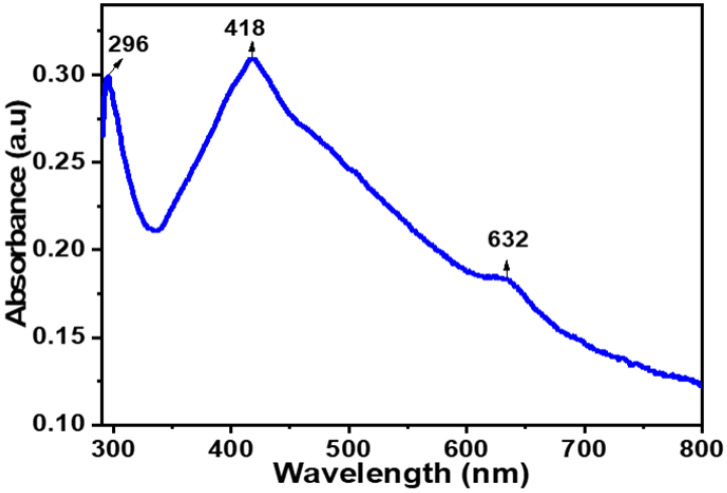
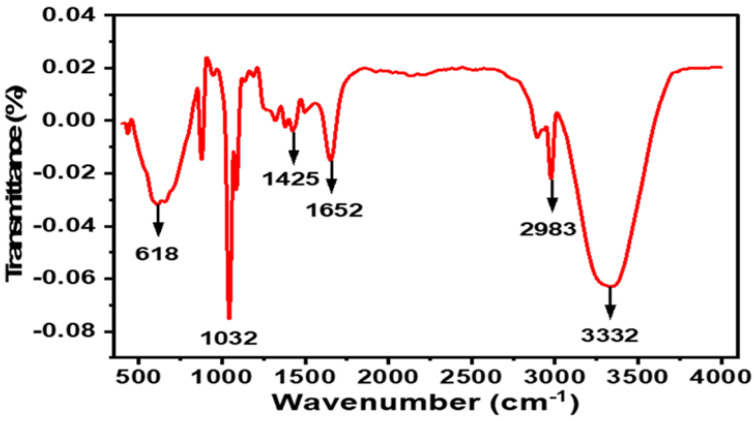
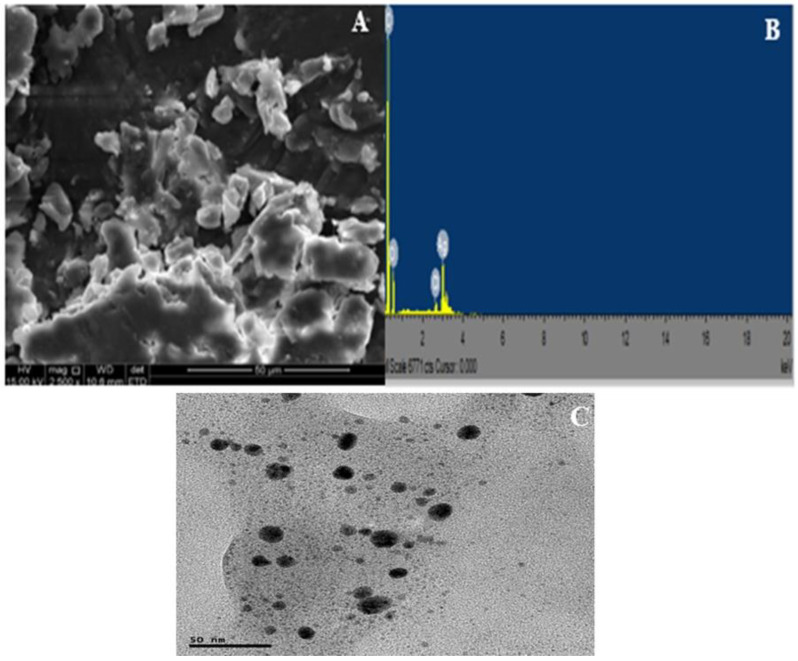
Plants serve as an important source of medicine and provide suitable candidate compounds to produce eco-friendly therapeutic agents. They also represent a source of bio-reducer and stabilizer for the development of nanoparticles for downstream applications. This study focused on the green synthesis of silver nanoparticle (CTAgNP) using (Thunb.) J.W. Grimes acetone extract and the evaluation of the antibacterial activity of the plant extract and biogenic nanoparticles against two Gram-positive bacteria strains, namely and . In addition, the phytochemical profile of . was established using liquid chromatography-mass spectrometry (LC-MS). The antibacterial effect of the extract and CTAgNP was moderate based on the minimum inhibitory concentration (MIC) values obtained. The MIC values of 2.6 mg/mL and 3.1 mg/mL were recorded for . extract against . and . , respectively. On the other hand, the CTAgNP had MIC values of 1.5 mg/mL and 2.6 mg/mL against and , respectively. The nanoparticle exhibited surface charge of -37 ± 7.67 mV and average hydro-dynamic size of 145 nm. X-ray diffraction illustrates that metallic nanoparticles were formed and had a face-centered cubic structure. Microscopic and spectroscopic techniques revealed that the CTAgNP was covered by a protective shell layer constituted of organic compounds originating from the plant extract. The acetone extract of . could be useful to the bio-pharma industries in the large-scale manufacture of nanoparticle-based medications to fight against microbes that constitute a threat to the survival of humanity.
植物是重要的药物来源,能提供合适的候选化合物来生产环保型治疗剂。它们也是用于下游应用的纳米颗粒开发的生物还原剂和稳定剂的来源。本研究聚焦于使用(Thunb.)J.W. 格里姆斯丙酮提取物绿色合成银纳米颗粒(CTAgNP),并评估该植物提取物和生物合成纳米颗粒对两种革兰氏阳性细菌菌株,即和的抗菌活性。此外,使用液相色谱 - 质谱联用(LC - MS)确定了的植物化学特征。根据获得的最低抑菌浓度(MIC)值,提取物和CTAgNP的抗菌效果为中等。提取物对和的MIC值分别记录为2.6 mg/mL和3.1 mg/mL。另一方面,CTAgNP对和的MIC值分别为1.5 mg/mL和2.6 mg/mL。该纳米颗粒的表面电荷为 - 37 ± 7.67 mV,平均流体动力学尺寸为145 nm。X射线衍射表明形成了金属纳米颗粒,且具有面心立方结构。显微镜和光谱技术表明,CTAgNP被一层由源自植物提取物的有机化合物构成的保护壳层覆盖。的丙酮提取物在大规模生产基于纳米颗粒的药物以对抗对人类生存构成威胁的微生物方面,可能对生物制药行业有用。