Aquatic and Crop Resource Development, National Research Council Canada, Saskatoon, SK S7N 0W9, Canada.
Genes (Basel). 2023 Jan 20;14(2):270. doi: 10.3390/genes14020270.
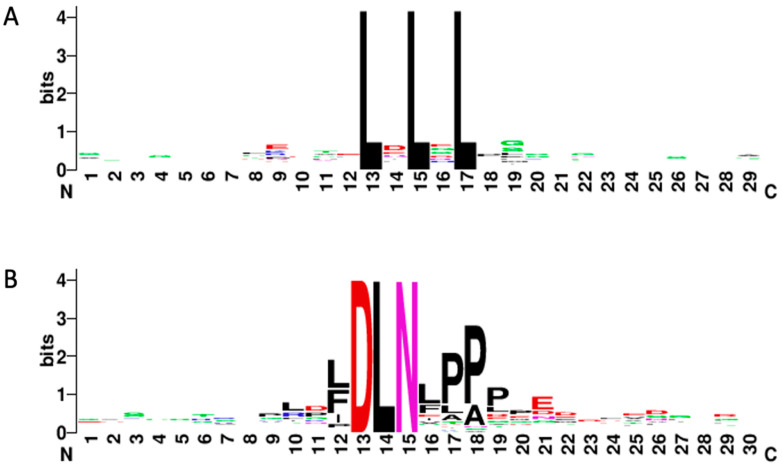
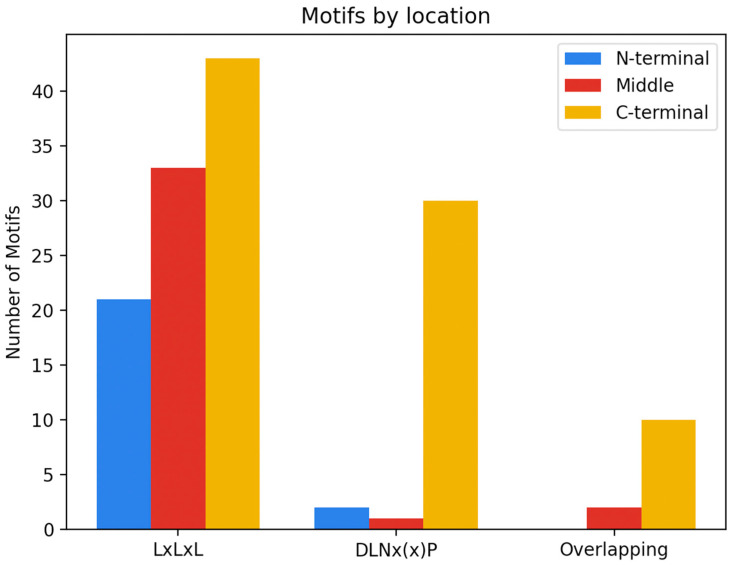
The ethylene-responsive element binding factor-associated amphiphilic repression (EAR) motif, defined by the consensus sequence patterns LxLxL or DLNx(x)P, is found in a diverse range of plant species. It is the most predominant form of active transcriptional repression motif identified so far in plants. Despite its small size (5 to 6 amino acids), the EAR motif is primarily involved in the negative regulation of developmental, physiological and metabolic functions in response to abiotic and biotic stresses. Through an extensive literature review, we identified 119 genes belonging to 23 different plant species that contain an EAR motif and function as negative regulators of gene expression in various biological processes, including plant growth and morphology, metabolism and homeostasis, abiotic stress response, biotic stress response, hormonal pathways and signalling, fertility, and ripening. Positive gene regulation and transcriptional activation are studied extensively, but there remains much more to be discovered about negative gene regulation and the role it plays in plant development, health, and reproduction. This review aims to fill the knowledge gap and provide insights into the role that the EAR motif plays in negative gene regulation, and provoke further research on other protein motifs specific to repressors.
乙烯响应元件结合因子相关的两亲性抑制(EAR)基序,由共识序列模式 LxLxL 或 DLNx(x)P 定义,存在于多种植物物种中。它是迄今为止在植物中鉴定出的最主要的主动转录抑制基序形式。尽管 EAR 基序很小(5 到 6 个氨基酸),但它主要参与了非生物和生物胁迫下发育、生理和代谢功能的负调控。通过广泛的文献回顾,我们确定了 23 个不同植物物种中的 119 个基因,这些基因含有 EAR 基序,并且在各种生物学过程中作为基因表达的负调节剂发挥作用,包括植物生长和形态、代谢和内稳态、非生物胁迫响应、生物胁迫响应、激素途径和信号转导、育性和成熟。正向基因调控和转录激活得到了广泛研究,但负向基因调控及其在植物发育、健康和繁殖中的作用还有很多需要发现。本综述旨在填补这一知识空白,并深入了解 EAR 基序在负向基因调控中的作用,并进一步研究其他特定于抑制剂的蛋白质基序。