Puris Elena, Fricker Gert, Gynther Mikko
Institute of Pharmacy and Molecular Biotechnology, Ruprecht-Karls-University, Im Neuenheimer Feld 329, 69120 Heidelberg, Germany.
Pharmaceutics. 2023 Jan 21;15(2):364. doi: 10.3390/pharmaceutics15020364.
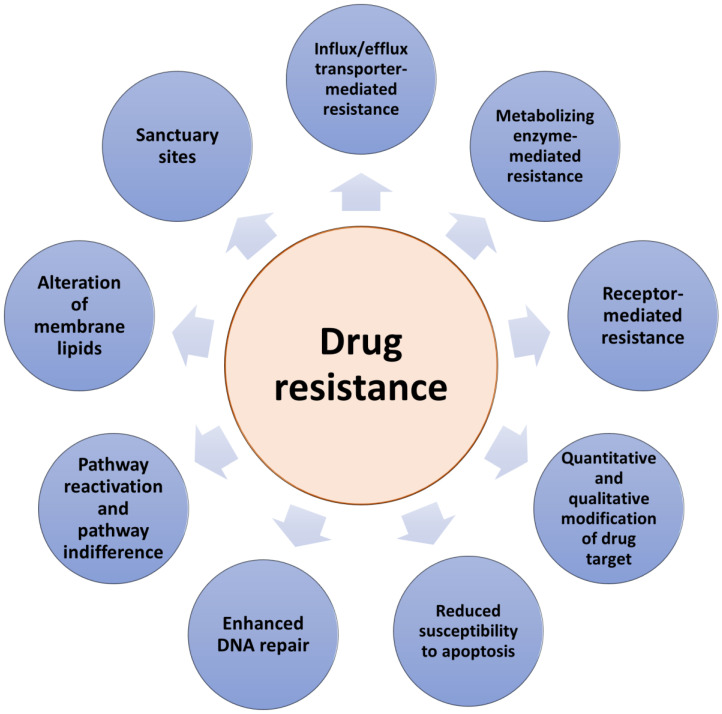
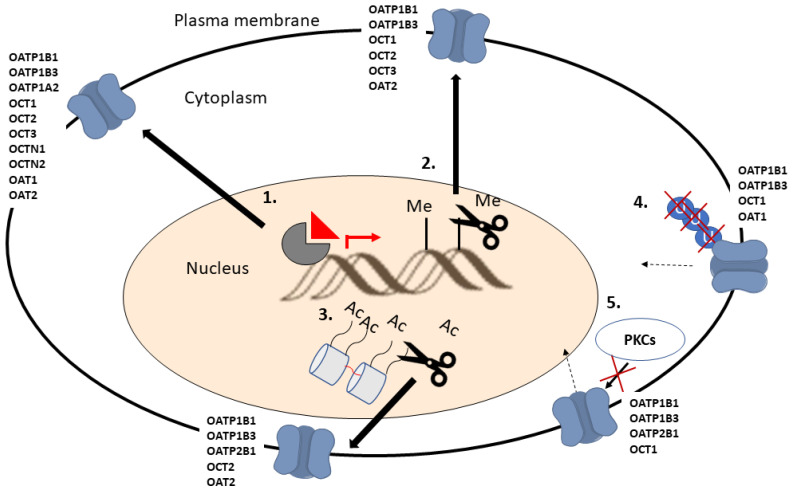
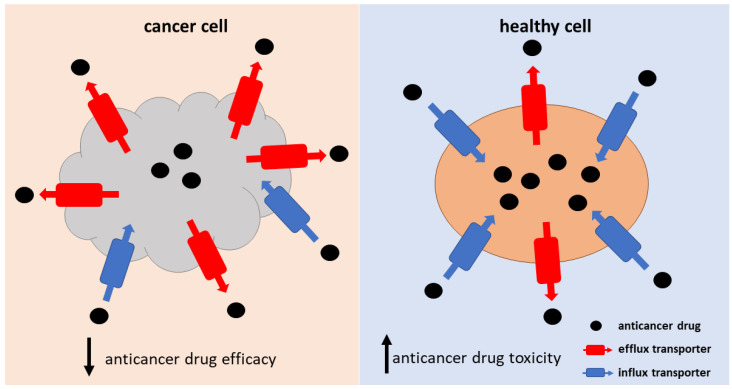
Transporter-mediated drug resistance is a major obstacle in anticancer drug delivery and a key reason for cancer drug therapy failure. Membrane solute carrier (SLC) transporters play a crucial role in the cellular uptake of drugs. The expression and function of the SLC transporters can be down-regulated in cancer cells, which limits the uptake of drugs into the tumor cells, resulting in the inefficiency of the drug therapy. In this review, we summarize the current understanding of low-SLC-transporter-expression-mediated drug resistance in different types of cancers. Recent advances in SLC-transporter-targeting strategies include the development of transporter-utilizing prodrugs and nanocarriers and the modulation of SLC transporter expression in cancer cells. These strategies will play an important role in the future development of anticancer drug therapies by enabling the efficient delivery of drugs into cancer cells.
转运蛋白介导的耐药性是抗癌药物递送中的主要障碍,也是癌症药物治疗失败的关键原因。膜溶质载体(SLC)转运蛋白在药物的细胞摄取中起关键作用。SLC转运蛋白的表达和功能在癌细胞中可能下调,这限制了药物进入肿瘤细胞,导致药物治疗效率低下。在本综述中,我们总结了目前对不同类型癌症中低SLC转运蛋白表达介导的耐药性的认识。靶向SLC转运蛋白策略的最新进展包括开发利用转运蛋白的前药和纳米载体,以及调节癌细胞中SLC转运蛋白的表达。这些策略将通过使药物能够有效递送至癌细胞,在未来抗癌药物治疗的发展中发挥重要作用。