LeCroy Madison N, Potter Lindsey N, Bandeen-Roche Karen, Bianco Monica E, Cappola Anne R, Carter Ebony B, Dayan Peter S, Eckstrom Elizabeth, Edwards Dorothy F, Farabi Sarah S, Fisher Sheehan D, Giordano Judy, Hanson Heidi A, Jenkins Emerald, Juhn Young, Kaskel Frederick, Stake Christine E, Reeds Dominic N, Schleiss Mark R, Wafford Q Eileen, McColley Susanna A
Department of Pediatrics, Division of Academic General Pediatrics, Albert Einstein College of Medicine, Bronx, NY, USA.
Department of Population Health, NYU Grossman School of Medicine, New York, NY, USA.
J Clin Transl Sci. 2022 Dec 6;7(1):e38. doi: 10.1017/cts.2022.510. eCollection 2023.
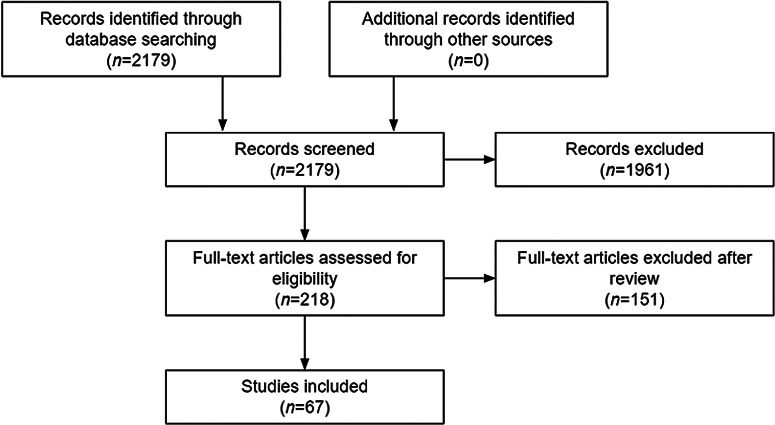
Exclusion of special populations (older adults; pregnant women, children, and adolescents; individuals of lower socioeconomic status and/or who live in rural communities; people from racial and ethnic minority groups; individuals from sexual or gender minority groups; and individuals with disabilities) in research is a pervasive problem, despite efforts and policy changes by the National Institutes of Health and other organizations. These populations are adversely impacted by social determinants of health (SDOH) that reduce access and ability to participate in biomedical research. In March 2020, the Northwestern University Clinical and Translational Sciences Institute hosted the "Lifespan and Life Course Research: integrating strategies" "Un-Meeting" to discuss barriers and solutions to underrepresentation of special populations in biomedical research. The COVID-19 pandemic highlighted how exclusion of representative populations in research can increase health inequities. We applied findings of this meeting to perform a literature review of barriers and solutions to recruitment and retention of representative populations in research and to discuss how findings are important to research conducted during the ongoing COVID-19 pandemic. We highlight the role of SDOH, review barriers and solutions to underrepresentation, and discuss the importance of a structural competency framework to improve research participation and retention among special populations.
尽管美国国立卫生研究院和其他组织做出了努力并进行了政策调整,但在研究中排除特殊人群(老年人;孕妇、儿童和青少年;社会经济地位较低和/或生活在农村社区的个人;种族和少数族裔群体的人;性取向或性别少数群体的人;以及残疾人)是一个普遍存在的问题。这些人群受到健康的社会决定因素(SDOH)的不利影响,这些因素降低了他们参与生物医学研究的机会和能力。2020年3月,西北大学临床与转化科学研究所主办了“生命周期与生命历程研究:整合策略”虚拟会议,以讨论生物医学研究中特殊人群代表性不足的障碍和解决方案。2019冠状病毒病大流行凸显了研究中排除代表性人群会如何加剧健康不平等。我们应用本次会议的结果,对研究中招募和保留代表性人群的障碍及解决方案进行了文献综述,并讨论这些结果对于在持续的2019冠状病毒病大流行期间开展的研究的重要性。我们强调健康的社会决定因素的作用,回顾代表性不足的障碍和解决方案,并讨论结构性能力框架对于提高特殊人群研究参与度和保留率的重要性。