Experimental Research Center, Capital Institute of Pediatrics, Beijing, 100020, People's Republic of China.
Department of Critical Medicine, Children's Hospital Affiliated Capital Institute of Pediatrics, Beijing, 100020, People's Republic of China.
Crit Care. 2023 Mar 1;27(1):79. doi: 10.1186/s13054-023-04378-w.
Community-acquired pneumonia (CAP) is the primary cause of death for children under five years of age globally. Hence, it is essential to investigate new early biomarkers and potential mechanisms involved in disease severity.
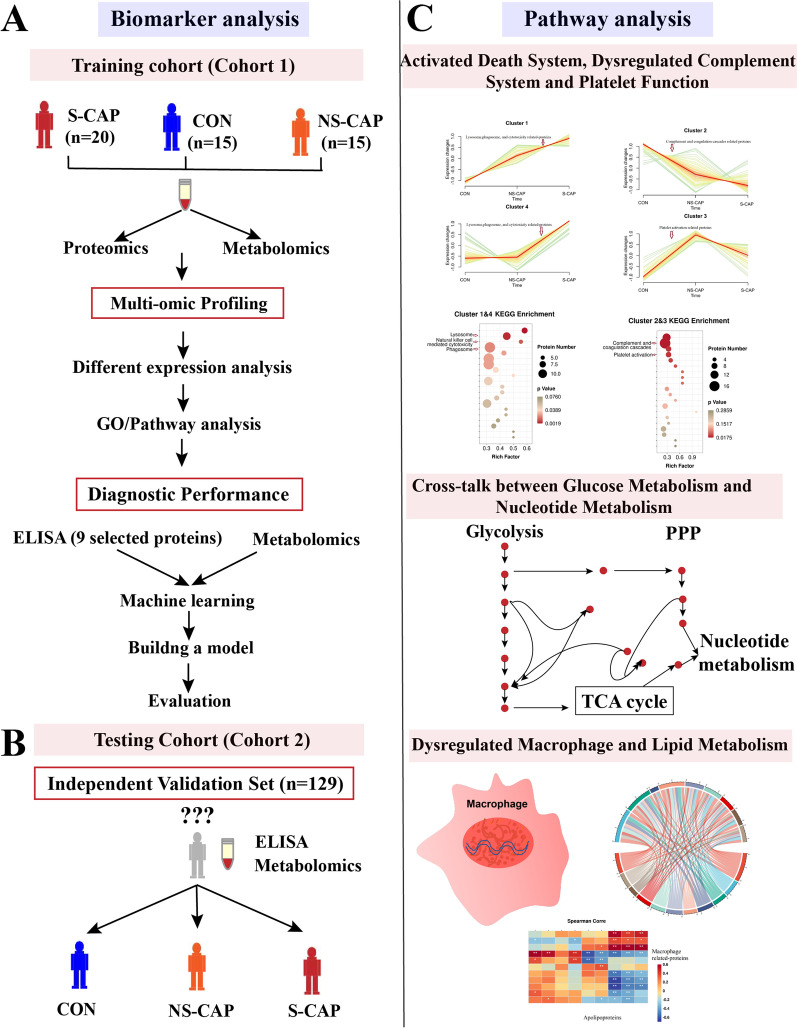
Proteomics combined with metabolomics was performed to identify biomarkers suitable for early diagnosis of severe CAP. In the training cohort, proteomics and metabolomics were performed on serum samples obtained from 20 severe CAPs (S-CAPs), 15 non-severe CAPs (NS-CAPs) and 15 healthy controls (CONs). In the verification cohort, selected biomarkers and their combinations were validated using ELISA and metabolomics in an independent cohort of 129 subjects. Finally, a combined proteomics and metabolomics analysis was performed to understand the major pathological features and reasons for severity of CAP.
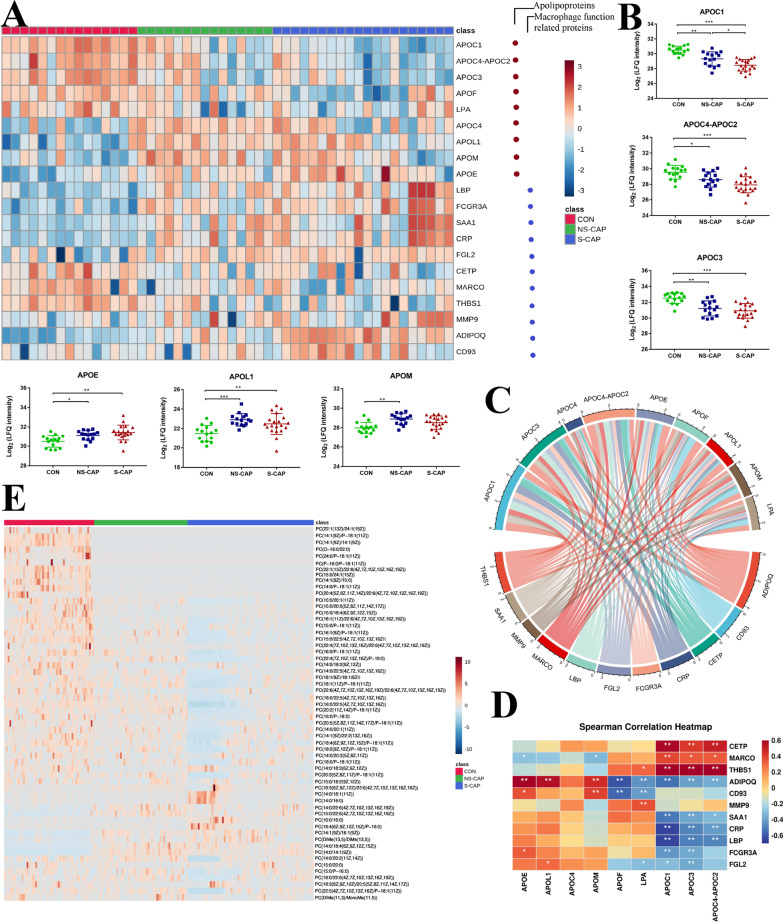
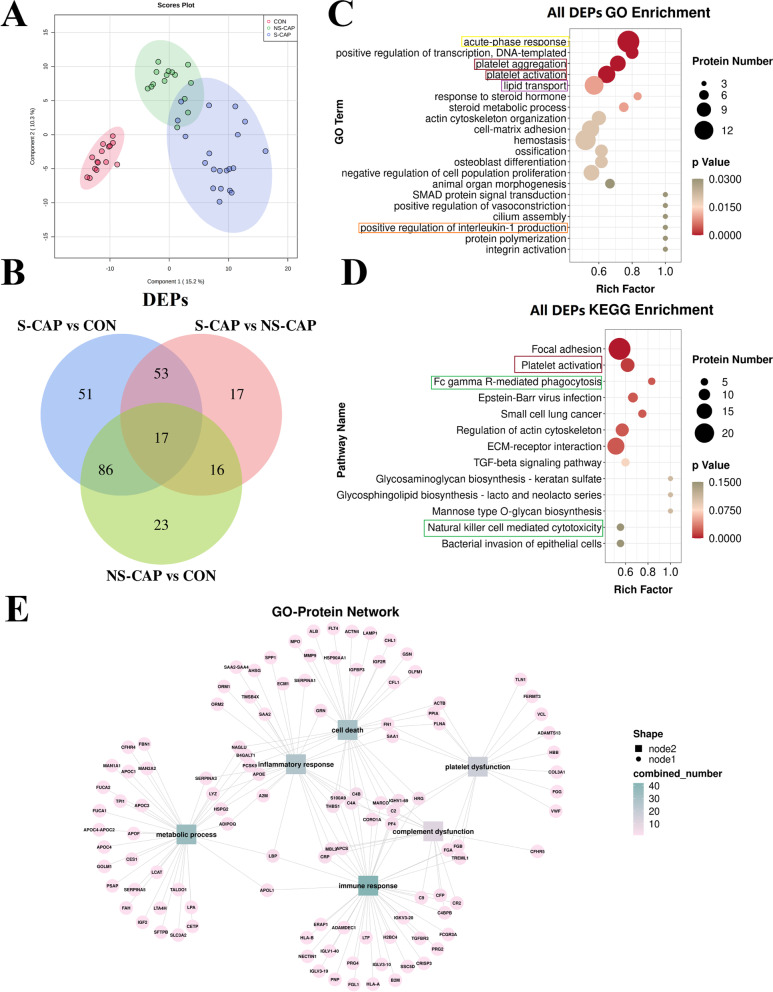
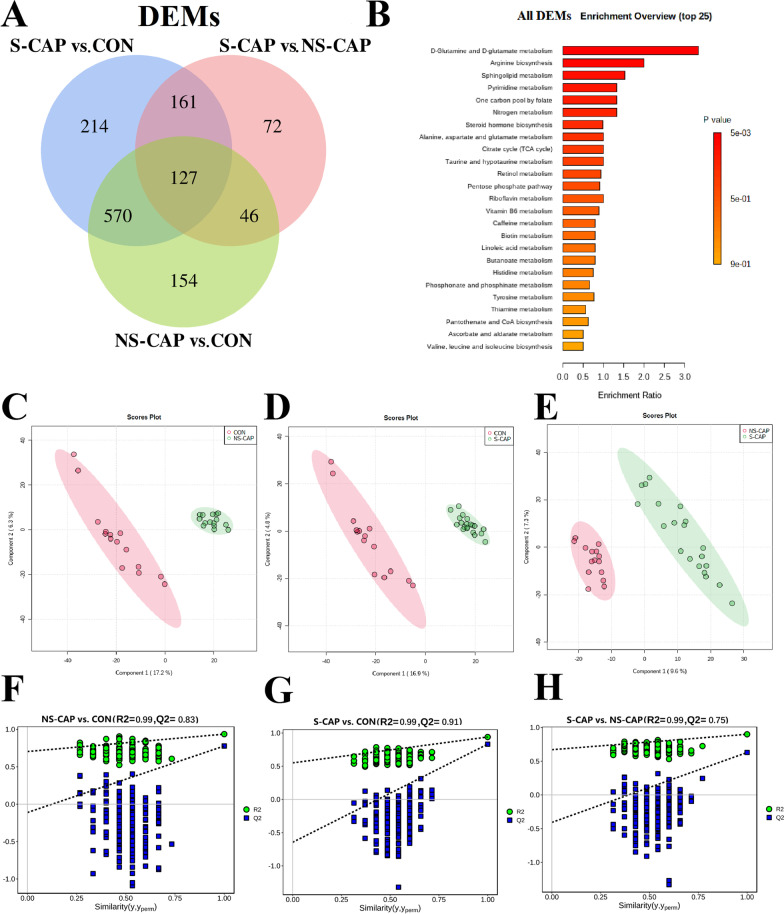
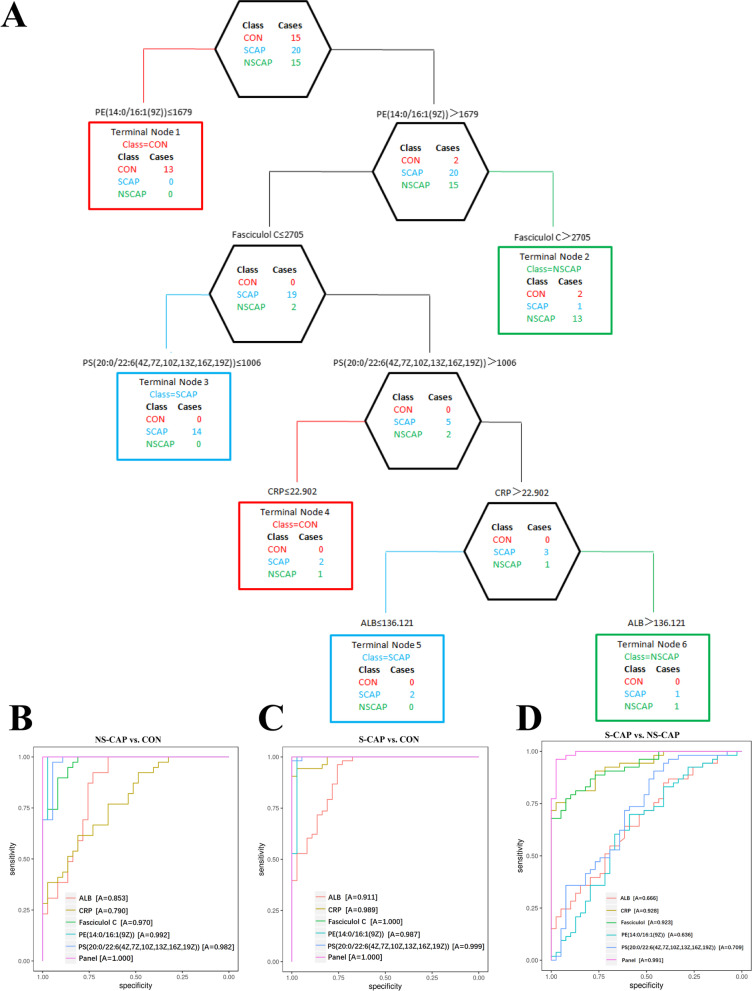
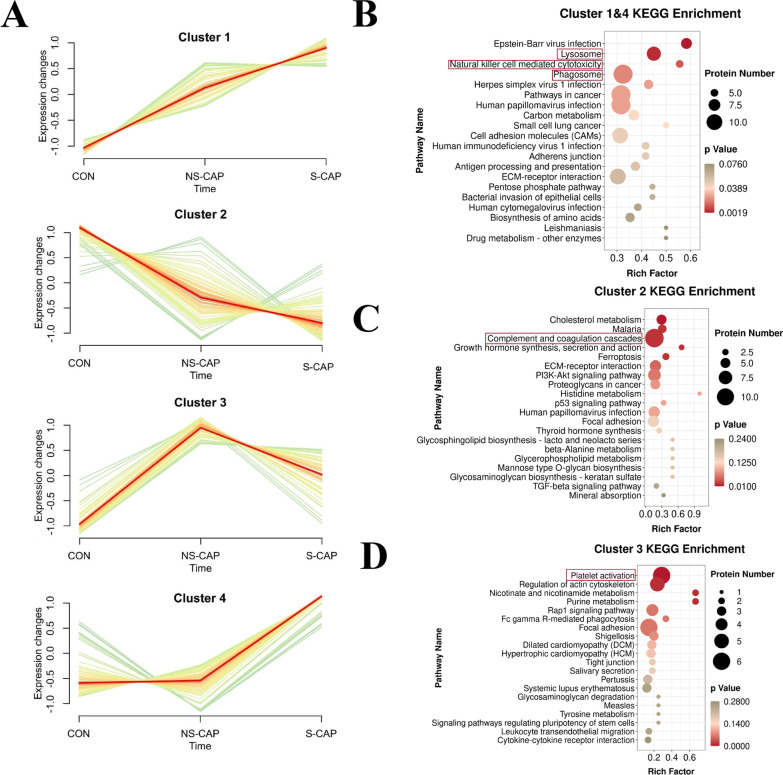
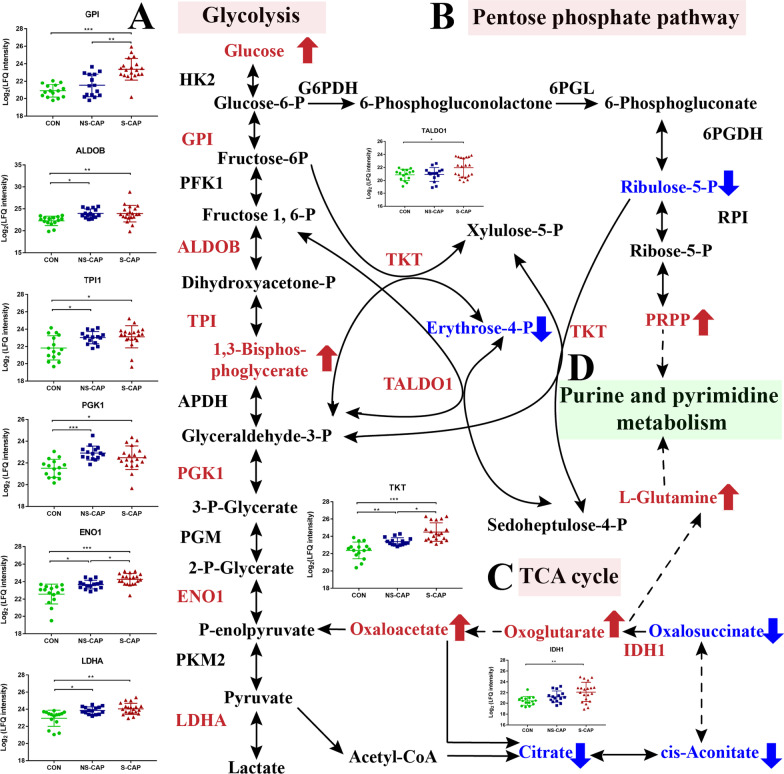
The proteomic and metabolic signature was markedly different between S-CAPs, NS-CAPs and CONs. A new serum biomarker panel including 2 proteins [C-reactive protein (CRP), lipopolysaccharide (LBP)] and 3 metabolites [Fasciculol C, PE (14:0/16:1(19Z)), PS (20:0/22:6(4Z, 7Z, 10Z, 13Z, 16Z, 19Z))] was developed to identify CAP and to distinguish severe pneumonia. Pathway analysis of changes revealed activation of the cell death pathway, a dysregulated complement system, coagulation cascade and platelet function, and the inflammatory responses as contributors to tissue damage in children with CAP. Additionally, activation of glycolysis and higher levels of nucleotides led to imbalanced deoxyribonucleotide pools contributing to the development of severe CAP. Finally, dysregulated lipid metabolism was also identified as a potential pathological mechanism for severe progression of CAP.
The integrated analysis of the proteome and metabolome might open up new ways in diagnosing and uncovering the complexity of severity of CAP.
社区获得性肺炎(CAP)是全球 5 岁以下儿童的主要死亡原因。因此,研究新的早期生物标志物和疾病严重程度相关的潜在机制至关重要。
采用蛋白质组学和代谢组学相结合的方法,鉴定适合严重 CAP 早期诊断的生物标志物。在训练队列中,对 20 例严重 CAP(S-CAP)、15 例非严重 CAP(NS-CAP)和 15 例健康对照(CON)的血清样本进行蛋白质组学和代谢组学分析。在验证队列中,使用 ELISA 和代谢组学对来自 129 例患者的独立队列中选定的生物标志物及其组合进行验证。最后,通过联合蛋白质组学和代谢组学分析,了解 CAP 严重程度的主要病理特征和原因。
S-CAP、NS-CAP 和 CON 之间的蛋白质组学和代谢组学特征明显不同。建立了一个新的血清生物标志物谱,包括 2 种蛋白(C 反应蛋白(CRP)、脂多糖(LBP))和 3 种代谢物(Fasciculol C、PE(14:0/16:1(19Z))、PS(20:0/22:6(4Z,7Z,10Z,13Z,16Z,19Z))),用于识别 CAP 并区分严重肺炎。对变化的途径分析表明,细胞死亡途径的激活、补体系统的失调、凝血级联和血小板功能以及炎症反应是导致 CAP 患儿组织损伤的原因。此外,糖酵解的激活和核苷酸水平的升高导致脱氧核糖核苷酸池失衡,导致严重 CAP 的发展。最后,还发现脂质代谢失调可能是 CAP 严重进展的潜在病理机制。
蛋白质组学和代谢组学的综合分析可能为 CAP 的诊断和揭示其严重程度的复杂性开辟新途径。