Department of Visceral Surgery and Medicine, Inselspital, Bern University Hospital, University of Bern, Bern, Switzerland; Institute of Microbiology, Infectious Diseases and Immunology (I-MIDI), Charité - Universitätsmedizin Berlin, Corporate Member of Freie Universität Berlin and Humboldt-Universität zu Berlin, Hindenburgdamm 30, 12203 Berlin, Germany.
Department of Visceral Surgery and Medicine, Inselspital, Bern University Hospital, University of Bern, Bern, Switzerland.
Cell Rep. 2023 Mar 28;42(3):112269. doi: 10.1016/j.celrep.2023.112269. Epub 2023 Mar 17.
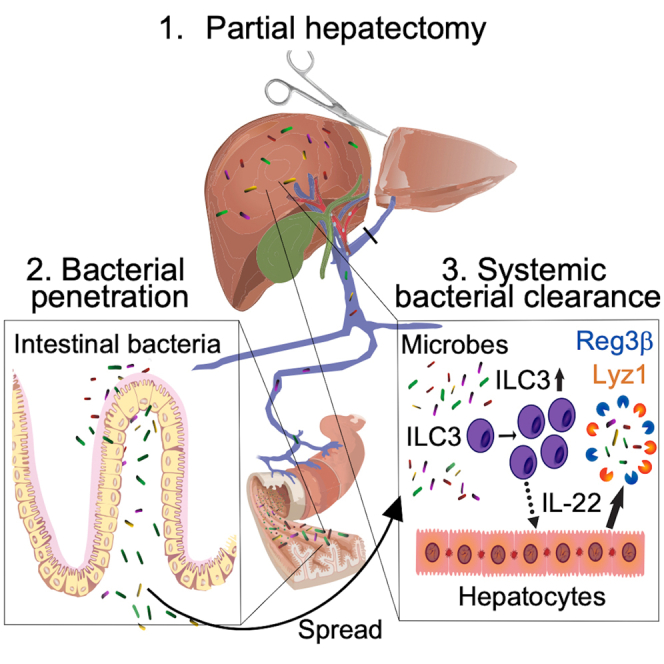
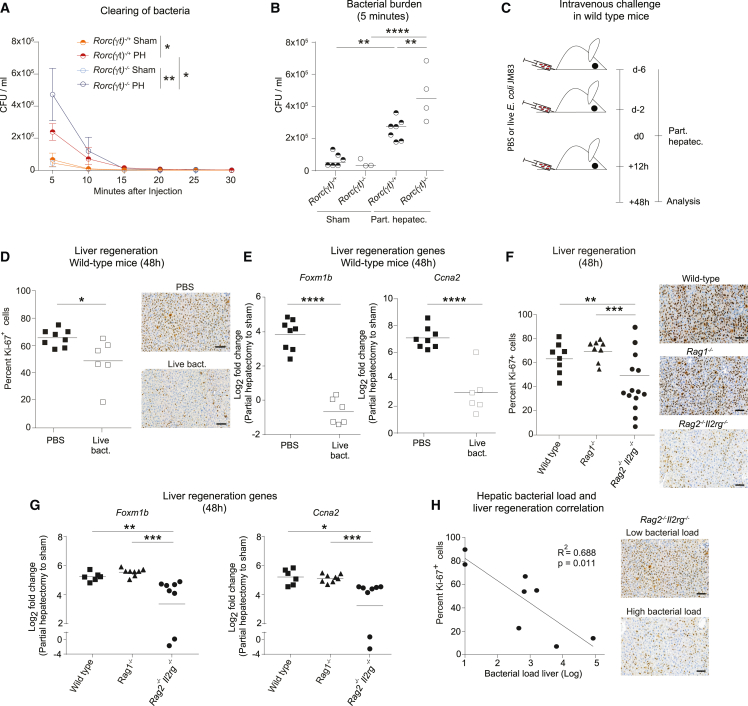
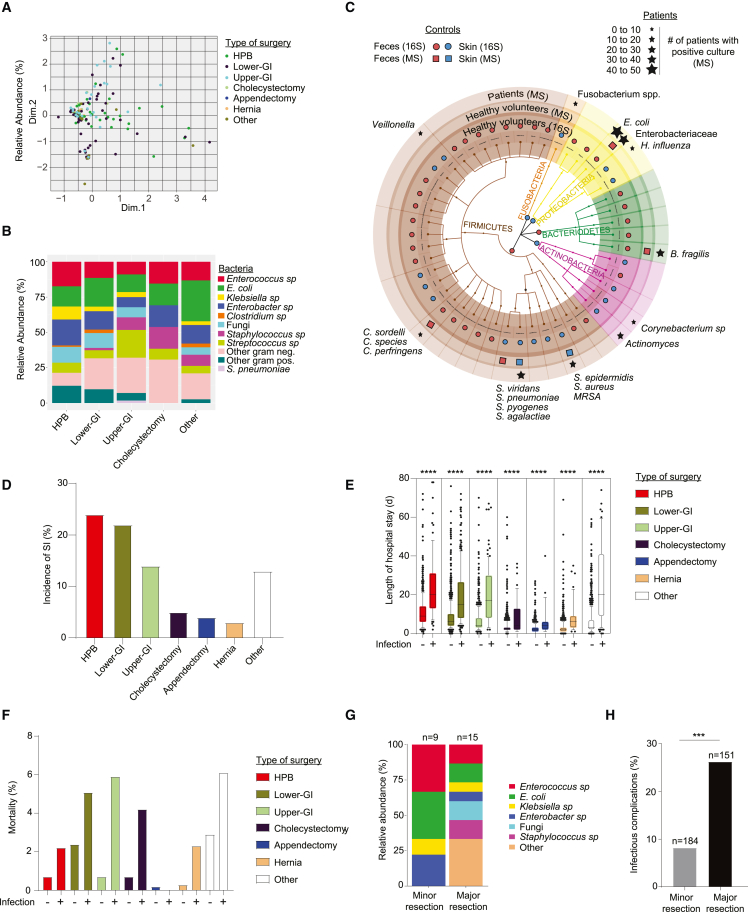
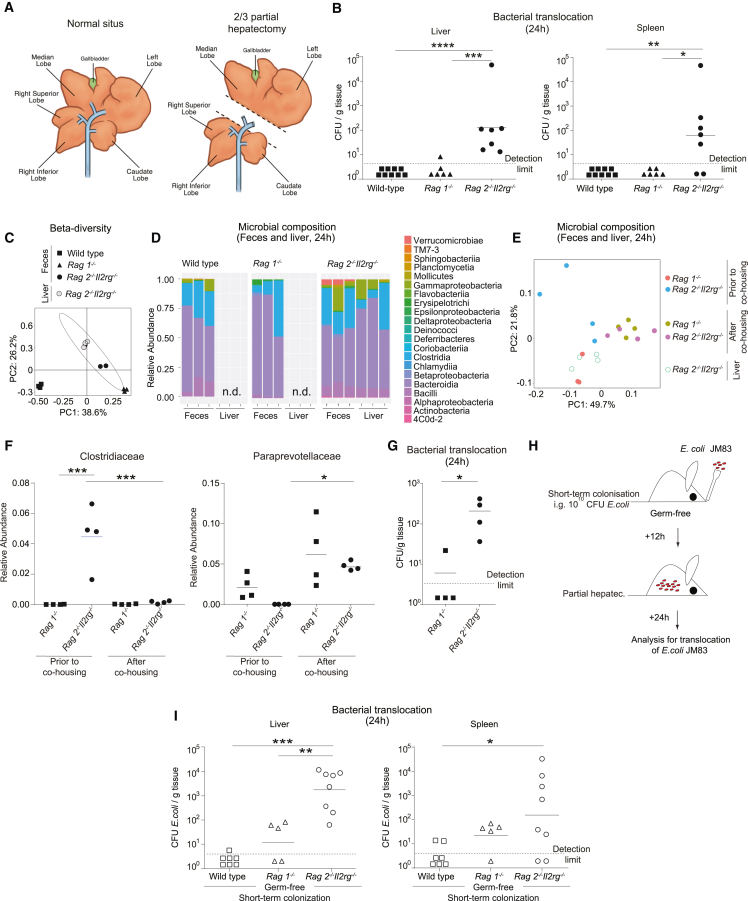
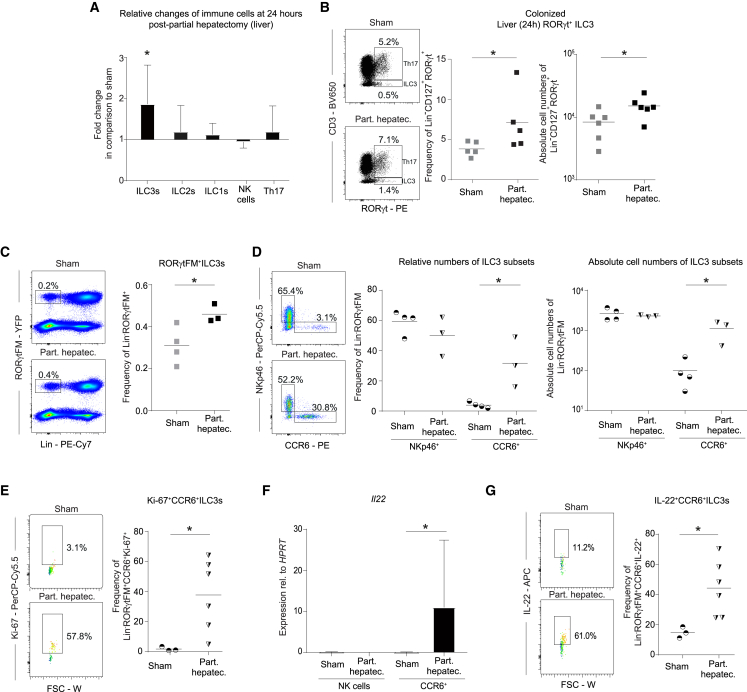
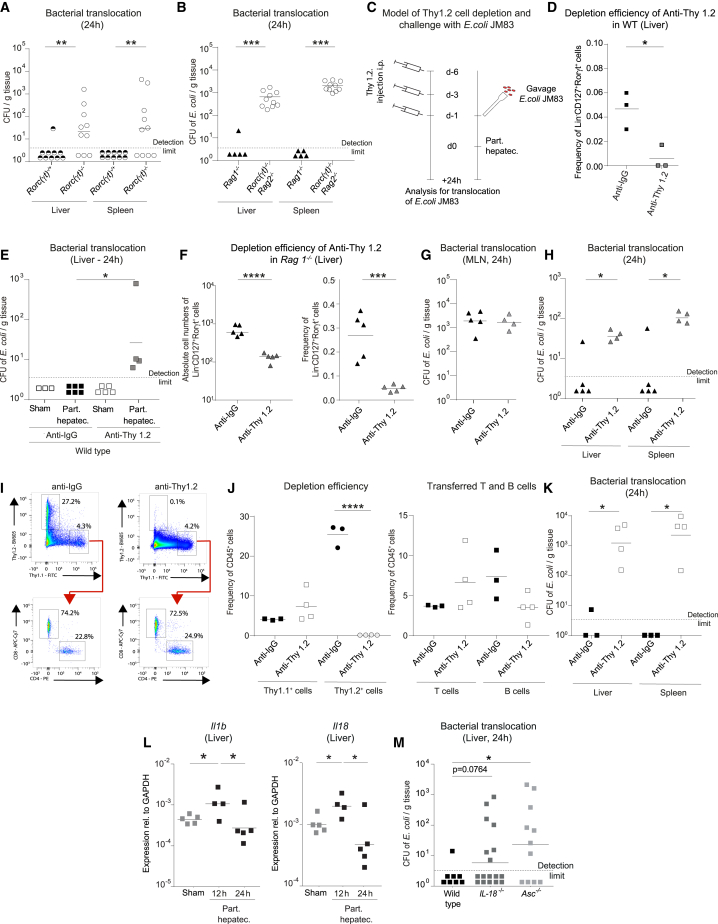
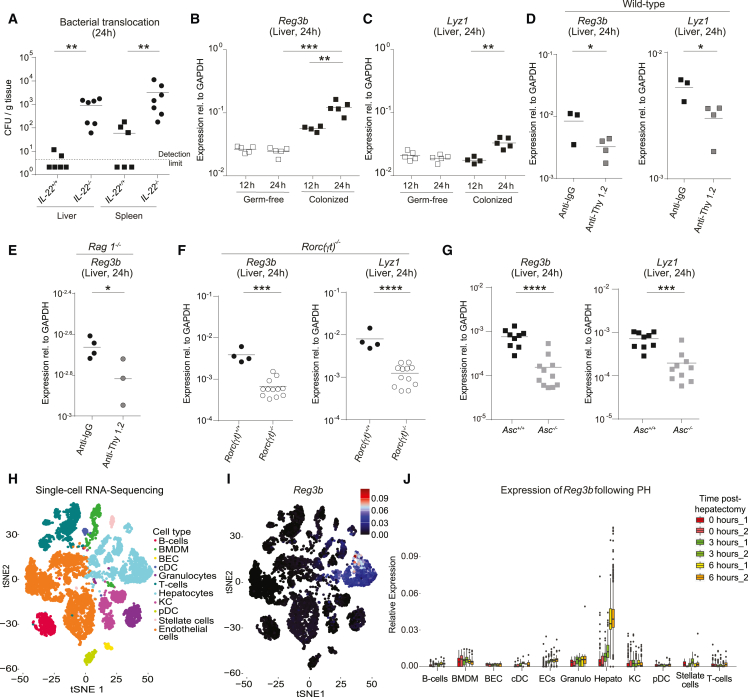
It is generally believed that environmental or cutaneous bacteria are the main origin of surgical infections. Therefore, measures to prevent postoperative infections focus on optimizing hygiene and improving asepsis and antisepsis. In a large cohort of patients with infections following major surgery, we identified that the causative bacteria are mainly of intestinal origin. Postoperative infections of intestinal origin were also found in mice undergoing partial hepatectomy. CCR6 group 3 innate lymphoid cells (ILC3s) limited systemic bacterial spread. Such bulwark function against host invasion required the production of interleukin-22 (IL-22), which controlled the expression of antimicrobial peptides in hepatocytes, thereby limiting bacterial spread. Using genetic loss-of-function experiments and punctual depletion of ILCs, we demonstrate that the failure to restrict intestinal commensals by ILC3s results in impaired liver regeneration. Our data emphasize the importance of endogenous intestinal bacteria as a source for postoperative infection and indicate ILC3s as potential new targets.
人们普遍认为环境或皮肤细菌是外科感染的主要来源。因此,预防术后感染的措施主要集中在优化卫生和提高无菌和消毒水平上。在一项对主要手术后感染患者的大型队列研究中,我们发现病原体主要来源于肠道。在接受部分肝切除术的小鼠中也发现了源自肠道的术后感染。CCR6 组 3 固有淋巴细胞(ILC3)可限制全身细菌扩散。这种抵御宿主入侵的堡垒功能需要白细胞介素 22(IL-22)的产生,它控制了肝细胞中抗菌肽的表达,从而限制了细菌的扩散。通过遗传功能丧失实验和 ILC 的定点耗竭,我们证明了 ILC3 无法限制肠道共生菌会导致肝再生受损。我们的数据强调了内源性肠道细菌作为术后感染源的重要性,并表明 ILC3 是潜在的新靶点。