Kaur Sumanjot, Ubeyitogullari Ali
Department of Food Science, University of Arkansas, Fayetteville, AR, 72704, USA.
Department of Biological and Agricultural Engineering, University of Arkansas, Fayetteville, AR, 72701, USA.
Heliyon. 2023 Mar 4;9(3):e14196. doi: 10.1016/j.heliyon.2023.e14196. eCollection 2023 Mar.
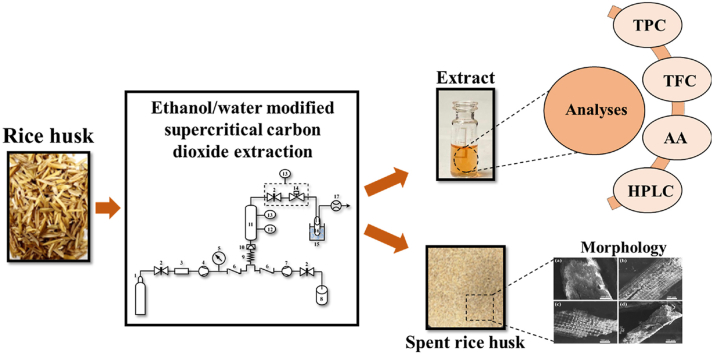
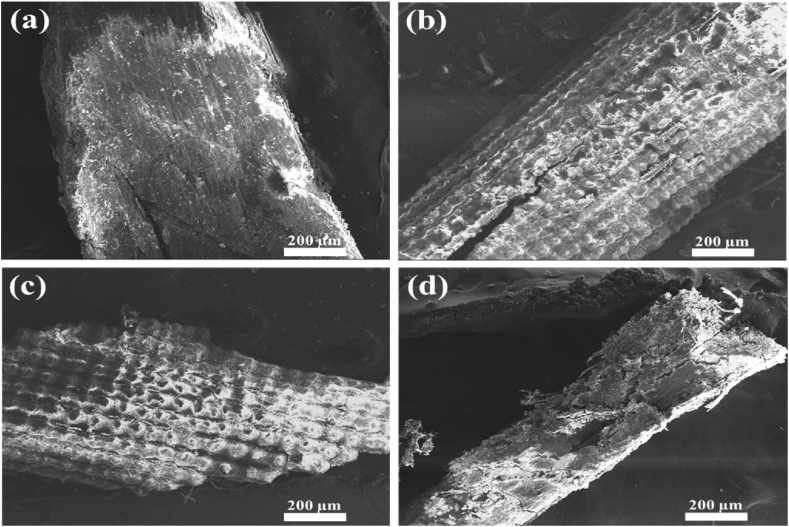
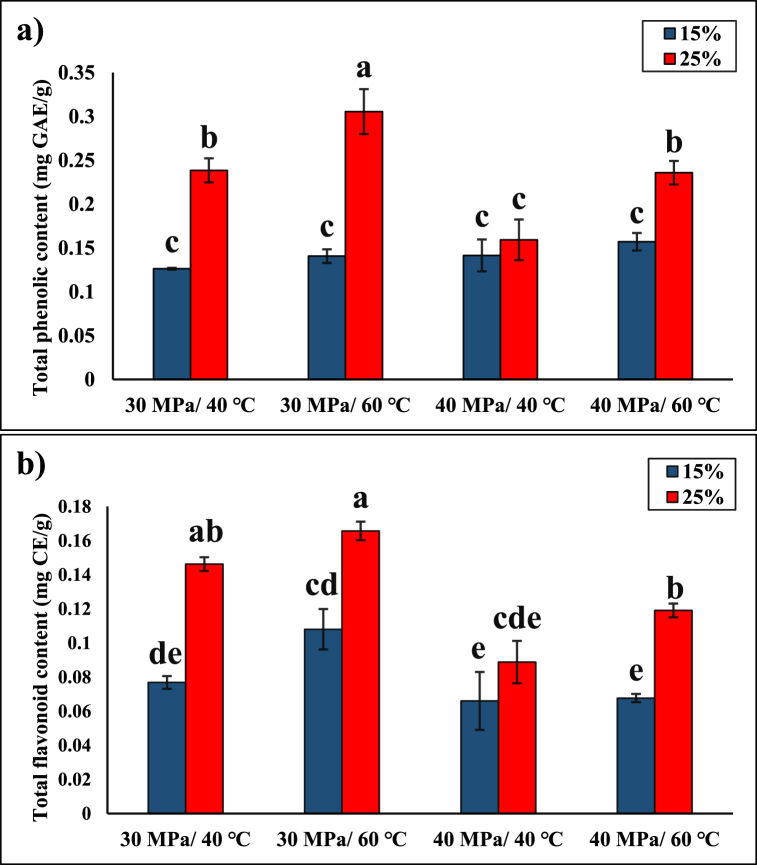
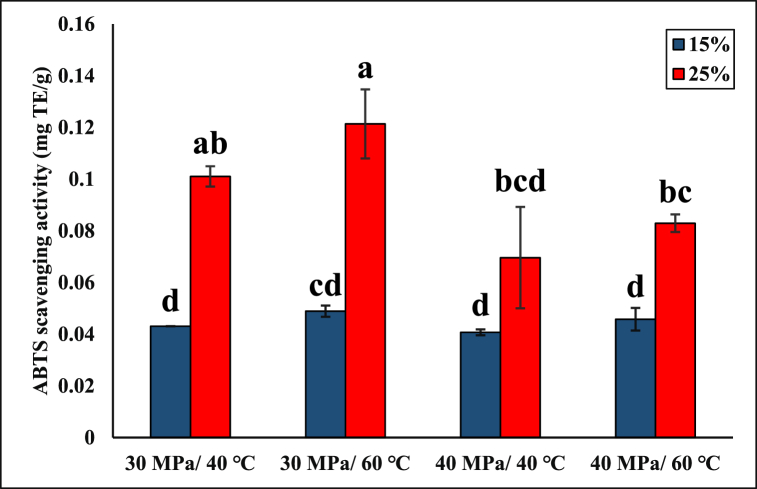
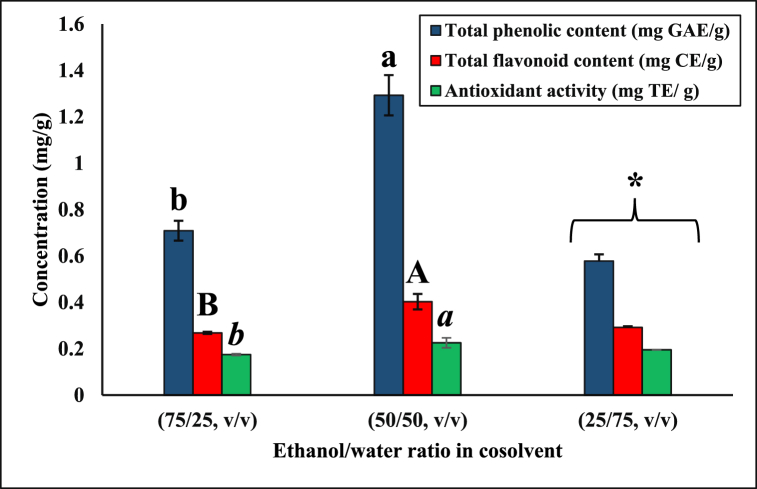
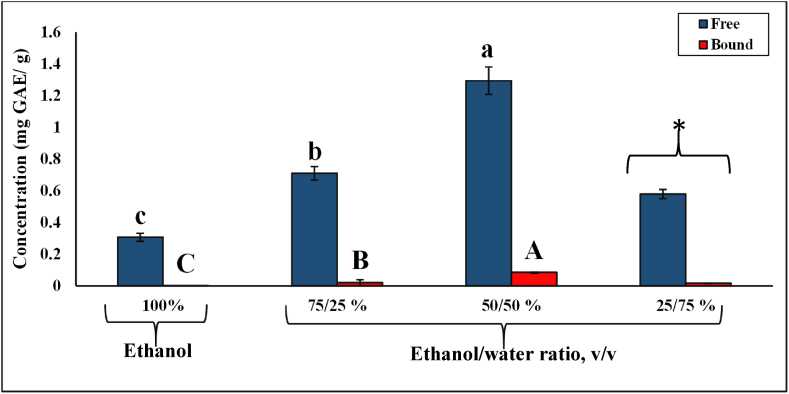
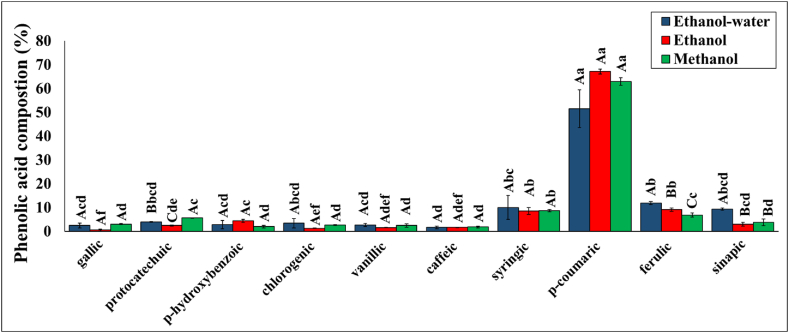
Rice husk, a rice processing byproduct generated in large quantities (∼20% of the grain weight), creates a major disposal problem for the rice industry. However, rice husk contains high-value bioactive compounds that can provide potential health benefits. The objective of this study was to extract high-value phenolic compounds from rice husk using supercritical carbon dioxide (SC-CO) technology. In this study, the effects of different extraction conditions, namely, temperature (40 and 60 °C), pressure (30 and 40 MPa), and ethanol concentration (15 and 25%, w/w) on the total phenolic content (TPC), total flavonoid content (TFC), and antioxidant activity (AA) were investigated. The extraction of phenolic compounds was also studied using different SC-CO modifiers, i.e., ethanol and ethanol-water. The highest TPC, TFC, and AA were achieved with 30 MPa, 60 °C, and 25% ethanol-water (50%, v/v) cosolvent mixture as 1.29 mg gallic acid equivalent (GAE)/g, 0.40 mg catechin equivalent (CE)/g, and 0.23 mg Trolox equivalent (TE)/g, respectively. Increasing water content up to 50% (v/v) in the cosolvent significantly improved the extraction yield. -Coumaric, ferulic, and syringic acids were the predominant phenolic acids in the extracts obtained by cosolvent-modified SC-CO and methanol extractions. In addition, ethanol-water-modified SC-CO increased rice husk's porosity, which could be a potential pretreatment to enhance cellulose extraction. Thus, ethanol-water-modified SC-CO can be utilized to recover polar bioactive compounds from food processing byproducts for developing functional foods while eliminating the use of toxic organic solvents.
稻壳是大米加工过程中大量产生的副产品(约占谷物重量的20%),给大米产业带来了重大的处置难题。然而,稻壳含有具有高价值的生物活性化合物,可能对健康有益。本研究的目的是利用超临界二氧化碳(SC-CO)技术从稻壳中提取高价值的酚类化合物。在本研究中,考察了不同提取条件,即温度(40和60℃)、压力(30和40MPa)以及乙醇浓度(15和25%,w/w)对总酚含量(TPC)、总黄酮含量(TFC)和抗氧化活性(AA)的影响。还使用不同的SC-CO改性剂,即乙醇和乙醇-水,研究了酚类化合物的提取。当使用30MPa、60℃和25%乙醇-水(50%,v/v)共溶剂混合物时,分别获得了最高的TPC、TFC和AA,分别为1.29mg没食子酸当量(GAE)/g、0.40mg儿茶素当量(CE)/g和...