
人工智能在结直肠癌诊疗中的应用:一种新前景。
Application of artificial intelligence in diagnosis and treatment of colorectal cancer: A novel Prospect.
作者信息
Yin Zugang, Yao Chenhui, Zhang Limin, Qi Shaohua
机构信息
Department of General Surgery, The First Affiliated Hospital of Dalian Medical University, Dalian, China.
Department of Respiratory, The First Affiliated Hospital of Dalian Medical University, Dalian, China.
出版信息
Front Med (Lausanne). 2023 Mar 8;10:1128084. doi: 10.3389/fmed.2023.1128084. eCollection 2023.
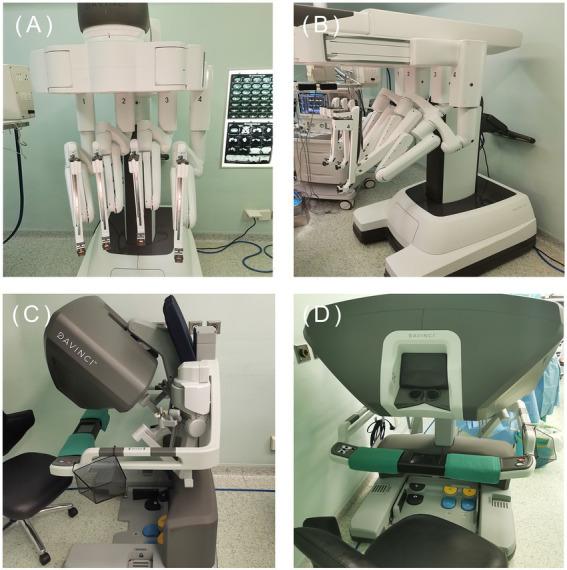
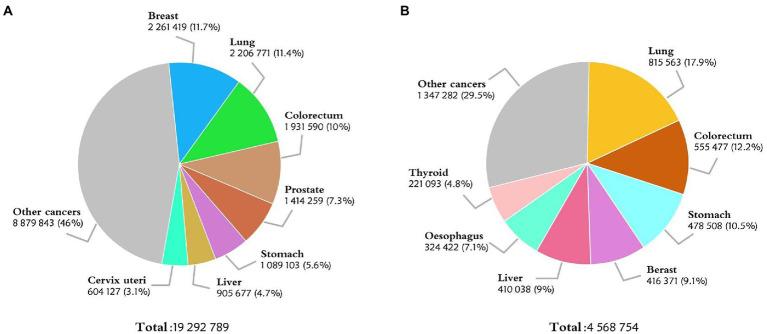
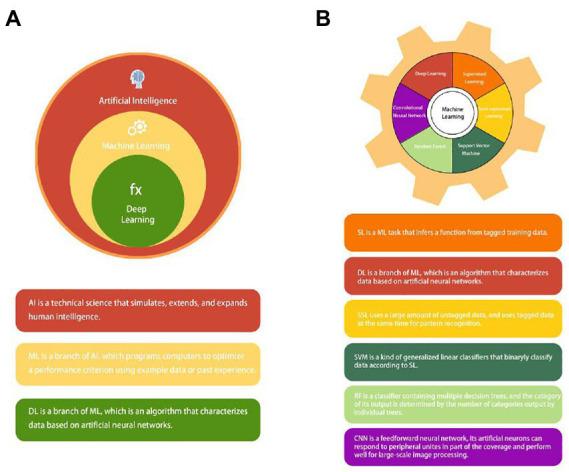
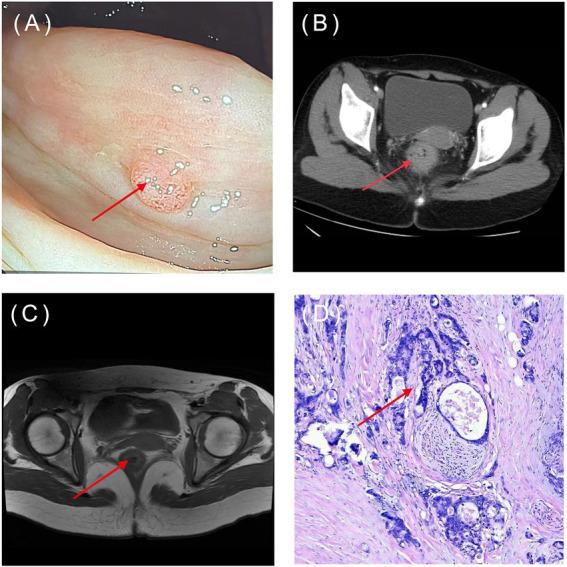
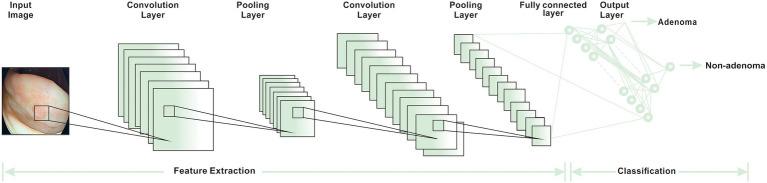
In the past few decades, according to the rapid development of information technology, artificial intelligence (AI) has also made significant progress in the medical field. Colorectal cancer (CRC) is the third most diagnosed cancer worldwide, and its incidence and mortality rates are increasing yearly, especially in developing countries. This article reviews the latest progress in AI in diagnosing and treating CRC based on a systematic collection of previous literature. Most CRCs transform from polyp mutations. The computer-aided detection systems can significantly improve the polyp and adenoma detection rate by early colonoscopy screening, thereby lowering the possibility of mutating into CRC. Machine learning and bioinformatics analysis can help screen and identify more CRC biomarkers to provide the basis for non-invasive screening. The Convolutional neural networks can assist in reading histopathologic tissue images, reducing the experience difference among doctors. Various studies have shown that AI-based high-level auxiliary diagnostic systems can significantly improve the readability of medical images and help clinicians make more accurate diagnostic and therapeutic decisions. Moreover, Robotic surgery systems such as da Vinci have been more and more commonly used to treat CRC patients, according to their precise operating performance. The application of AI in neoadjuvant chemoradiotherapy has further improved the treatment and efficacy evaluation of CRC. In addition, AI represented by deep learning in gene sequencing research offers a new treatment option. All of these things have seen that AI has a promising prospect in the era of precision medicine.
在过去几十年中,随着信息技术的飞速发展,人工智能(AI)在医学领域也取得了显著进展。结直肠癌(CRC)是全球第三大最常被诊断出的癌症,其发病率和死亡率逐年上升,尤其是在发展中国家。本文基于对以往文献的系统收集,综述了人工智能在结直肠癌诊断和治疗方面的最新进展。大多数结直肠癌由息肉突变转变而来。计算机辅助检测系统可通过早期结肠镜筛查显著提高息肉和腺瘤的检测率,从而降低其恶变为结直肠癌的可能性。机器学习和生物信息学分析有助于筛选和识别更多的结直肠癌生物标志物,为非侵入性筛查提供依据。卷积神经网络可辅助解读组织病理学图像,减少医生之间的经验差异。各项研究表明,基于人工智能的高级辅助诊断系统可显著提高医学图像的可读性,并帮助临床医生做出更准确的诊断和治疗决策。此外,像达芬奇这样的机器人手术系统因其精确的操作性能,越来越普遍地用于治疗结直肠癌患者。人工智能在新辅助放化疗中的应用进一步改善了结直肠癌的治疗和疗效评估。此外,深度学习在基因测序研究中代表的人工智能提供了一种新的治疗选择。所有这些都表明,人工智能在精准医学时代有着广阔的前景。
 Zotero 插件