Tianjin Institute of Industrial Biotechnology, Chinese Academy of Sciences, Tianjin 300308, PR China.
National Center of Technology Innovation for Synthetic Biology, Tianjin 300308, PR China.
Acc Chem Res. 2023 Apr 18;56(8):938-947. doi: 10.1021/acs.accounts.2c00795. Epub 2023 Mar 28.
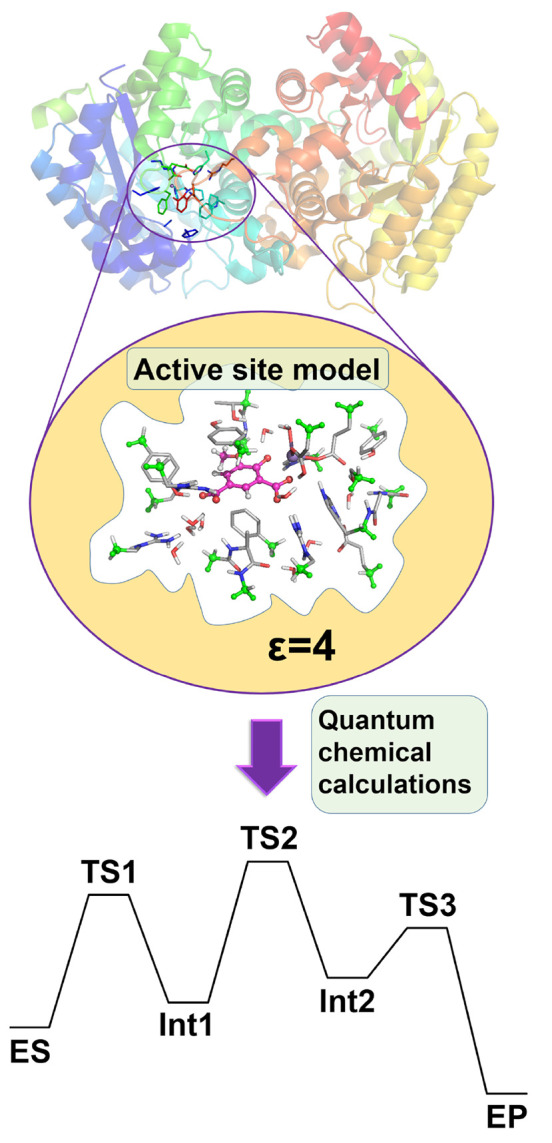
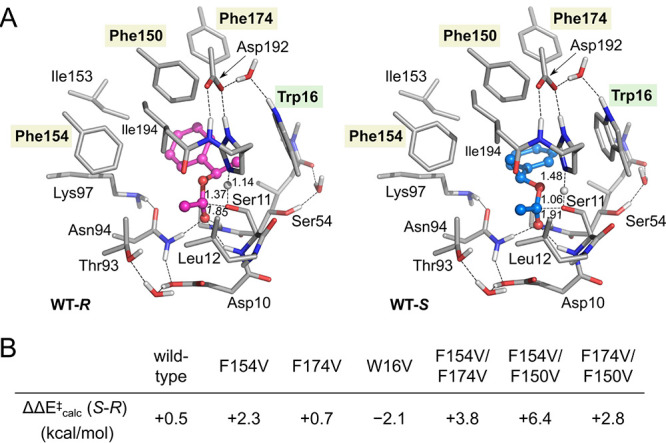
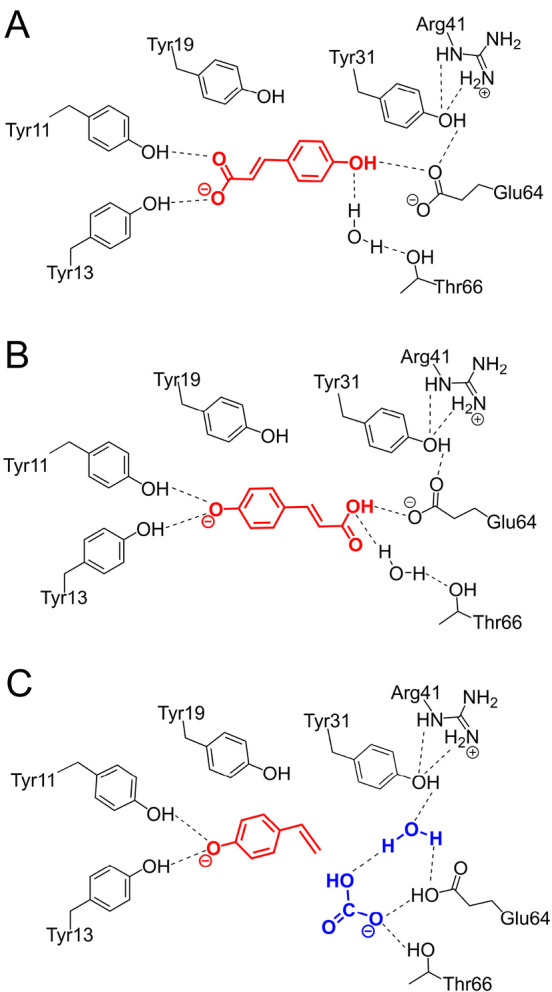
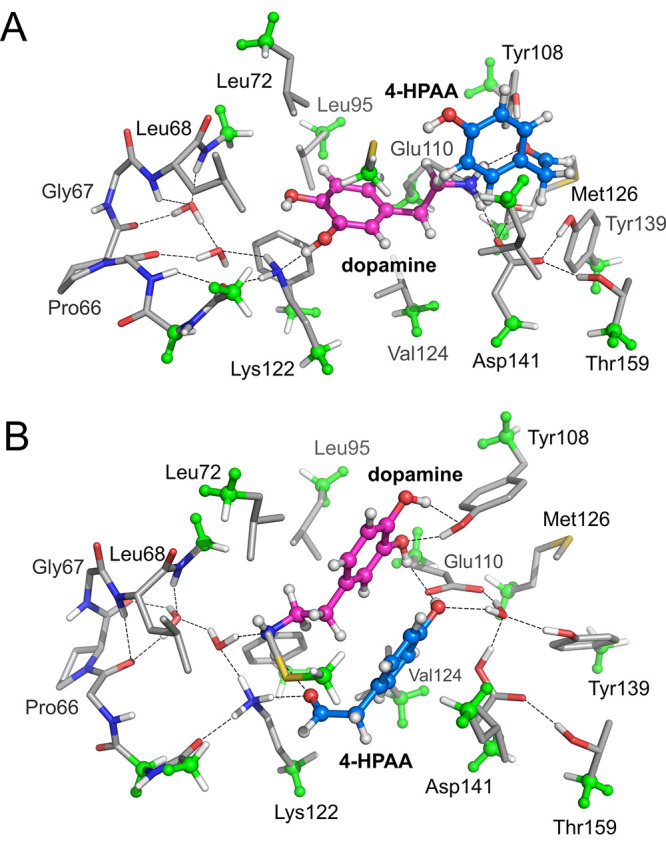
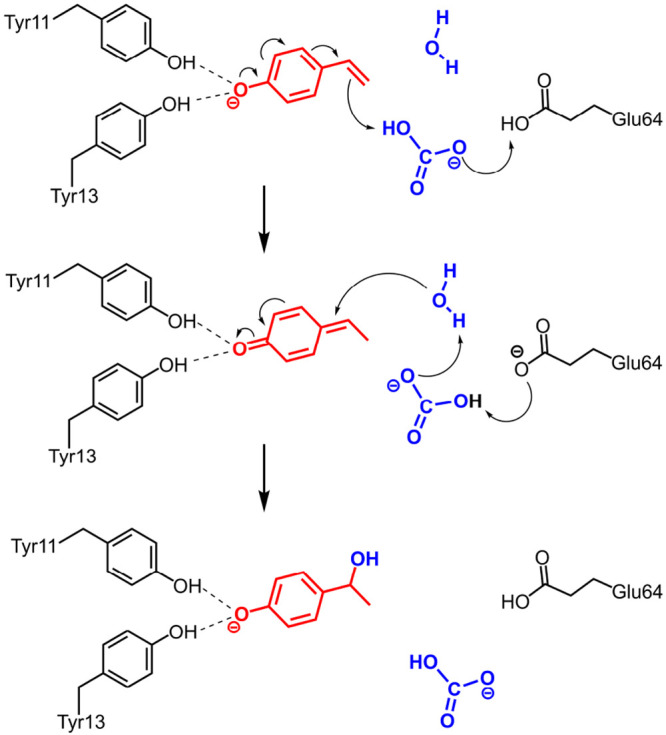
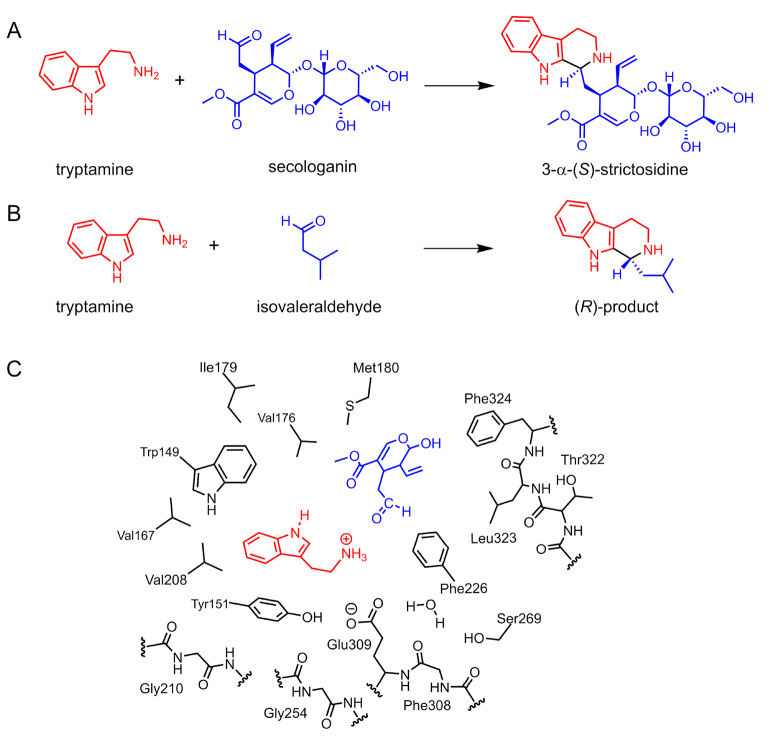
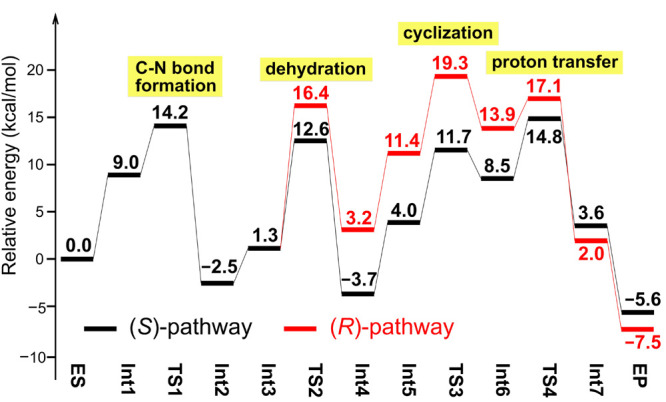
The quantum chemical cluster approach has been used for modeling enzyme active sites and reaction mechanisms for more than two decades. In this methodology, a relatively small part of the enzyme around the active site is selected as a model, and quantum chemical methods, typically density functional theory, are used to calculate energies and other properties. The surrounding enzyme is modeled using implicit solvation and atom fixing techniques. Over the years, a large number of enzyme mechanisms have been solved using this method. The models have gradually become larger as a result of the faster computers, and new kinds of questions have been addressed. In this Account, we review how the cluster approach can be utilized in the field of biocatalysis. Examples from our recent work are chosen to illustrate various aspects of the methodology. The use of the cluster model to explore substrate binding is discussed first. It is emphasized that a comprehensive search is necessary in order to identify the lowest-energy binding mode(s). It is also argued that the best binding mode might not be the productive one, and the full reactions for a number of enzyme-substrate complexes have therefore to be considered to find the lowest-energy reaction pathway. Next, examples are given of how the cluster approach can help in the elucidation of detailed reaction mechanisms of biocatalytically interesting enzymes, and how this knowledge can be exploited to develop enzymes with new functions or to understand the reasons for lack of activity toward non-natural substrates. The enzymes discussed in this context are phenolic acid decarboxylase and metal-dependent decarboxylases from the amidohydrolase superfamily. Next, the application of the cluster approach in the investigation of enzymatic enantioselectivity is discussed. The reaction of strictosidine synthase is selected as a case study, where the cluster calculations could reproduce and rationalize the selectivities of both the natural and non-natural substrates. Finally, we discuss how the cluster approach can be used to guide the rational design of enzyme variants with improved activity and selectivity. Acyl transferase from serves as an instructive example here, for which the calculations could pinpoint the factors controlling the reaction specificity and enantioselectivity. The cases discussed in this Account highlight thus the value of the cluster approach as a tool in biocatalysis. It complements experiments and other computational techniques in this field and provides insights that can be used to understand existing enzymes and to develop new variants with tailored properties.
量子化学团簇方法已被用于模拟酶活性位点和反应机制超过二十年。在这种方法中,选择酶的活性位点周围相对较小的一部分作为模型,并使用量子化学方法(通常是密度泛函理论)来计算能量和其他性质。周围的酶使用隐式溶剂化和原子固定技术进行建模。多年来,使用这种方法已经解决了大量的酶机制问题。由于计算机速度的提高,模型逐渐变得更大,并且解决了新的问题。在本报告中,我们回顾了团簇方法如何在生物催化领域得到应用。选择了我们最近的工作中的例子来说明该方法的各个方面。首先讨论了使用团簇模型来探索底物结合的情况。强调为了识别最低能量的结合模式,需要进行全面的搜索。还认为最佳的结合模式可能不是生产性的,因此必须考虑许多酶-底物复合物的完整反应来找到最低能量的反应途径。接下来,给出了一些例子,说明团簇方法如何帮助阐明生物催化感兴趣的酶的详细反应机制,以及如何利用这些知识来开发具有新功能的酶或理解对非天然底物缺乏活性的原因。在这方面讨论的酶是酚酸脱羧酶和金属依赖性脱羧酶来自酰胺水解酶超家族。接下来,讨论了团簇方法在研究酶的对映选择性中的应用。选择 strictosidine 合酶的反应作为案例研究,其中簇计算可以复制和合理化天然和非天然底物的选择性。最后,我们讨论了如何使用团簇方法指导具有改进活性和选择性的酶变体的合理设计。酰基转移酶来自 就是一个很好的例子,通过计算可以指出控制反应特异性和对映选择性的因素。本报告中讨论的案例突出了团簇方法作为生物催化工具的价值。它补充了该领域的实验和其他计算技术,并提供了可以用于理解现有酶和开发具有定制性质的新变体的见解。