Department of Biochemistry, School of Biomedical Sciences, Division of Health Sciences, University of Otago, Dunedin 9054, New Zealand.
Int J Mol Sci. 2023 Mar 7;24(6):5124. doi: 10.3390/ijms24065124.
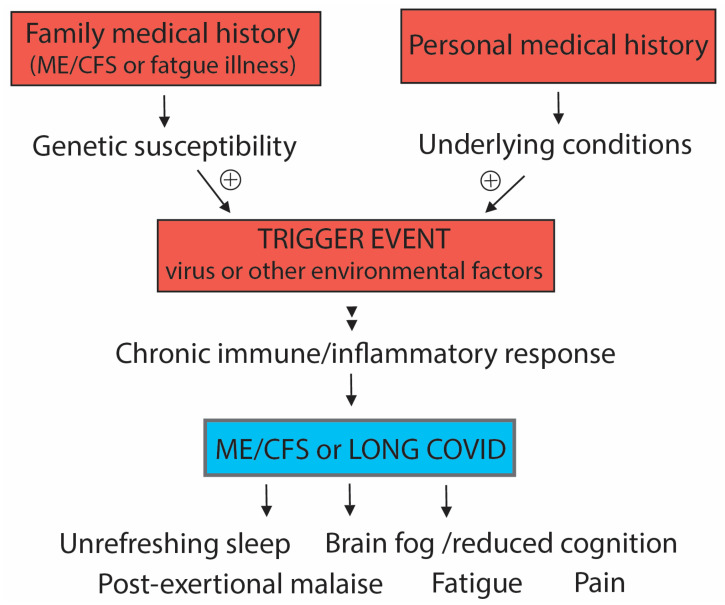
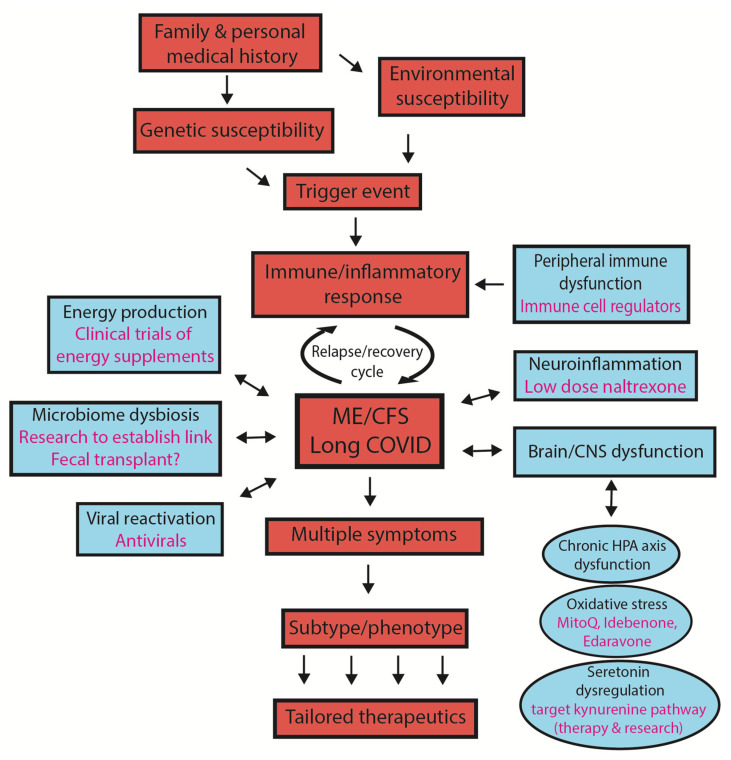
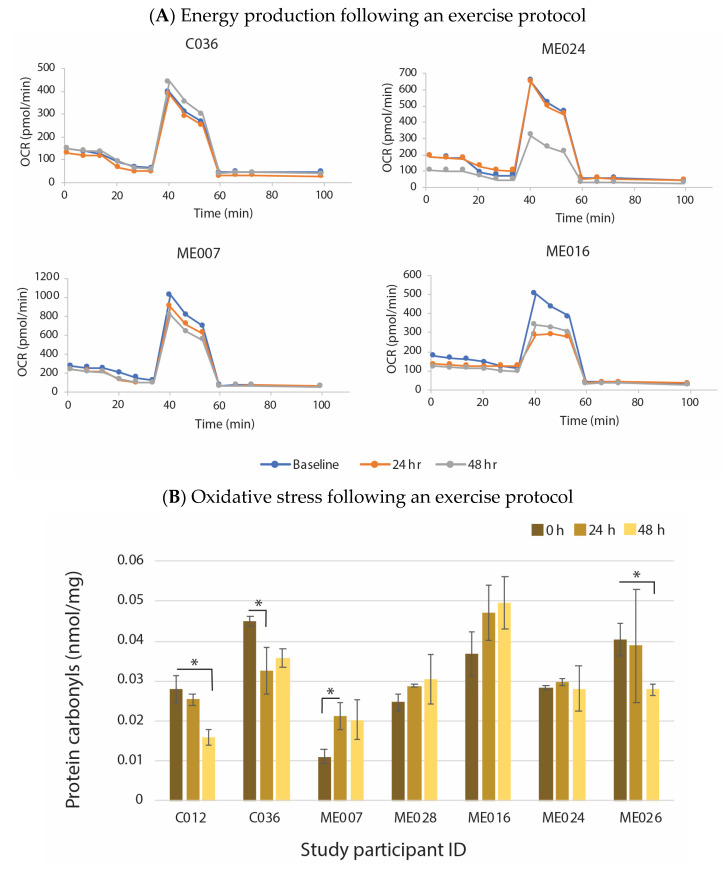
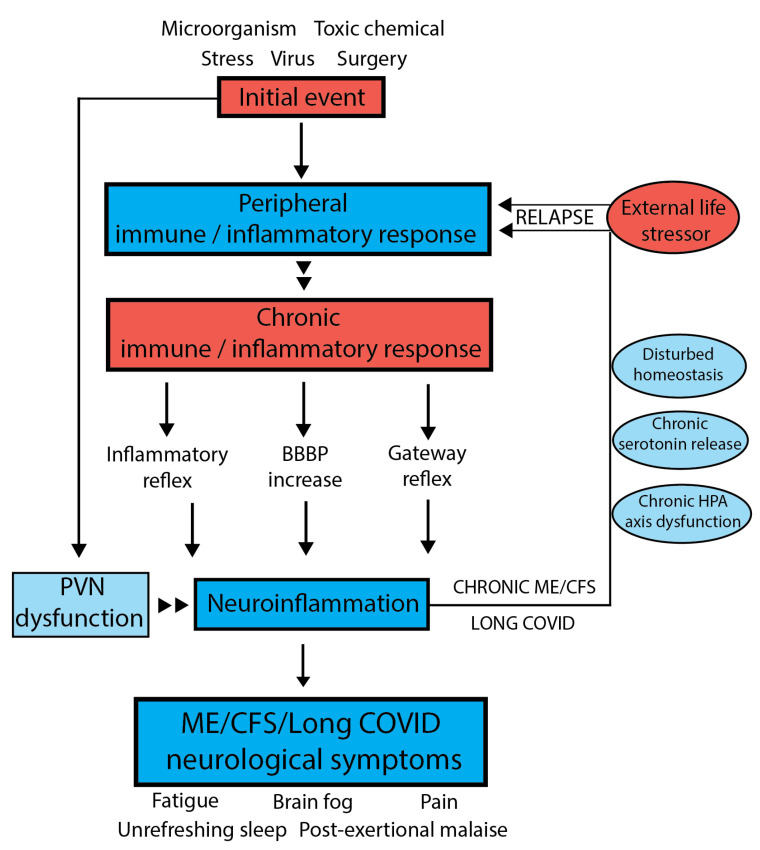
Myalgic Encephalomyelitis/Chronic Fatigue Syndrome (ME/CFS) is a complex condition arising in susceptible people, predominantly following viral infection, but also other stressful events. The susceptibility factors discussed here are both genetic and environmental although not well understood. While the dysfunctional physiology in ME/CFS is becoming clearer, understanding has been hampered by different combinations of symptoms in each affected person. A common core set of mainly neurological symptoms forms the modern clinical case definition, in the absence of an accessible molecular diagnostic test. This landscape has prompted interest in whether ME/CFS patients can be classified into a particular phenotype/subtype that might assist better management of their illness and suggest preferred therapeutic options. Currently, the same promising drugs, nutraceuticals, or behavioral therapies available can be beneficial, have no effect, or be detrimental to each individual patient. We have shown that individuals with the same disease profile exhibit unique molecular changes and physiological responses to stress, exercise and even vaccination. Key features of ME/CFS discussed here are the possible mechanisms determining the shift of an immune/inflammatory response from transient to chronic in ME/CFS, and how the brain and CNS manifests the neurological symptoms, likely with activation of its specific immune system and resulting neuroinflammation. The many cases of the post viral ME/CFS-like condition, Long COVID, following SARS-CoV-2 infection, and the intense research interest and investment in understanding this condition, provide exciting opportunities for the development of new therapeutics that will benefit ME/CFS patients.
肌痛性脑脊髓炎/慢性疲劳综合征(ME/CFS)是一种复杂的疾病,主要发生在易感人群中,通常在病毒感染后,但也可能由其他应激事件引起。这里讨论的易感因素既有遗传因素,也有环境因素,但尚未得到充分理解。尽管 ME/CFS 中的功能失调生理学正在变得更加清晰,但由于每个受影响的人都有不同的症状组合,理解受到了阻碍。一组常见的主要是神经症状的核心症状构成了现代临床病例定义,而没有可及的分子诊断测试。这种情况引发了人们的兴趣,即 ME/CFS 患者是否可以分为特定的表型/亚型,这可能有助于更好地管理他们的疾病,并提示首选的治疗选择。目前,同样有前途的药物、营养保健品或行为疗法可能对每个个体患者都有益、无效或有害。我们已经表明,具有相同疾病特征的个体表现出独特的分子变化和对压力、运动甚至疫苗的生理反应。这里讨论的 ME/CFS 的关键特征是确定 ME/CFS 中免疫/炎症反应从短暂转变为慢性的可能机制,以及大脑和中枢神经系统如何表现出神经症状,可能是通过激活其特定的免疫系统和由此产生的神经炎症。许多 SARS-CoV-2 感染后出现的类似病毒性 ME/CFS 的长期 COVID 病例,以及对理解这种情况的强烈研究兴趣和投资,为开发新的治疗方法提供了令人兴奋的机会,这将使 ME/CFS 患者受益。