Racić Gordana, Vukelić Igor, Kordić Branko, Radić Danka, Lazović Milana, Nešić Ljiljana, Panković Dejana
Faculty of Ecological Agriculture, Educons University, Vojvode Putnika 87, 21208 Sremska Kamenica, Serbia.
Faculty of Natural Sciences, University of Novi Sad, Trg Dositeja Obradovića 4, 21000 Novi Sad, Serbia.
Microorganisms. 2023 Mar 22;11(3):815. doi: 10.3390/microorganisms11030815.
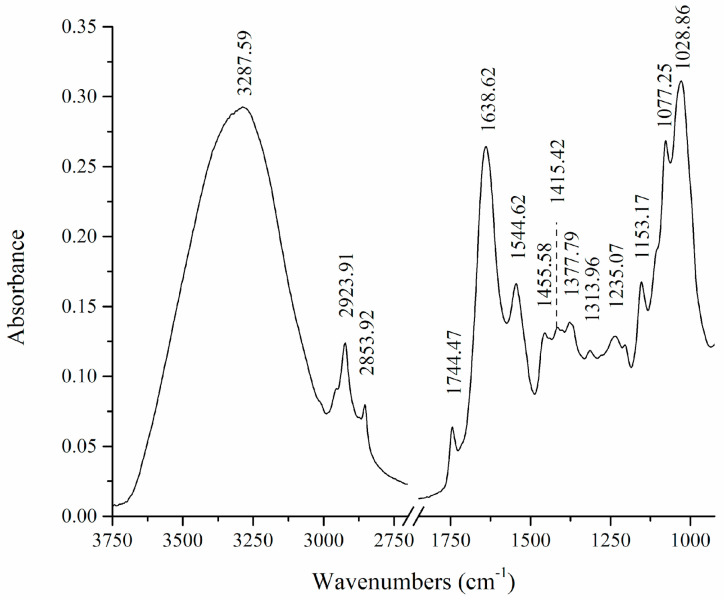
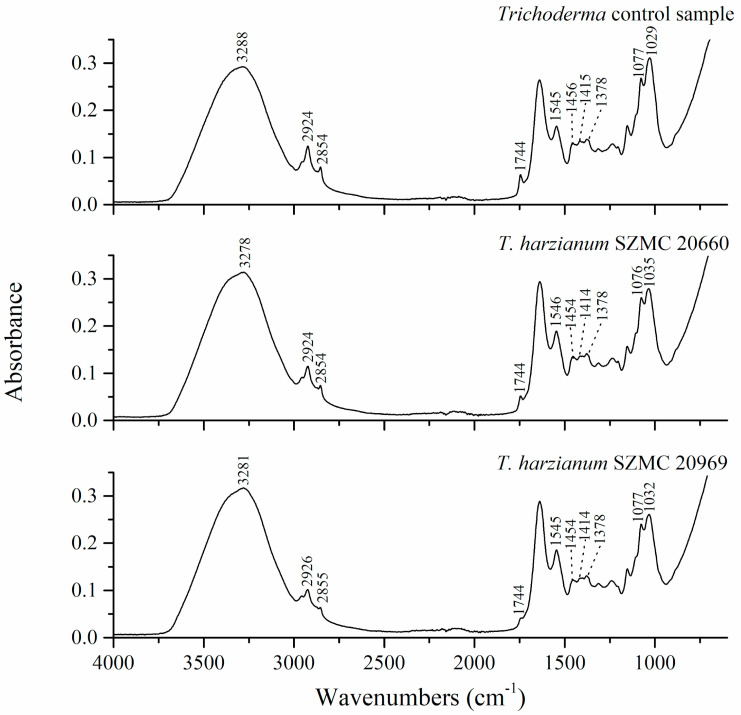
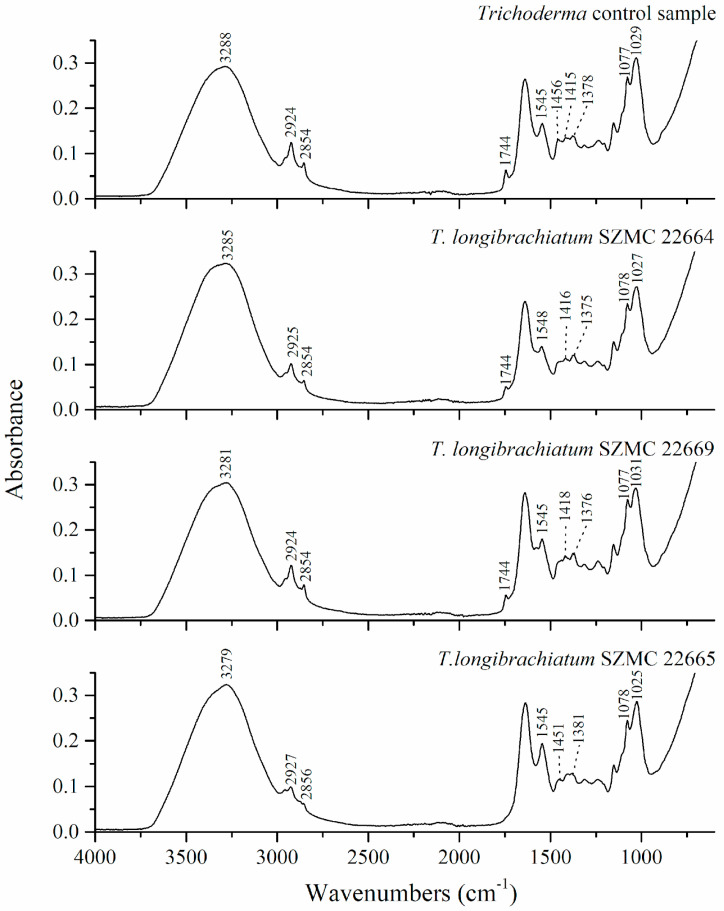
Soil pollution with heavy metals is a serious threat to the environment. However, soils polluted with heavy metals are considered good sources of native metal-resistant strains. spp. are free-living fungi commonly isolated from different ecosystems, establishing endophytic associations with plants. They have important ecological and biotechnological roles due to their production of a wide range of secondary metabolites, thus regulating plant growth and development or inducing resistance to plant pathogens. In this work we used indigenous strains that were previously isolated from different soil types to determine their tolerance to increased copper and nickel concentrations as well as mechanisms of metal removal. The concentrations of bioavailable metal concentrations were determined after extraction with diethylene-triamine pentaacetate (DTPA)-extractable metals (Cd, Cr, Co, Cu, Pb, Mn, Ni, and Zn) from the soil samples by inductively coupled plasma-optical emission spectrometry (ICP-OES). Two indigenous strains were selected for copper tolerance, and three indigenous strains were selected for nickel tolerance tests. Strains were isolated from the soils with the highest and among the lowest DTPA-extractable metal concentrations to determine whether the adaptation to different concentrations of metals affects the mechanisms of remediation. Mechanisms of metal removal were determined using Fourier-transform infrared spectroscopy (FTIR) and X-ray fluorescence spectroscopy (XRF), non-destructive methods characterized by high measurement speed with little or no need for sample preparation and very low costs. Increased DTPA-extractable metal content for nickel and copper was detected in the soil samples above the target value (TV), and for nickel above the soil remediation intervention values (SRIVs), for total metal concentrations which were previously determined. The SRIV is a threshold of metal concentrations indicating a serious soil contamination, thus confirming the need for soil remediation. The use of FTIR and XRF methods revealed that the presence of both biosorption and accumulation of metals in the cells, providing good bioremediation potential for Ni and Cu.
重金属土壤污染对环境构成严重威胁。然而,被重金属污染的土壤被认为是天然抗金属菌株的良好来源。 spp.是常见于不同生态系统中的自由生活真菌,与植物建立内生关联。由于它们能产生多种次生代谢产物,从而调节植物生长发育或诱导植物对病原体的抗性,因此具有重要的生态和生物技术作用。在这项工作中,我们使用了先前从不同土壤类型中分离出的本土菌株,以确定它们对铜和镍浓度增加的耐受性以及金属去除机制。通过电感耦合等离子体发射光谱法(ICP-OES)从土壤样品中提取二乙烯三胺五乙酸(DTPA)可提取金属(镉、铬、钴、铜、铅、锰、镍和锌)后,测定生物可利用金属浓度。选择了两株本土菌株进行铜耐受性测试,三株本土菌株进行镍耐受性测试。从DTPA可提取金属浓度最高和最低的土壤中分离菌株,以确定对不同浓度金属的适应性是否会影响修复机制。使用傅里叶变换红外光谱(FTIR)和X射线荧光光谱(XRF)确定金属去除机制,这两种无损方法的特点是测量速度快,几乎不需要或不需要样品制备,成本非常低。在土壤样品中检测到镍和铜的DTPA可提取金属含量高于目标值(TV),对于镍,高于先前确定的土壤修复干预值(SRIVs),即总金属浓度。SRIV是表明土壤严重污染的金属浓度阈值,从而证实了土壤修复的必要性。FTIR和XRF方法的使用表明, 细胞中存在金属的生物吸附和积累,为镍和铜提供了良好的生物修复潜力。