Laboratory of Oral Microbiota and Systemic Diseases, Shanghai Ninth People's Hospital, College of Stomatology, Shanghai Jiao Tong University School of Medicine, Shanghai 200125, China.
National Center for Stomatology; National Clinical Research Center for Oral Diseases; Shanghai Key Laboratory of Stomatology, Shanghai 200011, China.
Sci Adv. 2023 Apr 5;9(14):eade4110. doi: 10.1126/sciadv.ade4110.
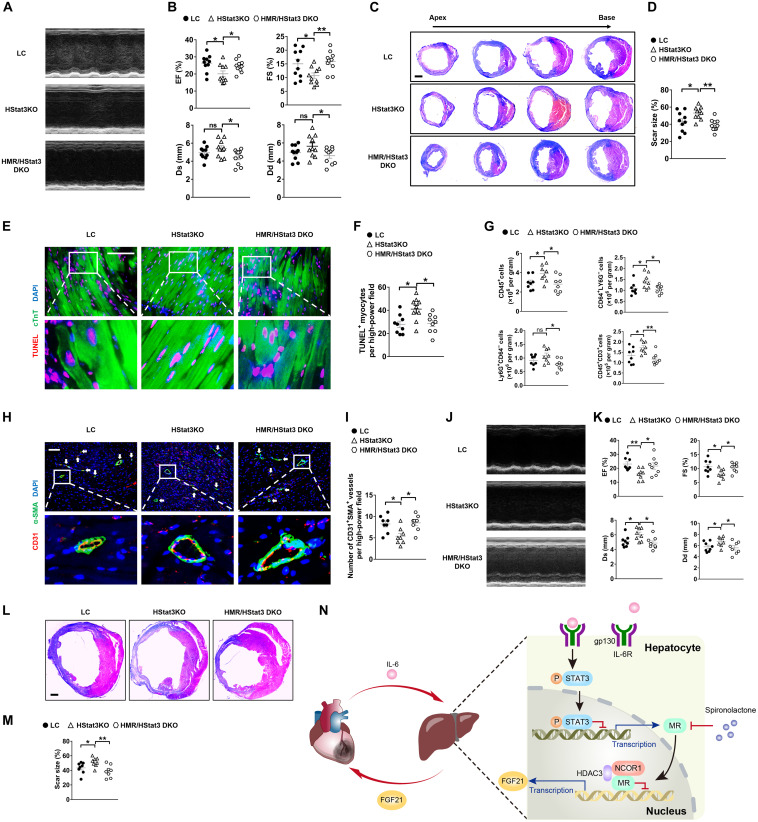
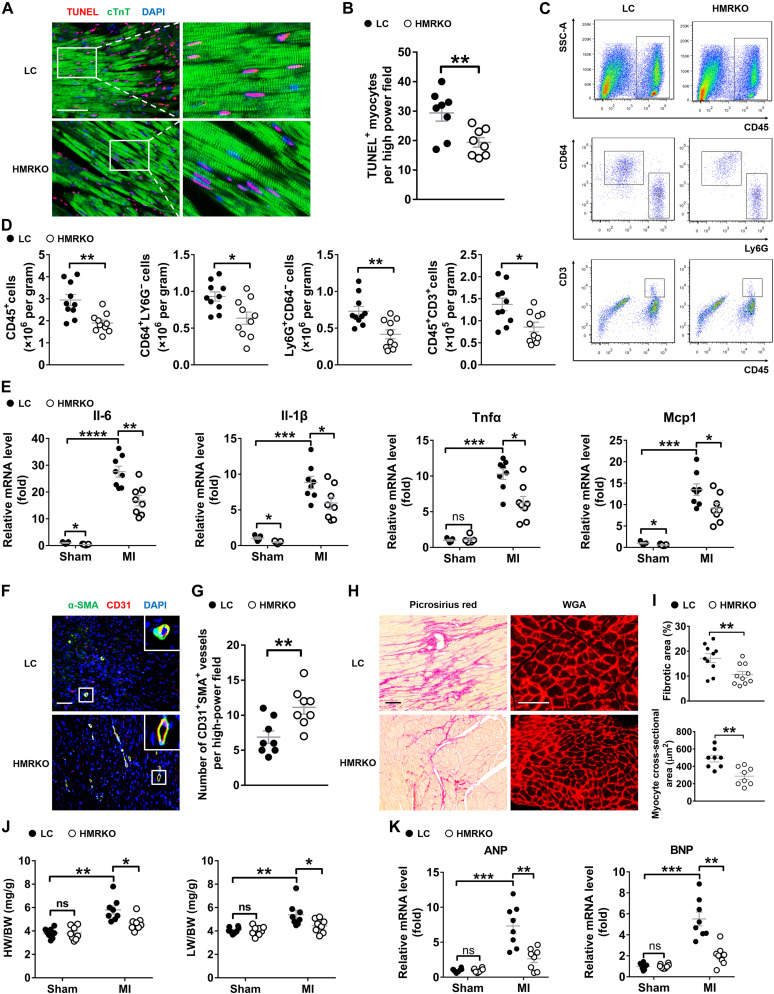
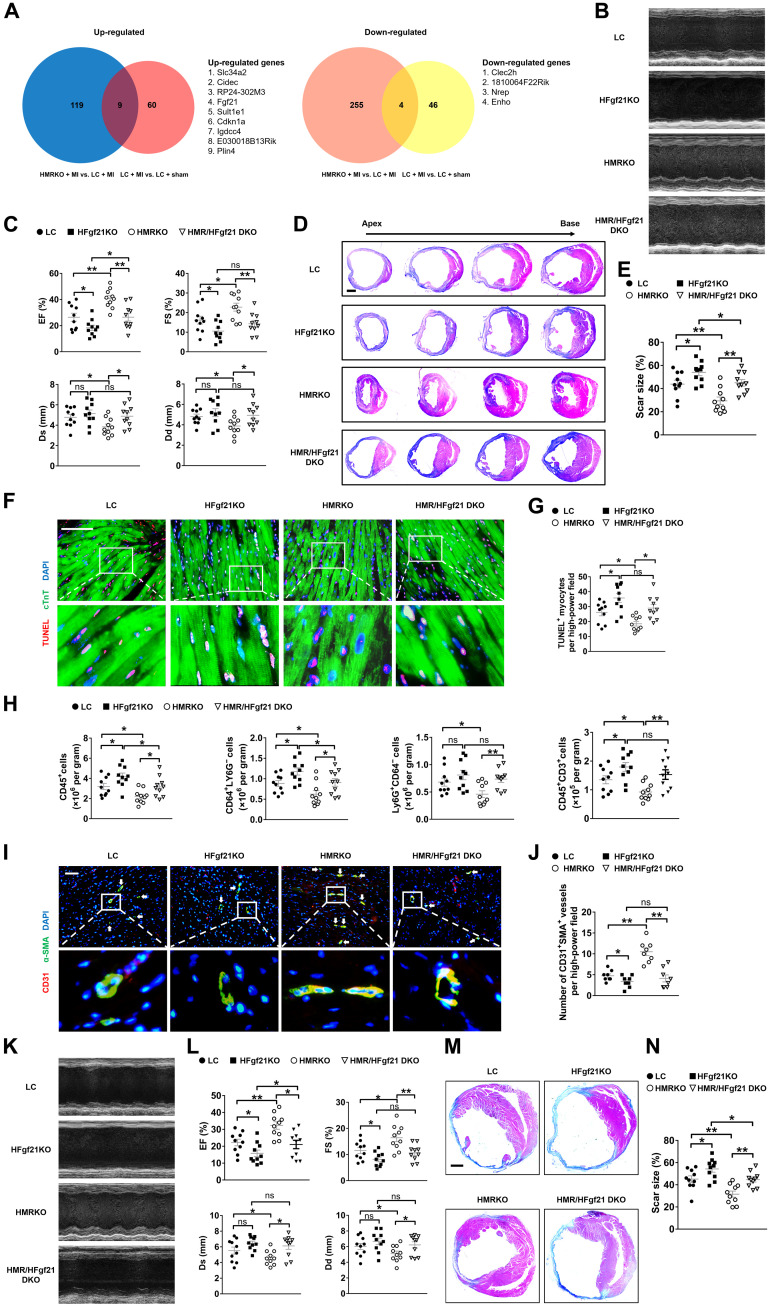
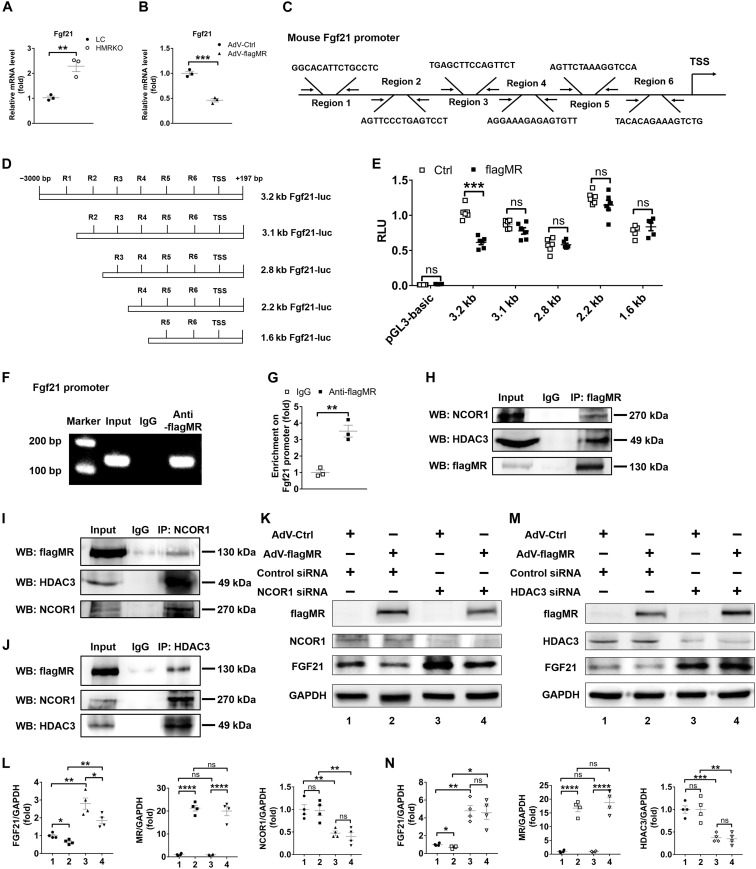
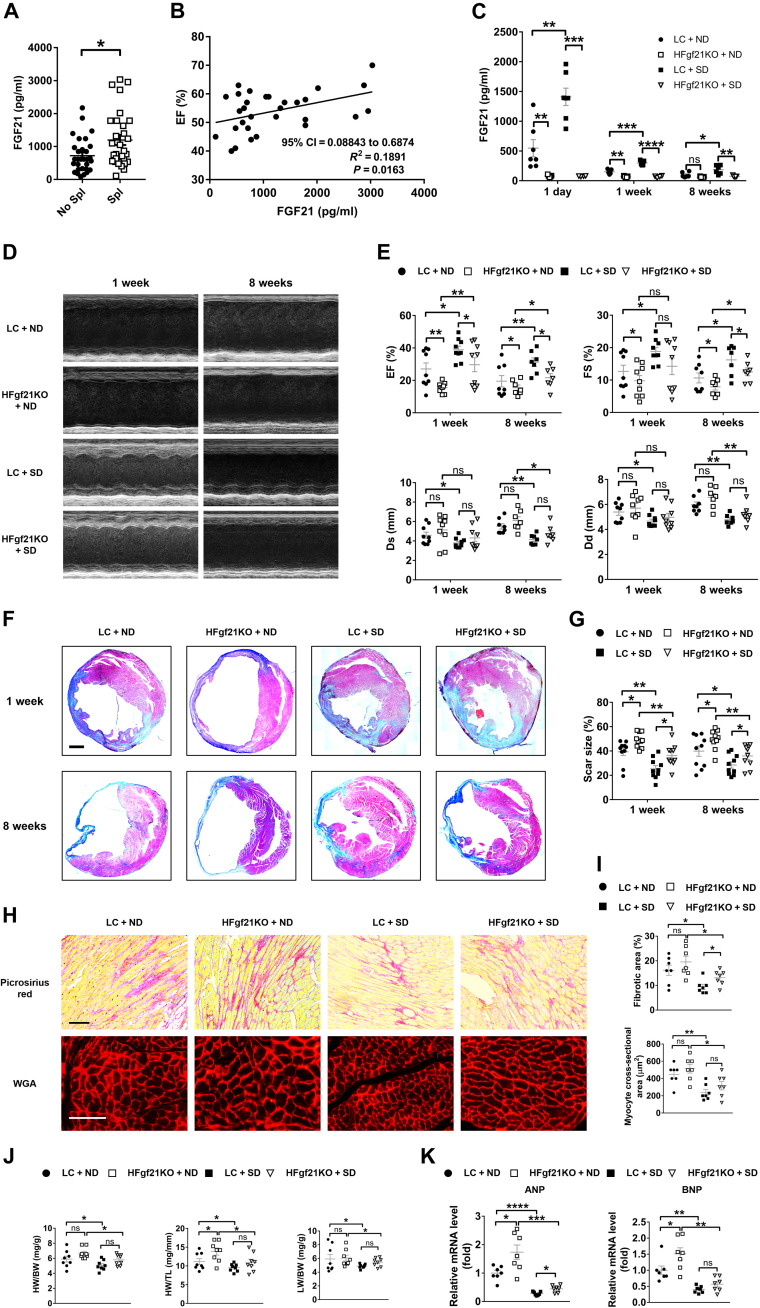
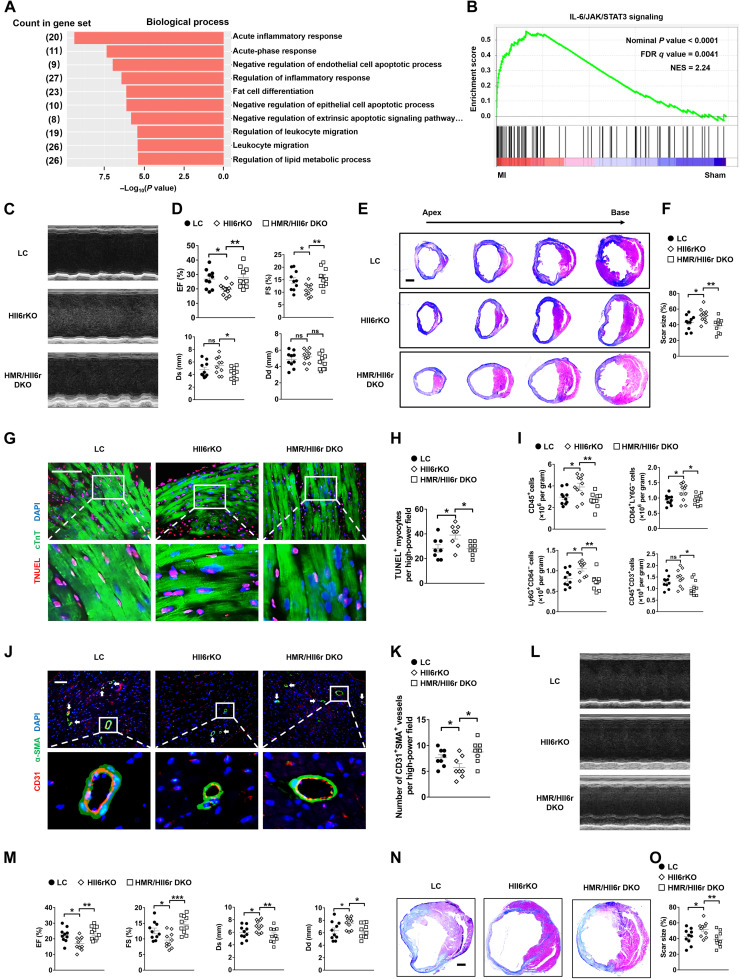
The liver plays a protective role in myocardial infarction (MI). However, very little is known about the mechanisms. Here, we identify mineralocorticoid receptor (MR) as a pivotal nexus that conveys communications between the liver and the heart during MI. Hepatocyte deficiency and MR antagonist spironolactone both improve cardiac repair after MI through regulation on hepatic fibroblast growth factor 21 (FGF21), illustrating an MR/FGF21 axis that underlies the liver-to-heart protection against MI. In addition, an upstreaming acute interleukin-6 (IL-6)/signal transducer and activator of transcription 3 (STAT3) pathway transmits the heart-to-liver signal to suppress MR expression after MI. Hepatocyte receptor deficiency and deficiency both aggravate cardiac injury through their regulation on the MR/FGF21 axis. Therefore, we have unveiled an IL-6/STAT3/MR/FGF21 signaling axis that mediates heart-liver cross-talk during MI. Targeting the signaling axis and the cross-talk could provide new strategies to treat MI and heart failure.
肝脏在心肌梗死 (MI) 中发挥保护作用。然而,人们对其机制知之甚少。在这里,我们确定了盐皮质激素受体 (MR) 作为一个关键的连接点,在 MI 期间在肝脏和心脏之间传递通讯。肝细胞缺失和 MR 拮抗剂螺内酯都通过调节肝成纤维细胞生长因子 21 (FGF21) 来改善 MI 后的心脏修复,说明了 MR/FGF21 轴是肝脏对 MI 保护的基础。此外,上游急性白细胞介素 6 (IL-6)/信号转导和转录激活因子 3 (STAT3) 途径在 MI 后传递心脏至肝脏的信号以抑制 MR 表达。肝细胞受体缺失和缺失都通过调节 MR/FGF21 轴加重心脏损伤。因此,我们揭示了一条在 MI 期间介导心脏-肝脏相互作用的 IL-6/STAT3/MR/FGF21 信号轴。靶向该信号轴和交叉对话可能为治疗 MI 和心力衰竭提供新策略。