Department of Obstetrics and Gynecology, The First Affiliated Hospital of Jinan University, Guangzhou, China.
Department of Obstetrics and Gynecology, The First Affiliated Hospital of Bengbu Medical College, Bengbu, China.
Ann Med. 2023 Dec;55(1):2190618. doi: 10.1080/07853890.2023.2190618.
To investigate the prognostic value of N6-methyladenosine (m6A)-, 5-methylcytosine (m5C)-, and N1-methyladenosine (m1A)-related genes in cervical cancer (CESC) and predicting immunotherapy response.
We downloaded cervical cancer mRNA expression profiles, clinical data, and m6A, m5C, m1A-related genes from public databases, and subjected them to serial bioinformatics analysis and clinical sample validation.
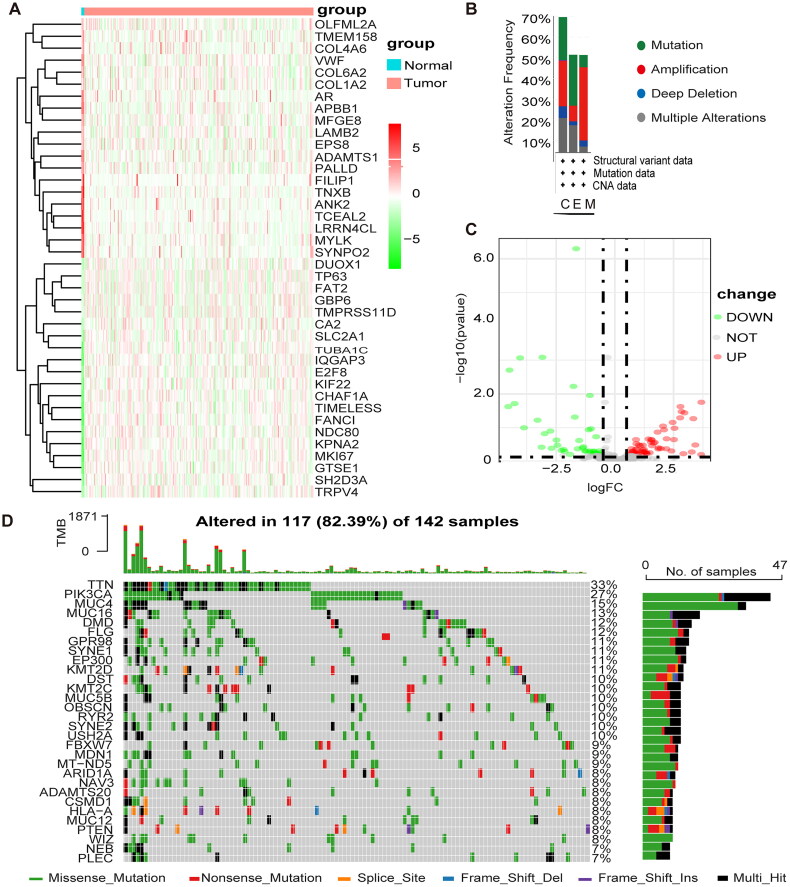
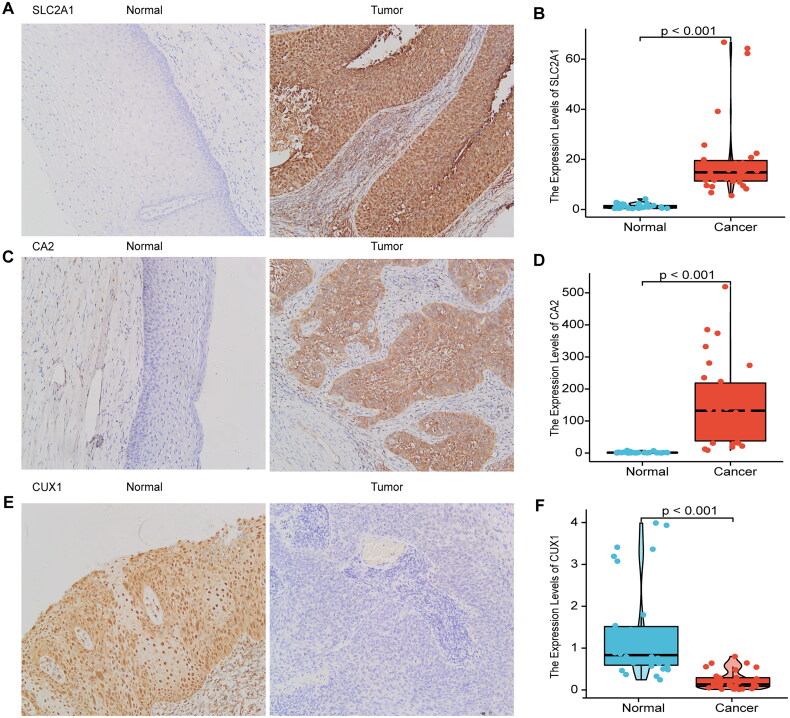
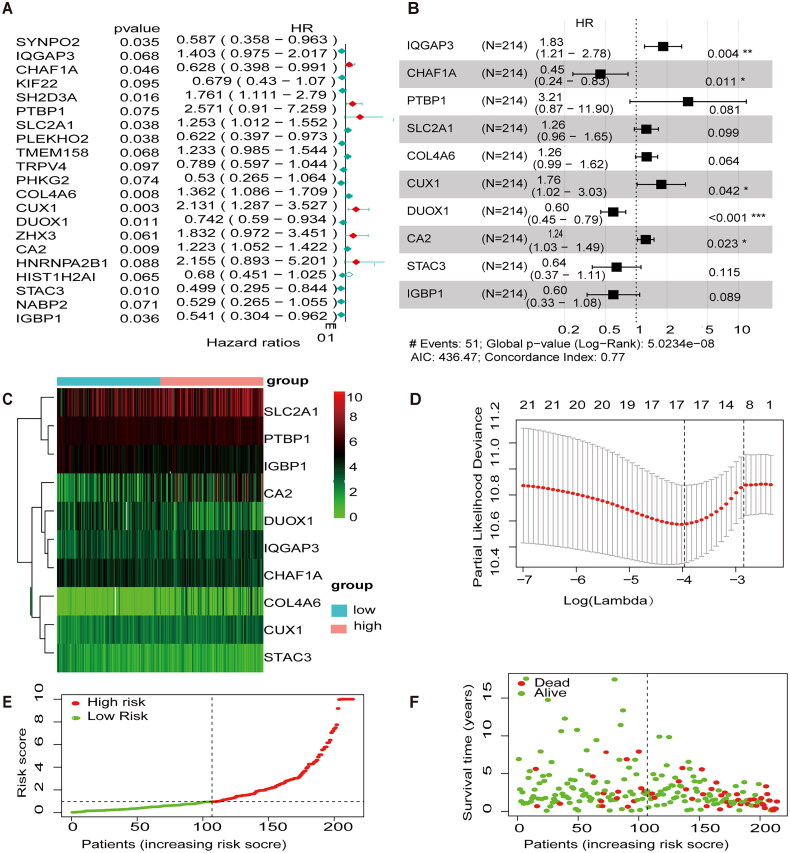
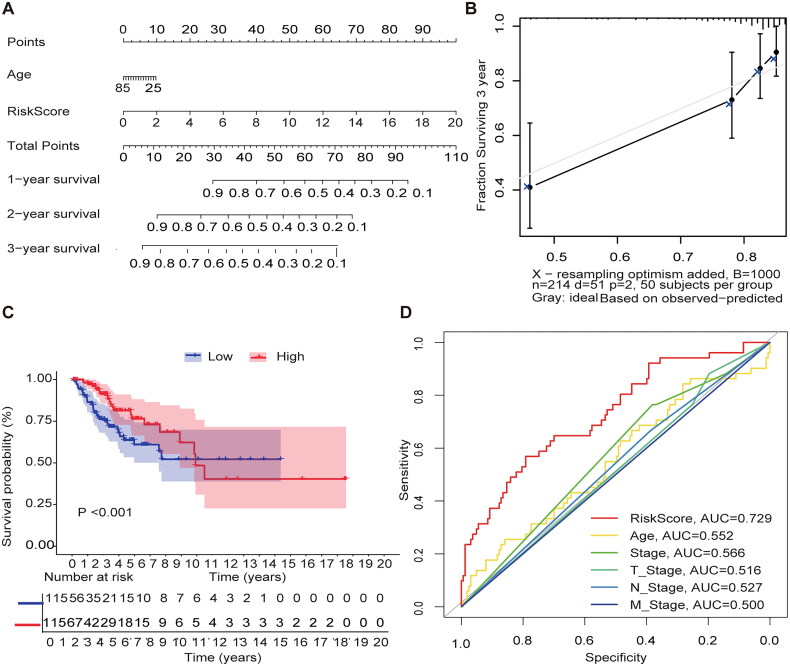
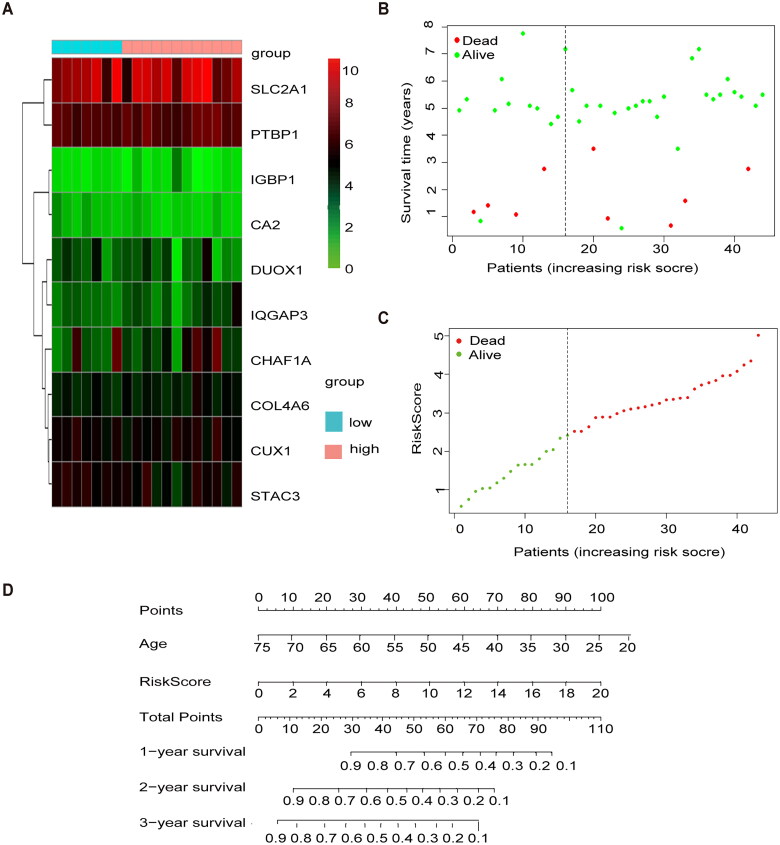
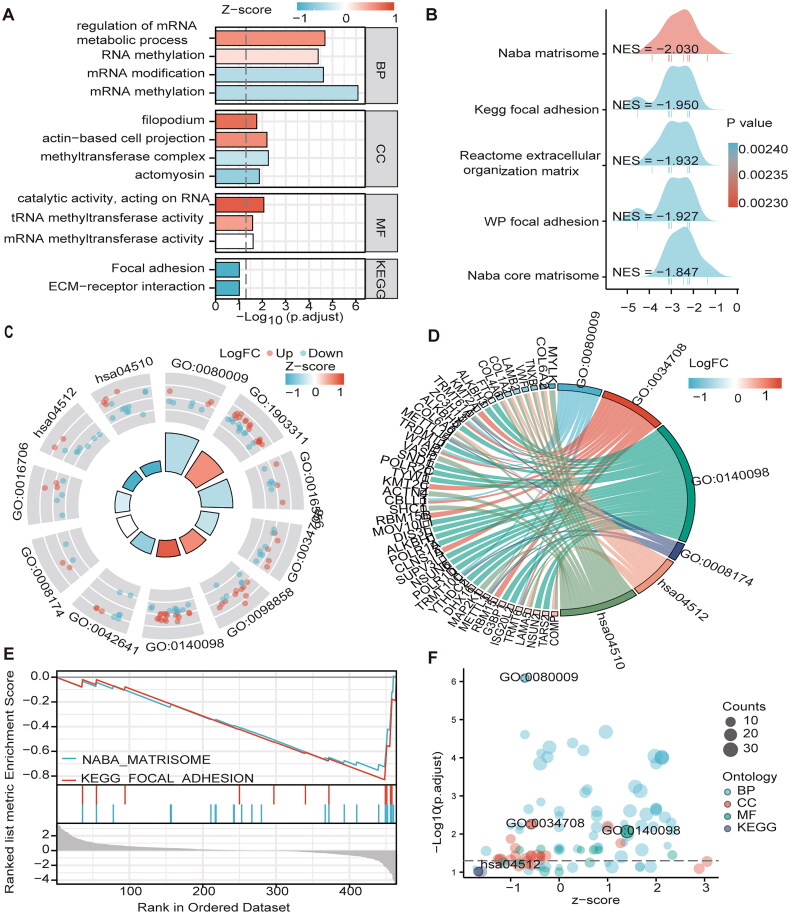
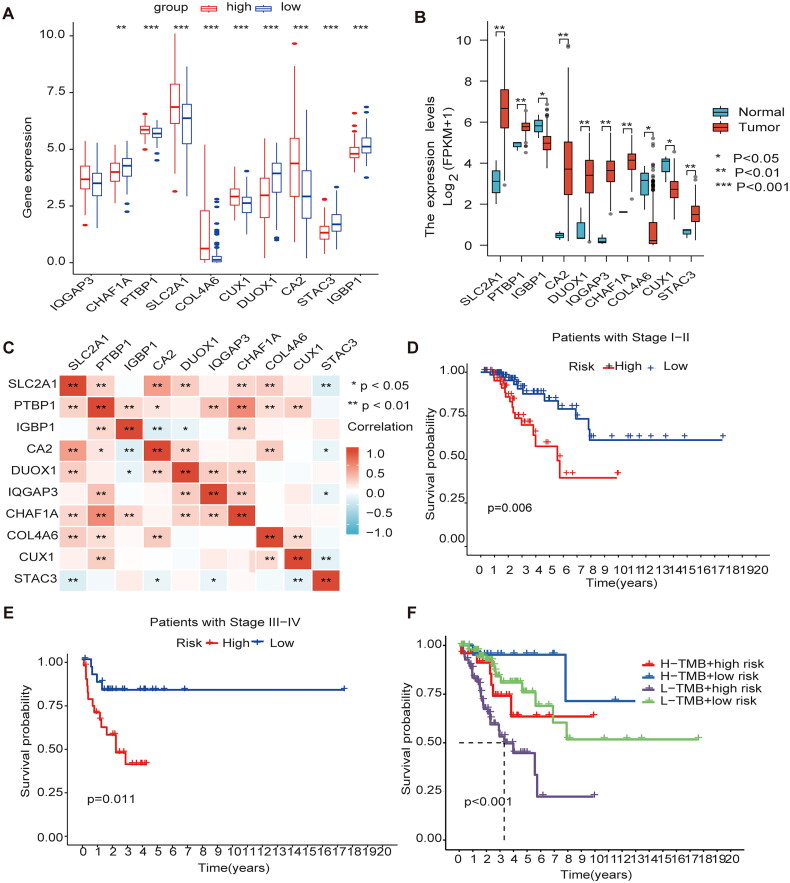
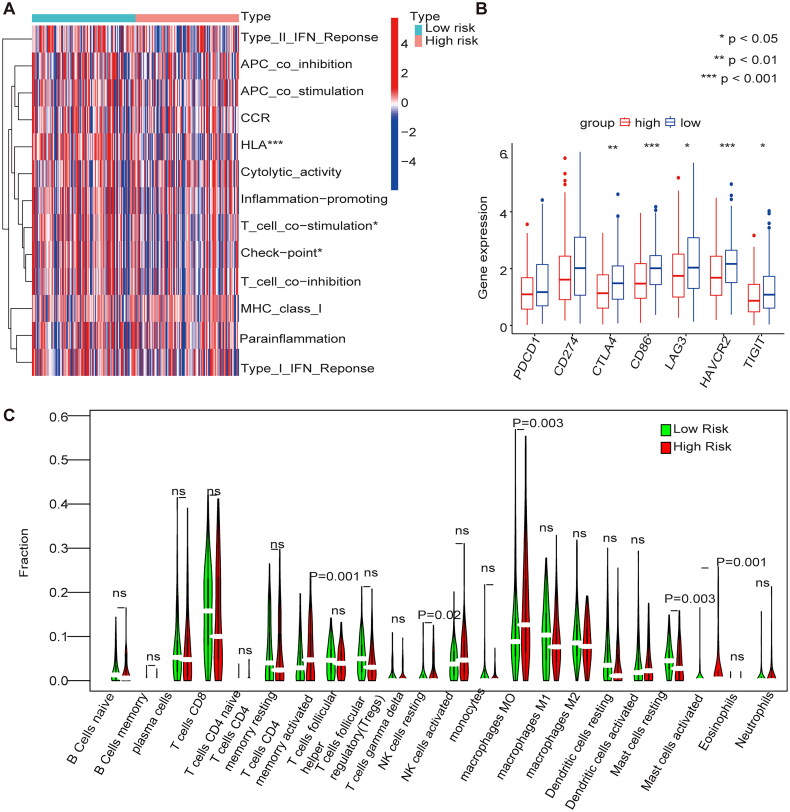
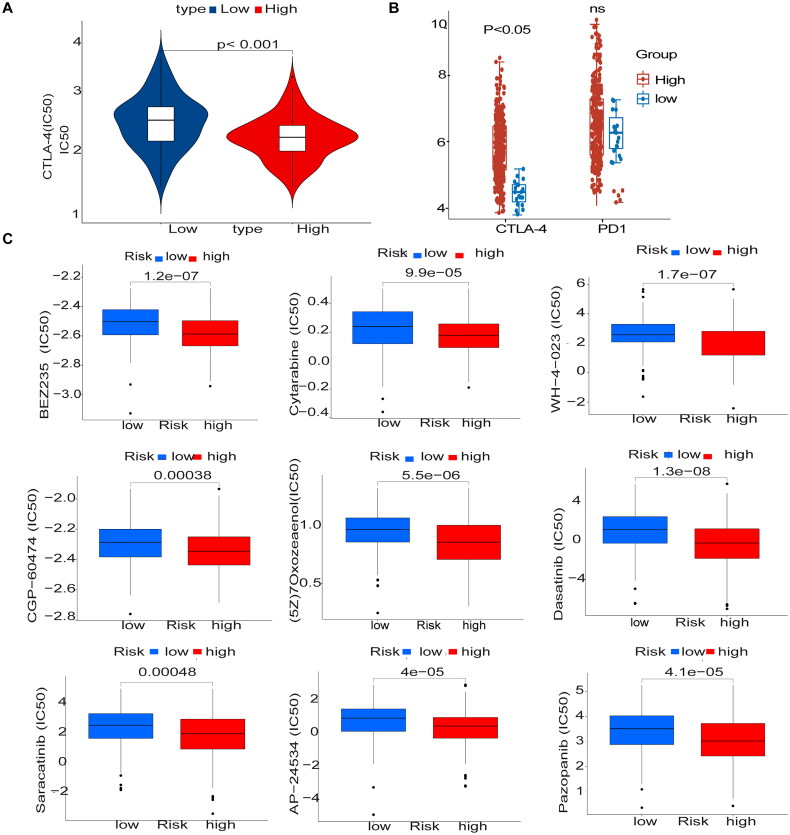
Differential analysis revealed 106 methylation-related differential genes (MEDs), including 44 differentially downregulated and 62 upregulated genes. We then obtained methylation models containing 10 genes by univariate and multifactorial COX analysis. High risk genes with HR > 1 include IQGAP3, PTBP1, STAC3, CUX1, SLC2A1, and CA2, and low risk genes with HR < 1 include IGBP1, DUOX1, CHAF1A, and STAC3. We verified the accuracy of the model from inside TCGA and outside GSE39001 (AUC = 0.729). K-M analysis showed shorter survival times in the High-risk group, and Immunocytic infiltration analysis showed model genes closely associated with six immune cells. The high-risk group may benefit more effectively from immunosuppressive therapy, especially anti-CTLA-4 therapy ( < .05). We also screened nine drugs for potential treatment and verified the expression of three key genes SLC2A1, CUX1, and CA2 using immunohistochemistry and RT-qPCR experiments with clinical samples.
We identified a prognostic model using m6A/m5C/m1A-related genes in cervical cancer, which can predict survival time and correlate with immune cell infiltration. Additionally, anti-CTLA-4 may be used as an immunotherapeutic agent for cervical cancer.KEY MESSAGESCervical cancer still has a high mortality rate, we aim to establish a strong prognostic index and new treatment goals for improving patient survival.The role of three types of RNA methylation modifications, m6A, m5C, and m1A, in cervical cancer, remains unknown. Therefore, it is essential to explore the potential molecular mechanisms of m6A, m5C, and m1A methylation regulation in cervical cancer.We also screened nine drugs for potential treatment and anti-CTLA-4 may be used as an immunotherapeutic agent for cervical cancer. We verified the expression of three key genes SLC2A1, CUX1, and CA2.
探讨 N6-甲基腺苷(m6A)、5-甲基胞嘧啶(m5C)和 N1-甲基腺苷(m1A)相关基因在宫颈癌(CESC)中的预后价值,并预测免疫治疗反应。
我们从公共数据库中下载了宫颈癌 mRNA 表达谱、临床数据以及 m6A、m5C 和 m1A 相关基因,并对其进行了一系列的生物信息学分析和临床样本验证。
差异分析显示有 106 个甲基化相关差异基因(MEDs),其中 44 个基因表达下调,62 个基因表达上调。然后,我们通过单因素和多因素 COX 分析获得了包含 10 个基因的甲基化模型。HR > 1 的高风险基因包括 IQGAP3、PTBP1、STAC3、CUX1、SLC2A1 和 CA2,而 HR < 1 的低风险基因包括 IGBP1、DUOX1、CHAF1A 和 STAC3。我们从内部 TCGA 和外部 GSE39001 验证了模型的准确性(AUC = 0.729)。K-M 分析显示高危组的生存时间更短,免疫细胞浸润分析显示模型基因与六种免疫细胞密切相关。高危组可能更有效地受益于免疫抑制治疗,特别是抗 CTLA-4 治疗(<0.05)。我们还筛选了九种潜在治疗药物,并使用临床样本的免疫组织化学和 RT-qPCR 实验验证了三个关键基因 SLC2A1、CUX1 和 CA2 的表达。
我们使用宫颈癌中 m6A/m5C/m1A 相关基因建立了一种预后模型,该模型可以预测生存时间,并与免疫细胞浸润相关。此外,抗 CTLA-4 可能可作为宫颈癌的免疫治疗药物。
宫颈癌死亡率仍然很高,我们旨在建立一个强大的预后指标和新的治疗目标,以提高患者的生存率。
m6A、m5C 和 m1A 三种 RNA 甲基化修饰在宫颈癌中的作用尚不清楚。因此,探索 m6A、m5C 和 m1A 甲基化调控在宫颈癌中的潜在分子机制至关重要。
我们还筛选了九种潜在治疗药物,并使用临床样本的免疫组织化学和 RT-qPCR 实验验证了三个关键基因 SLC2A1、CUX1 和 CA2 的表达。