Department of Surgery, Dentistry, Pediatrics, and Obstetrics/Gynecology, University of Verona, Piazzale Ludovico Antonio Scuro 10, 37134, Verona, Italy.
LaBS, Dipartimento di Chimica, Materiali e Ingegneria Chimica "Giulio Natta", Politecnico di Milano, Piazza Leonardo da Vinci 32, 20133, Milan, Italy.
Cardiovasc Eng Technol. 2023 Jun;14(3):457-475. doi: 10.1007/s13239-023-00665-3. Epub 2023 Apr 17.
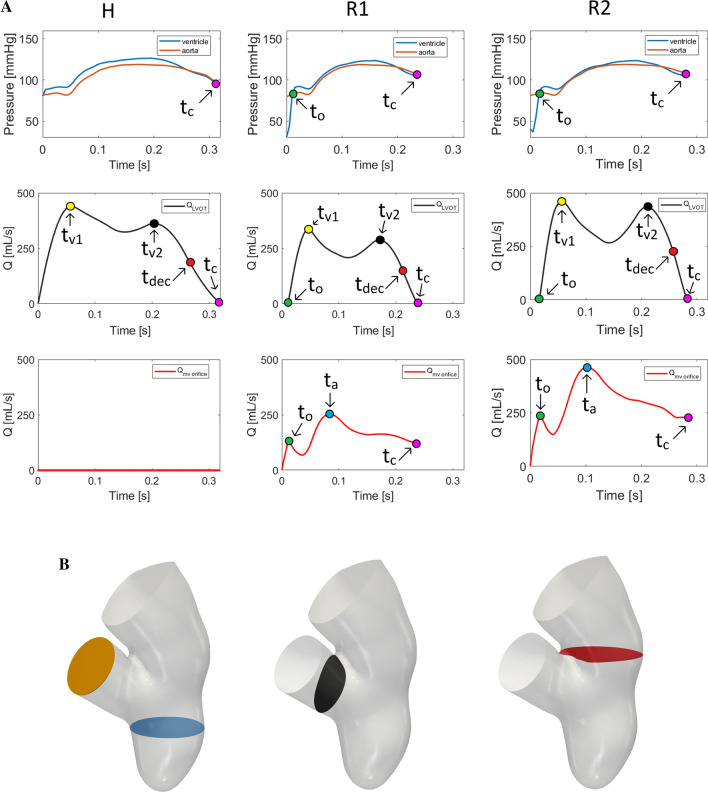
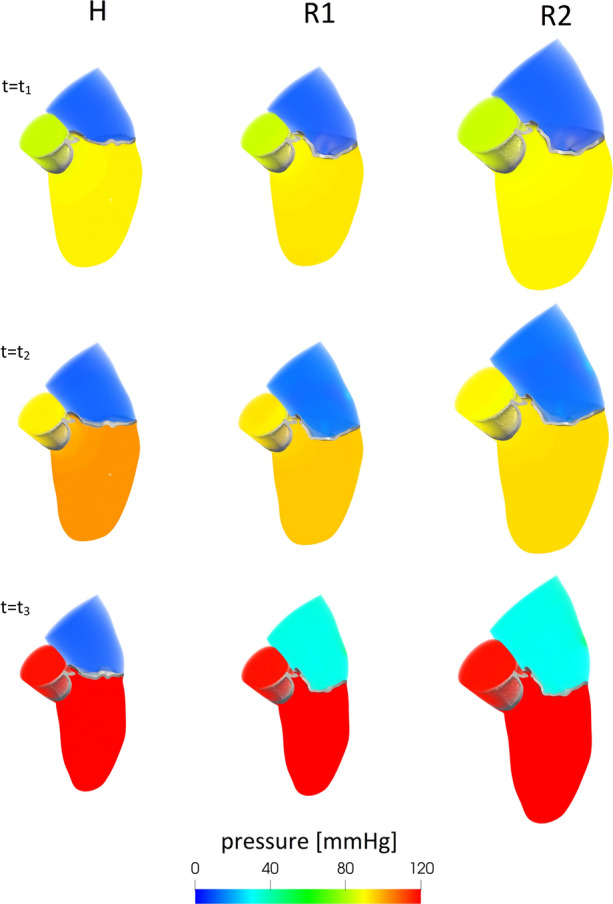
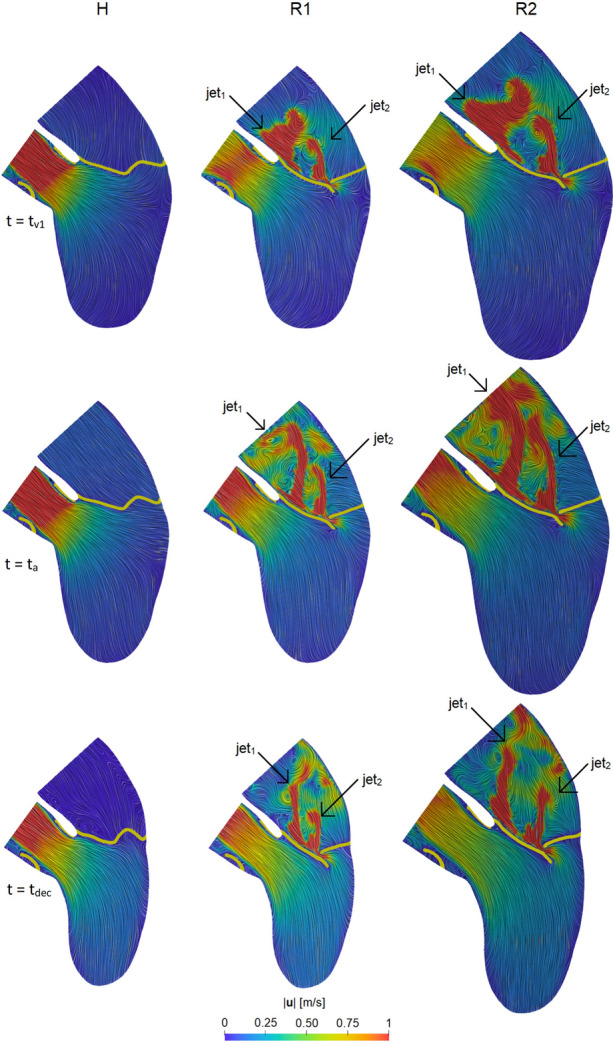
In this work we performed an imaged-based computational study of the systolic fluid dynamics in presence of mitral valve regurgitation (MVR). In particular, we compared healthy and different regurgitant scenarios with the aim of quantifying different hemodynamic quantities.
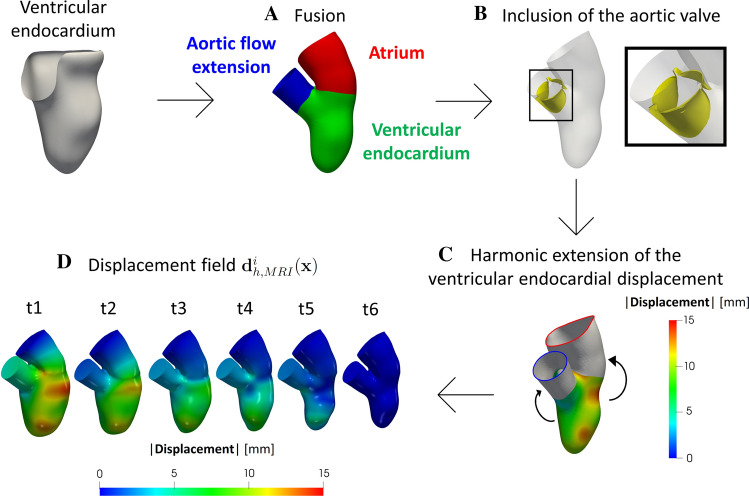
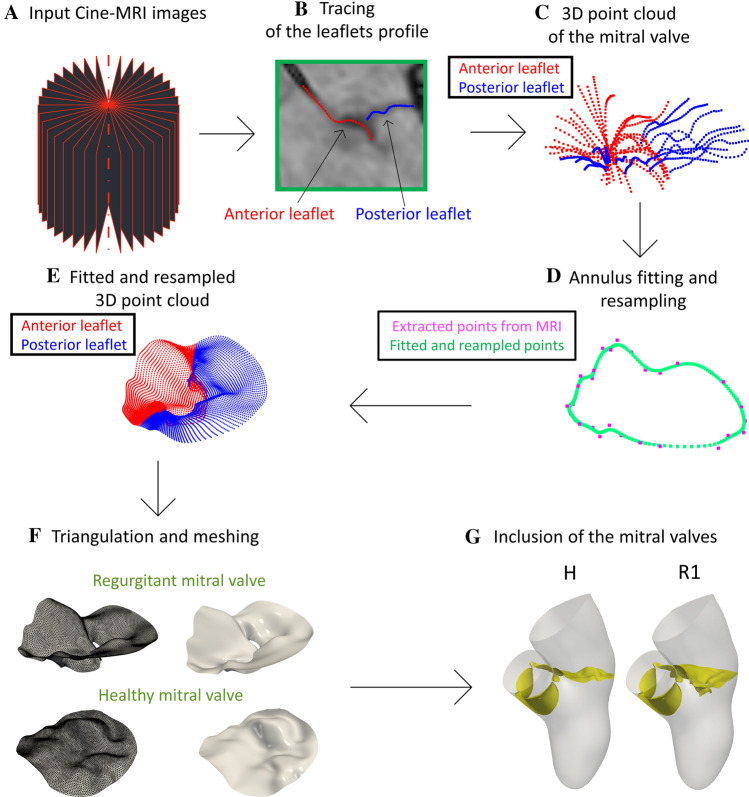
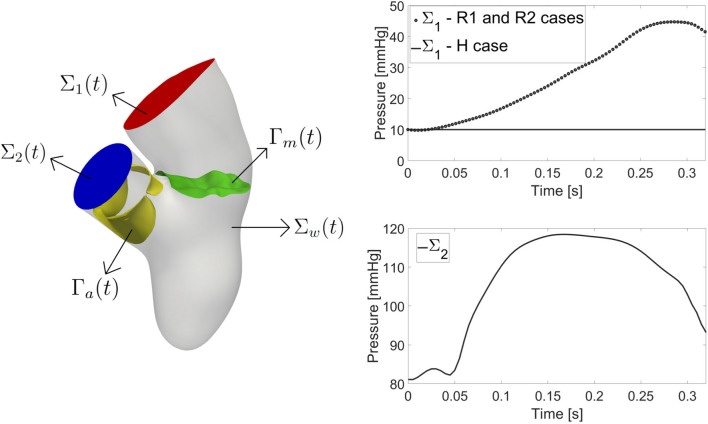
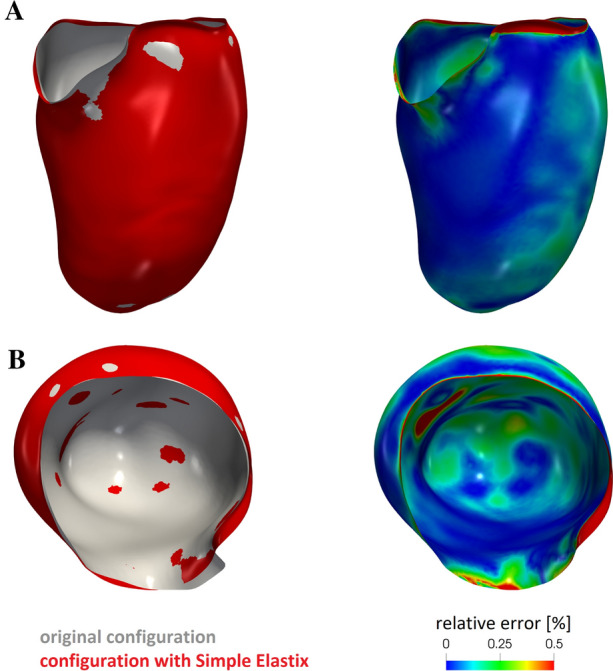
We performed computational fluid dynamic (CFD) simulations in the left ventricle, left atrium and aortic root, with a resistive immersed method, a turbulence model, and with imposed systolic wall motion reconstructed from Cine-MRI images, which allowed us to segment also the mitral valve. For the regurgitant scenarios we considered an increase of the heart rate and a dilation of the left ventricle.
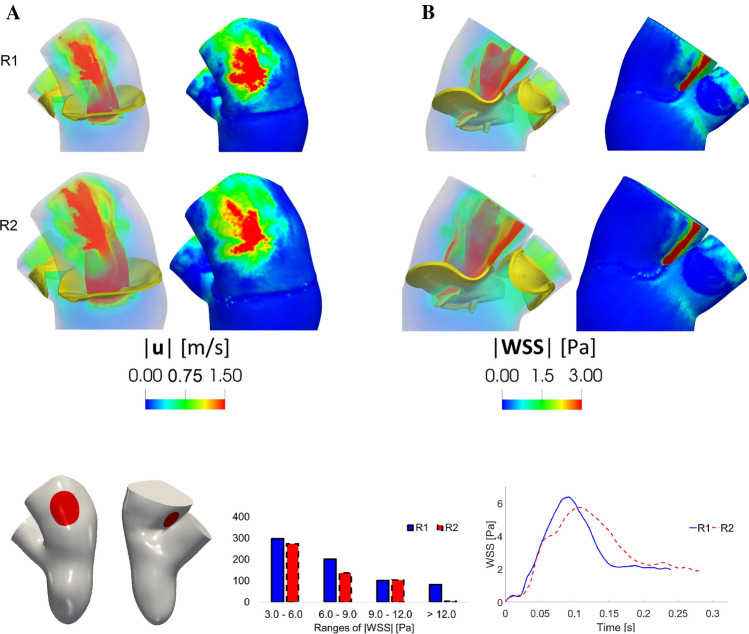
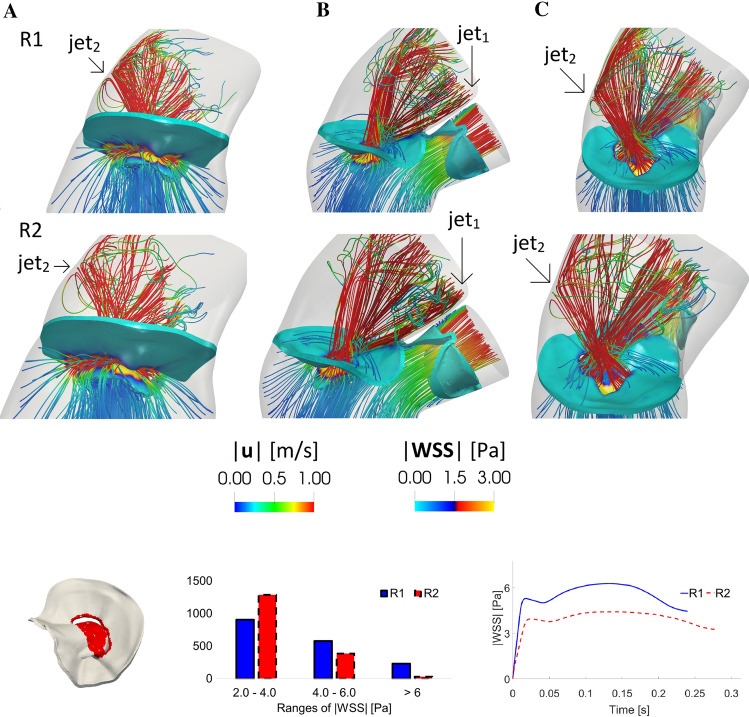
Our results highlighted that MVR gave rise to regurgitant jets through the mitral orifice impinging against the atrial walls and scratching against the mitral valve leading to high values of wall shear stresses (WSSs) with respect to the healthy case.
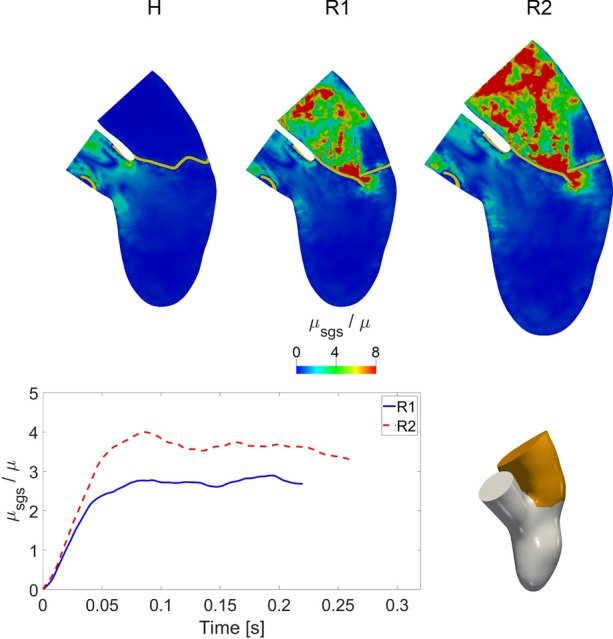
CFD with prescribed wall motion and immersed mitral valve revealed to be an effective tool to quantitatively describe hemodynamics in case of MVR and to compare different regurgitant scenarios. Our findings highlighted in particular the presence of transition to turbulence in the atrium and allowed us to quantify some important cardiac indices such as cardiac output and WSS.
在这项工作中,我们进行了基于影像的计算研究,以研究存在二尖瓣反流(MR)时的收缩期流体动力学。特别是,我们比较了健康和不同反流情况,目的是量化不同的血液动力学参数。
我们使用电阻浸入法、湍流模型,对左心室、左心房和主动脉根部进行计算流体动力学(CFD)模拟,并从 Cine-MRI 图像中重建收缩期壁运动,这也使我们能够分割二尖瓣。对于反流情况,我们考虑了心率增加和左心室扩张。
我们的结果表明,MR 通过二尖瓣口产生反流射流,冲击心房壁并刮擦二尖瓣,导致壁面剪切应力(WSS)相对于健康情况显著升高。
采用规定壁运动和浸入式二尖瓣的 CFD 被证明是一种有效的工具,可以定量描述二尖瓣反流时的血液动力学,并比较不同的反流情况。我们的研究结果特别强调了在心房中存在向湍流的转变,并使我们能够量化一些重要的心脏指数,如心输出量和 WSS。