Institute of Chemistry, The Hebrew University of Jerusalem, Jerusalem 91904, Israel.
State Key Laboratory of Biogeology and Environmental Geology, Engineering Research Center of Nano-Geomaterials of Ministry of Education, Faculty of Materials Science and Chemistry, China University of Geosciences, Wuhan 430074, China.
Chem Rev. 2023 May 24;123(10):6839-6887. doi: 10.1021/acs.chemrev.3c00016. Epub 2023 Apr 20.
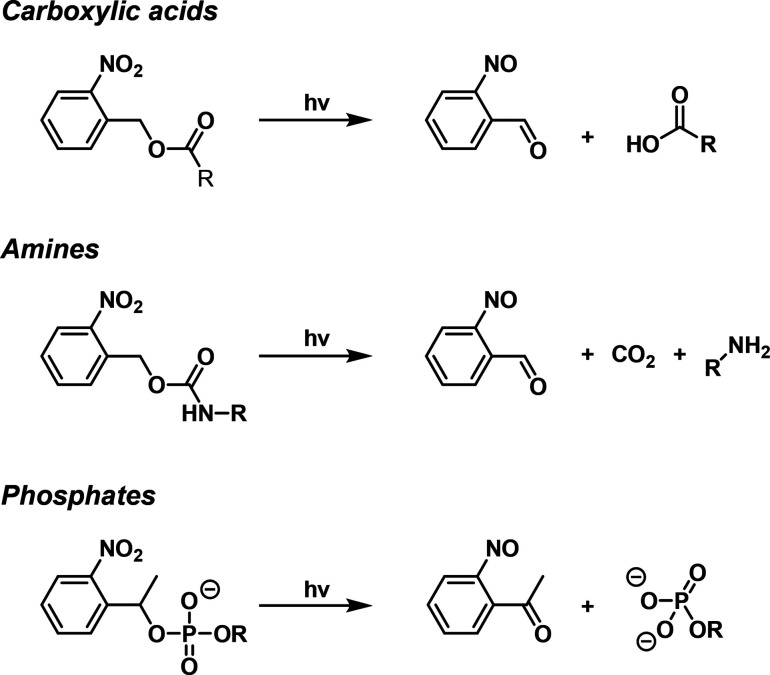
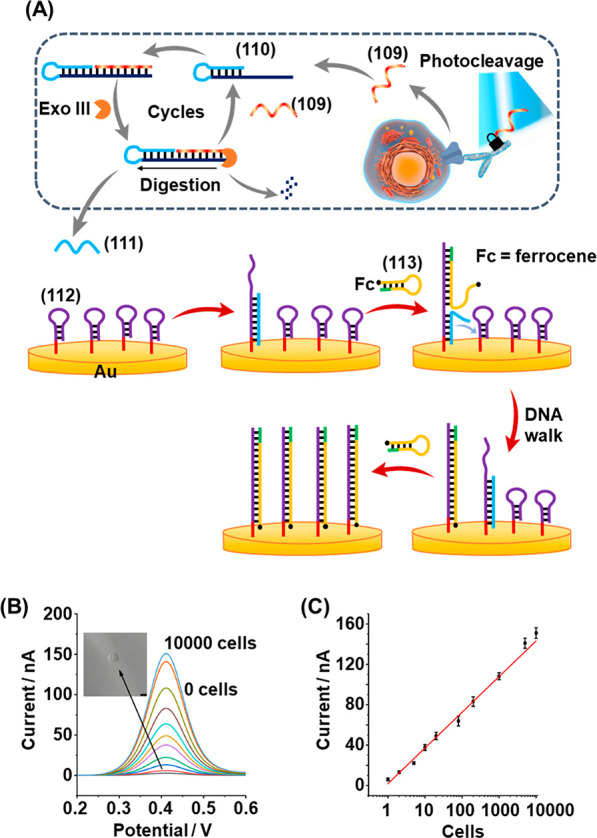
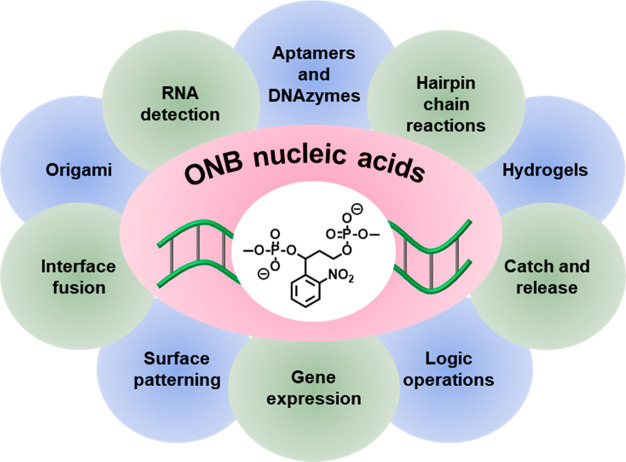
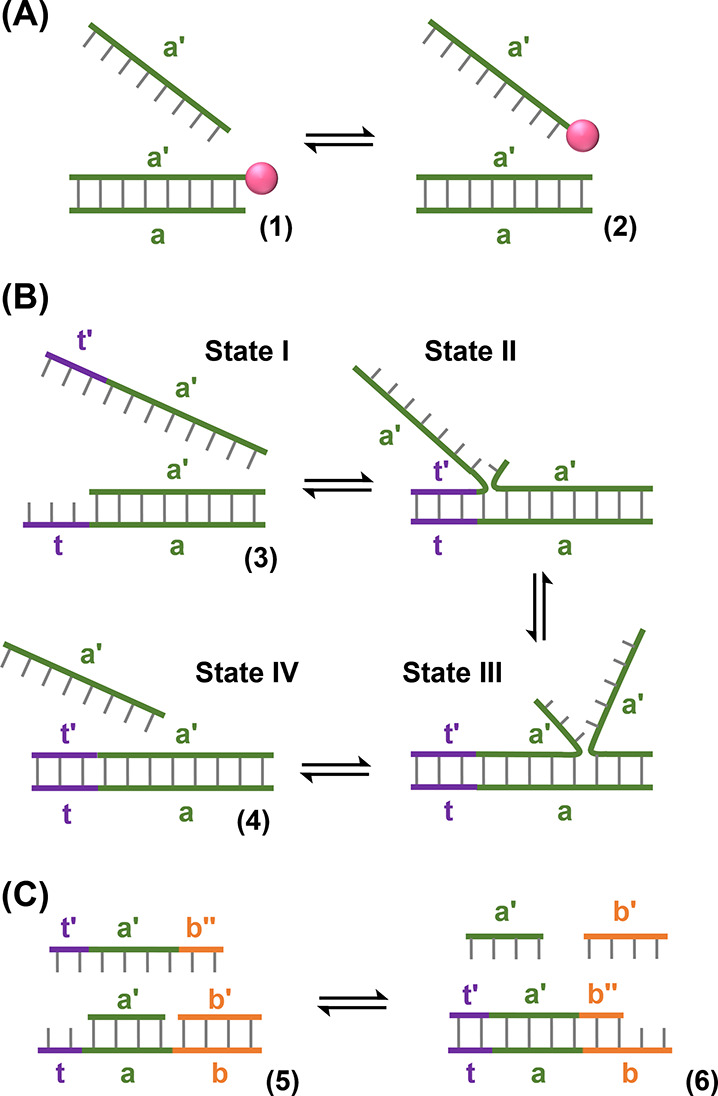
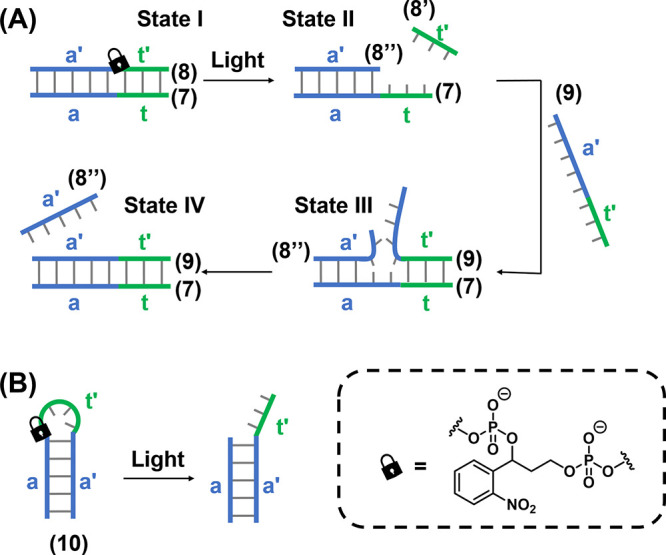
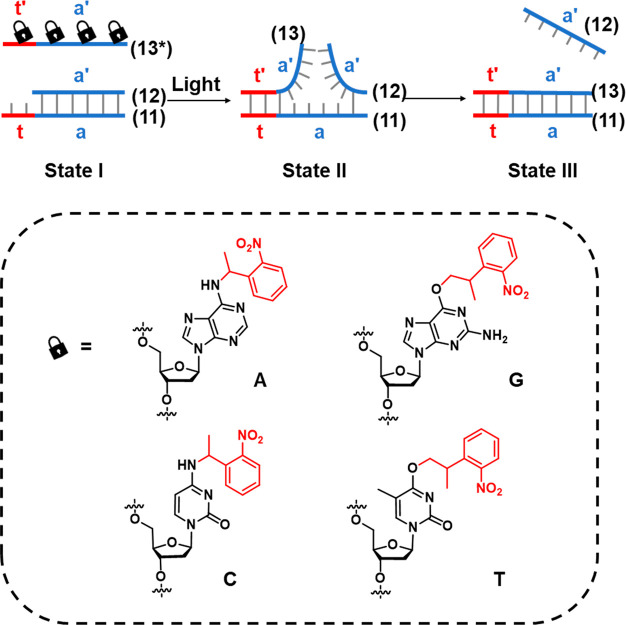
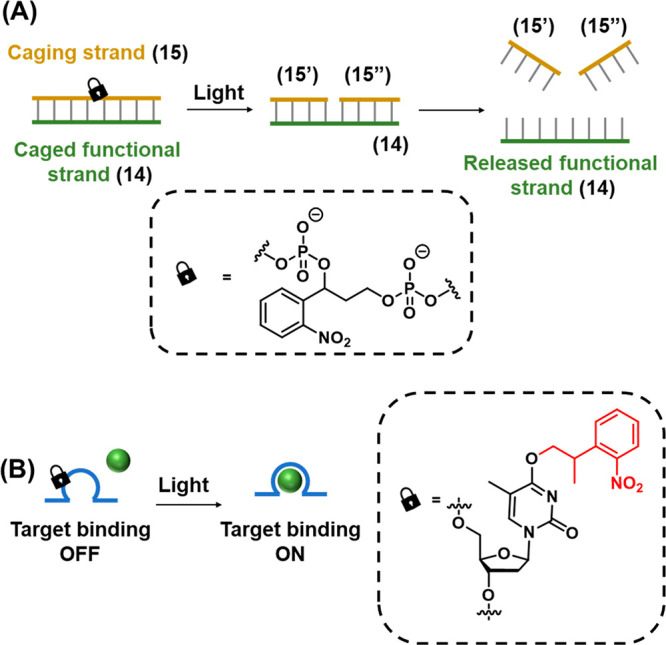
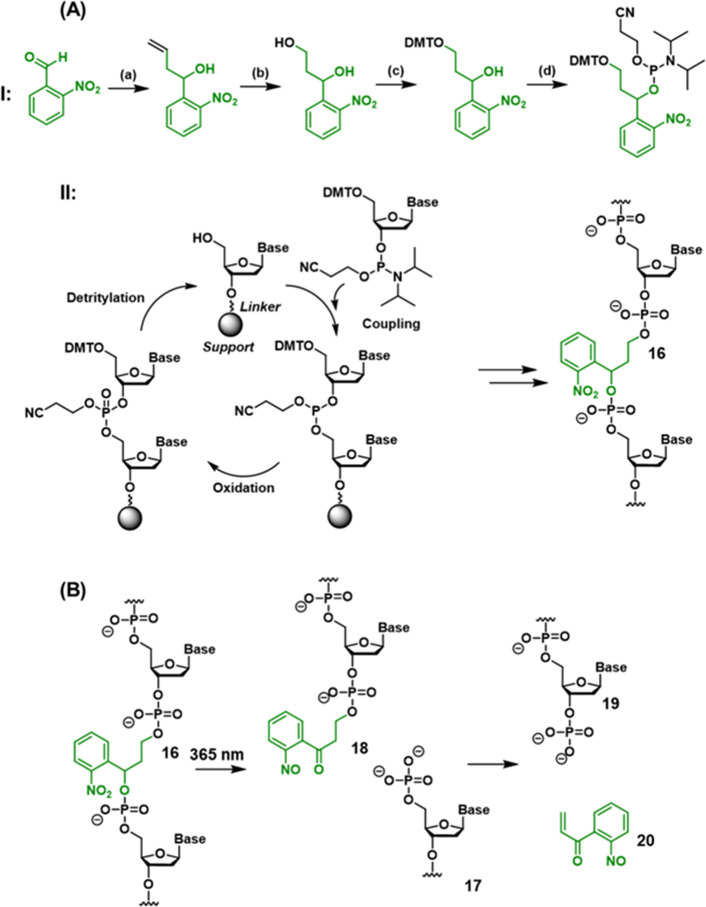
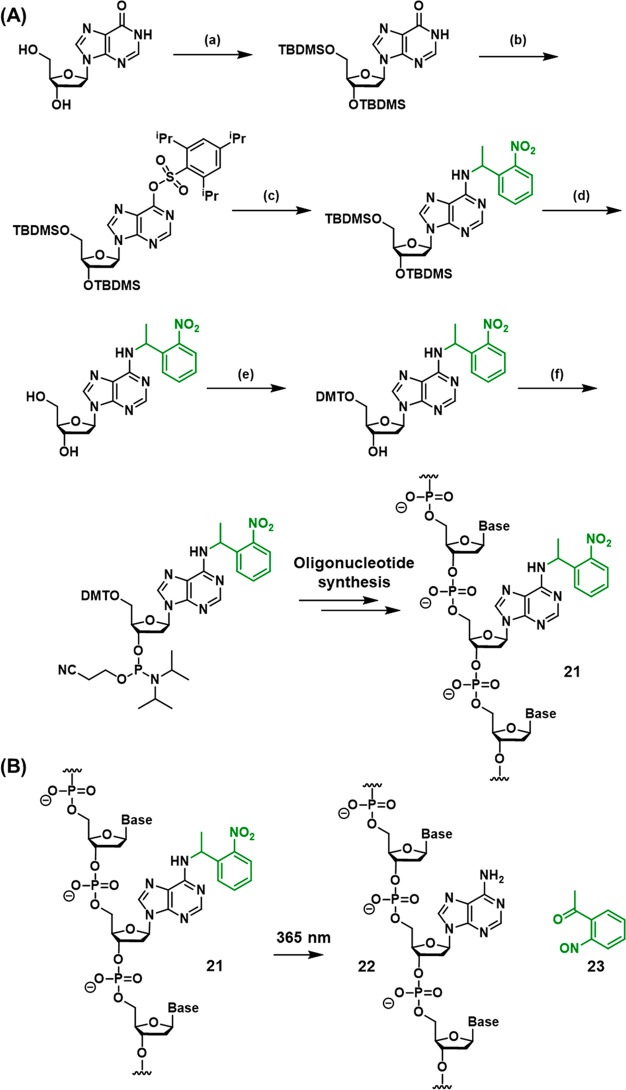
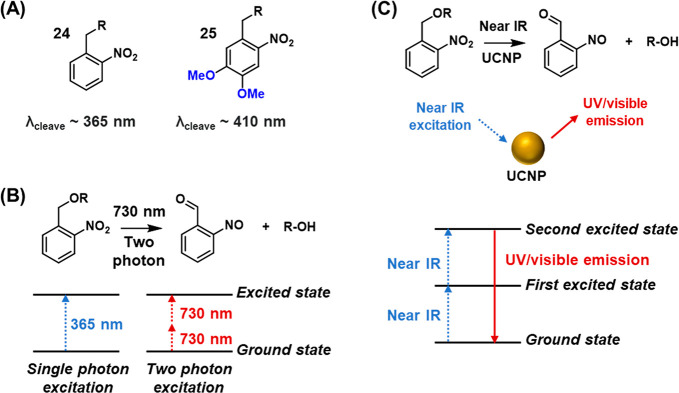
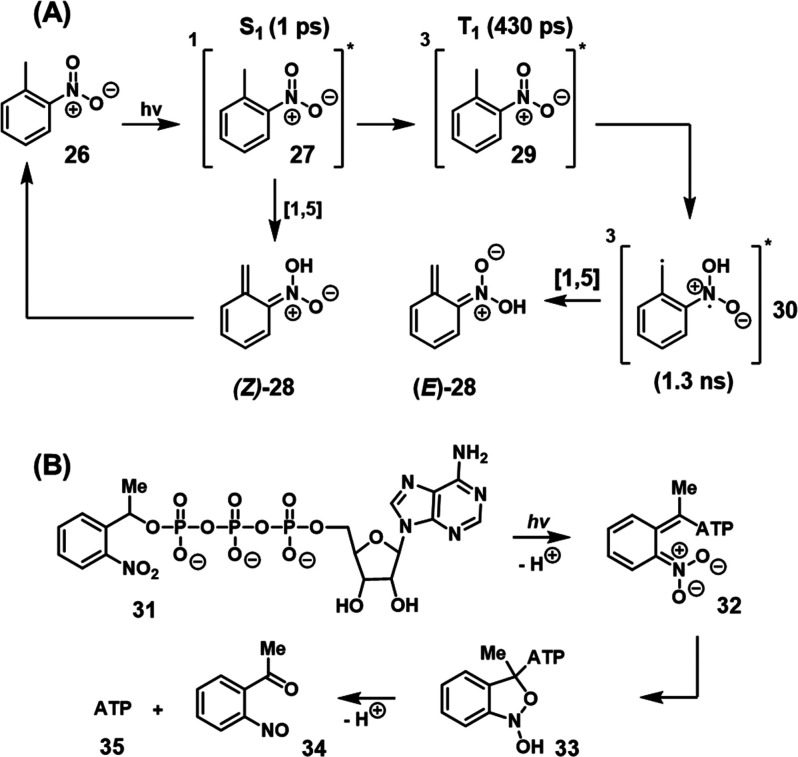
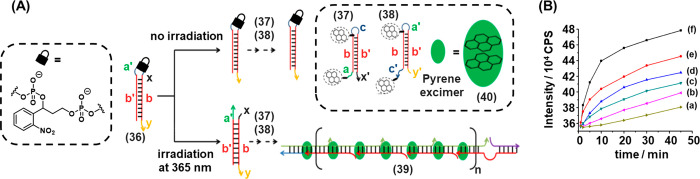
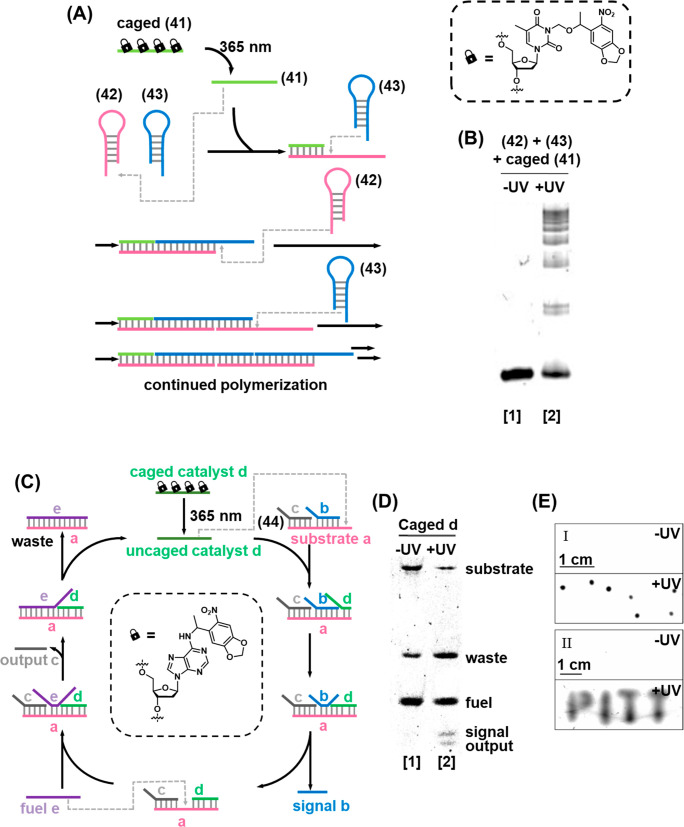
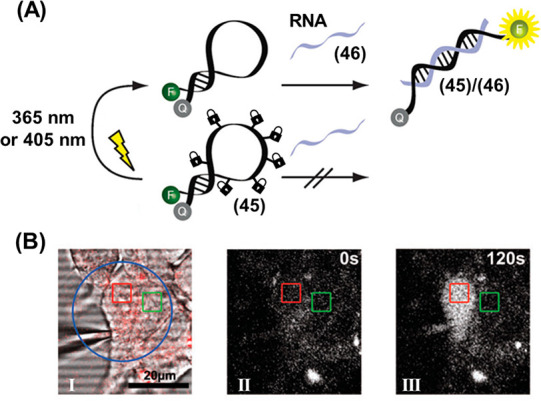
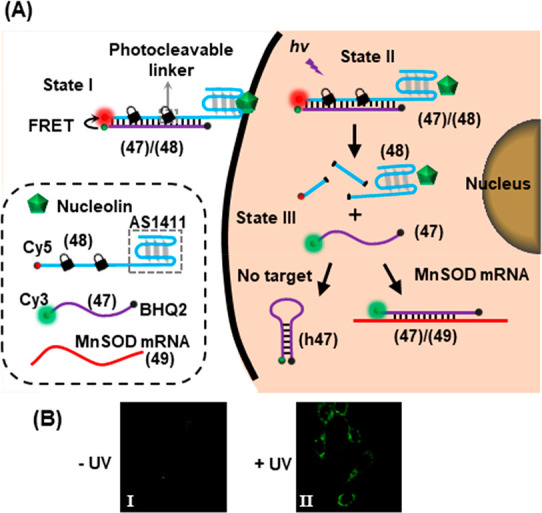
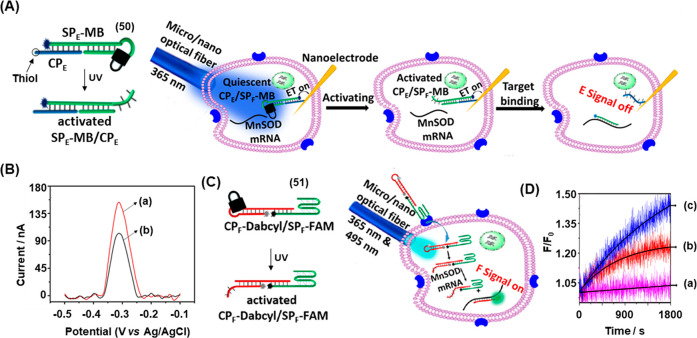
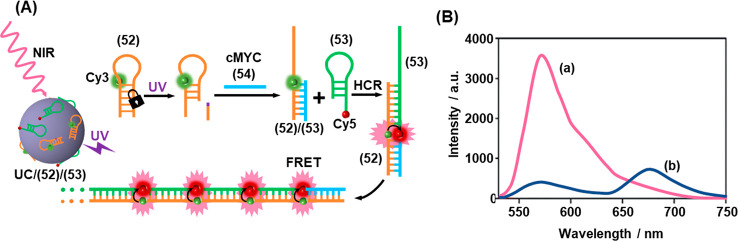
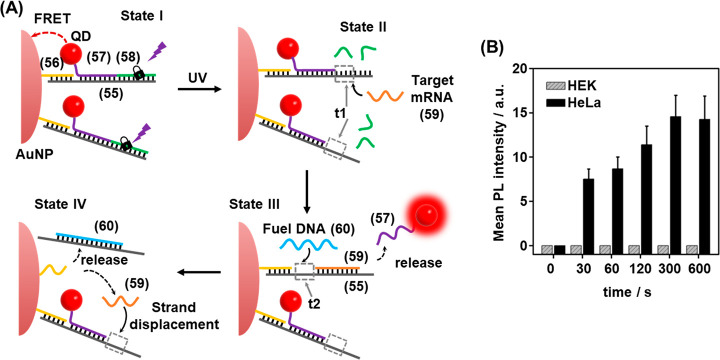
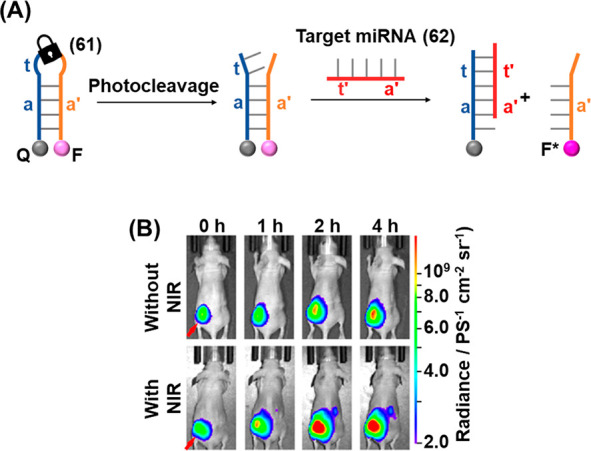
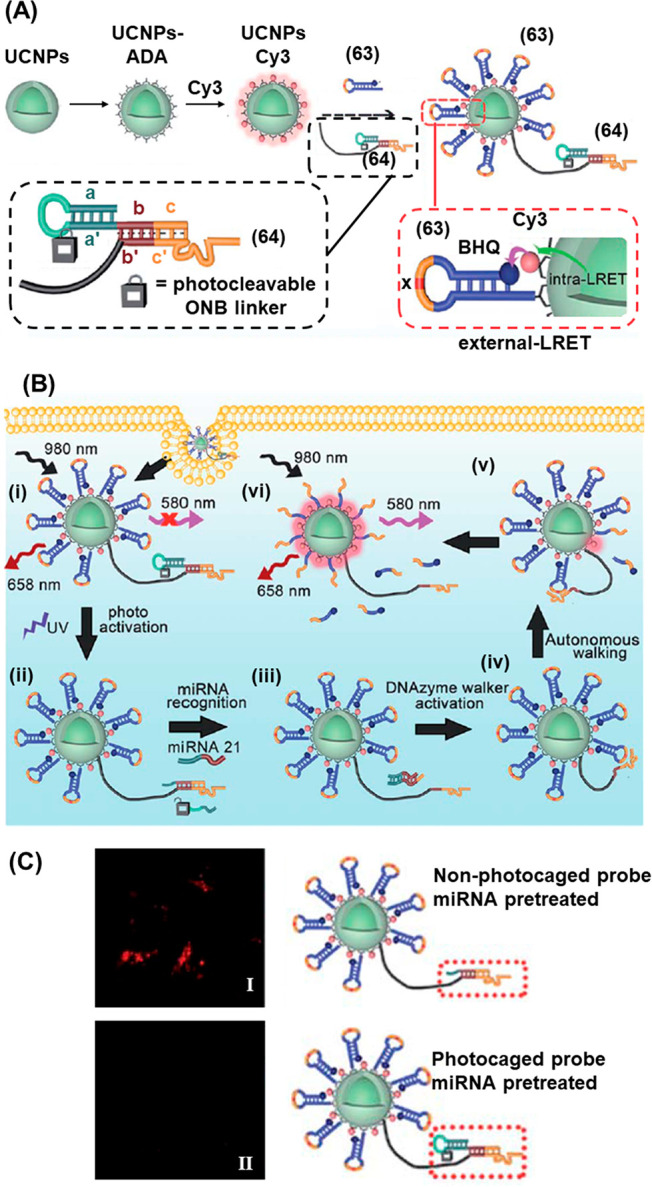
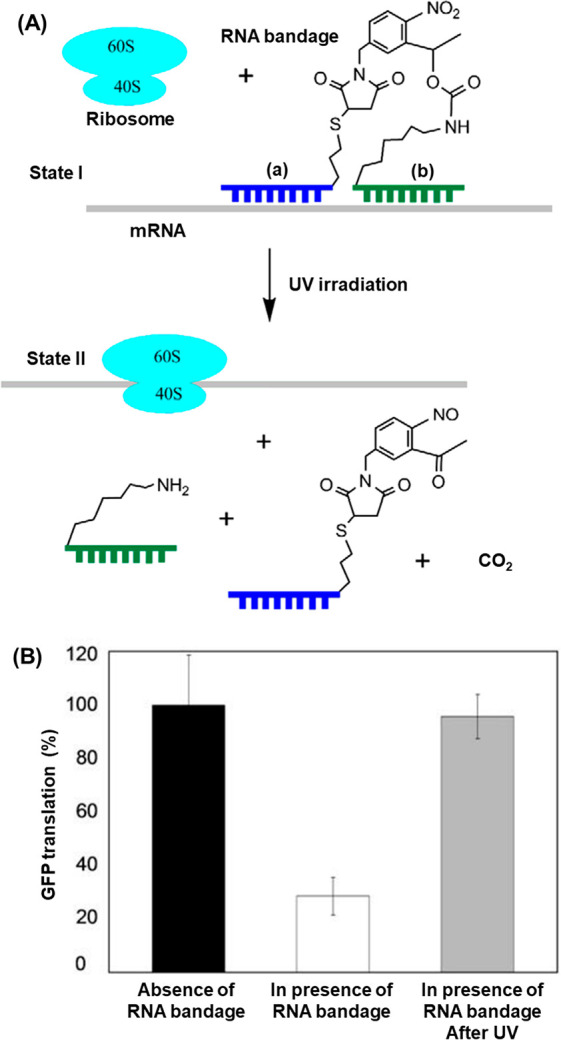
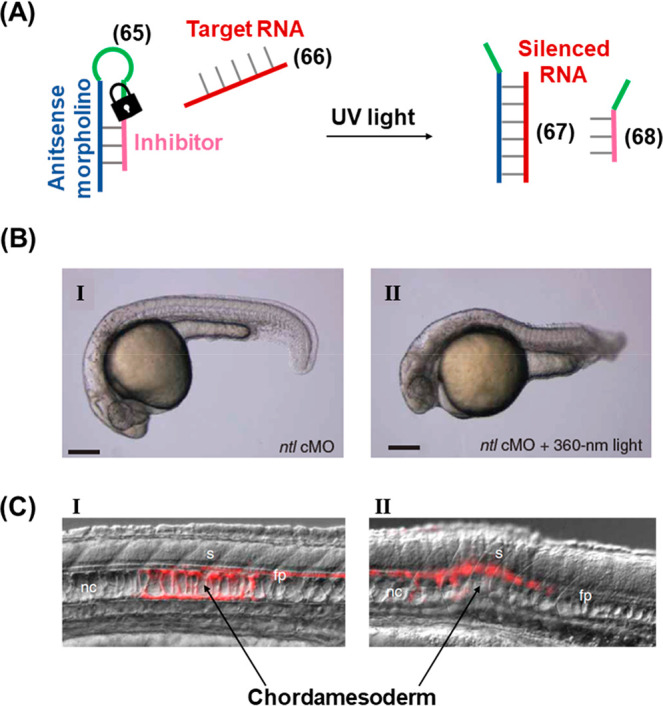
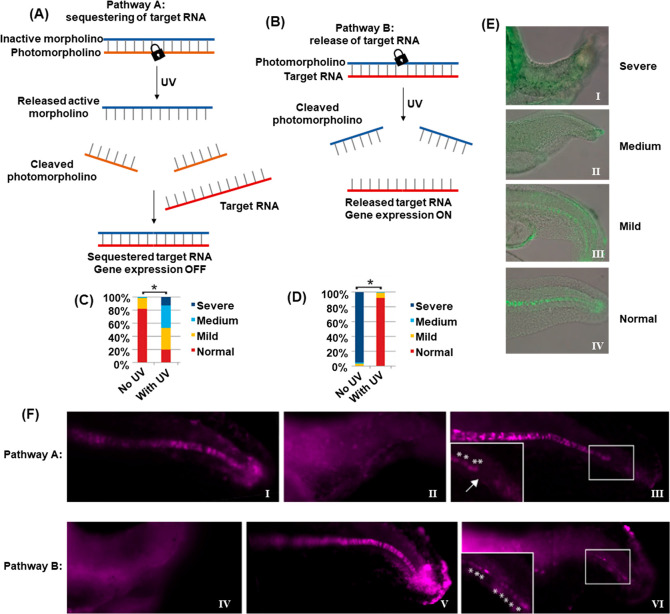
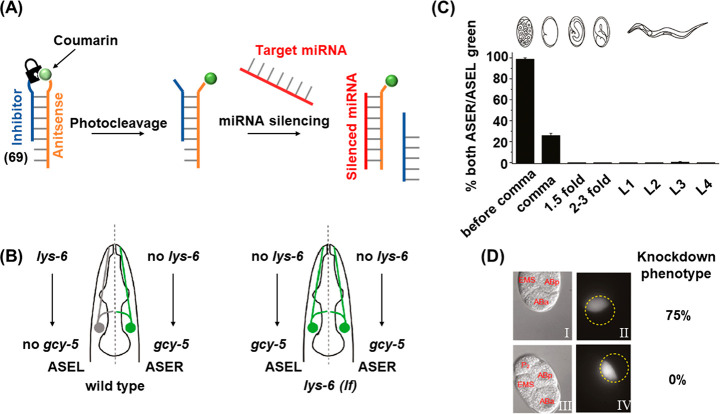
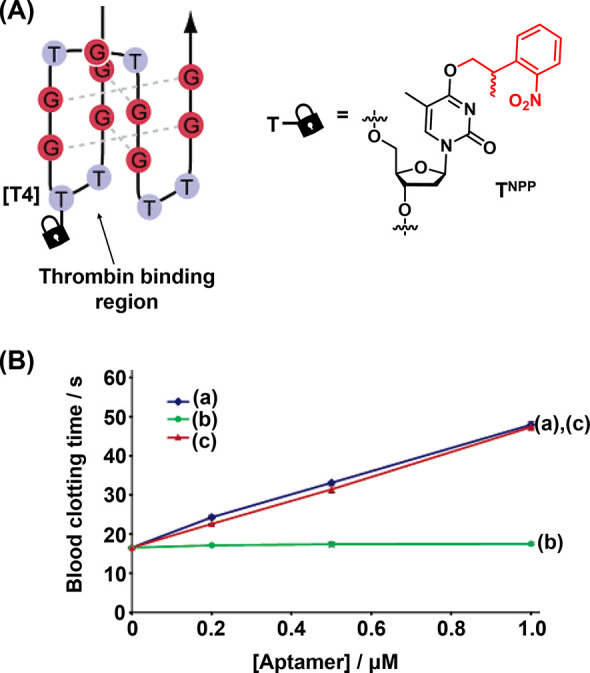
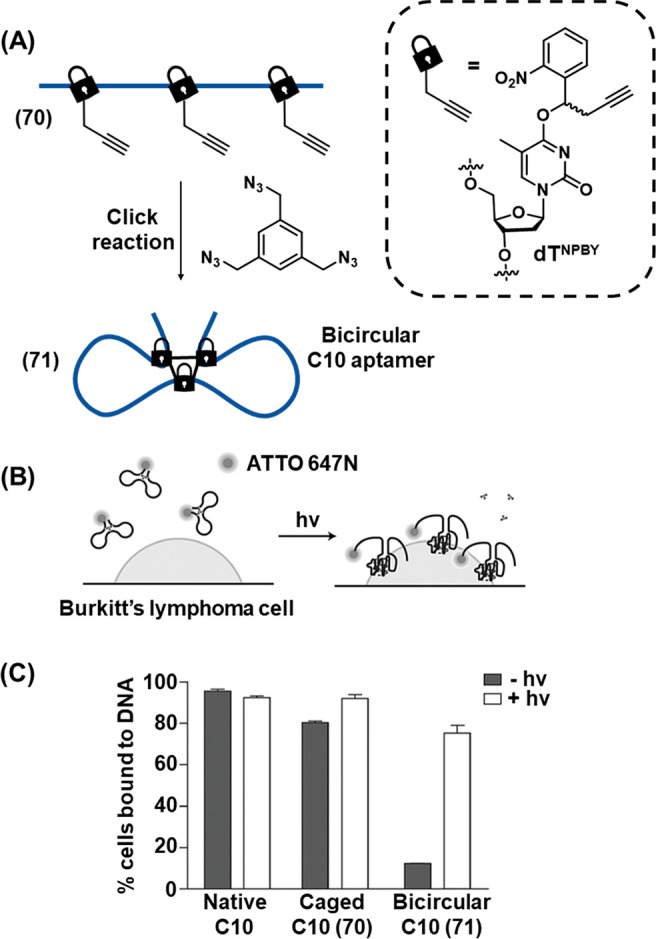
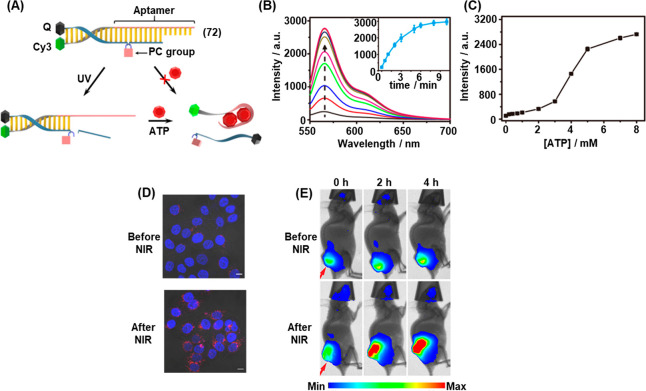
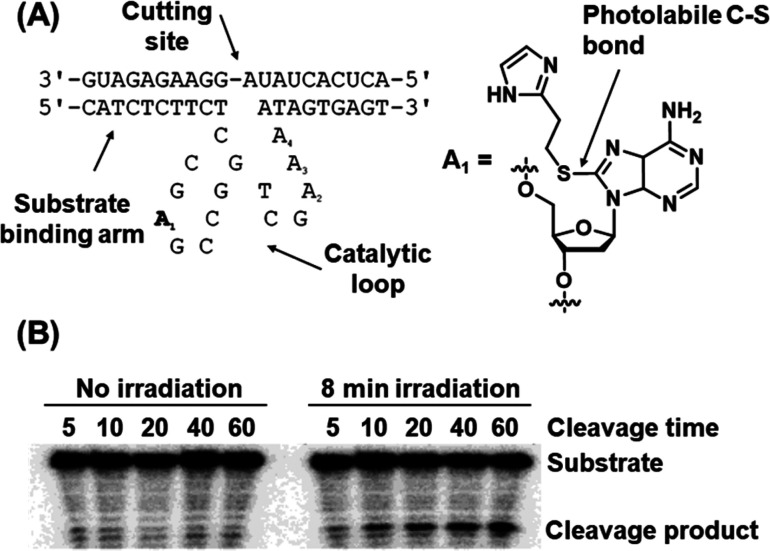
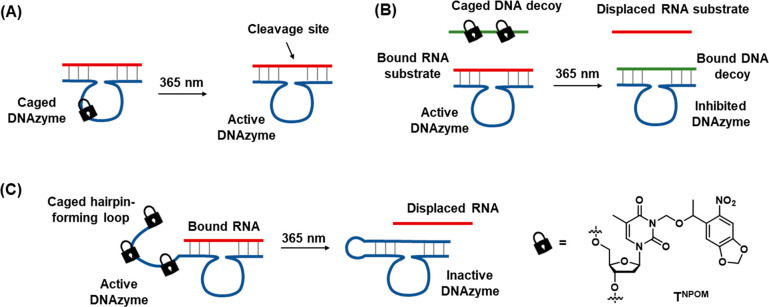
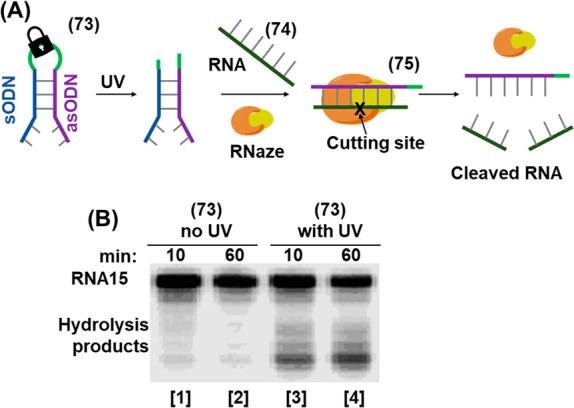
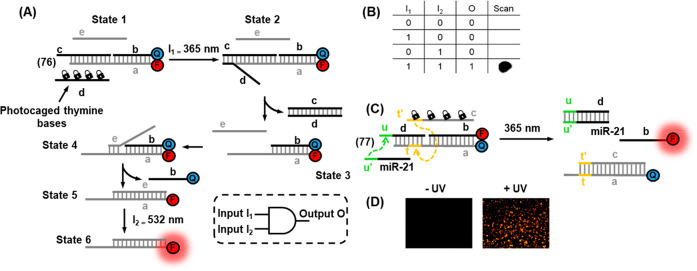
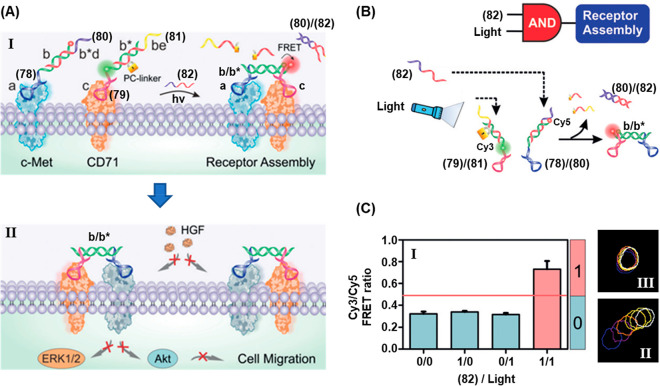
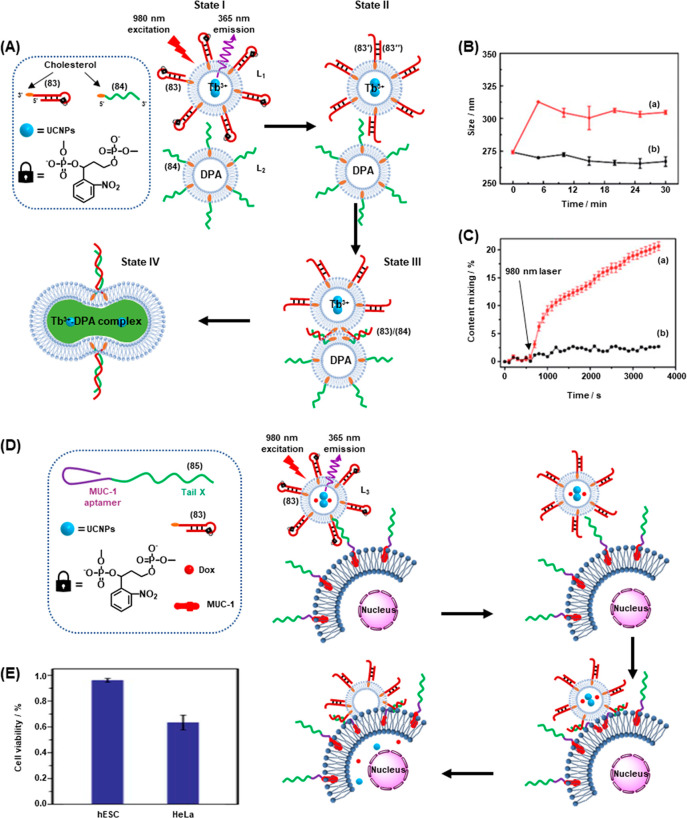
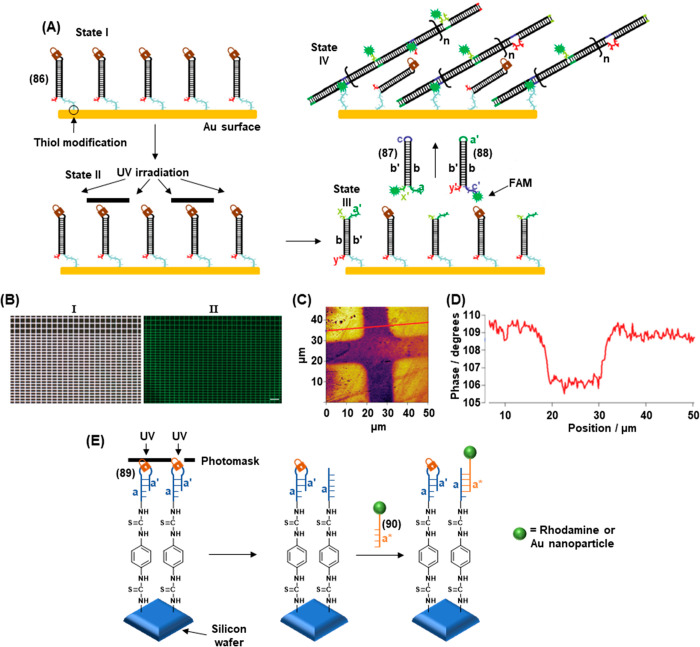
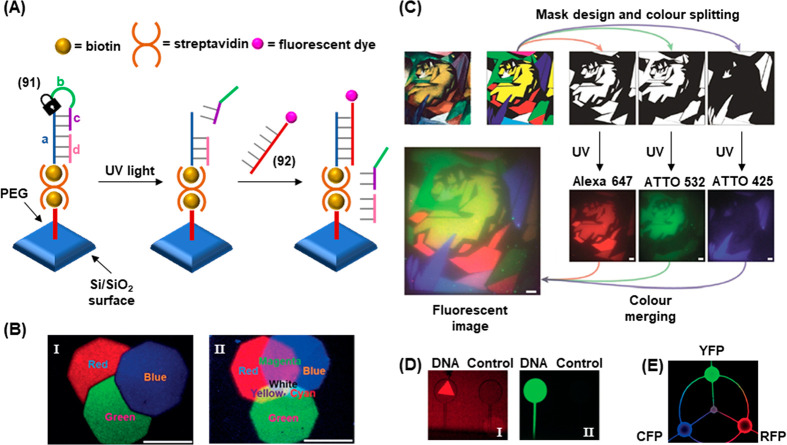
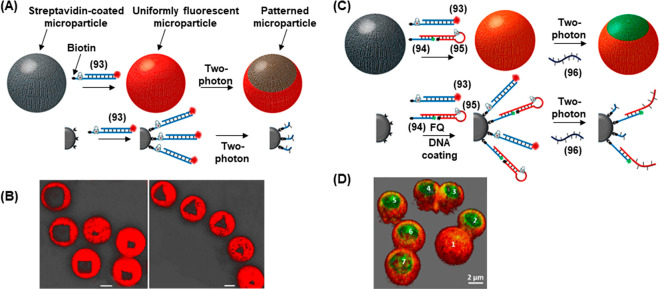
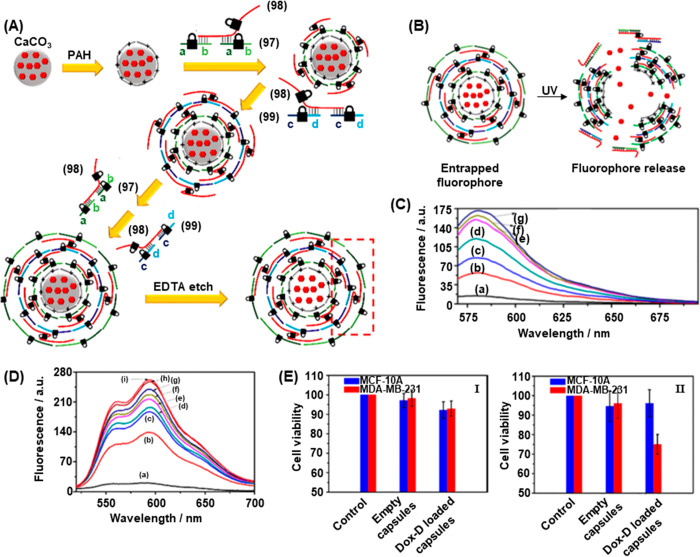
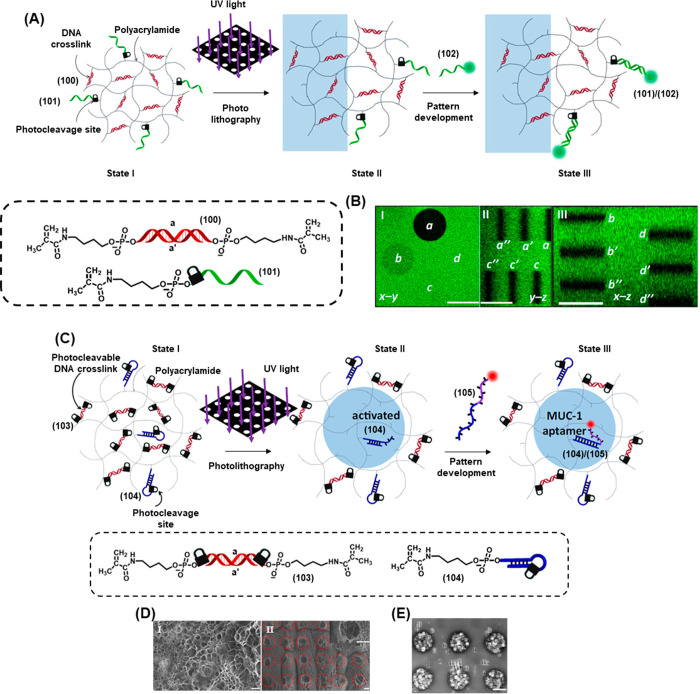
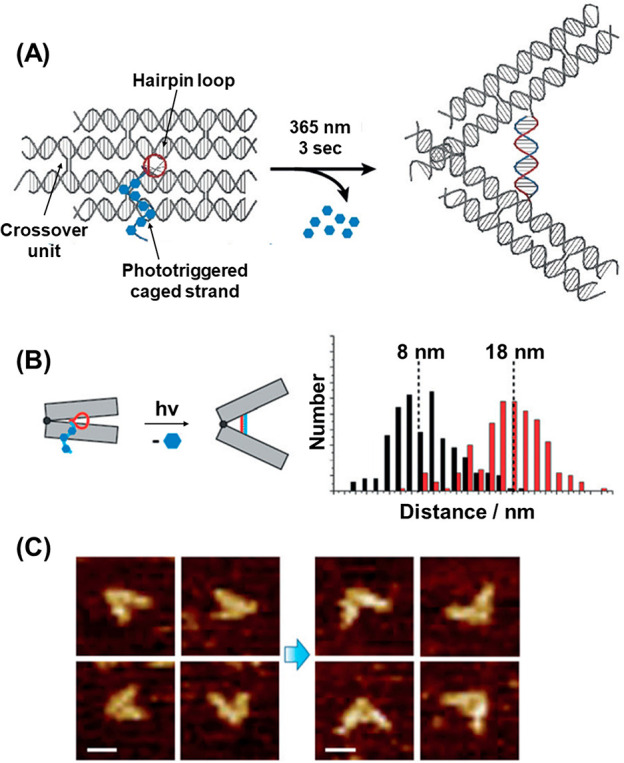
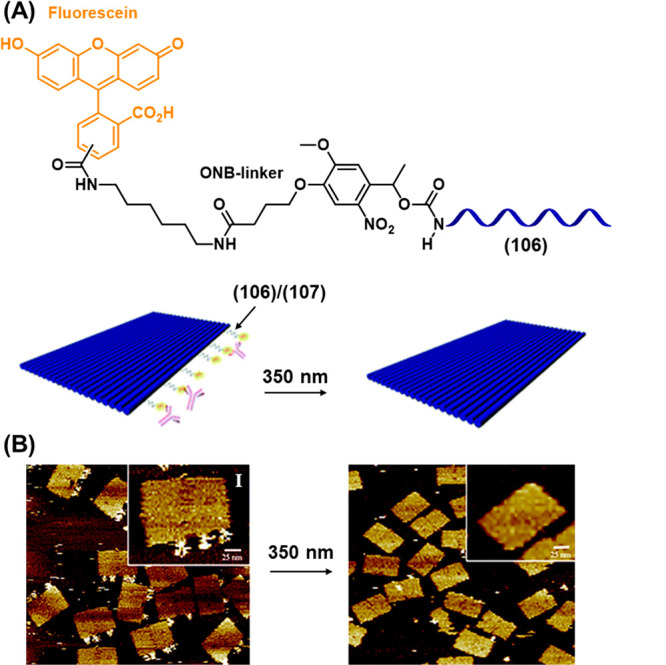
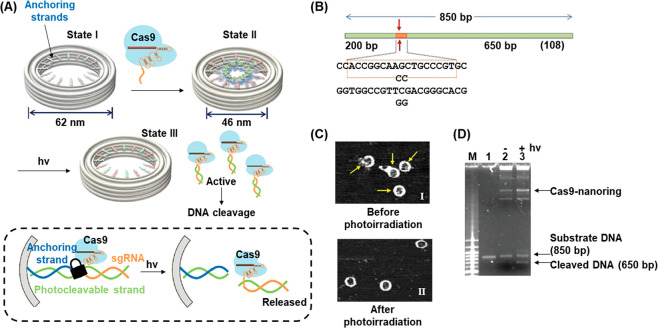
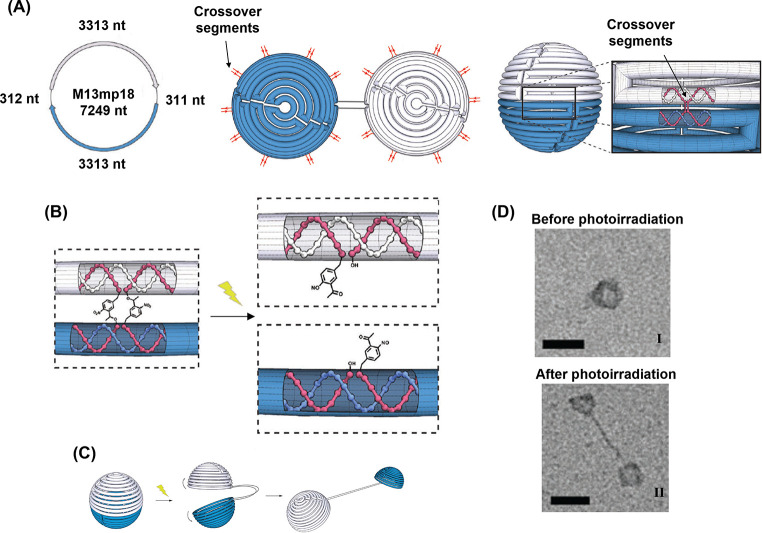
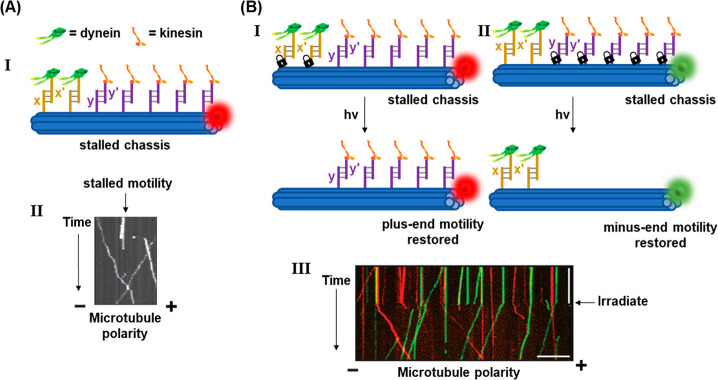
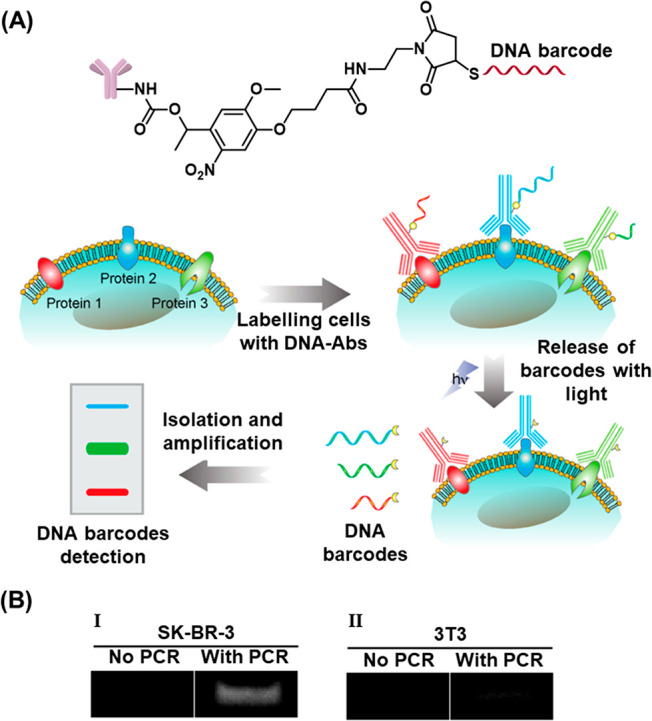
This review article introduces mechanistic aspects and applications of photochemically deprotected -nitrobenzyl (ONB)-functionalized nucleic acids and their impact on diverse research fields including DNA nanotechnology and materials chemistry, biological chemistry, and systems chemistry. Specific topics addressed include the synthesis of the ONB-modified nucleic acids, the mechanisms involved in the photochemical deprotection of the ONB units, and the photophysical and chemical means to tune the irradiation wavelength required for the photodeprotection process. Principles to activate ONB-caged nanostructures, ONB-protected DNAzymes and aptamer frameworks are introduced. Specifically, the use of ONB-protected nucleic acids for the phototriggered spatiotemporal amplified sensing and imaging of intracellular mRNAs at the single-cell level are addressed, and control over transcription machineries, protein translation and spatiotemporal silencing of gene expression by ONB-deprotected nucleic acids are demonstrated. In addition, photodeprotection of ONB-modified nucleic acids finds important applications in controlling material properties and functions. These are introduced by the phototriggered fusion of ONB nucleic acid functionalized liposomes as models for cell-cell fusion, the light-stimulated fusion of ONB nucleic acid functionalized drug-loaded liposomes with cells for therapeutic applications, and the photolithographic patterning of ONB nucleic acid-modified interfaces. Particularly, the photolithographic control of the stiffness of membrane-like interfaces for the guided patterned growth of cells is realized. Moreover, ONB-functionalized microcapsules act as light-responsive carriers for the controlled release of drugs, and ONB-modified DNA origami frameworks act as mechanical devices or stimuli-responsive containments for the operation of DNA machineries such as the CRISPR-Cas9 system. The future challenges and potential applications of photoprotected DNA structures are discussed.
这篇综述文章介绍了光解保护的-硝基苄基(ONB)-功能化核酸的机制方面和应用,及其对包括 DNA 纳米技术和材料化学、生物化学和系统化学在内的多个研究领域的影响。具体涉及的主题包括 ONB 修饰核酸的合成、ONB 单元光解保护所涉及的机制,以及调节光解保护过程所需的辐照波长的光物理和化学手段。还介绍了激活 ONB 笼状纳米结构、ONB 保护的 DNA 酶和适体框架的原理。具体而言,本文探讨了利用 ONB 保护的核酸在单细胞水平上对细胞内 mRNA 进行光触发的时空放大传感和成像,以及通过 ONB 去保护核酸控制转录机器、蛋白质翻译和基因表达的时空沉默。此外,ONB 修饰核酸的光解保护在控制材料性质和功能方面具有重要应用。本文介绍了 ONB 核酸功能化脂质体作为细胞融合模型的光触发融合、ONB 核酸功能化载药脂质体与细胞的光刺激融合在治疗中的应用,以及 ONB 核酸修饰界面的光光刻图案化。特别是,实现了对类似膜界面的刚度的光光刻控制,以引导细胞的图案化生长。此外,ONB 功能化微胶囊作为药物控制释放的光响应载体,ONB 修饰的 DNA 折纸框架作为用于 CRISPR-Cas9 系统等 DNA 机器操作的机械装置或刺激响应容器。文章还讨论了光保护 DNA 结构的未来挑战和潜在应用。