Bollman Brooke, Nunna Naveen, Bahl Kapil, Hsiao Chiaowen Joyce, Bennett Hamilton, Butler Scott, Foreman Bryant, Burgomaster Katherine E, Aleshnick Maya, Kong Wing-Pui, Fisher Brian E, Ruckwardt Tracy J, Morabito Kaitlyn M, Graham Barney S, Dowd Kimberly A, Pierson Theodore C, Carfi Andrea
Moderna, Inc., Cambridge, MA, USA.
Takeda, Cambridge, MA, USA.
NPJ Vaccines. 2023 Apr 20;8(1):58. doi: 10.1038/s41541-023-00656-4.
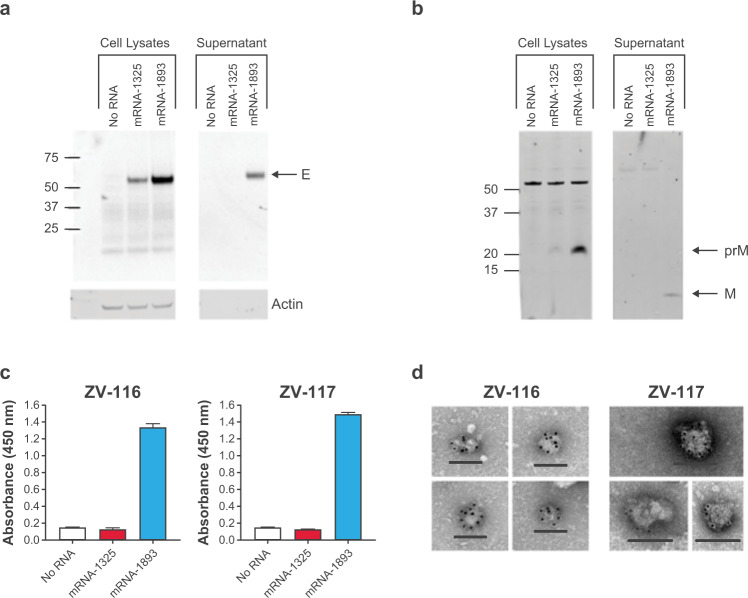
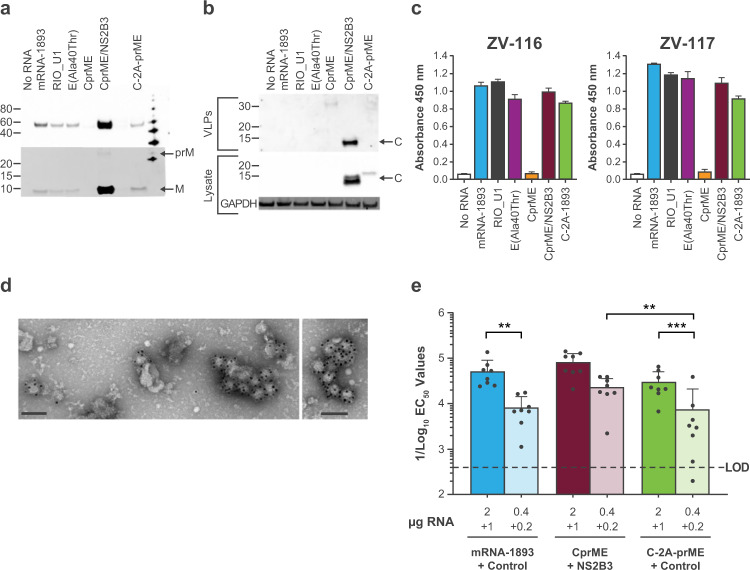
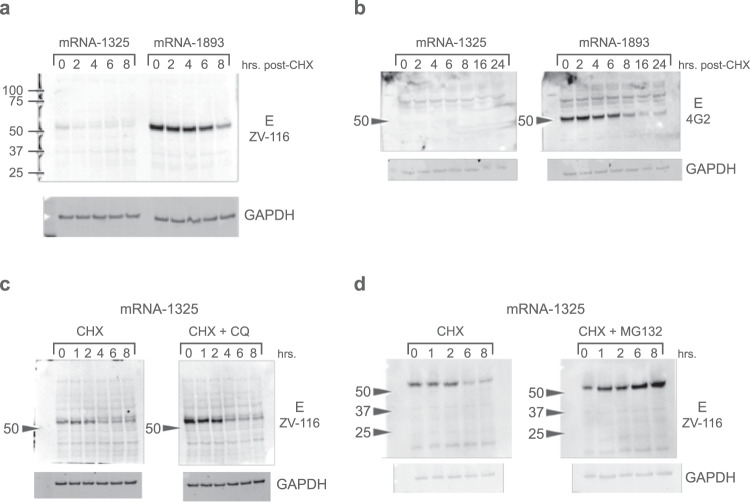
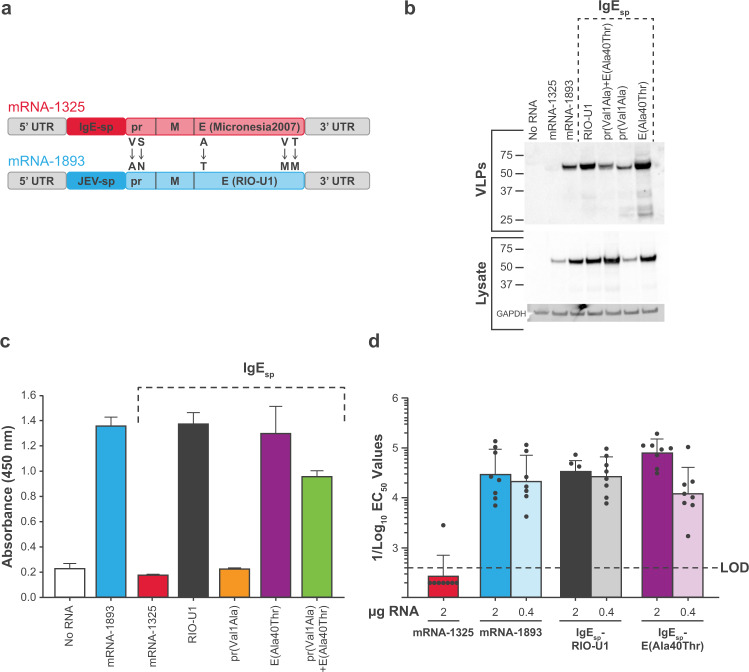
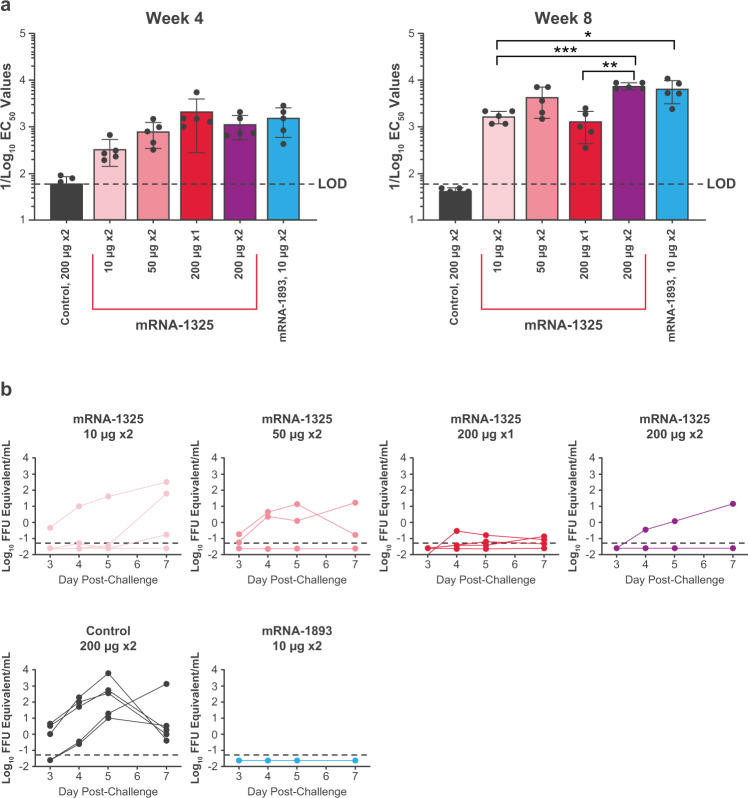
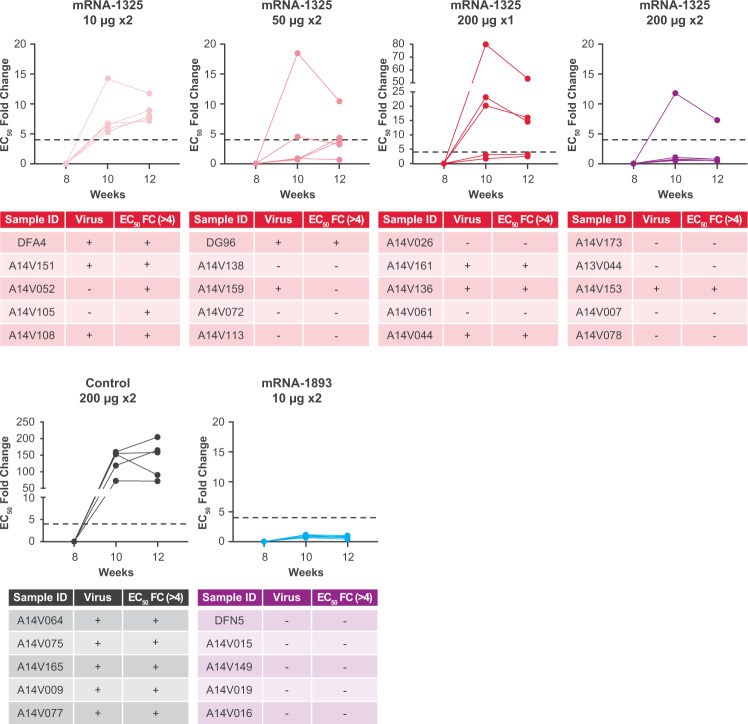
Zika virus (ZIKV), an arbovirus transmitted by mosquitoes, was identified as a cause of congenital disease during a major outbreak in the Americas in 2016. Vaccine design strategies relied on limited available isolate sequence information due to the rapid response necessary. The first-generation ZIKV mRNA vaccine, mRNA-1325, was initially generated and, as additional strain sequences became available, a second mRNA vaccine, mRNA-1893, was developed. Herein, we compared the immune responses following mRNA-1325 and mRNA-1893 vaccination and reported that mRNA-1893 generated comparable neutralizing antibody titers to mRNA-1325 at 1/20th of the dose and provided complete protection from ZIKV challenge in non-human primates. In-depth characterization of these vaccines indicated that the observed immunologic differences could be attributed to a single amino acid residue difference that compromised mRNA-1325 virus-like particle formation.
寨卡病毒(ZIKV)是一种由蚊子传播的虫媒病毒,在2016年美洲的一次重大疫情中被确定为先天性疾病的病因。由于需要快速响应,疫苗设计策略依赖于有限的可用分离株序列信息。第一代寨卡病毒mRNA疫苗mRNA-1325最初被研制出来,随着更多毒株序列的获得,第二种mRNA疫苗mRNA-1893也被开发出来。在此,我们比较了接种mRNA-1325和mRNA-1893后的免疫反应,并报告称,mRNA-1893在剂量为mRNA-1325的1/20时产生了相当的中和抗体滴度,并在非人灵长类动物中提供了针对寨卡病毒攻击的完全保护。对这些疫苗的深入表征表明,观察到的免疫学差异可归因于一个氨基酸残基的差异,该差异损害了mRNA-1325病毒样颗粒的形成。