Logullo Jorgete, Diniz-Lima Israel, Rocha Juliana Dutra B, Cortê-Real Suzana, Silva-Júnior Elias Barbosa da, Guimarães-de-Oliveira Joyce Cristina, Morrot Alexandre, Fonseca Leonardo Marques da, Freire-de-Lima Leonardo, Decote-Ricardo Debora, Freire-de-Lima Celio Geraldo
Instituto de Biofísica Carlos Chagas Filho, Universidade Federal do Rio de Janeiro, Rio de Janeiro 21941-901, RJ, Brazil.
Laboratório de Biologia Estrural, Instituto Oswaldo Cruz, FIOCRUZ, Rio de Janeiro 21040-360, RJ, Brazil.
Life (Basel). 2023 Apr 21;13(4):1063. doi: 10.3390/life13041063.
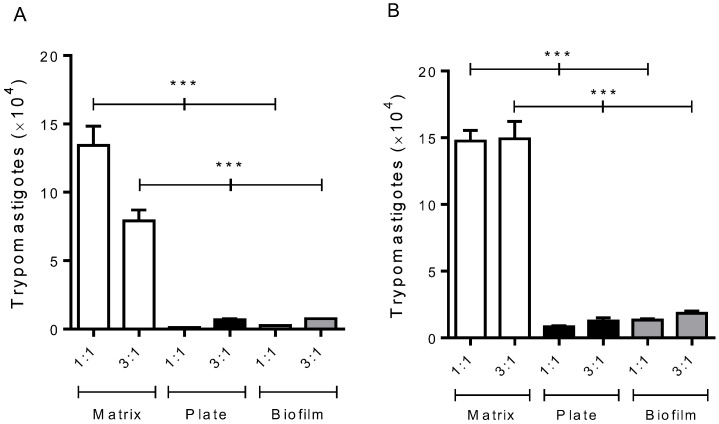
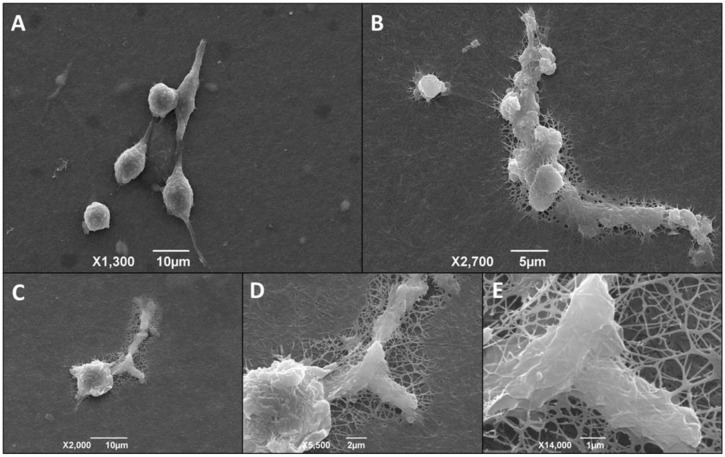
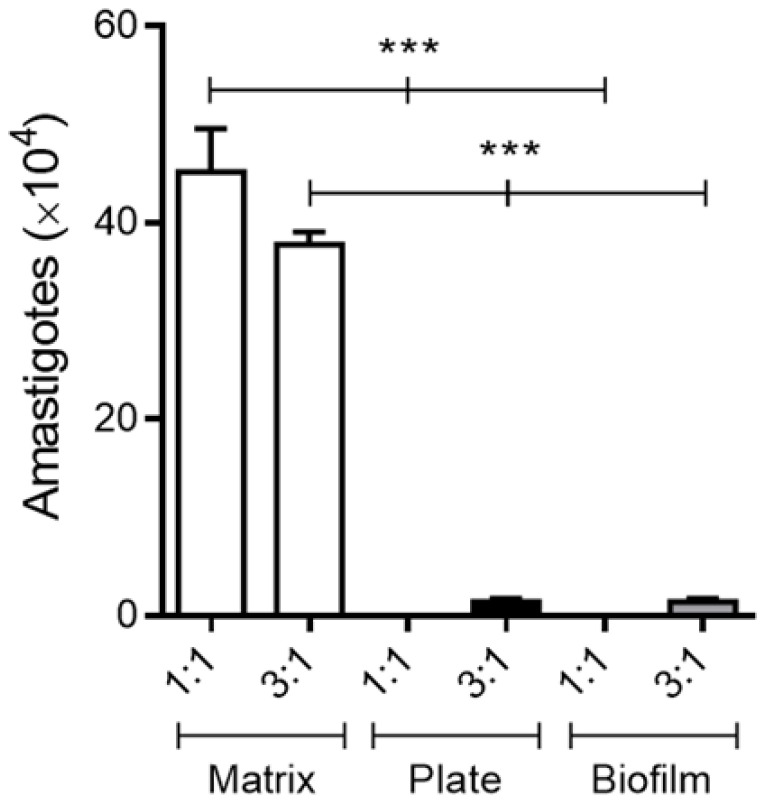
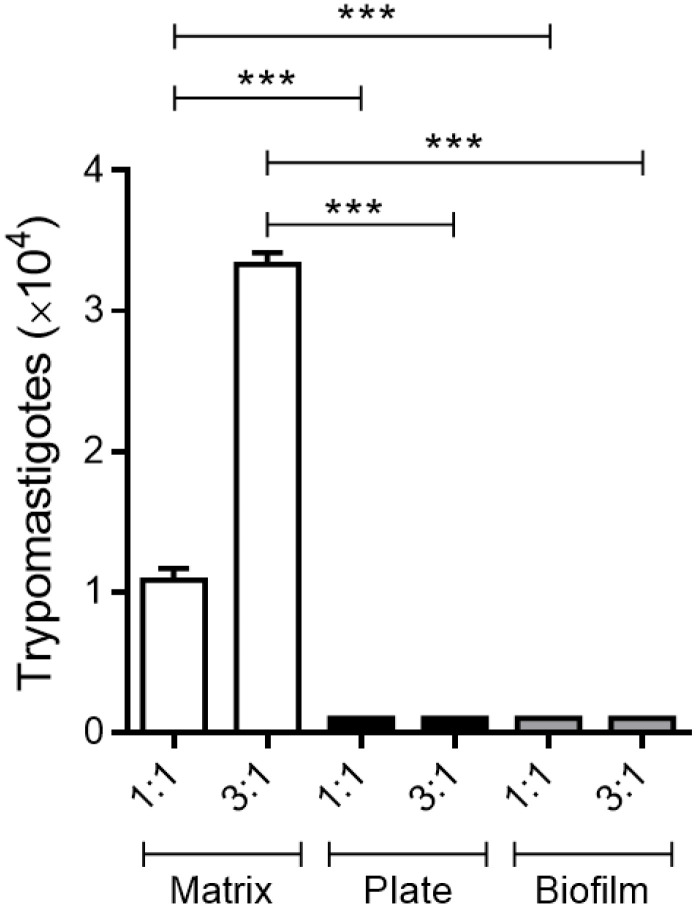
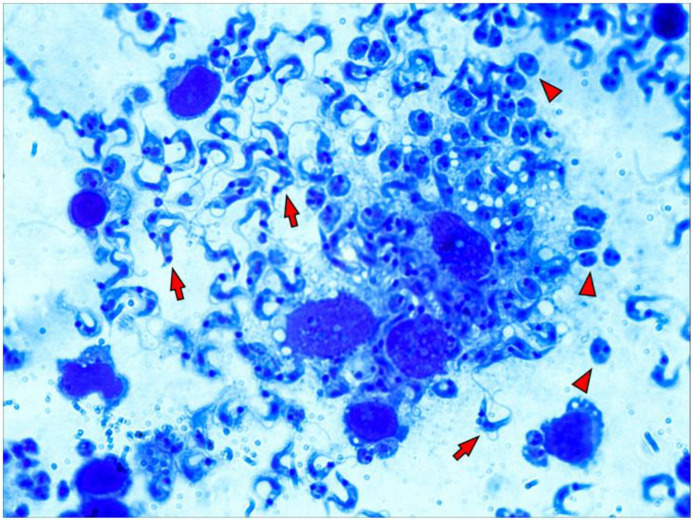
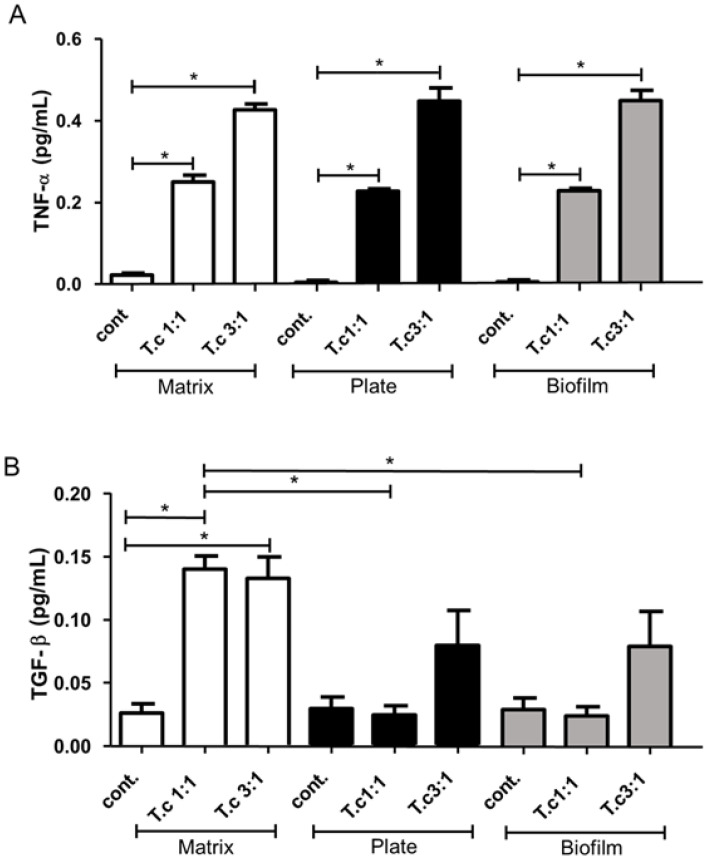
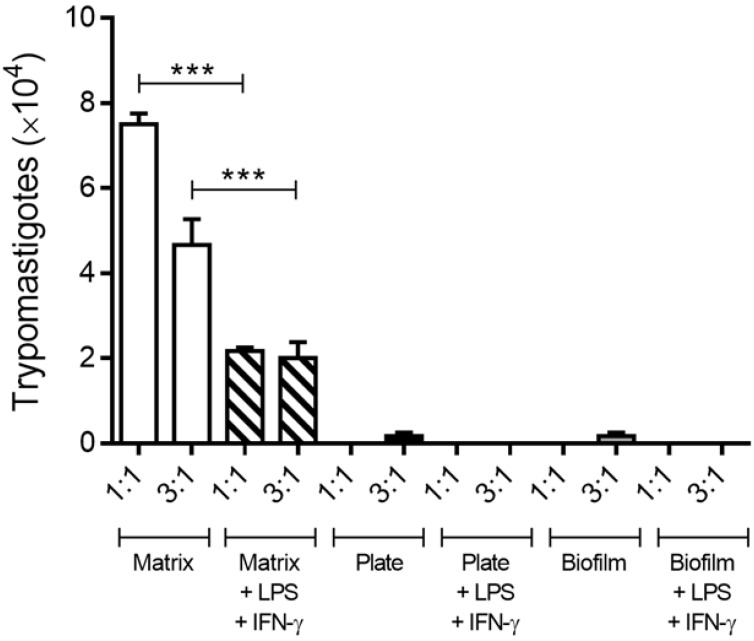
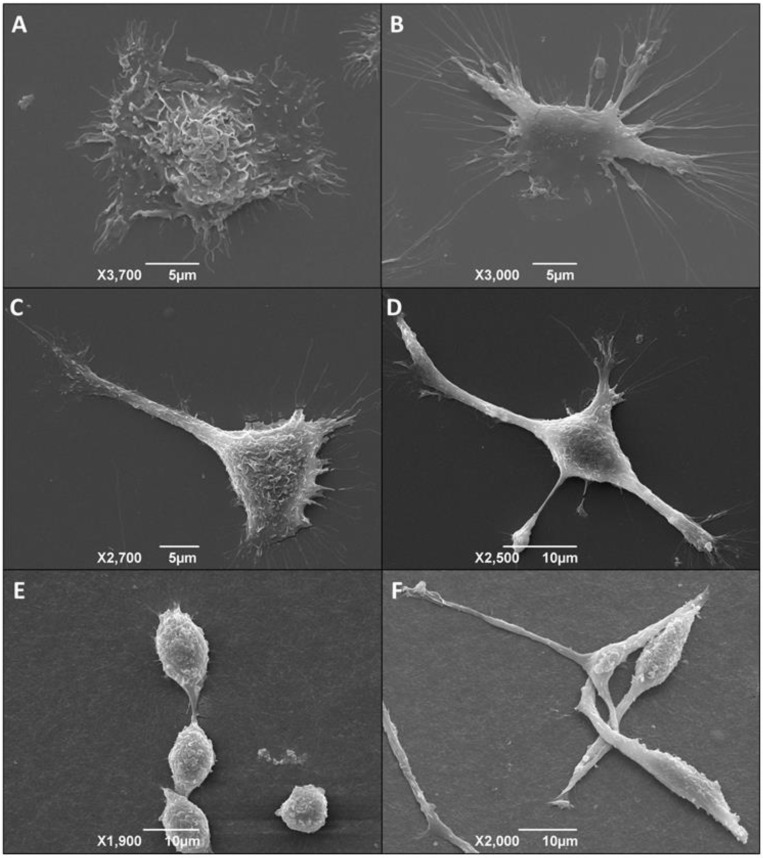
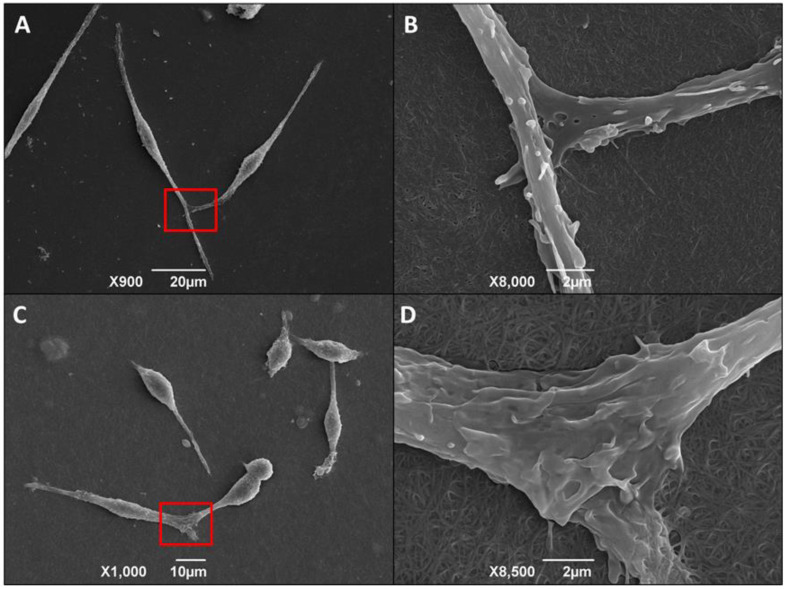
The interactions between cell and cellular matrix confers plasticity to each body tissue, influencing the cellular migratory capacity. Macrophages rely on motility to promote their physiological function. These phagocytes are determinant for the control of invasive infections, and their immunological role largely depends on their ability to migrate and adhere to tissue. Therefore, they interact with the components of the extracellular matrix through their adhesion receptors, conferring morphological modifications that change their shape during migration. Nevertheless, the need to use in vitro cell growth models with the conditioning of three-dimensional synthetic matrices to mimic the dynamics of cell-matrix interaction has been increasingly studied. This becomes more important to effectively understand the changes occurring in phagocyte morphology in the context of infection progression, such as in Chagas disease. This disease is caused by the intracellular pathogen , capable of infecting macrophages, determinant cells in the anti-trypanosomatid immunity. In the present study, we sought to understand how an in vitro extracellular matrix model interferes with infection in macrophages. Using different time intervals and parasite ratios, we evaluated the cell morphology and parasite replication rate in the presence of 3D collagen I matrix. Nevertheless, microscopy techniques such as scanning electron microscopy were crucial to trace macrophage-matrix interactions. In the present work, we demonstrated for the first time that the macrophage-matrix interaction favors in vitro replication and the release of anti-inflammatory cytokines during macrophage infection, in addition to drastically altering the morphology of the macrophages and promoting the formation of migratory macrophages.
细胞与细胞基质之间的相互作用赋予了身体各组织可塑性,影响细胞的迁移能力。巨噬细胞依靠运动性来促进其生理功能。这些吞噬细胞对于控制侵袭性感染至关重要,其免疫作用很大程度上取决于它们迁移和黏附于组织的能力。因此,它们通过黏附受体与细胞外基质的成分相互作用,在迁移过程中赋予形态学改变从而改变其形状。然而,使用经过三维合成基质处理的体外细胞生长模型来模拟细胞 - 基质相互作用动态的需求已得到越来越多的研究。对于有效理解在感染进展过程中吞噬细胞形态发生的变化,如在恰加斯病中,这变得更为重要。这种疾病由细胞内病原体引起,该病原体能够感染巨噬细胞,而巨噬细胞是抗锥虫免疫中的关键细胞。在本研究中,我们试图了解体外细胞外基质模型如何干扰巨噬细胞中的感染。我们使用不同的时间间隔和寄生虫比例,评估了在存在三维胶原蛋白I基质的情况下细胞形态和寄生虫复制率。然而,诸如扫描电子显微镜等显微镜技术对于追踪巨噬细胞 - 基质相互作用至关重要。在本研究中,我们首次证明巨噬细胞 - 基质相互作用有利于巨噬细胞感染期间的体外复制和抗炎细胞因子的释放,此外还会大幅改变巨噬细胞的形态并促进迁移性巨噬细胞的形成。