Lu Cheng-Chung, Ke Chun-Yen, Wu Wen-Tien, Lee Ru-Ping
Institute of Medical Sciences, Tzu Chi University, Hualien, Taiwan.
Office of Physical Education, Hsing Wu University, New Taipei City, Taiwan.
Front Physiol. 2023 Apr 28;14:1172342. doi: 10.3389/fphys.2023.1172342. eCollection 2023.
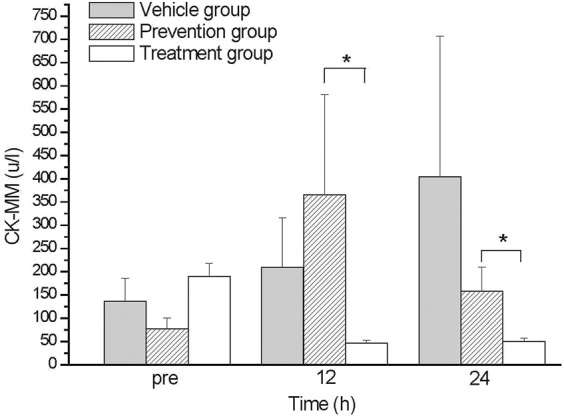
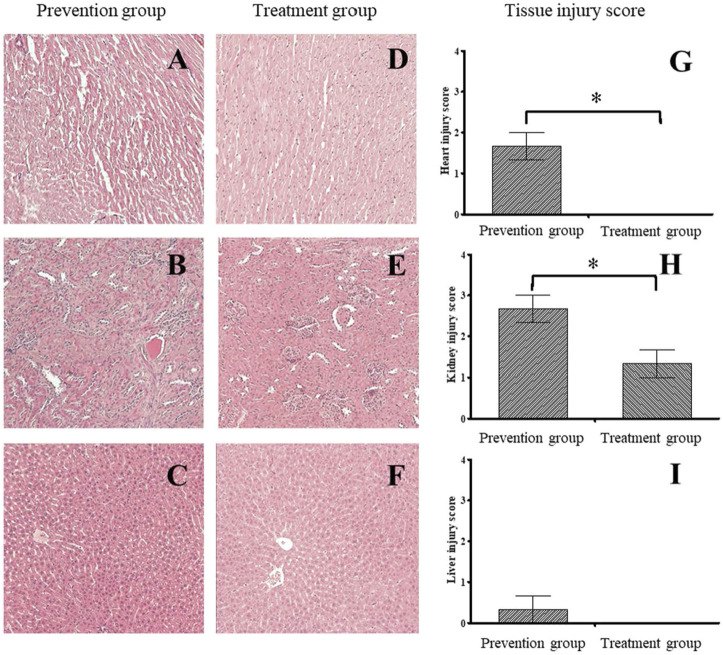
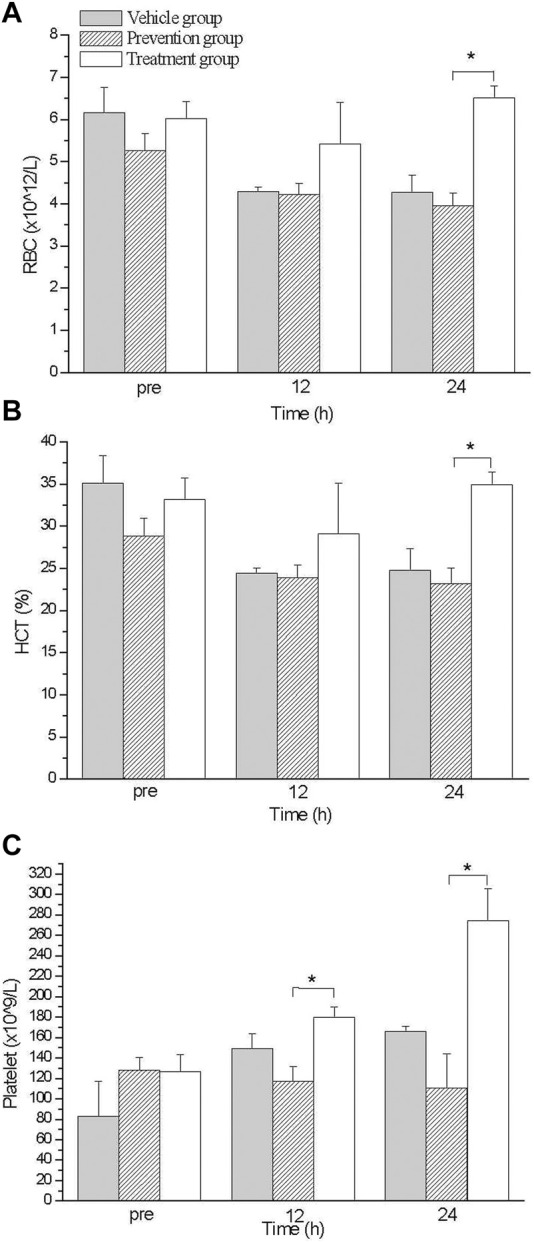
Glutamine is known as the richest nonessential amino acid in the human body. The intake of glutamine is not only beneficial to nutrition but also reported to enhance inflammation reducing bioactivity in exercise. Although studies have demonstrated that glutamine is beneficial for exercise, the optimal intake timing remains unclear. This study examined whether the effects of glutamine on tissue damage and physiology differ between intake timings. Rats were divided into without L-glutamine supplementation (vehicle), with L-glutamine before exhaustive exercise (prevention), and with L-glutamine after exhaustive exercise (treatment) groups. Exhaustive exercise was induced by treadmill running and L-glutamine was given by oral feeding. The exhaustive exercise began at a speed of 10 miles/min and increased in increments of 1 mile/min, to a maximum running speed of 15 miles/min with no incline. The blood samples were collected before exhaustive exercise, 12 h and 24 h after exercise to compare the creatine kinase isozyme MM (CK-MM), red blood cell count and platelet count. The animals were euthanized on 24 h after exercise, and tissue samples were collected for pathological examination and scored the severity of organ injury from 0 to 4. The CK-MM was elevated gradually after exercise in the vehicle group; however, CK-MM was decreased after L-glutamine supplementation in the treatment group. The treatment group had higher red blood cell count and platelet count than the vehicle and prevention group after exercise. In addition, the treatment group had less tissue injury in the cardiac muscles, and kidneys than prevention group. The therapeutic effect of L-glutamine after exhaustive exercise was more effective than preventive before exercise.
谷氨酰胺是人体内最丰富的非必需氨基酸。摄入谷氨酰胺不仅对营养有益,而且据报道还能增强运动中减轻炎症的生物活性。尽管研究表明谷氨酰胺对运动有益,但其最佳摄入时间仍不清楚。本研究探讨了谷氨酰胺对组织损伤和生理功能的影响在摄入时间上是否存在差异。将大鼠分为未补充L-谷氨酰胺(载体)、在力竭运动前补充L-谷氨酰胺(预防)和在力竭运动后补充L-谷氨酰胺(治疗)组。通过跑步机跑步诱导力竭运动,并通过口服给予L-谷氨酰胺。力竭运动以10英里/分钟的速度开始,以1英里/分钟的增量增加,直至最大跑步速度达到15英里/分钟且无坡度。在力竭运动前、运动后12小时和24小时采集血样,以比较肌酸激酶同工酶MM(CK-MM)、红细胞计数和血小板计数。运动后24小时对动物实施安乐死,并采集组织样本进行病理检查,对器官损伤严重程度进行0至4分评分。载体组运动后CK-MM逐渐升高;然而,治疗组补充L-谷氨酰胺后CK-MM降低。运动后,治疗组的红细胞计数和血小板计数高于载体组和预防组。此外,治疗组心肌和肾脏的组织损伤比预防组少。力竭运动后补充L-谷氨酰胺的治疗效果比运动前预防更有效。