Florida Medical Entomology Laboratory, Department of Entomology and Nematology, University of Florida, Vero Beach, FL, USA.
Section of Infectious Diseases, Department of Internal Medicine, Yale School of Medicine, Yale University, New Haven, CT, USA.
Parasit Vectors. 2023 May 19;16(1):166. doi: 10.1186/s13071-023-05784-3.
Vector competence in Aedes aegypti is influenced by various factors. Crucial new control methods can be developed by recognizing which factors affect virus and mosquito interactions.
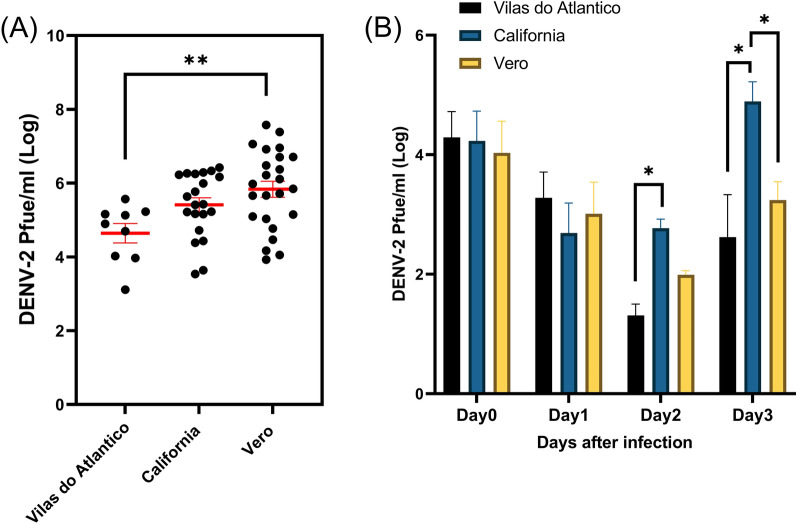
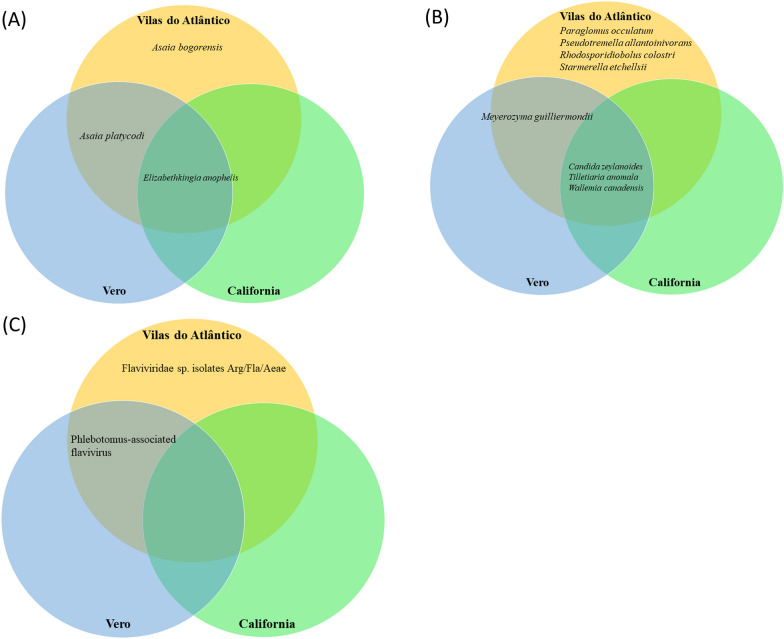
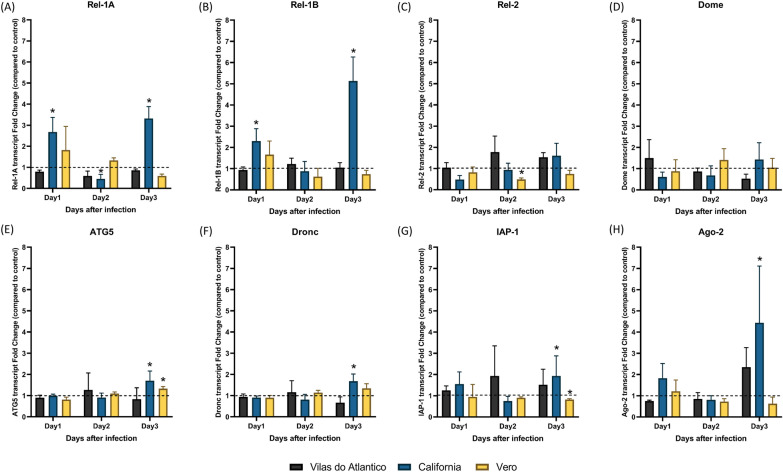
In the present study we used three geographically distinct Ae. aegypti populations and compared their susceptibility to infection by dengue virus serotype 2 (DENV-2). To identify any differences among the three mosquito populations, we evaluated expression levels of immune-related genes and assessed the presence of microbiota that might contribute to the uniqueness in their vector competence.
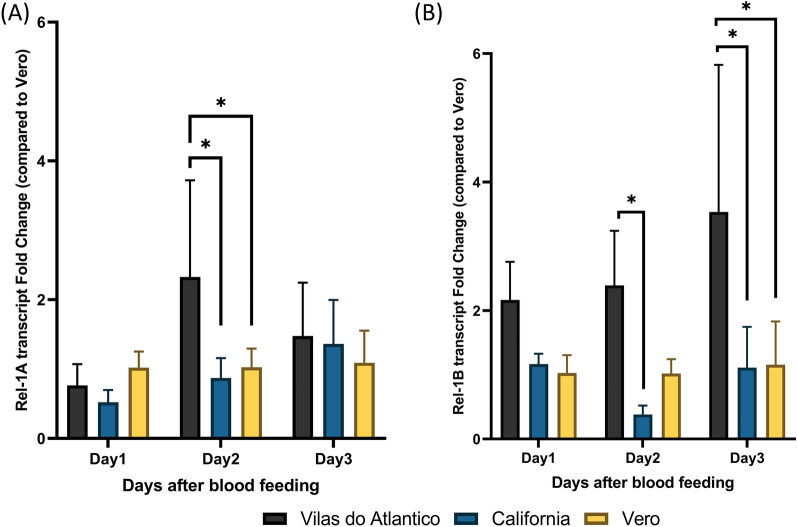
Based on the results from the DENV-2 competence study, we categorized the three geographically distinct Ae. aegypti populations into a refractory population (Vilas do Atlântico), a susceptible population (Vero) and a susceptible but low transmission population (California). The immune-related transcripts were highly expressed in the California population but not in the refractory population. However, the Rel-1 gene was upregulated in the Vilas do Atlântico population following ingestion of a non-infectious blood meal, suggesting the gene's involvement in non-viral responses, such as response to microbiota. Screening of the bacteria, fungi and flaviviruses revealed differences between populations, and any of these could be one of the factors that interfere with the vector competence.
The results reveal potential factors that might impact the virus and mosquito interaction, as well as influence the Ae. aegypti refractory phenotype.
埃及伊蚊的媒介效能受多种因素影响。通过识别哪些因素影响病毒和蚊子的相互作用,可以开发出关键的新控制方法。
在本研究中,我们使用了三个具有地理差异的埃及伊蚊种群,并比较了它们对登革热病毒血清型 2(DENV-2)的易感性。为了确定这三个蚊子种群之间的任何差异,我们评估了免疫相关基因的表达水平,并评估了可能导致它们媒介效能独特性的微生物群的存在。
根据 DENV-2 效能研究的结果,我们将三个具有地理差异的埃及伊蚊种群分为抗性种群(Vilas do Atlântico)、易感种群(Vero)和易感但传播率低的种群(加利福尼亚)。免疫相关转录本在加利福尼亚种群中高度表达,但在抗性种群中不表达。然而,在摄入非感染性血餐后,Rel-1 基因在 Vilas do Atlântico 种群中上调,表明该基因参与非病毒反应,如对微生物群的反应。对细菌、真菌和黄病毒的筛选揭示了种群之间的差异,其中任何一种都可能是干扰媒介效能的因素之一。
研究结果揭示了可能影响病毒和蚊子相互作用的潜在因素,并影响埃及伊蚊的抗性表型。