Kurtović Anamaria, Talapko Jasminka, Bekić Sanja, Škrlec Ivana
Faculty of Dental Medicine and Health, Josip Juraj Strossmayer University of Osijek, 31000 Osijek, Croatia.
Faculty of Medicine, Josip Juraj Strossmayer University of Osijek, 31000 Osijek, Croatia.
Clocks Sleep. 2023 May 15;5(2):295-312. doi: 10.3390/clockssleep5020023.
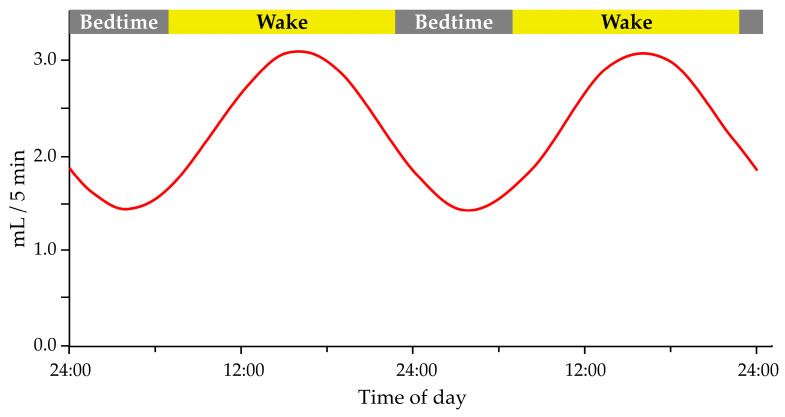
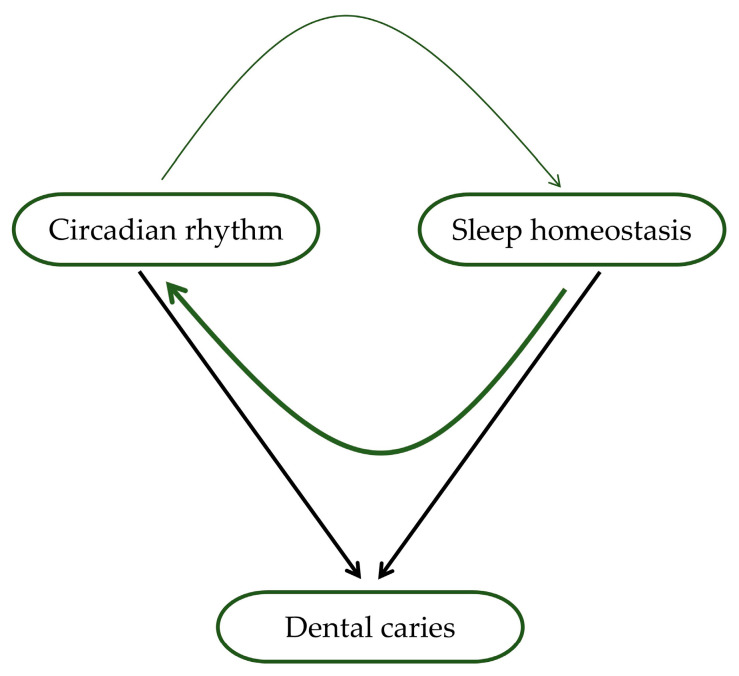
This article provides an overview of how sleep and circadian rhythm disturbances mutually influence the occurrence of dental caries and how it is possible to reduce the risk of circadian rhythm disturbances, sleep, and associated adverse effects. Dental caries is a global problem worldwide that contributes to sociological limitations. Numerous factors influence the occurrence of dental caries, from socioeconomic factors to cariogenic bacteria, dietary habits, and oral hygiene. However, sleep disorders and circadian rhythm disturbances represent a new approach in the fight against the increasing prevalence of dental caries worldwide. Bacteria in the oral cavity and the oral microbiome are mainly responsible for the development of caries, and saliva plays an important role in their regulation. The circadian rhythm regulates numerous physiological functions, including sleep and saliva production. Disturbances in sleep and circadian rhythms affect saliva production, which impacts the development of dental caries, as saliva is necessary for regulating and maintaining oral health, especially for controlling oral infections. A person's preference for a particular time of day depends on the circadian rhythm called chronotype. Individuals with an evening chronotype have a less healthy lifestyle that can lead to a higher caries risk than individuals with a morning chronotype. Because circadian rhythms are critical to maintaining sleep homeostasis and oral health, sleep disturbances can disrupt circadian rhythms and lead to a vicious cycle.
本文概述了睡眠和昼夜节律紊乱如何相互影响龋齿的发生,以及如何降低昼夜节律紊乱、睡眠及相关不良影响的风险。龋齿是一个全球性问题,会造成社会学层面的限制。从社会经济因素到致龋细菌、饮食习惯和口腔卫生等,众多因素都会影响龋齿的发生。然而,睡眠障碍和昼夜节律紊乱是应对全球龋齿患病率上升的一种新方法。口腔中的细菌和口腔微生物群是龋齿发展的主要原因,而唾液在其调节中起着重要作用。昼夜节律调节包括睡眠和唾液分泌在内的众多生理功能。睡眠和昼夜节律的紊乱会影响唾液分泌,进而影响龋齿的发展,因为唾液对于调节和维持口腔健康,尤其是控制口腔感染至关重要。一个人对一天中特定时间的偏好取决于称为昼夜类型的昼夜节律。与晨型昼夜类型的人相比,夜型昼夜类型的人生活方式不太健康,患龋齿的风险可能更高。由于昼夜节律对于维持睡眠稳态和口腔健康至关重要,睡眠障碍会扰乱昼夜节律并导致恶性循环。